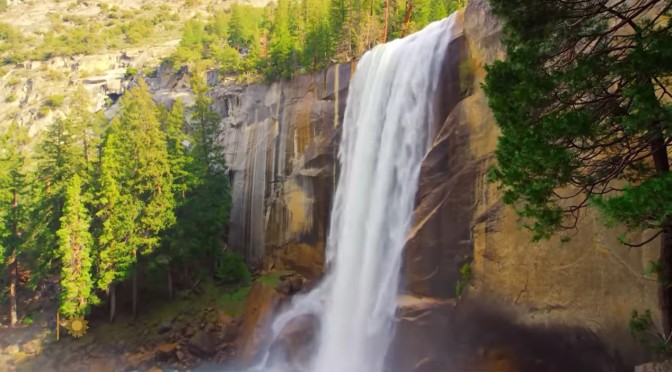
“Sunday Morning” takes us to Vernal Falls in California’s Yosemite National Park. Videographer: Lance Milbrand.
Vernal Fall is a 317-foot waterfall on the Merced River just downstream of Nevada Fall in Yosemite National Park, California. Like its upstream neighbor, Vernal Fall is clearly visible at a distance, from Glacier Point, as well as close up, along the Mist Trail.
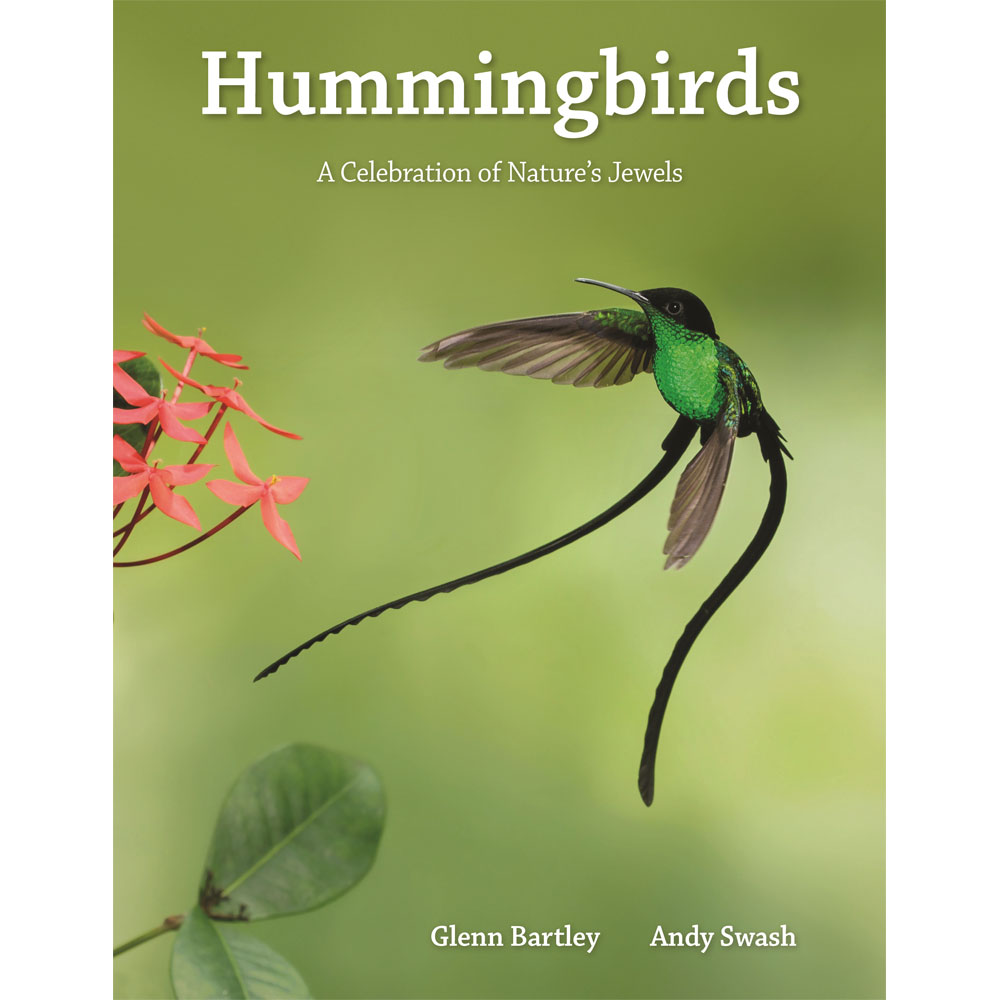
With their dazzling colors, glittering iridescent feathers, fantastic adornments, astonishing powers of flight, and many other unique characteristics, hummingbirds are among the world’s most extraordinary birds – true jewels of nature. This beautifully designed book offers a celebration of all aspects of hummingbirds and their world, presenting the latest scientific information in an accessible style and featuring hundreds of the most spectacular photographs of hummingbirds ever taken, all enhanced by wonderful artwork.
A familiar sight across much of the Americas, hummingbirds have long captured the imagination and played an important part in myths, legends, and other aspects of human culture. Today, hummingbirds are some of the most popular of all birds, sought after by serious and casual birders alike. They are birds that inspire questions in anyone lucky enough to see them. How can they fly like that? Why are they so colorful? How many are there? And where and how do they live? This book answers these and many other questions, offering an enlightening and enjoyable guide to hummingbirds that only deepens their wonder.
A definitive yet accessible account of all aspects of hummingbird life; More than 500 spectacular color photographs; Specially commissioned illustrations; Facts and figures on status, population, distribution, and conservation designations of all the world’s hummingbirds.
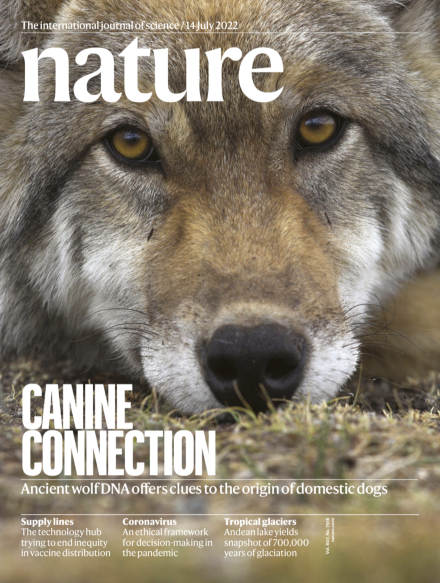
Although the domestic dog can trace its origins to the grey wolf (Canis lupus), exactly when, where and how domestication happened has remained a source of debate. In this week’s issue, Anders Bergström, Pontus Skoglund and their colleagues, take a step towards resolving this question. The researchers analysed the genomes of 72 ancient wolves from across Europe, Siberia and North America, and spanning the past 100,000 years. They found that dogs are most closely related to ancient wolves from eastern Eurasia but that dogs in the Near East and Africa derive
up to half their ancestry from a distinct population related to modern southwest Eurasian wolves. Although none of the genomes analysed was a direct match for either dog ancestry, the researchers say that it has narrowed down where next to look for the ancestors of domestic dogs.
“Sunday Morning” takes us among hummingbirds and songbirds in the Texas Hill Country. Videographer: Scot Miller.
The Texas Hill Country is a geographic region of Central and South Texas, forming the southeast part of the Edwards Plateau. Given its location, climate, terrain, and vegetation, the Hill Country can be considered the border between the American Southeast and Southwest.
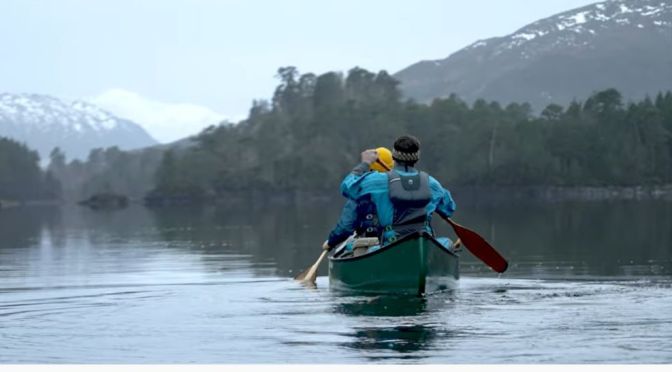
In February 2022, the British Isles were hit by three consecutive storms, some of the strongest seen in decades. In the days before the storms arrived, we decided to change the plan for our canoeing expedition whilst we were already on our way to Scotland. Instead of paddling the exposed lochs along the west coast, we opted for a more sheltered location. A glen tucked away right in the heart of the highlands. This film showcases the highlights of our journey.
Seattle, a city on Puget Sound in the Pacific Northwest, is surrounded by water, mountains and evergreen forests, and contains thousands of acres of parkland. Washington State’s largest city, it’s home to a large tech industry, with Microsoft and Amazon headquartered in its metropolitan area. The futuristic Space Needle, a 1962 World’s Fair legacy, is its most iconic landmark.
Research efforts to learn more about diseases of the human eye have been hampered as these organs degrade rapidly after death, and animal eyes are quite different to those from humans.
To address this, a team have developed a new method to revive retinas taken from donors shortly after their death. They hope this will provide tissue for new studies looking into the workings of the human eye and nervous system.
How did the earliest biochemical process evolve from Earth’s primordial soup? One popular theory is that life began in an ‘RNA world’ from which proteins and DNA evolved. However, this week a new paper suggests that a world composed of RNA alone is unlikely, and that life is more likely to have begun with molecules that were part RNA and part protein.
We discuss some highlights from the Nature Briefing. This time, the ‘polarised sunglasses’ that helped astronomers identify an ultra-bright pulsar, and how a chemical in sunscreen becomes toxic to coral.
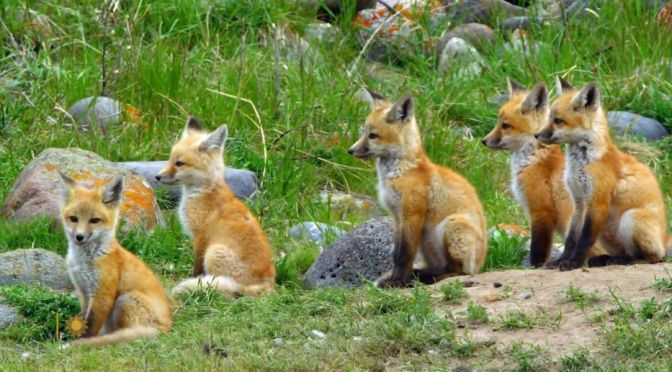
“Sunday Morning” shows us a vixen with her paws full, in Paradise Valley, Montana. Videographer: Judith Lehmberg.
Red fox are found throughout Montana. They can make their home while following their food source. Foxes use their nose to find prey, and then quickly pounce, much like a house cat. Spotting a red fox in Montana is never difficult if you look carefully?just keep a close watch for the bushy tail.
How a move to microbial protein could affect emissions. It’s well understood that the production of meat has large impacts on the environment.
This week, a team show that replacing 20% of future meat consumption with protein derived from microbes could reduce associated emissions and halve deforestation rates.
How saltwater crocodiles’ penchant for pigs is driving population recovery in Australia, and solving the mystery of some eighteenth-century porcelain’s iridescent lustre.
10:47 The neurons that help mosquitoes distinguish smell
Female Aedes aegypti mosquitoes strongly prefer human odours to those of animals, but how they distinguish between them is not well understood. Now, researchers have shown that human odours strongly activate a specific area in the brains of these insects, a finding that could have important implications for mosquito-control strategies.
We discuss some highlights from the Nature Briefing. This time, how climate change could affect virus transmission between mammals, and how the link between a dog’s breed and its temperament may not be as close as previously thought.






 Boomers Daily