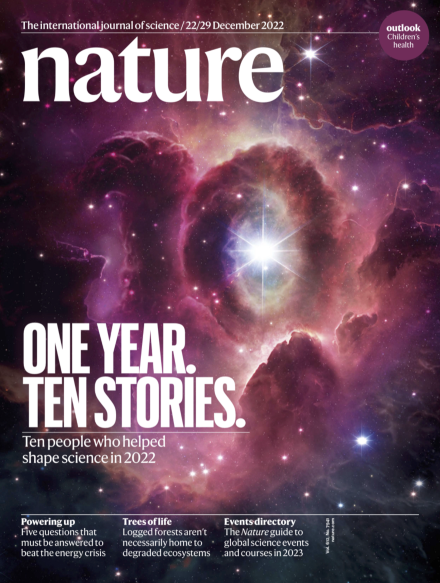
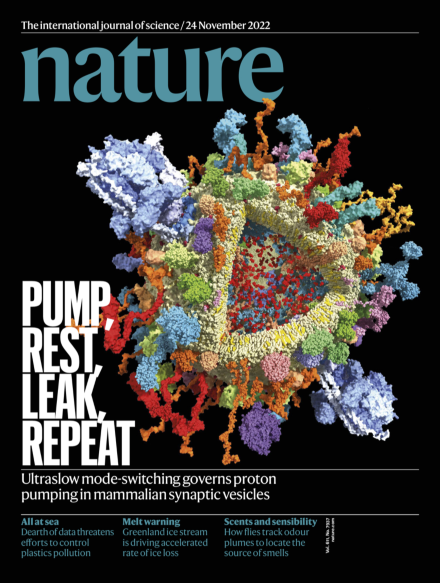
As 2022 enters its final weeks, we look back on the past 12 months through the lens of Nature’s 10 — ten people who helped to shape science during the year. The cover takes its inspiration from the stunning images that have so far emerged from the James Webb Space Telescope. Launched on Christmas Day 2021, the telescope sent its first image back to Earth this summer and has since provided astronomers with views of the Universe in unprecedented detail.
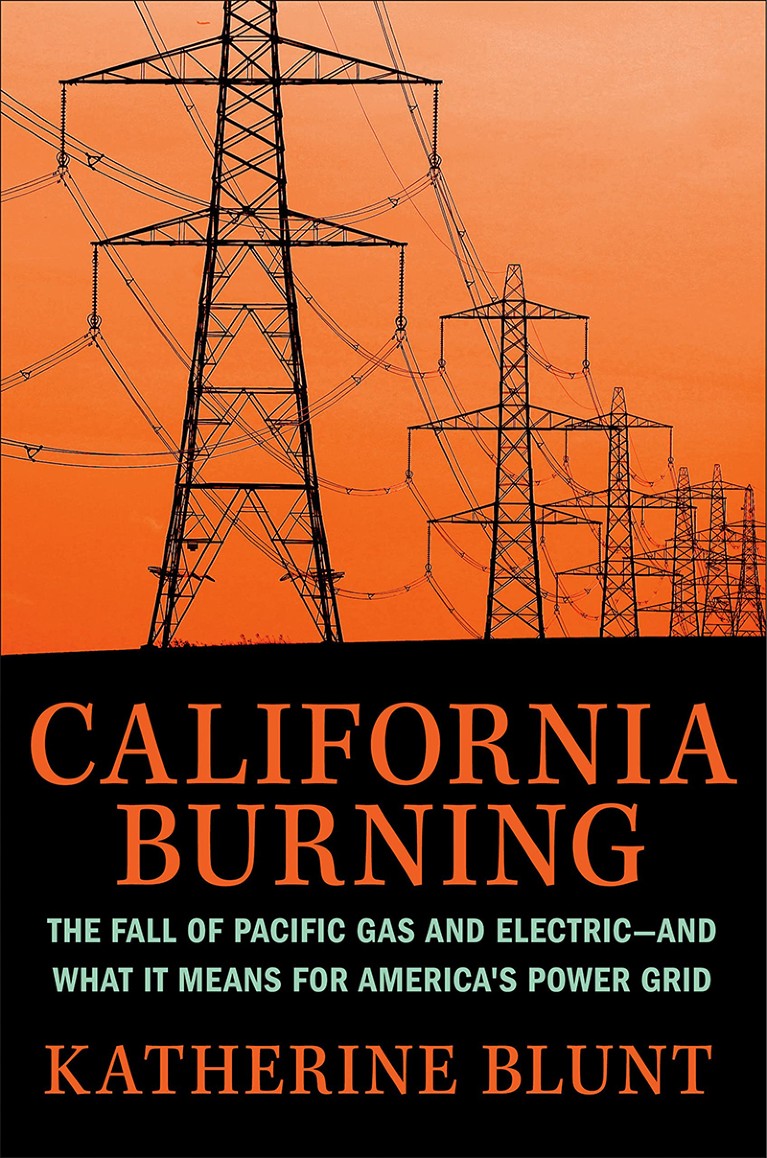
California is having more and more wildfires because of climate change, poor tree management creating fire hazards, and antiquated power lines. In 2018, the failure of a 100-year-old rusted electrical hook sparked the Camp Fire, the world’s most expensive natural disaster that year. The blaze forced Pacific Gas and Electric into temporary bankruptcy. Journalist Katherine Blunt’s disturbing history of California’s environmental calamity ends in 2021, with the company’s new chief executive announcing costly underground power lines.
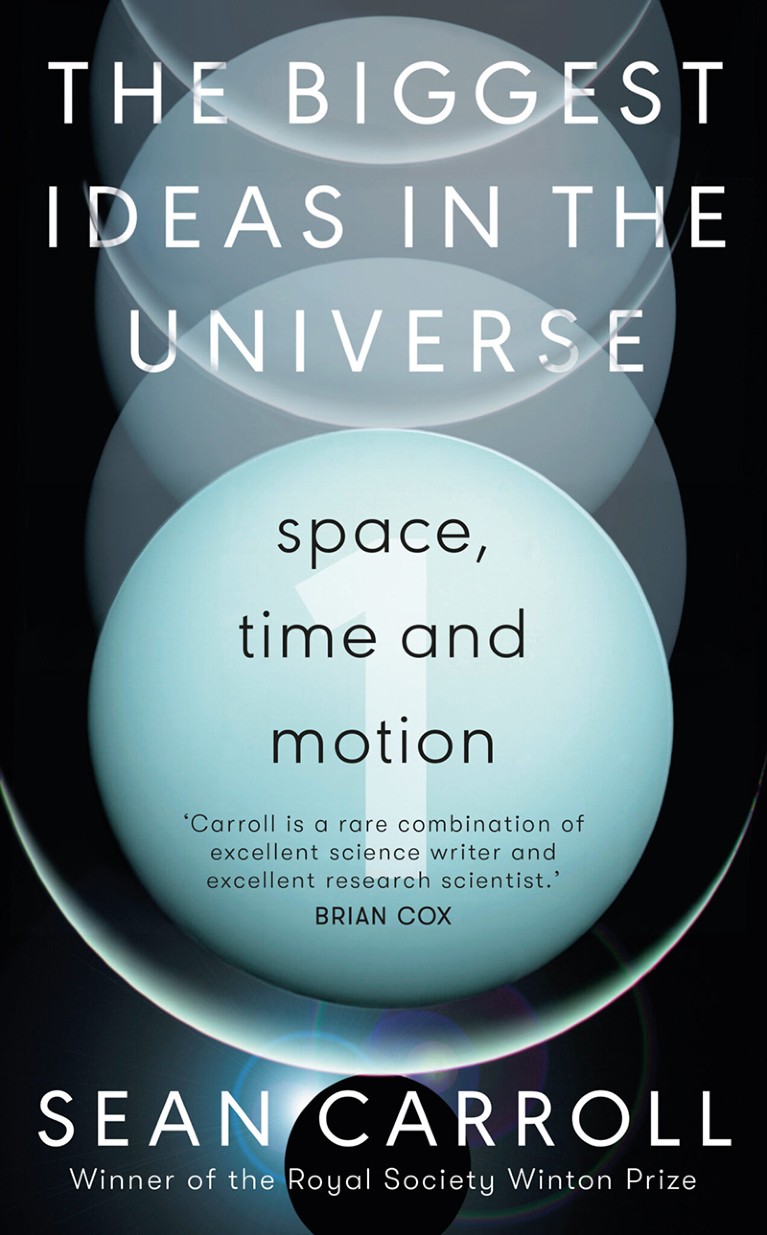
The Biggest Ideas in the Universe
Sean Carroll Oneworld (2022)
Theoretical physicist and philosopher Sean Carroll specializes in quantum mechanics, gravity and cosmology. He aims to create a world in which “most people have informed views and passionate opinions” about modern physics. His skilful book, the first of a planned trilogy, covers space, time and motion. Unlike most introductory physics books for the interested amateur, it includes mathematical equations, cogently explained but not solved, as well as the expected metaphorical language.
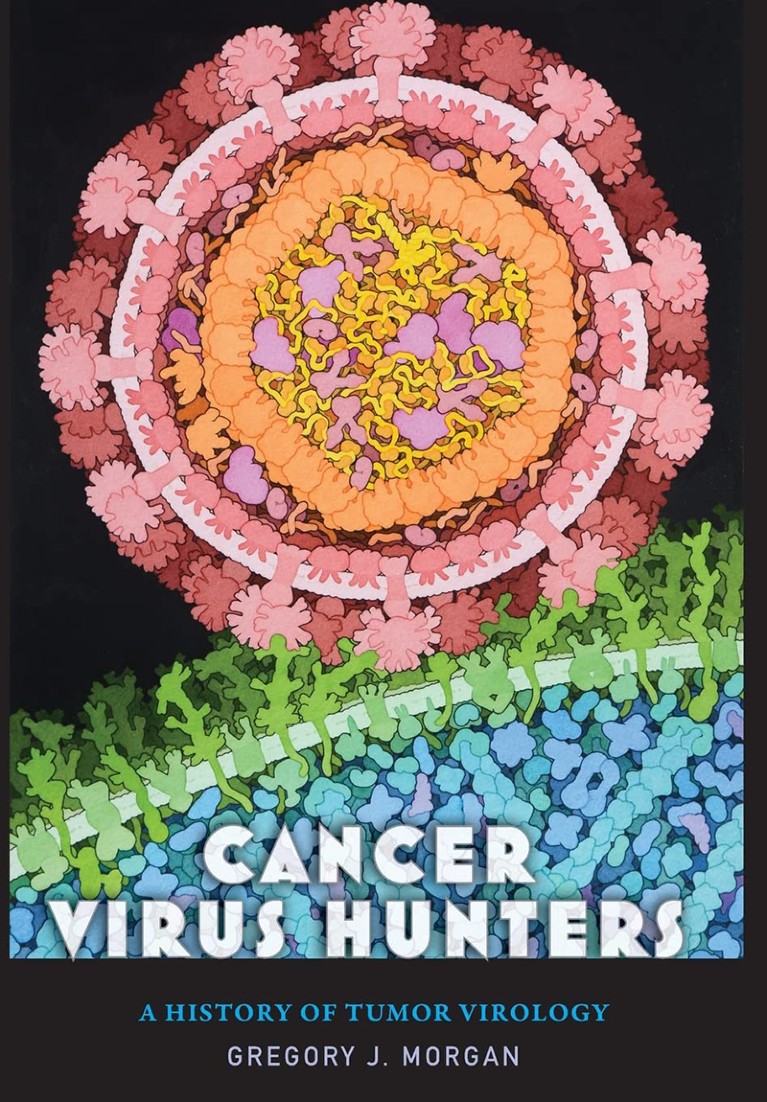
Cancer Virus Hunters
Gregory J. Morgan Johns Hopkins Univ. Press (2022)
One-fifth of cancers in people worldwide are caused by tumour viruses such as hepatitis B. Work stemming from these pathogens won seven Nobel prizes between 1966 and 2020, notes historian Gregory Morgan in his authoritative but accessible chronicle. Yet tumour virology is rarely mentioned in discussions of how molecular biology opened our understanding of cancer. As Morgan observes in his path-breaking history, this inhibits a complete understanding of this field as a technoscientific force.
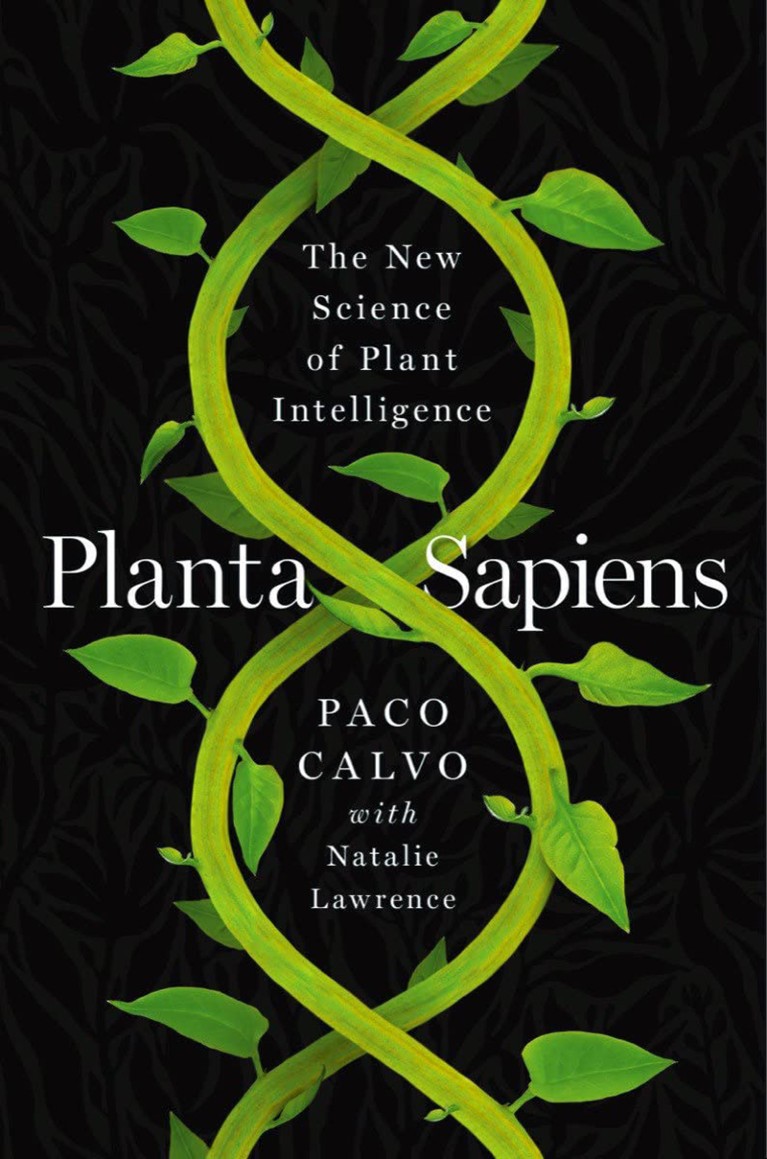
Planta Sapiens
Paco Calvo with Natalie Lawrence Bridge Street (2022)
Humans are so focused on “brain-centric consciousness”, says philosopher of science Paco Calvo, “that we find it difficult to imagine other kinds of internal experience”. Might plants be intelligent (‘sapiens’)? His challenging book is aimed at both believers in this possibility and non-believers. His experiments, such as putting the touch-sensitive plant Mimosa pudica to ‘sleep’ with anaesthetic, provoke thought, as does his note that Charles Darwin requested burial under an ancient village yew, rather than in Westminster Abbey.
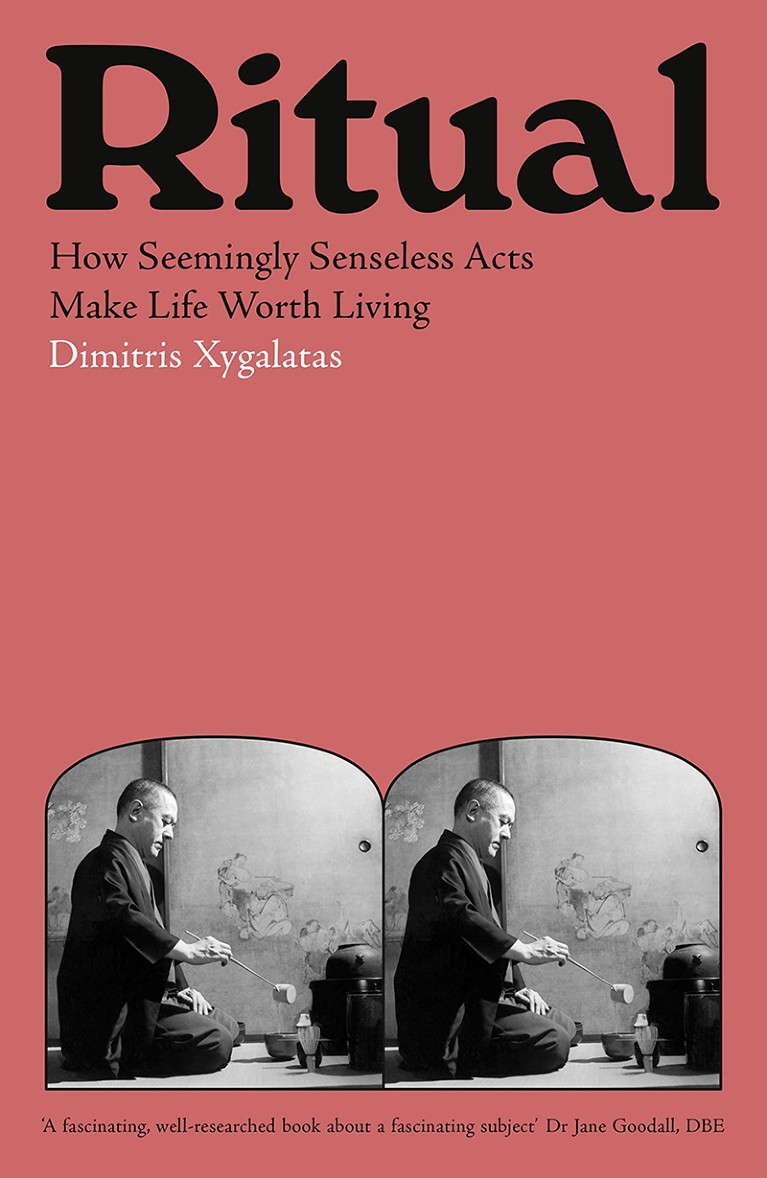
Ritual
Dimitris Xygalatas Profile (2022)
Just before anthropologist Dimitris Xygalatas’s university went into COVID-19 lockdown, his students had one main concern: would there be a graduation ceremony? We care deeply about rituals, he notes in his wide-ranging and well-written survey, because they help us to “cope with many of life’s challenges”, even if we do not understand how — the “ritual paradox”. Scientific investigation has been tricky, because rituals do not flourish in a laboratory, but wearable sensors and brain-imaging technology help.


 Boomers Daily