Bloomberg News Equity Markets Reporter Esha Dey discusses Tesla falling below its S&P 500 entry level and wiping out 2021 gains. Bloomberg Businessweek Editor Joel Weber and Bloomberg News Chief Energy Correspondent Javier Blas walk through the story “Pennsylvania Teachers’ Pensions Helped Fund War Over Oil in Iraq.” Dartmouth Professor of Economics Danny Blanchflower provides a recap of Fed Chair Jerome Powell’s semi-annual monetary policy report to the Senate Banking Committee. And we Drive to the Close with Ryan Detrick, Senior Market Strategist at LPL Financial. Hosts: Carol Massar and Tim Stenovec. Producer: Doni Holloway.
The COVID-19 mortality rate is falling around the world. We discuss the reasons behind this – the role of new drugs, the treatment strategies the have been learned, or re-learned, and the ever-present worry that these hard won victories could be undone by rising infection rates.
In this episode:
00:44 An increase in survival rates
The COVID-19 mortality rate is falling around the world. We discuss the reasons behind this – the role of new drugs, the treatment strategies the have been learned, or re-learned, and the ever-present worry that these hard won victories could be undone by rising infection rates.
This week, Moderna released preliminary results for its COVID-19 vaccine candidate, the third positive indication from a string of vaccine announcements. Although the full data are yet to be published, do these results give us more reasons to feel hopeful?
Colonic diverticulosis refers to herniation of the mucosa and submucosa through the muscular layer of the colonic wall and may be the result of colonic smooth muscle over-activity. Diverticular disease may be defined as any clinical state caused by symptoms pertaining to colonic diverticula and includes a wide-ranging spectrum from asymptomatic to severe and complicated disease.
Mohamed Thaha, Senior Lecturer & Lead Consultant in Colorectal Surgery, National Bowel Research Centre, Barts and The London School of Medicine and Dentistry, tells us more.
Benjamin Thompson, Noah Baker, and Amy Maxmen discuss the role of antibody tests in controlling the pandemic, and how public-health spending could curtail an economic crisis. Also on the show, the open hardware community’s efforts to produce medical equipment.
In this episode:
02:08 Betting on antibodies
Antibody tests could play a key role in understanding how the virus has spread through populations, and in ending lockdowns. We discuss concerns over their reliability, how they could be used, and the tantalising possibility of immunity.
Jim Yong Kim, former president of the World Bank, argues that strong investment in public health is crucial to halt the ongoing pandemic and to prevent a global financial crisis. We discuss his work with US governors to massively increase contact tracing, and his thoughts on how researchers can help steer political thinking.
Our hosts talk about staying positive, and pick a few things that have made them smile in the last 7 days, including a tiny addition to the team, a newspaper produced by children in lockdown, and a gardening update.
Researchers are stepping up efforts to design and produce ventilators and personal protective equipment for frontline medical staff. We hear how the open hardware movement is aiding these efforts, and the regulations that teams need to consider if their designs are to make it into use.
Featuring articles on deaths due to e-cigarette– or vaping-associated lung injury, apixaban for venous thromboembolism in cancer, the management of coronary disease in patients with advanced kidney disease, health-status outcomes in the ISCHEMIA-CKD trial, and ten weeks to crush the curve.
Additionally, renin–angiotensin–aldosterone system inhibitors in patients with Covid-19, and teasing the immune system to repair the heart; a review article on the care of patients with diabetic retinopathy; a case report of a man with high blood pressure, renal insufficiency, and hematuria; and Perspective articles on clinical and social risk adjustment, on prediction models, and on medical care during the pandemic.
Tension-type headaches can be either episodic or chronic. They are rarely disabling or associated with any significant autonomic phenomena, thus patients do not usually seek medical care and usually successfully self-treat. Unlike migraine, there is no significant nausea, no vomiting, and a lack of aggravation by routine physical activity.
In this podcast Mark Green, Professor of Neurology, Anesthesiology and Rehabilitation Medicine, Director of Headache and Pain Medicine, Icahn School of Medicine at Mount Sinai, New York, gives a clinical overview of the condition.
More than 6 million people worldwide have Parkinson disease. Even though it is classically associated with tremors, the disease has many manifestations and is very treatable for most patients.
Michael S. Okun, MD, from the Department of Neurology at the University of Florida, Gainesville, discusses the pathophysiology, clinical presentation, diagnosis, and treatment of Parkinson disease.
Although coronavirus disease 2019 (COVID-19) dominates the news in early 2020, it affects few people in the US. In contrast, at the same time the US is experiencing a severe influenza epidemic, which has caused an estimated 250 000 hospitalizations and 14 000 deaths.
Timothy Uyeki, MD, lead for the CDC’s 2019 novel coronavirus response team and Chief Medical Officer of CDC’s influenza division, discusses influenza in the US, how it compares to coronavirus, and what both patients and clinicians should know about this year’s flu season.
“Studies with financial links to the indoor tanning industry were much more likely to discuss perceived benefits of indoor tanning and to downplay the harms,” said Eleni Linos, MD, DrPH, professor of dermatology, who sees patients at Stanford Health Care’s dermatology clinic at the Hoover Pavilion. “The association is quite striking. We need scientific data to be independent of industry influence. I am concerned that funding sources may influence the conclusions of these papers.”
In 2012, Eleni Linos, professor of dermatology at Stanford university, published a systematic review and meta-analysis of the link between non-melanoma cancer and sun-beds. That bit of pretty standard research, and a particular rapid response to it, has kicked of years of work – and in this podcast I talk to Eleni and her colleagues Stanton…
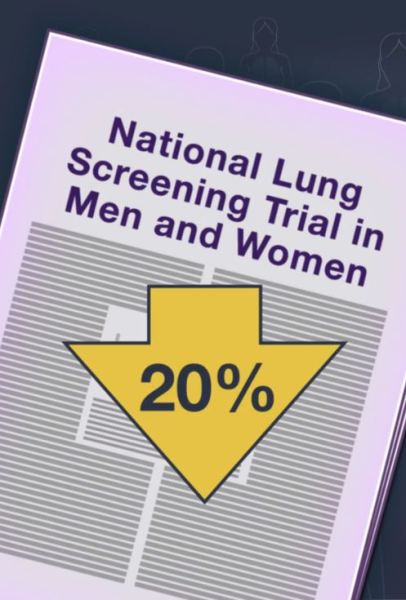
Featuring articles on lung-cancer screening in the NELSON trial, ribociclib and fulvestrant in metastatic breast cancer, vitamin D in pregnancy and asthma, treatment thresholds for neonatal hypoglycemia, and CAR-NK cells in anti-CD19 lymphoid tumors; a review article on placebo and nocebo effects; a Clinical Problem-Solving describing a rapid change in pressure; and Perspective articles on altruism in Extremis, on abuses of FDA regulatory procedures, and on joining forces against delirium.
News, Views and Reviews For The Intellectually Curious






 Benjamin Thompson, Noah Baker, and Amy Maxmen discuss the role of antibody tests in controlling the pandemic, and how public-health spending could curtail an economic crisis. Also on the show, the open hardware community’s efforts to produce medical equipment.
 Featuring articles on deaths due to e-cigarette– or vaping-associated lung injury, apixaban for venous thromboembolism in cancer, the management of coronary disease in patients with advanced kidney disease, health-status outcomes in the ISCHEMIA-CKD trial, and ten weeks to crush the curve.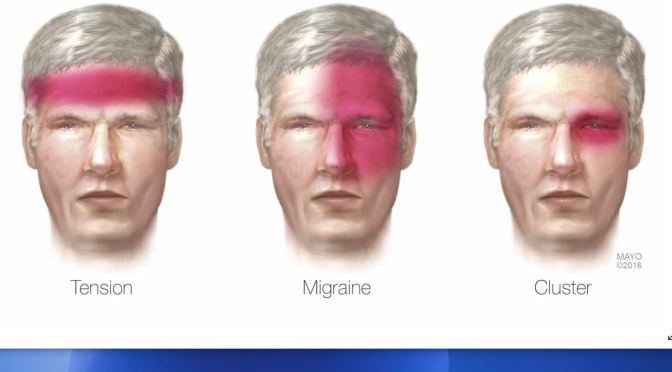
 Tension-type headaches can be either episodic or chronic. They are rarely disabling or associated with any significant autonomic phenomena, thus patients do not usually seek medical care and usually successfully self-treat. Unlike migraine, there is no significant nausea, no vomiting, and a lack of aggravation by routine physical activity.
 More than 6 million people worldwide have Parkinson disease. Even though it is classically associated with tremors, the disease has many manifestations and is very treatable for most patients.
 Although coronavirus disease 2019 (COVID-19) dominates the news in early 2020, it affects few people in the US. In contrast, at the same time the US is experiencing a severe influenza epidemic, which has caused an estimated 250 000 hospitalizations and 14 000 deaths.
 “Studies with financial links to the indoor tanning industry were much more likely to discuss perceived benefits of indoor tanning and to downplay the harms,” said
  In 2012, Eleni Linos, professor of dermatology at Stanford university, published a systematic review and meta-analysis of the link between non-melanoma cancer and sun-beds. That bit of pretty standard research, and a particular rapid response to it, has kicked of years of work – and in this podcast I talk to Eleni and her colleagues Stanton…
 Featuring articles on lung-cancer screening in the NELSON trial, ribociclib and fulvestrant in metastatic breast cancer, vitamin D in pregnancy and asthma, treatment thresholds for neonatal hypoglycemia, and CAR-NK cells in anti-CD19 lymphoid tumors; a review article on placebo and nocebo effects; a Clinical Problem-Solving describing a rapid change in pressure; and Perspective articles on altruism in Extremis, on abuses of FDA regulatory procedures, and on joining forces against delirium.
 Boomers Daily