


The humiliation of trying to survive
Looking back at 7th October and the start of the Gaza war, a Palestinian writer reflects on a year of horror and trauma

Looking back at 7th October and the start of the Gaza war, a Palestinian writer reflects on a year of horror and trauma


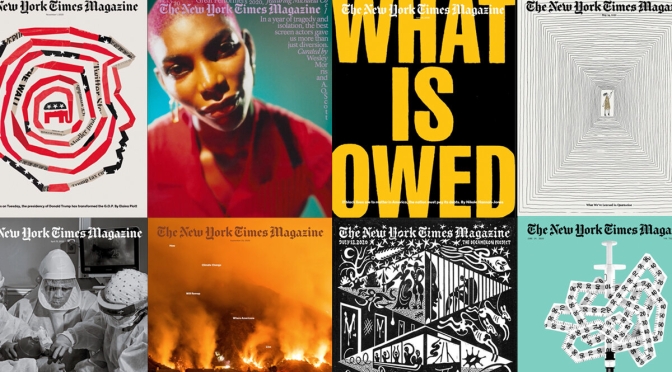
THE NEW YORK TIMES MAGAZINE (September 13, 2024): The latest issue features Sasha Weiss on the Prince we never knew; Ben Hubbard on a U.N. agency for Palestinian refugees; Giles Harvey on the writer Tony Tulathimutte; and more.
A revealing new documentary could redefine our understanding of the pop icon. But you will probably never get to see it.
UNRWA, the U.N. agency for Palestinian refugees, has survived 75 years of Israeli-Palestinian strife. Can it survive the latest conflict?
Tony Tulathimutte is a master comedian whose original and highly disturbing new book skewers liberal pieties. By Giles Harvey

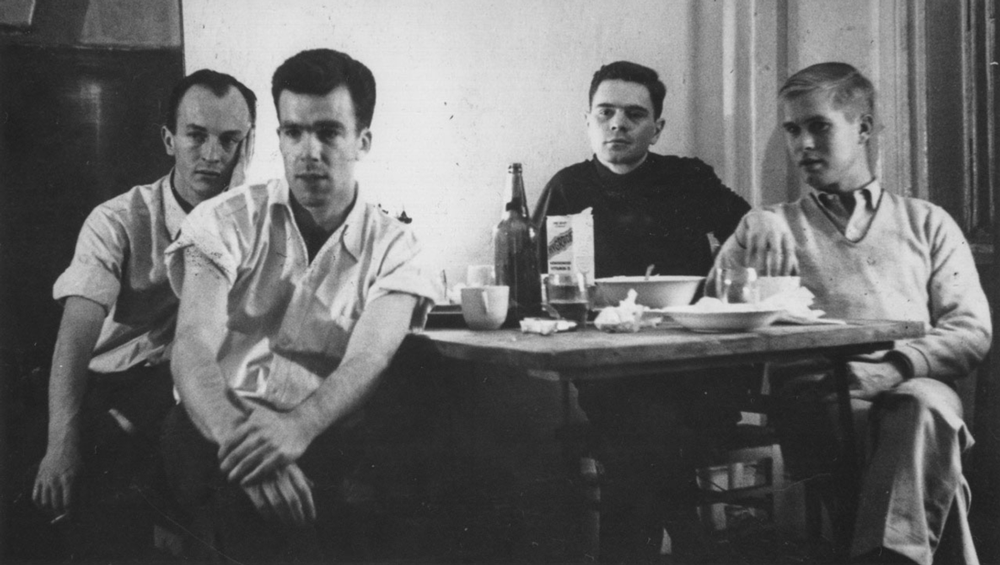
James Schuyler on Frank O’Hara: “I still can see Frank, standing on that street corner outside a pastry shop, holding a neatly tied-up box of God knows what—éclairs, perhaps.”
James Schuyler was born in Chicago in 1923, grew up in Washington, D.C., and East Aurora, New York, and spent most of his adult years in New York City and Southampton, Long Island. Although he is perhaps less widely known than the fellow New York School poets with whom he is associated, John Ashbery, Frank O’Hara, Barbara Guest, and Kenneth Koch, he published six full-length books of poetry during his lifetime—beginning with Freely Espousing, published by Doubleday and Paris Review Editions in 1969—as well as two novels, and a third written in collaboration with Ashbery. In 1981 he won the Pulitzer Prize for his collection The Morning of the Poem (1980). Mental illness plagued him intermittently, and there were times when his life threatened to veer out of control, but friends repeatedly rallied around him, and the years before his death in 1991 were happy and productive.

THE NEW YORK TIMES MAGAZINE (September 7, 2024): The latest issue features Caity Weaver on the tyranny of the American penny; Jordan Kisner on the future of the Shakers; Dan Kaufman on NAFTA and politics; and more.
Since its passage in 1993, the trade agreement has played an outsize role in presidential elections — which now often hinge on the three Rust Belt states it helped to hollow out.
Their numbers have dwindled, but the remaining members are imagining what comes next.By Jordan KisnerCreditLucas Foglia for The New York Times

Local authorities and the police are facing a globally organised far right they barely understand By Paul Mason
“I think the protests are great,” the far-right influencer James Goddard told subscribers to his Telegram channel, in a video the day after the Sunderland riot. “But we need to clean up the optics… Number one, please stay away from religious buildings, places of worship, mosques, Islamic centres. Just stay away from them. You’re going to cause a conflict that we don’t need to have… yet.”
The oldest constitution in the world was not made for the political culture of modern America. The Supreme Court’s decision in Trump v United States is a symptom of its crisis
Standing in a huge crowd of counter-protesters, I’m more aware than ever that racist violence is part of a structural problem and an inevitable extension of mainstream Islamophobia


Rhian Sasseen swipes right on behalf of a fictional porn addict;
Francesca Peacock roots through the archives for a deeper understanding of scandal and speech;
Ruth Madievsky closes the gate on her college rumor mill;
and Emmeline Clein recounts an “American Icarus story” spelled out in diet pills and rhinestones.
Francesca Peacock roots through the archives for a deeper understanding of scandal and speech in an essay from the LARB Quarterly issue no. 42, “Gossip.”


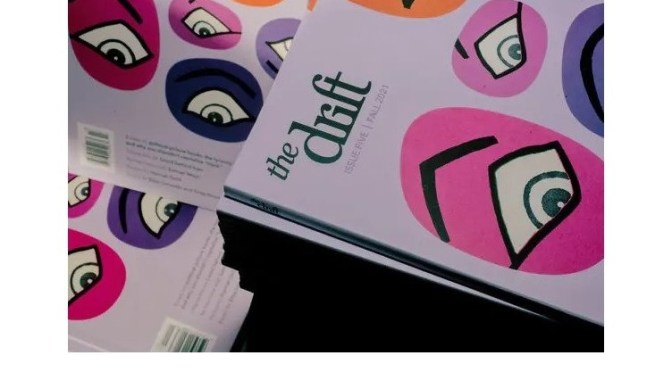
The Drift Magazine (July 19, 2024): The latest issue features Maybe fortresses come to violence like an addiction. Maybe the water is just water. The tide abandons what it leaves. We have absolutely no way of controlling the cane toad. “I love anyone who hears my screams.” You ever cry with that knowledge? Do they kiss on the mouth? What will the bears say? I am not yet a trampoline. No doors exist and nobody’s home. Simply because they are eternally young, beautiful, and dead.
The UK isn’t the global power that it was in 1997. But if the new government makes smart choices, we might still avoid drifting into irrelevance

For months we had been complaining about the damage the Games would inevitably bring to our city
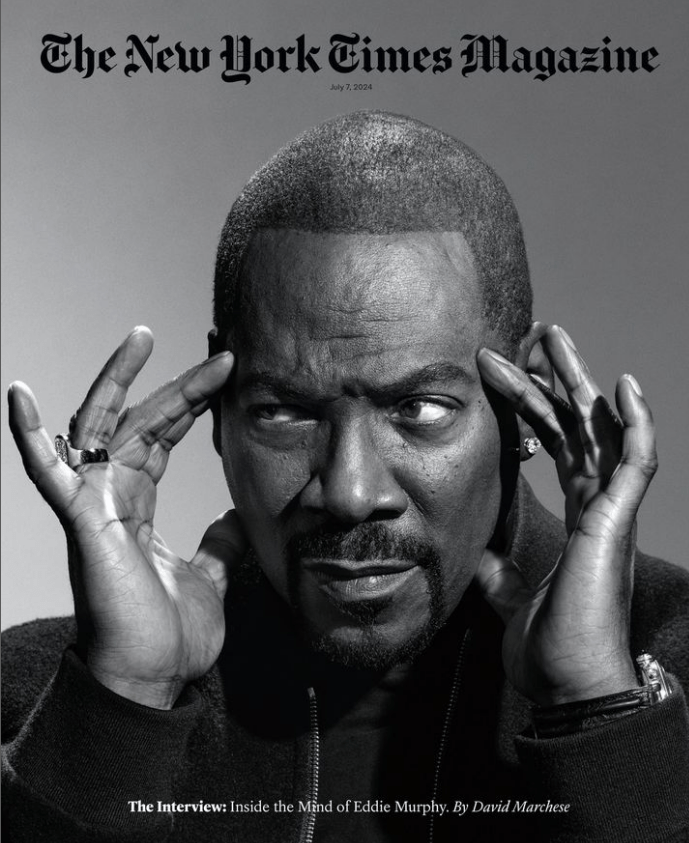
THE NEW YORK TIMES MAGAZINE (July 6, 2024): The latest issue features…
Eddie Murphy has been so famous for so long, occupying such a lofty place in the cultural landscape, that it can be easy to overlook just how game-changing a figure he actually is.
Let’s start, as Murphy’s career did, with standup. There had been star comics before — Steve Martin, Richard Pryor — but none exploded with anything like Murphy’s speed or intensity.

His “X” trilogy — which culminates with “MaXXXine” — obsesses over cinema, stardom and the industry itself.
By RYAN BRADLEY
New York is trying to treat an addictive substance just like any other product.
By CHARLES FAIN LEHMAN
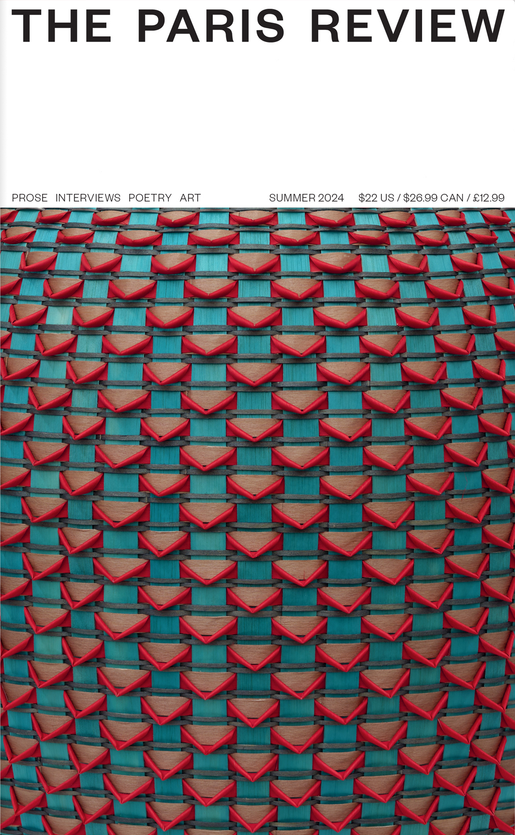
Mary Robison on the Art of Fiction: “The first thing they’d say was ‘This is a nice story—where’s your novel?’ And I would just lie my head off. ‘Oh, it’s at home. It’s almost there!’”
Elaine Scarry on the Art of Nonfiction: “A lot of my troubles in life have come from taking literally what I should have understood as figurative.”
Prose by Peter Cornell, Rodolfo Enrique Fogwill, Renee Gladman, Nancy Lemann, Banu Mushtaq, K Patrick, and Anne Serre.
Jhumpa Lahiri on the Art of Fiction: “My question is, What makes a language yours, or mine?”
Alice Notley on the Art of Poetry: “Writing is not therapy. That’s the last thing it is. I still have my grief.”
Prose by Elijah Bailey, Julien Columeau, Joanna Kavenna, Samanta Schweblin, Eliot Weinberger, and Joy Williams.
Poetry by Gbenga Adesina, Elisa Gabbert, Jessica Laser, Maureen N. McLane, Mary Ruefle, Julian Talamantez Brolaski, and Matthew Zapruder.
Art by Farah Al Qasimi and Chris Oh.

 Boomers Daily