The Globalist Podcast (November 6, 2023) –Israel-Hamas conflict tensions flare at Israel’s northern border with Lebanon; the experience of medics working under bombardment in Gaza; a look at the papers with journalist Vincent McAviney; and Joe Biden’s unexpected challenger.
Plus: we look ahead to Cop 28, hear the headlines from the Balkans and find out about a bevy of new K-pop boy bands.
The Economist (October 27, 2023) – Hizbullah has been shooting rockets across the Israel-Lebanon border. If it intervenes in the Israel-Hamas conflict, it could lead to serious escalation.
Video timeline:00:00 – The origins of Hizbullah 01:06 – Its political rise 02:00 – How big a threat is it?
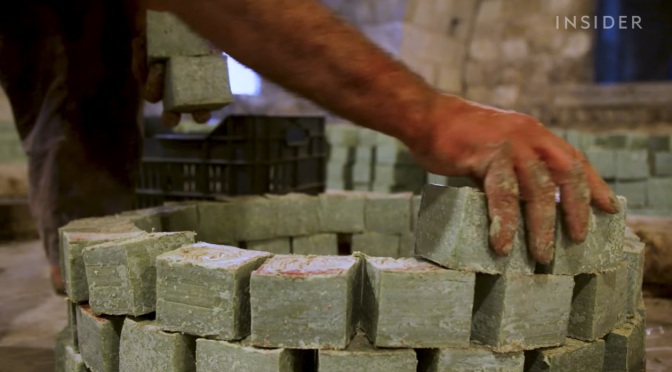
Insider Business (July 28, 2023) – Artisans have been producing traditional olive oil soap at Masbanat Awaida for over 140 years. A century ago, there were dozens of soap factories like this in Tripoli, Lebanon. Today, Masbanat Awaida is the only one remaining.
Thursday, May 25, 2023: Florida governor Ron DeSantis launches his presidential bid, we examine the state of Hungarian democracy and French far-right politician Marine Le Pen is hauled over the coals at a hearing investigating Russian influence in the National Rally party.
Wednesday, May 24, 2023: Political and financial instability in Lebanon; the US and India vie for influence in the Pacific Islands as China looms large; and South Korea’s Nuri rocket is set to launch from the Naro Space Center.
The Globalist, April 7, 2023: Ukraine clarifies its stance on Crimea. Plus: an eventful week in Chinese foreign policy, depictions of mafia in the media and the latest theatre news.
January 20, 2023: Defence leaders from dozens of countries and Nato meet at Ramstein Air Base to discuss arming Ukraine. Plus: China’s latest censorship crackdown and the ongoing political crisis in Lebanon.
Vladimir Putin and Volodymyr Zelensky make public statements about the war in Ukraine. Plus: Lebanon remains without a president, the latest culture news and the Tokyo baseball stadium that’s under threat.
Lebanon is now going through the worst economic crisis in its history. 80 per cent of the population lives below the poverty line. In one year, food prices have jumped 500 per cent due to galloping inflation. Lebanon was long regarded as the Switzerland of the Middle East.
But those days are gone. A series of crises have plunged the nation into the abyss. And its people are suffering. For Riad, who runs a grocery store in the suburbs of Beirut, business has become hellish. Every morning, calculator in hand, he changes the labels of his products according to the day’s exchange rate. An operation made all the more complex by the fact that his store is plunged into darkness, due to a lack of electricity.
The Lebanese government no longer provides more than two hours of electricity per day in the country. It is impossible for the population to heat, light or use their refrigerators. Taking advantage of the situation, a network of private generators has emerged. The Lebanese pound, the local currency, has lost 90 per cent of its value.
The only people unaffected are those paid in dollars. The greenback, which can be exchanged for a small fortune against the local currency, has created a new privileged social class in the country. A salesman in an international pharmaceutical company, Joseph lives like a king in a ruined Lebanon. Thanks to his new purchasing power, he repaid his mortgage in two months, instead of… twenty years!
In a bankrupt state, plagued by corruption, six out of ten Lebanese now dream of leaving the country. In Tripoli, in northern Lebanon, Mohammed and his son set out for Germany by sea. Even though the trip was cut short off the Turkish coast, the young father is still ready to take all possible risks to reach the European Eldorado.
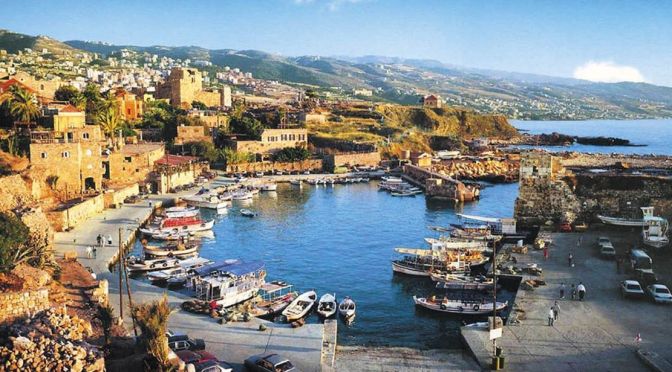
Byblos is a Mediterranean city in Lebanon, one of the oldest continuosly inhabited cities in human history (since 5000 BC). Many great civilizations left trace in Byblos’ history, including Egyptian, Phoenician, Assyrian, Persian, Hellenistic, Roman, Fatimid, Genoese, Mamluk and Ottoman. Byblos is a UNESCO World Heritage Site.
Recorded April 2022 in 4K Ultra HD.
News, Views and Reviews For The Intellectually Curious




 Insider Business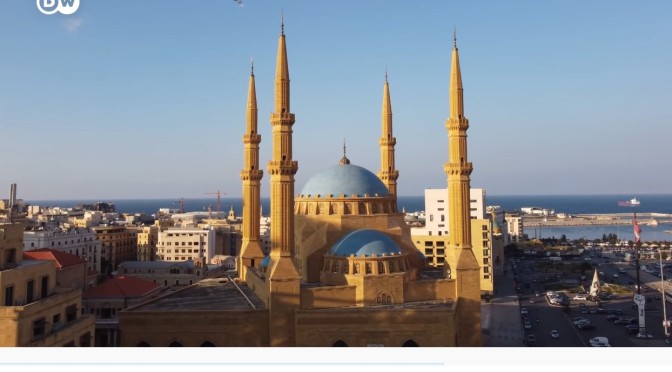
 Boomers Daily