Tag Archives: July 2022

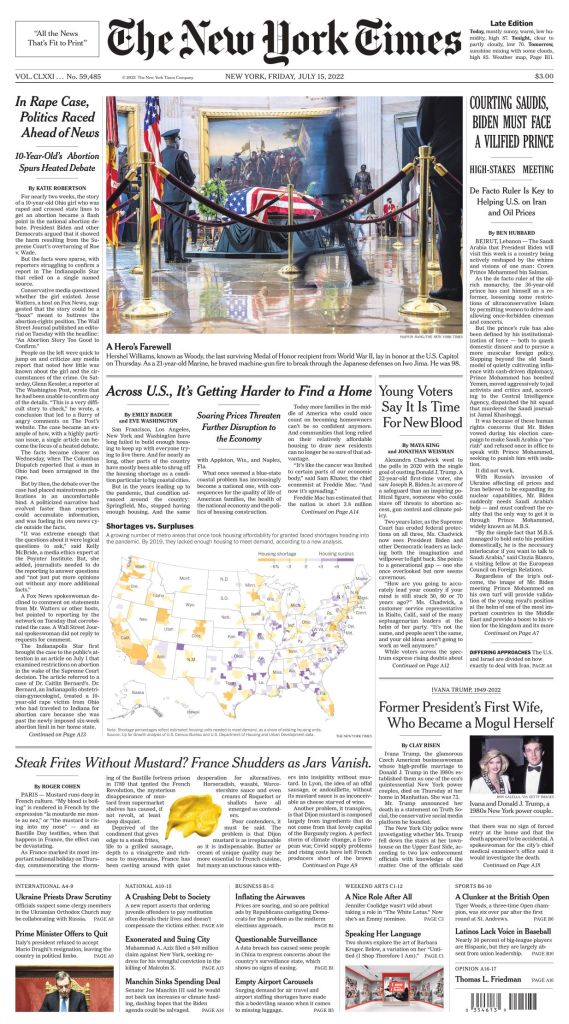
Morning News: Biden In Israel & Saudi Arabia, Latin America Sex Ed, Dinosaurs

Joe Biden lands in Saudi Arabia this morning, having spent two unremarkable days in Israel and the West Bank.

As president, he has been unusually disengaged from the Middle East, and will probably return home with little to show for his peregrinations. We survey the state of sex education in Latin American schools, and explain why dinosaurs outcompeted other species.

Cover Preview: Science Magazine – July 15, 2022

Image

SCIENCE – 15 JUL 2022

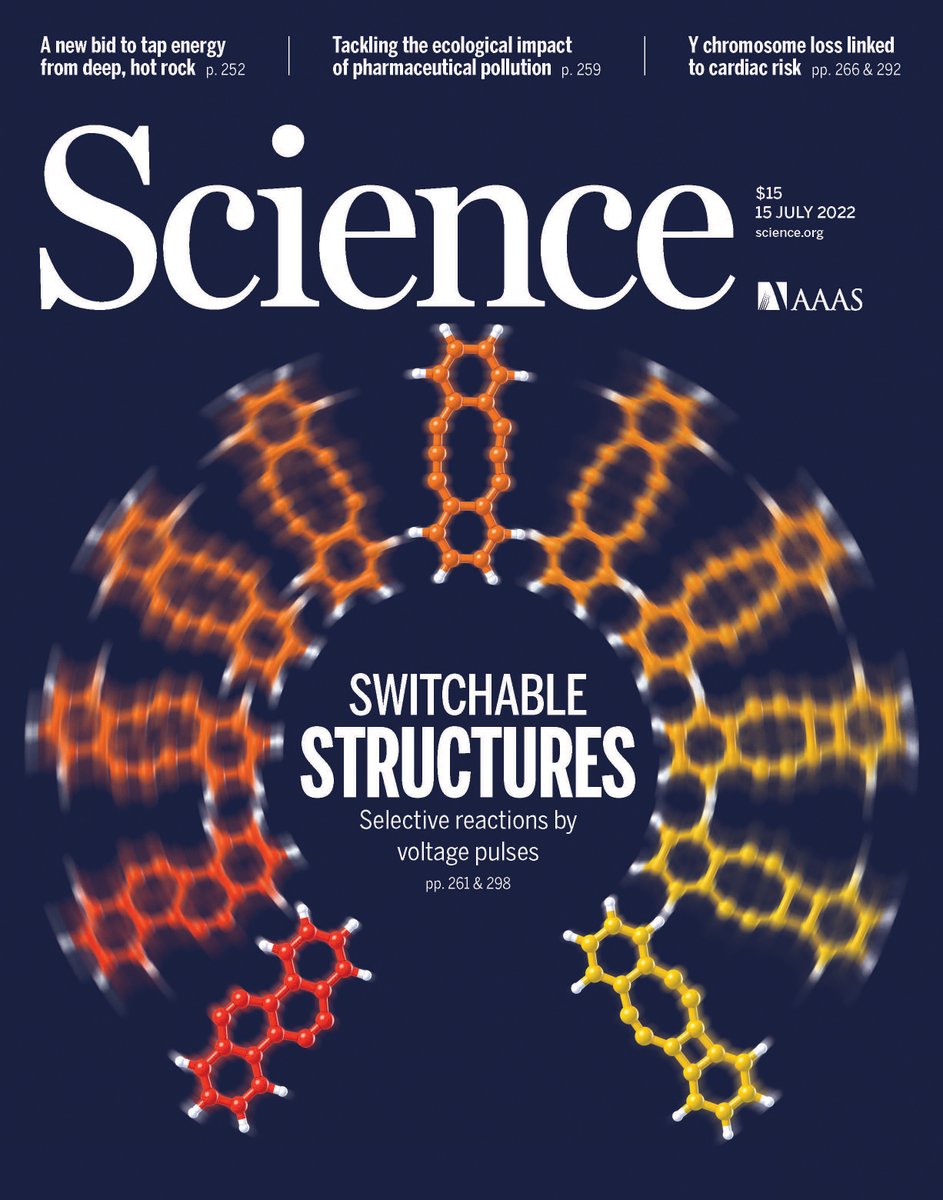
COVER: Voltage pulses from the tip of a scanning probe microscope induce single-molecule chemical reactions with selectivity and reversibility. Different constitutional isomers (distinguished here in shades of red, orange, and yellow) are selected by the polarity and magnitude of the voltage pulse. The findings advance the understanding of tip-induced chemistry and reduction-oxidation reactions in general. See pages 261 and 298.

Check out what’s new this week in Science: https://fcld.ly/uc4b5kh

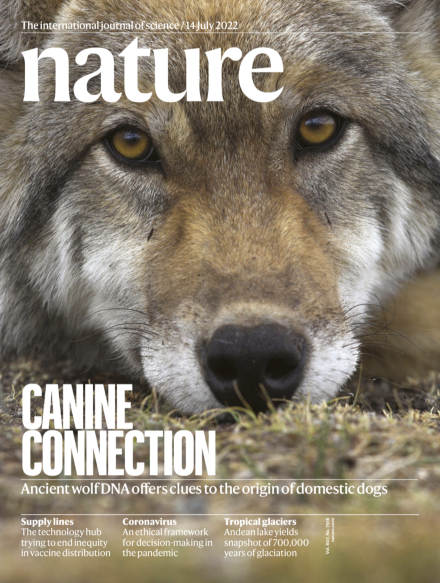
Science Preview: Nature Magazine – July 14, 2022

 Volume 607 Issue 7918

Nature Magazine – July 14, 2022 Issue

Canine connection

Although the domestic dog can trace its origins to the grey wolf (Canis lupus), exactly when, where and how domestication happened has remained a source of debate. In this week’s issue, Anders Bergström, Pontus Skoglund and their colleagues, take a step towards resolving this question. The researchers analysed the genomes of 72 ancient wolves from across Europe, Siberia and North America, and spanning the past 100,000 years. They found that dogs are most closely related to ancient wolves from eastern Eurasia but that dogs in the Near East and Africa derive

 up to half their ancestry from a distinct population related to modern southwest Eurasian wolves. Although none of the genomes analysed was a direct match for either dog ancestry, the researchers say that it has narrowed down where next to look for the ancestors of domestic dogs.


Morning News: World Food Insecurity, Horn Of Africa, Rise Of U.S. Dollar

A.M. Edition for July 14. The World Food Program says higher food and fuel costs, due in part to the war in Ukraine, have pushed an additional 47 million people into food insecurity since March.

WSJ Africa deputy bureau chief Gabriele Steinhauser discusses the impact in the Horn of Africa. Plus, a look at what is behind the strength of the U.S. dollar against the euro and the yen. Annmarie Fertoli hosts.

Preview: New Scientist Magazine – July 16, 2022

New Scientist Default Image

COVER STORIES

  • FEATURES – Bees vs wasps: Which insect is really worthy of all the buzz?
  • FEATURES – How many knots exist? A new computing trick is untangling the answer
  • FEATURES – How to go rock pooling: The surprising science on your nearest beach

Preview: London Review Of Books – July 21, 2022

Image

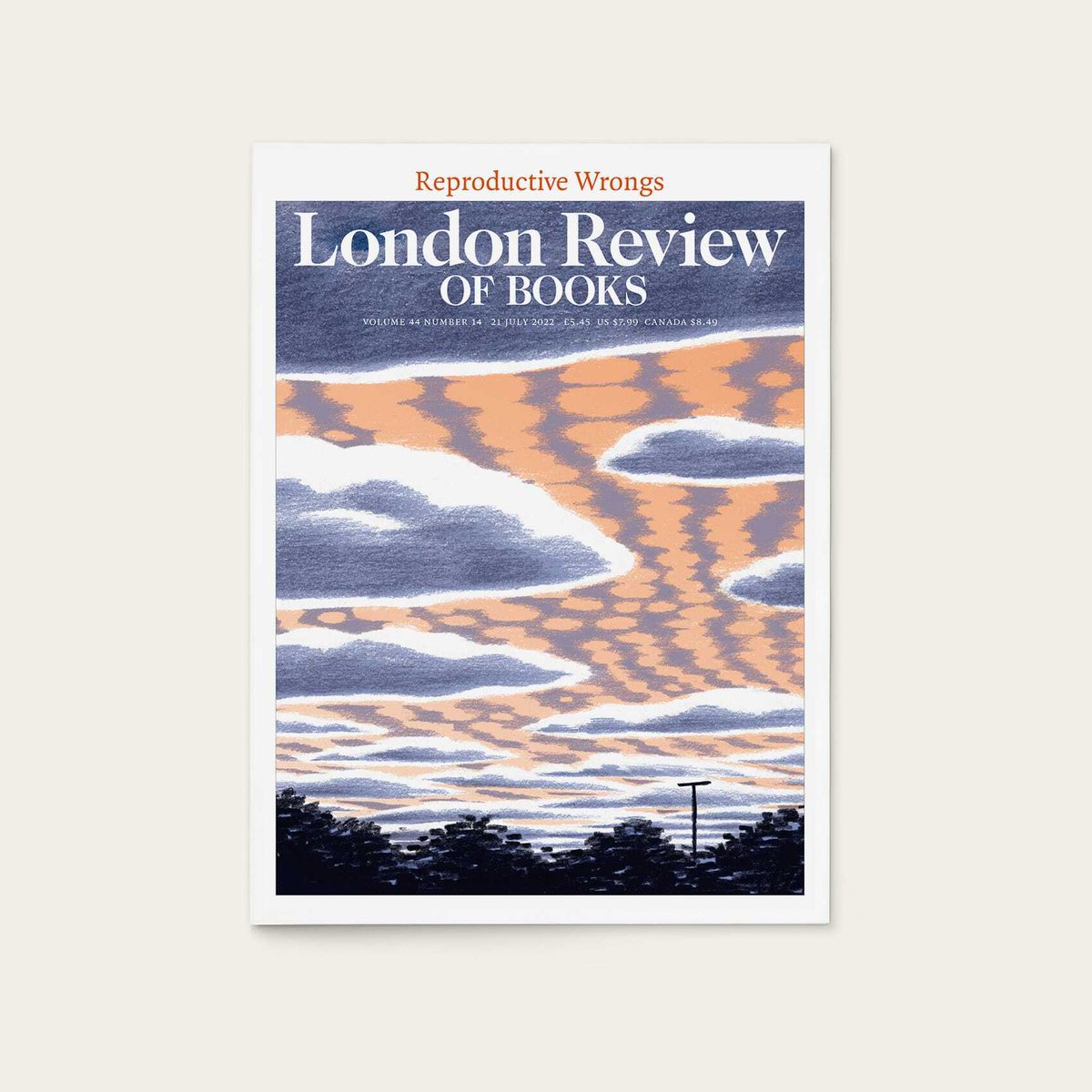
Our new issue is now online, featuring 29 responses to the overturning of Roe v. Wade, Barbara Newman on medieval sanctuary, @moonjets on Shelley, Mimi Jiang on the end of Shanghai’s lockdown and @mmschwartz on the Bataclan verdict. https://lrb.co.uk

Preview: TLS/Times Literary Supplement – July 15, 2022

Image

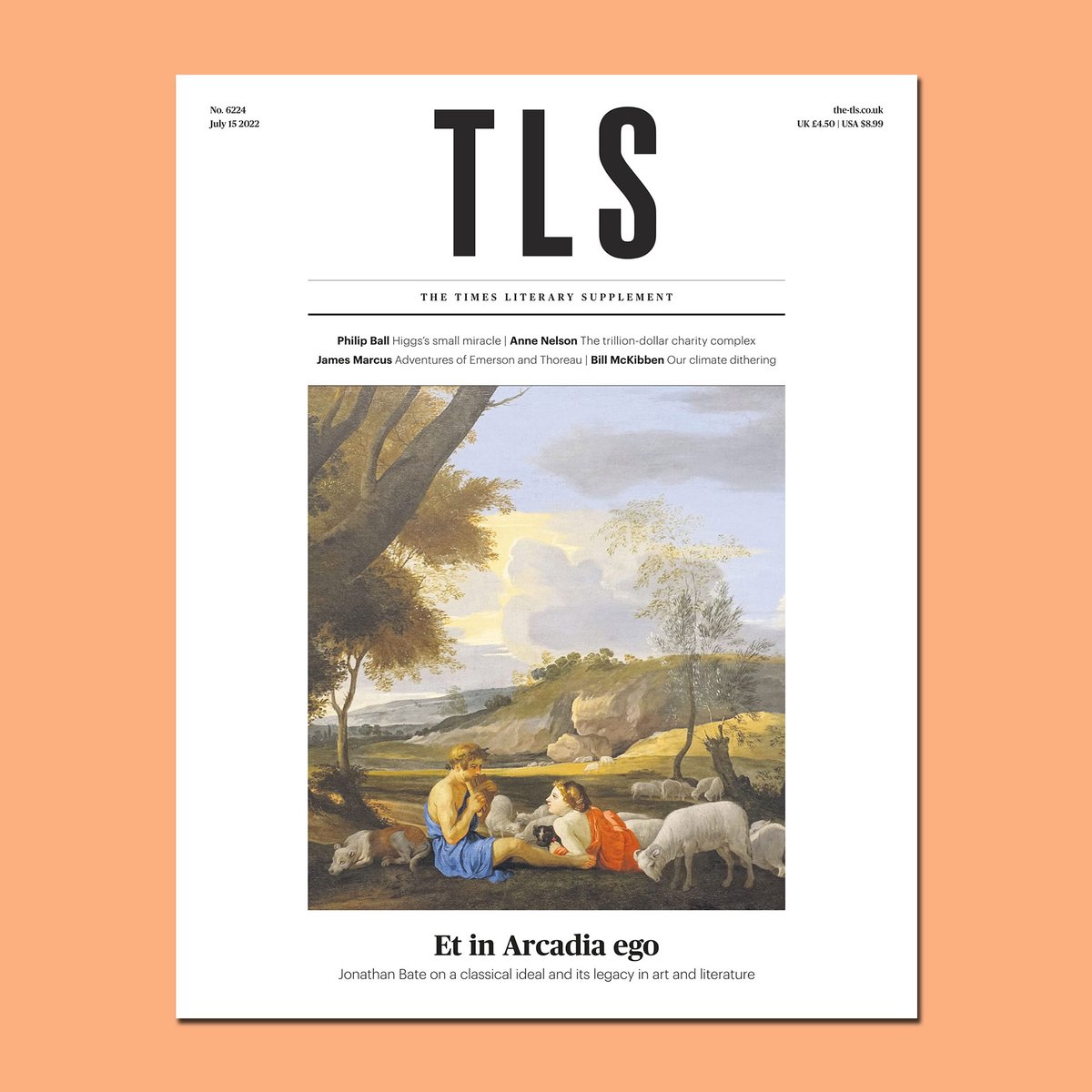
This week’s TLS, featuring @profbate on Arcadia in art and literature; @philipcball on Peter Higgs; @anelsona on philanthropy and inequality; @billmckibben on our climate turning point; @jamesamarcus on Emerson and Thoreau; @ScurrRuth on open-air painting – and more.

Morning News: Brutal Imprisonment Of Alexei Navalny, Fertility Rates

Alexei Navalny, Russia’s most prominent opposition figure, has been transferred to a brutal prison. Other Kremlin opponents have been imprisoned or exiled, as Russia has grown more repressive since invading Ukraine.

The world’s population will hit 8bn this year; we discuss which regions are growing and which are not. And why clear wine bottles are a bad idea.