Tag Archives: Italy

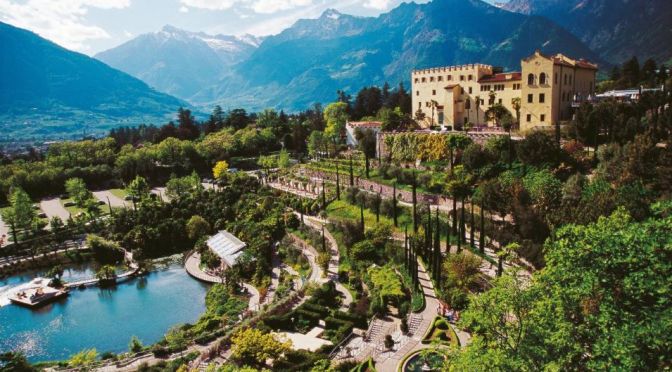
Views: Merano In South Tyrol, Northern Italy (4K)

Meran or Merano is a city and comune in South Tyrol, northern Italy. Generally best known for its spa resorts, it is located within a basin, surrounded by mountains standing up to 3,335 metres (10,942 feet) above sea level, at the entrance to the Passeier Valley and the Vinschgau.

In the past, the city has been a popular place of residence for several scientists, literary people, and artists, including Franz Kafka, Ezra Pound, Paul Lazarsfeld, and also Empress Elisabeth of Austria, who appreciated its mild climate. Meran is on the borderline between several climates. Officially, it has an oceanic climate. However, it is close to being humid subtropical due to the mean temperature in July being just under 22 °C; even on those terms, the overnight lows in the winter bring the mean temperatures low enough for the city as a whole to have continental influences with more distinct seasons.

The area is well known for its wines, both white and red, and vineyards extend right into the city. The local wine, Meraner Leiten (Meranese di collina), is a light red wine, best drunk young. There are also extensive orchards, and apples are exported throughout Europe. The Forst Brewery on the edge of the city produces a popular range of beers, sold throughout northern Italy.
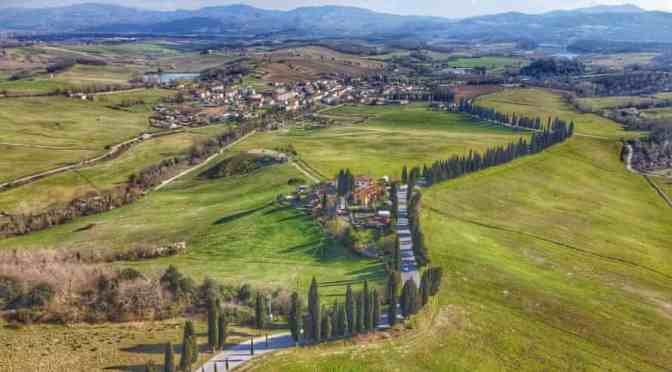
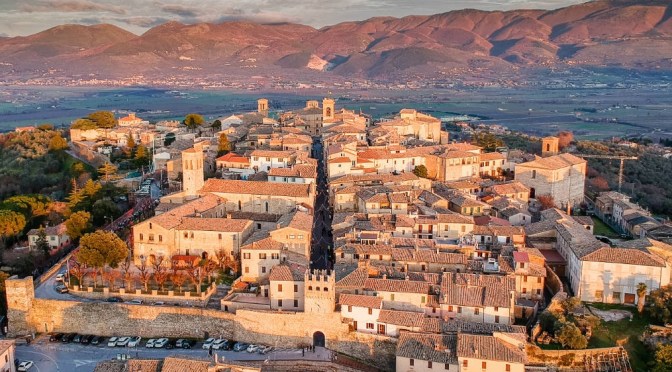
Village Views: Galliano di Mugello In Tuscany, Italy

The village of Galliano di Mugello, in Tuscany, is a little more tranquil than many Italian towns, because it has no mobile service. But it’s not alone, as Italy ranks near the bottom of the European Commission’s index of digital competitiveness. Correspondent Seth Doane pays a call to a medieval town whose residents face challenges fostered by the “digital divide.”

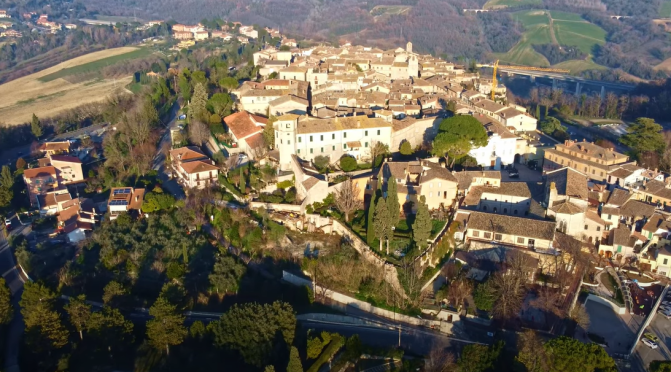
Village Walk: Montefalco In Umbria, Central Italy

Surrounded by vineyards and olive groves, Montefalco overlooks the plains of the Topino and Clitunno rivers from the top of a hill. For this favorable panoramic position, from 1568 he was given the title of Ringhiera dell’Umbria. From here, on clear days, it is possible to admire a 360 ° panorama that stretches from Perugia to Spoleto, from the Subappennino to the Martani Mountains.

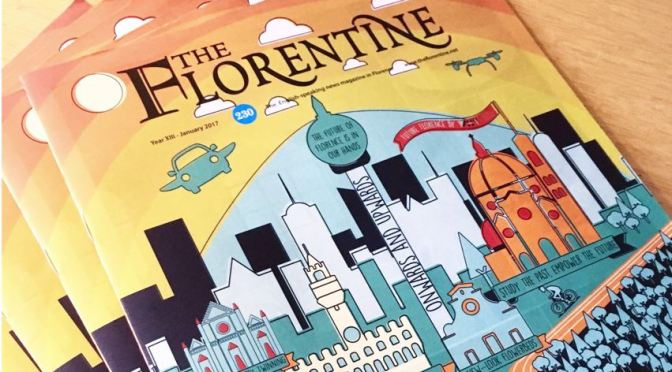
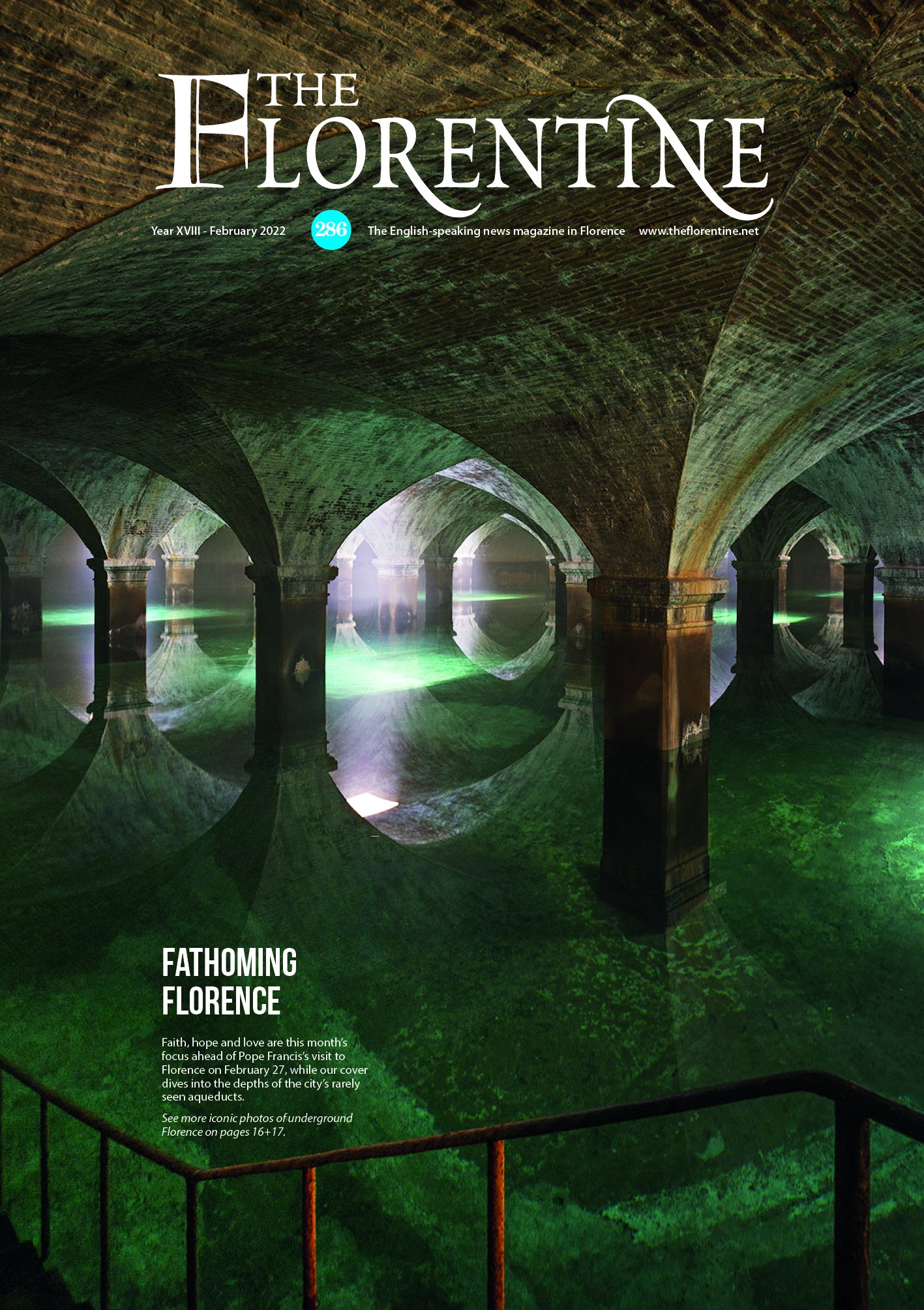
Preview: The Florentine Magazine – February 2022

Image

Morning News: NATO’s Resurgence, Italy Elects A President, Nuns On TikTok

Our correspondent speaks with Jens Stoltenberg, NATO’s secretary-general, who says the alliance’s involvement in de-escalating Russia tensions is a sign of its resurgent relevance.

After tortuous votes, Italy’s lawmakers elected a president: the incumbent who did not want the job. No posts have changed, but the political balance surely has. And we meet the nuns racking up followers on TikTok. 

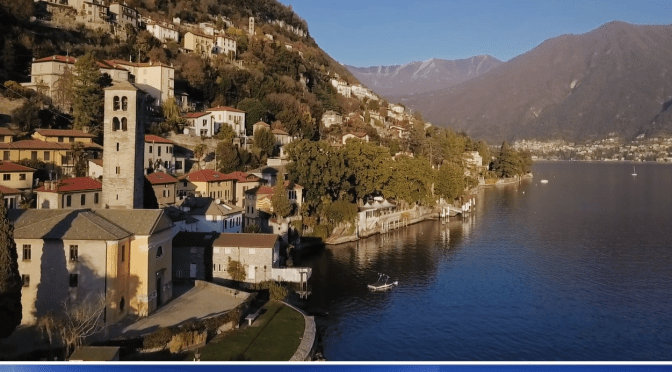
Aerial Views: ‘In Lombardia’ Of Northern Italy (4K)

Lombardy is a region in Northern Italy. Its capital, Milan, is a global hub of fashion and finance, with many high-end shops and restaurants. Its Gothic Duomo di Milano cathedral and Santa Maria delle Grazie convent, housing Leonardo da Vinci’s painting of “The Last Supper,” testify to centuries of art and culture. North of Milan, Lake Como is an upscale alpine resort with dramatic scenery. 

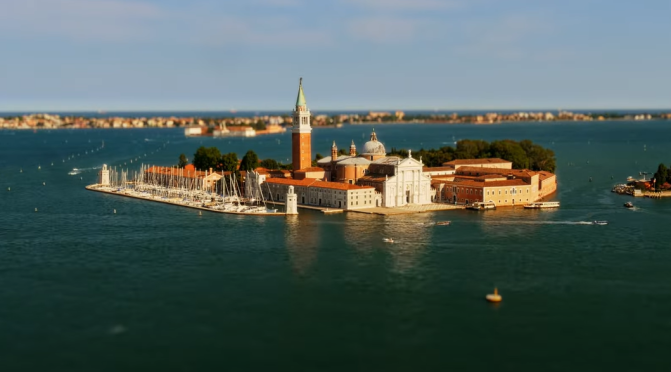
Tilt-Shift Views: Cities & Landscapes Of Europe (4K)

This is a short compliation with some of the best shots from all Little Big World episodes that were released in 2021. Pandemic-wise there are mostly episodes from Europe except for the Los Angeles film, which was shot pre-pandemic.

Chapters 00:00 Ore Mountains, Germany 00:21 Hallstatt, Austria 00:31 Moldova 00:47 Venice, Italy 01:02 Danube Delta Romania 01:10 Romania 01:33 Sofia, Bulgaria 01:45 Los Angeles, USA 01:55 Garmisch-Partenkirchen, Germany

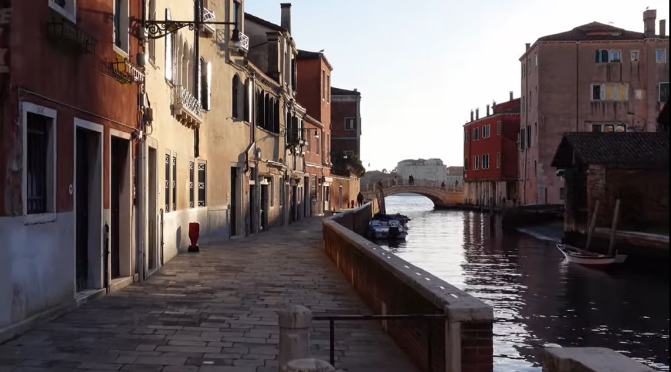
Walking Tour: Dorsoduro District In Venice, Italy (4K)

Dorsoduro is Venice’s university district and the streets around the Campo Santa Margherita are filled with unpretentious eateries, indie shops and vintage fashion boutiques. After dark, informal bars draw a young local crowd. Important cultural destinations here include the Gallerie dell’Accademia, for classic Venetian masterpieces, and the waterside Peggy Guggenheim Collection, which houses modern works.

Timeline: 0:00:00​ – Intro 0:01:0​9 – FONDAMENTA ZATTERE AL PONTE LONGO 0:06:58​ – SOTOPORTEGO FIORAVANTE 0:07:47 – PONTE DE LA SCOAZZERA 0:08:33 – CAMPO S. TROVASO 0:09:04 – FONDAMENTA BONLINI 0:09:53 – PONTE S. TROVASO 0:10:27​ – FONDAMENTA NANI 0:13:26​ – FONDAMENTA ZATTERE AI GESUATI 0:18:48​ – FONDAMENTA BRAGADIN 0:20:58 – CAMPO SAN VIO 0:21:50​ – CALLE NUOVO SANT’AGNESE 0:23:33​ – PONTE DELL’ACCADEMIA 0:26:06​ – CAMPIELLO S. VIDAL

Village Walks: Bassano In Teverina, Central Italy (4K)

Bassano in Teverina is a comune in the Province of Viterbo in the Italian region Latium. It is inhabited by 1,332 people and is located about 90 kilometres north of Rome and about 20 kilometres northeast of Viterbo. 

The origin of the town is extremely uncertain. The ending of the name, derived from the Latin adjectival suffix -anus, takes back to Roman times and, together with the root of the name, seems to remember the family name (Bassus) of a character who owned large estates in the area: Bassus – Bassanus – Bassano.

The town center of Bassano in Teverina arises on a tuff spur set in a slightly rearward position compared to the Tiber Valley, of which it overlooks one part. Downstream from the city center, not far away from the Tiber, lies Lake Vadimo, locally known as the “Pond”, described by Pliny the Younger as “a lying wheel with a regular circumference […] paler, greener and more intense than the sea.”

In Roman times the lake, called Lacus Vladimonis, besides being larger was also considered sacred: near its shores, the Etruscans performed rituals and periodic celebrations, while in its waters the Romans immersed their weapons to make them invincible.

The little center was already inhabited in Etruscan times but was abandoned during the domination of Romans, who conquered the whole surrounding area, taking the territory thanks to two bloody battles: the first in 309 BC, under the leadership of the consul Quintus Fabius Rullianus, and the second in 283 BC, with which they finally defeated Etruscans and Senones.