
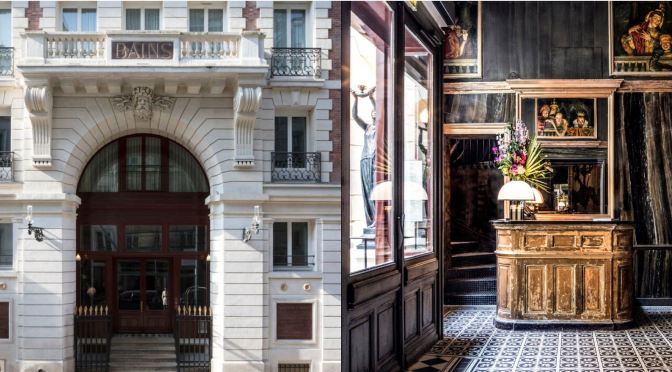
From a The Spaces online review:
French literary greats Marcel Proust and Émile Zola visited Les Bains after its opening as a bathhouse in the late 19th century. Decades later in 1978, designer Philippe Stark transformed the place into a nightclub, welcoming a different calibre of guests through its doors. David Bowie, Mick Jagger and Karl Lagerfeld were among the people to make a splash at this Paris institution.
The new Les Bains hotel, revamped by architect Vincent Bastie, features a restored grand entrance that stays true to its Haussmannian roots. Designers Tristan Auer and Denis Montel were drafted in to design the interiors, while outdoor areas have also received an update, including the courtyard, opened up to draw in more light.
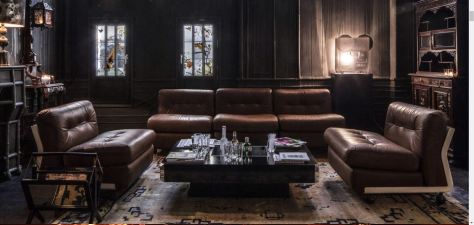
Les Bains, the iconic Paris nightclub, has reopened as a 39-room hotel five years after partygoers last enjoyed a drink and a dance. It’s the latest chapter in the life of the 1885 Haussmannian building, which has played host to a who’s who of the creative world.
Les Bains will retain its famous party spirit when the bar, club and restaurant open later this month. And the likes of Jagger and Bowie might still feel the need to let their hair down when they step onto the dance floor, which mimics Stark’s chequered design from 1978.

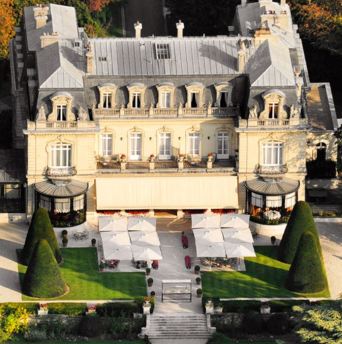 Champagne is a lot bigger than it seems. Vineyards can be up to an hour away from each other depending on traffic, so it’s best to pick a home base in the heart of the region. The luxurious Domaine
  Champagne is one of those places in the world that there’s truly no bad season to visit. Yet, before you let the bubbles get to your head, remember to plan everything in-advance as many vineyards are small, independently owned, and can’t always accommodate walk-ins. The place is also very spread out, so you should consider renting a car or hiring a driver if you’re booking several tastings. Luckily, getting to Champagne is easy, as it’s only a two-hour train ride from Paris. In fact, some travelers even opt to
 FINICKY WESTERN EATERS would still be relieved to find filet mignon on the French menu of the hotel, now known as the Nikko Kanaya, a 90-minute drive from Tokyo. The dining room itself looks much as it did when it first opened, in 1893 and eagle-eyed diners might notice that the wooden pillars are decorated with flower carvings that echo those of the nearby Toshogu shrine. The views from the guest rooms are likewise unchanged—forest-covered mountains in the background, the same fastidiously manicured gardens in the foreground that the Einsteins strolled in 1922. Other parts of the hotel feel mildly haunted, like a Japanese version of “The Shining.” The wood-paneled lobby is well worn, stairwells creak noticeably and a shadowy cocktail bar features fading black-and-white photos of forgotten ’20s parties, with men in tuxedos and women in frocks smiling at the camera.
 The presence of the inn itself demands this kind of myth-making. Its hulking imperfections, hidden staircases and infinite doorways, narrow pathways and intricate stonework, call to mind an honest, handmade world, where times were slower and things made to last. Rumors of its past are worn proudly on its proverbial sleeve — stripped wood where there once was a second floor balcony, prominently displayed plaques of historic register, mismatched sediments of historic photos, the speckled outline of a dart board and creaking floorboards. The front door was originally the back door because most guests arrived by boat.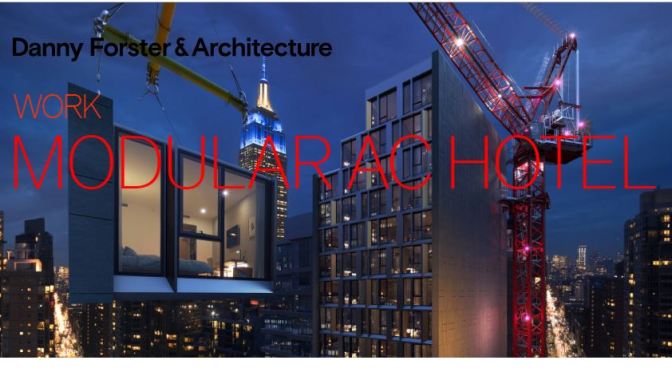
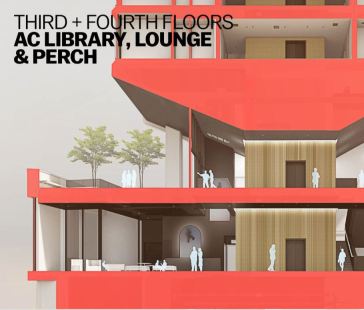 This Volumetric High-Rise Modular Hotel will be the world’s tallest modular hotel and one of the most stylish, combining modular efficiency with architectural flair. AC by Marriott at 842 6th Avenue, New York City, will be the tallest modular hotel in the world when it opens in early 2020. But it won’t just be a step up for modular design, it will be a step forward. The building leverages the advantages of modular construction, uses cutting-edge proprietary technology to address potential drawbacks, and, most importantly, put to rest the idea that a modular building can only be the sum of its factory-made parts.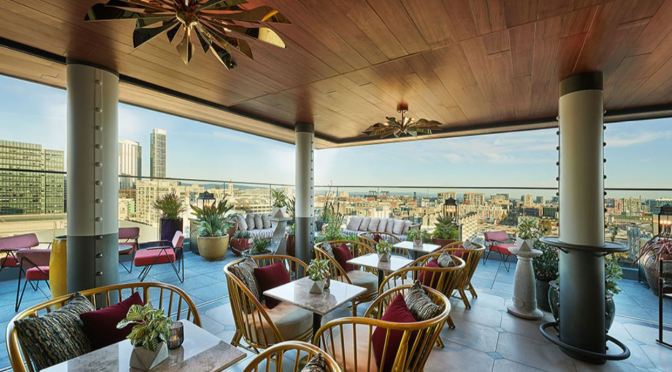
 A more recent addition to San Francisco’s rooftop bar scene is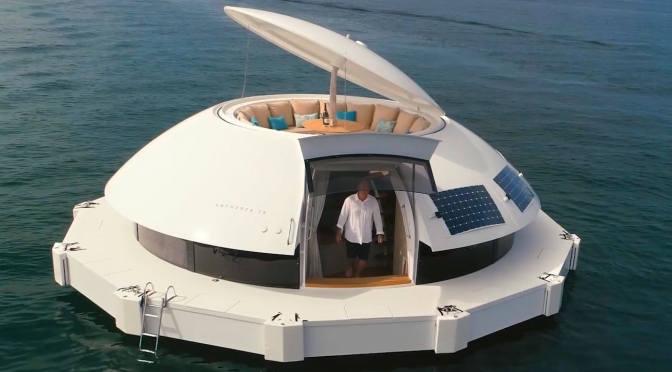
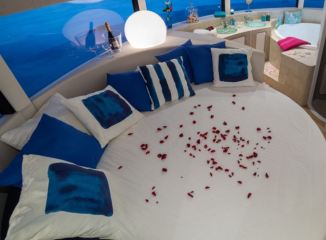 The domed capsule is the brainchild of naval architect Jean-Michel Ducancelle, who was
 Despite the overwhelming presence of boutique inns along the Atlantic, they’re not a strictly East Coast commodity. Case in point: Sonoma’s Farmhouse Inn.
  Beyond its aesthetically-pleasing interiors, the inn also knows a thing or two about food—starting with a nightly turndown service that includes homemade cookies and milk, and ending with the
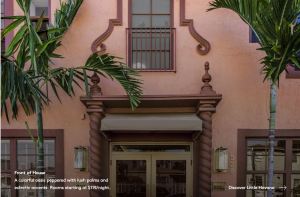 By next year, Zeidan expects Life House to have more than 20 hotels open or under construction across the country, with new developments in Brooklyn, N.Y.; Denver, Colo.; and Lake Tahoe, Nev. “Ninety percent of our hotels are historic buildings that we convert and re-imagine into lifestyle products,” he told HM. In developing each property, the company’s creative team examines both the logistics of the asset and the narrative of the building and its location. “Historic buildings have a tremendous amount of stories and inspiration to draw from,” said the executive.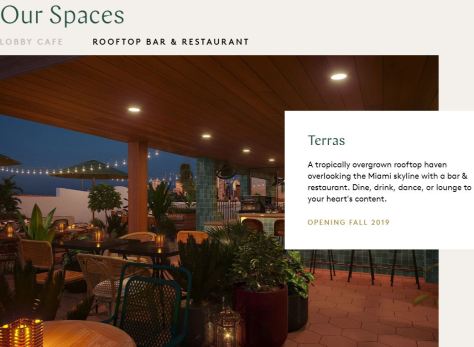
 Boomers Daily