From a Dwell.com online review:
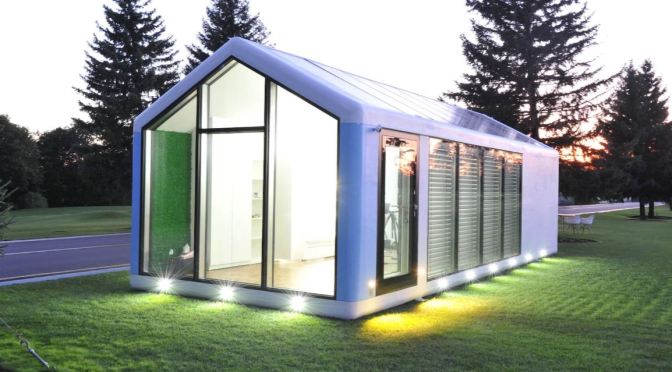
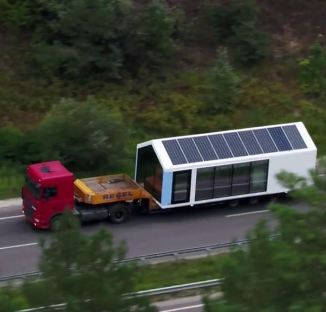 Haus.me is aimed at the luxury market, with pricing starting at $199,999 for the grid-connected base model, which can be customized to include off-grid technologies and other add-ons and finishes.
“We have plans to make it more affordable, but right now the key point is that we use high-quality finishes, natural wood, expensive electronics, built-in furniture, smart appliances, and more,” says Gerbut. “It’s a luxury dwelling and vacation home that you can install anywhere in the world.”
After years of research and prototyping, haus.me is now officially accepting sales—and last month they completed their first delivery: a fully autonomous 400-square-foot mOne unit in Ukraine that runs entirely on solar power.

What makes the haus.me product different is how it’s built, says Gerbut. “When someone starts building a house, they usually start with the frame and then go to insulation, but we did it the opposite way. We developed a patented composite polymer insulation that can also be 3D printed into a construction material for building walls.”
Website: https://haus.me/
To read more: https://www.dwell.com/article/hauseme-3d-printed-off-grid-prefab-house-1c2afec7?utm_medium=email&utm_source=postup&utm_campaign=&list=1

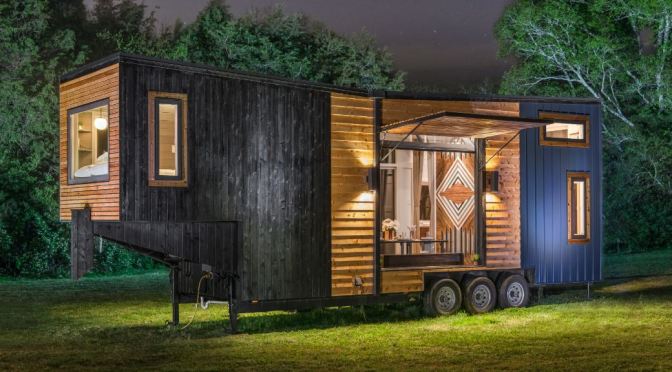
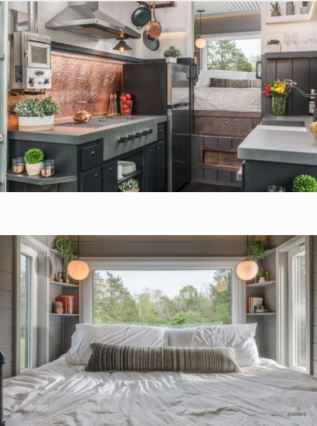 Chef’s Kitchen
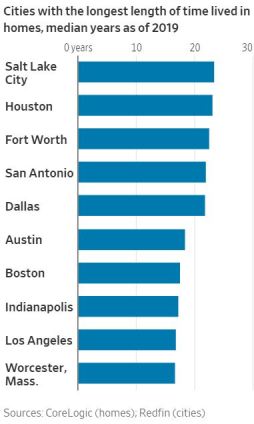 Economists say aging baby boomers are the biggest culprits because many are staying healthier later in life and choosing not to downsize. Some look around at the lack of smaller, less expensive homes and are loath to get into bidding wars with their children’s generation to get one.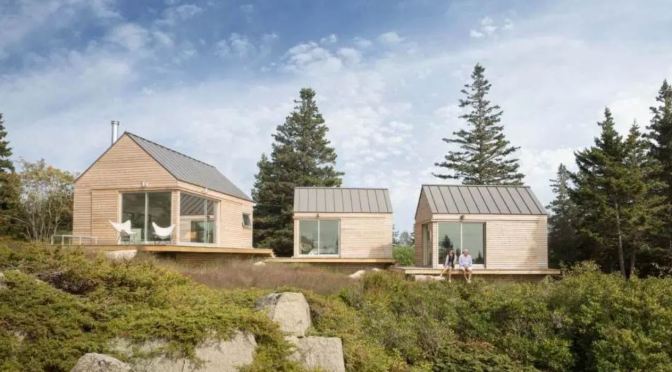
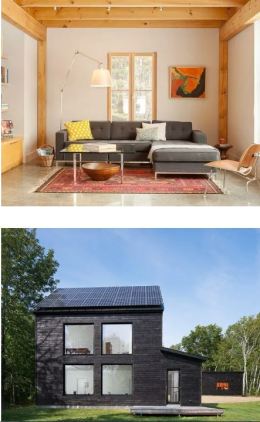 To meet Passive House standards, the Cousins River Residence features an airtight building envelope, triple-glazed windows with a u-value of 0.16, a heat recovery ventilation system with 90% efficiency, and a 4.6 kW south-facing photovoltaic array on the garage roof that makes the house nearly net-zero energy.
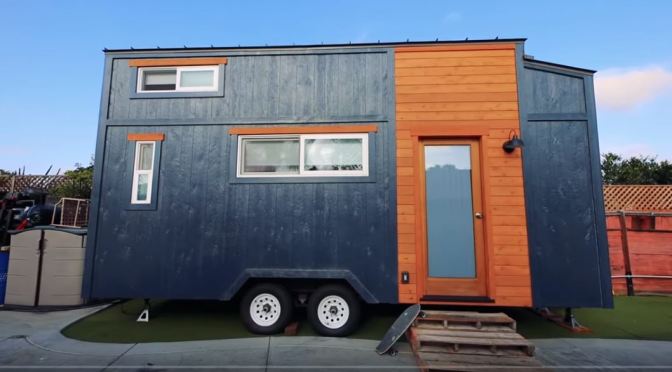
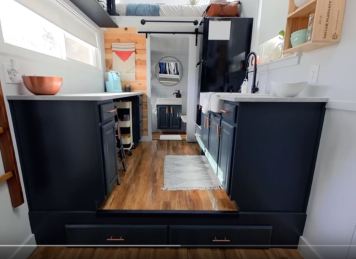 Amazingly, this high-end home was constructed for an unbelievable budget of only US$25,000, a testament to Saul’s perseverance with the DIY build and the couple’s clever sourcing of materials. That means this entire home was built for around the same amount of money that the couple would normally spend on one years rent living in San Diego.
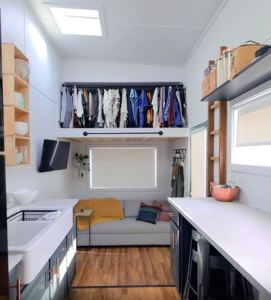 beautiful, modern tiny house, and best of all, they have pulled off the entire build for a budget equivalent to just a years worth of rent in San Diego. In this weeks episode, we explore this stunning tiny house and meet its builders.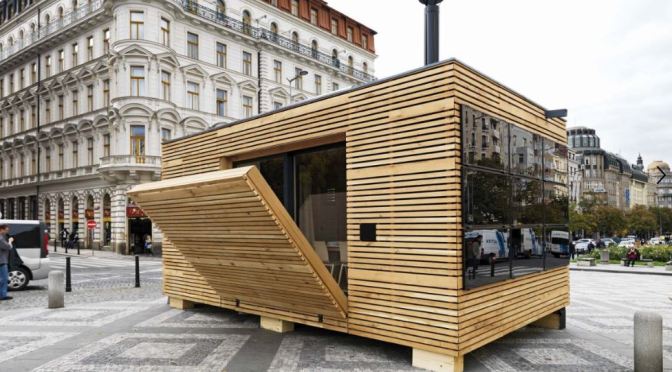
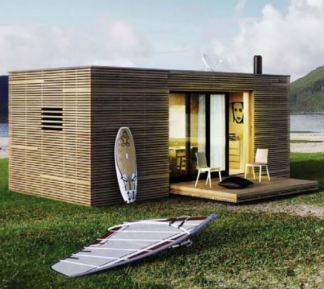 Freedomky offers a unique way of living that combines thoughtful design, style purity and uncompromising material quality. Freedomky are charming houses you just choose and then move right in. You don’t have to follow it; it comes wherever you decide. A pleasant space with minimal energy requirements, it’ll hook you immediately. Once you enter, you’ll understand. Maybe you’ll start to live a little differently, freely. Freedomky is not just a house, it’s a lifestyle.
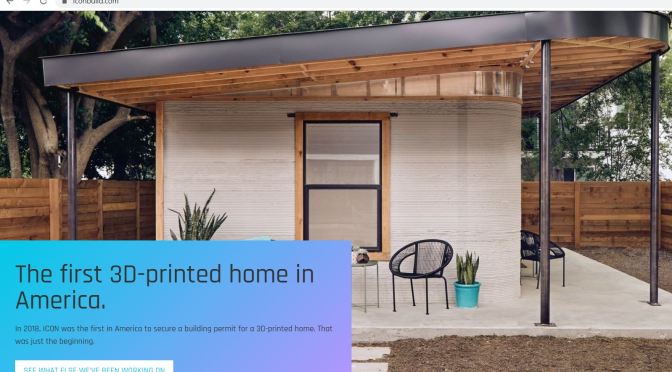
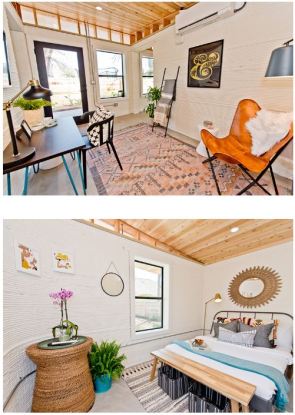 ICON, which uses robotics, software, and advanced materials (including its proprietary “Lavacrete”) to remove numerous barriers in the contemporary building industry, debuted its first 3D printer and the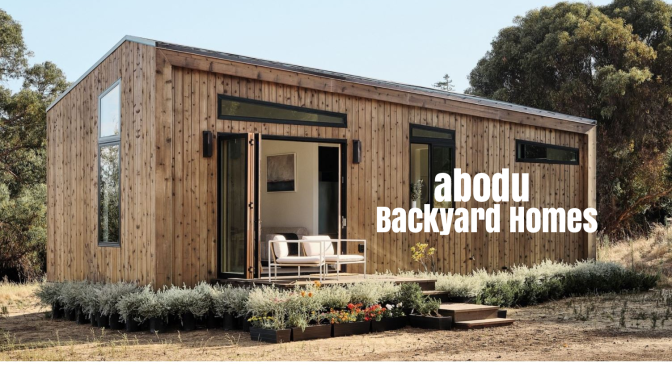
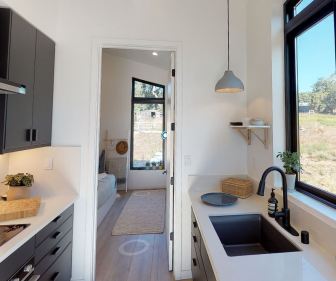 Having gained this pre-approval status, Abodu said one of its units can be installed in a backyard in as little as two weeks.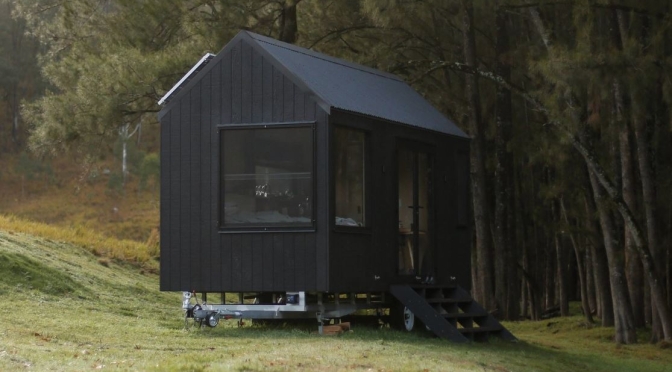
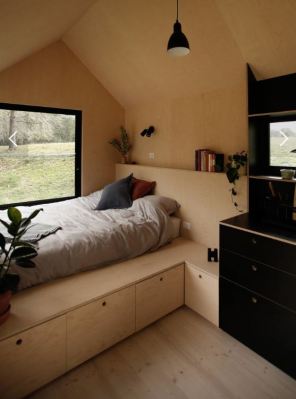 the lightweight timber structure is built on a wheeled chassis and clad in matte black weathertex, a locally sourced material made from forest thinnings and other industry by-products in the production process. the off-grid cabin features built-in joinery that blends seamlessly with the interior lining and cathedral ceiling so that this sense of openness is preserved.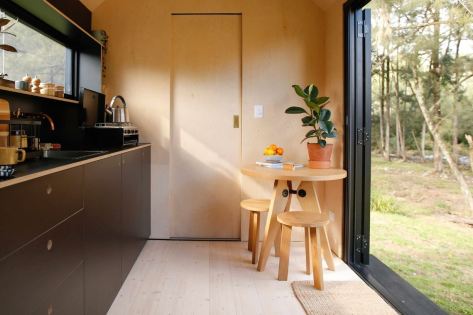
 Boomers Daily