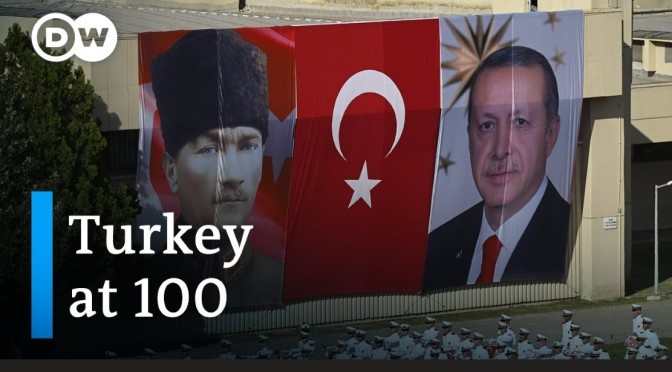
DW News (October 29, 2023) – Turkey is celebrating its 100th birthday. Events are taking place across the country to mark the anniversary of its founding.
In the capital Ankara, Pesident Recep Tayyip Erdogan laid a wreath at the mausoleum dedicated to Mustafa Kemal Ataturk, the country’s founder, who created a modern, secular republic from the ruins of the Ottoman Empire in 1923.
The centennial is also a personal milestone for Erdogan, who has been in power for more than 20 years. But challenges loom large as Turkey looks to the future. More from our correspondent Julia Hahn in Istanbul.
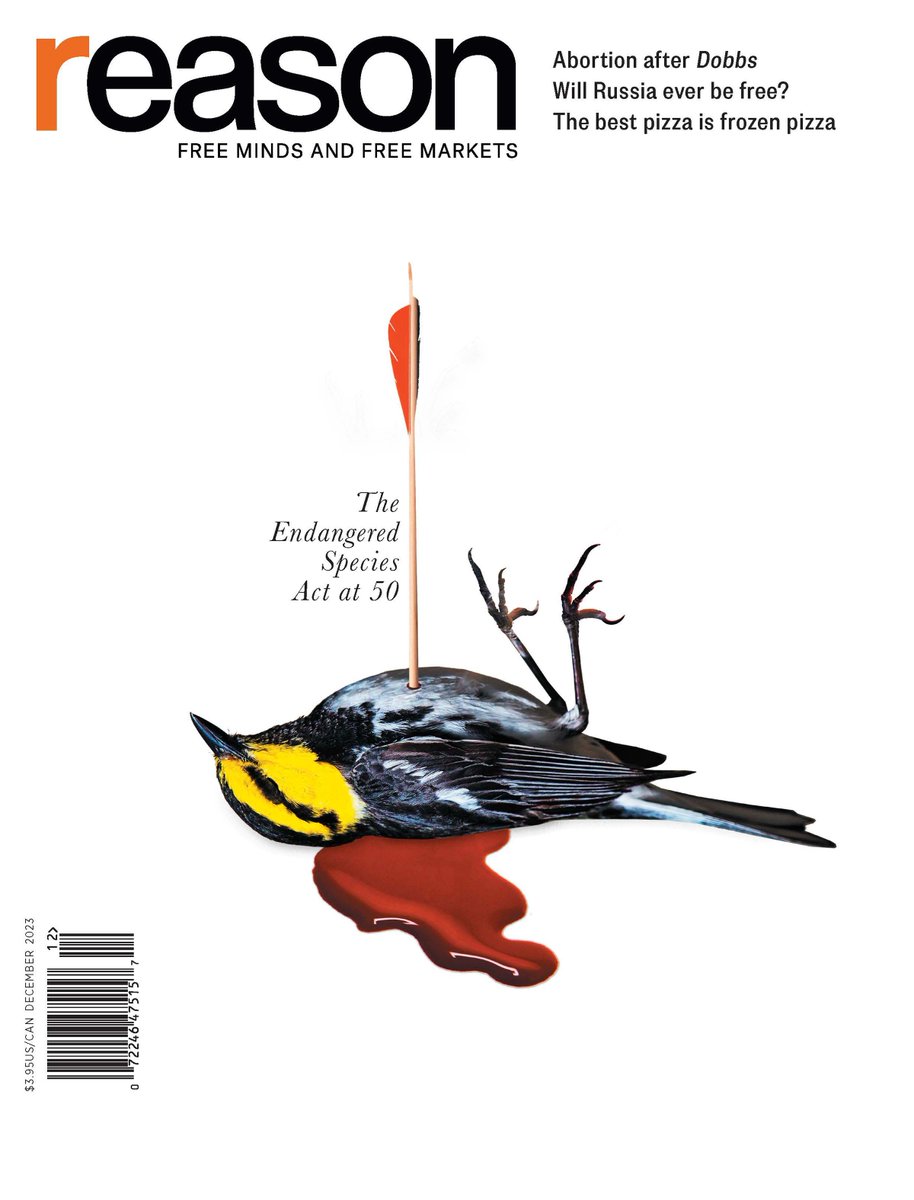
REASON MAGAZINE (DECEMBER 2023) – The latest issue features The Endangered Species Act at 50 – Why have so few species been taken off the endangered species list?; Dobbs and the abortion debate is reshaping American Politics; Will Russia ever be free?, and more…
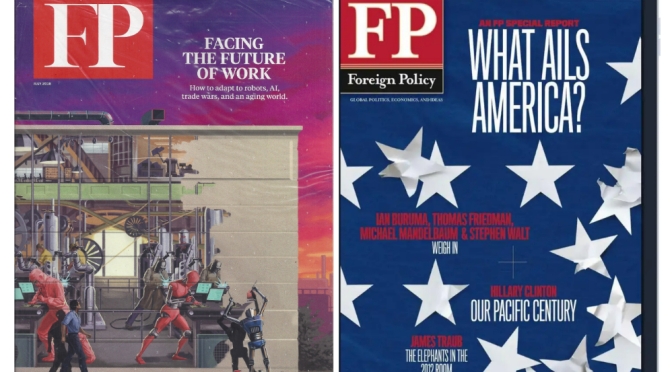
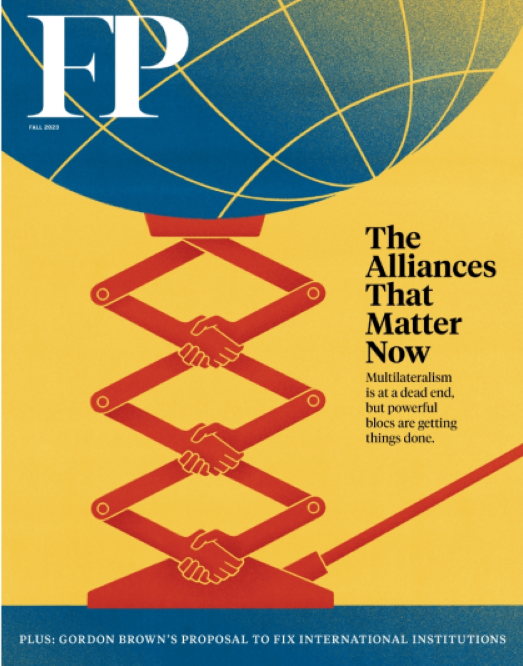
Foreign Policy Magazine – Fall 2023: The new issue features The G-7 Becomes a Power Player – Russia’s war and China’s rise are turning a talking shop into a fledgling alliance of democracies; Vivek Ramaswamy’s Foreign Policies Raise Eyebrows in Washington – The GOP’s rising star offers up a grab bag of ideas cribbed from Eminem to Richard Nixon and more…
Russia’s war and China’s rise are turning a talking shop into a fledgling alliance of democracies.
By G. John Ikenberry, a professor of politics and international affairs at Princeton University.
Time and again over the last century, the United States and the other liberal democracies in Europe, East Asia, and elsewhere have found themselves on the same side in grand struggles over the terms of the world order. This political grouping has been given various names: the West, the free world, the trilateral world, the community of democracies. In one sense, it is a geopolitical formation, uniting North America, Europe, and Japan, among others. It is an artifact of the Cold War and U.S. hegemony, anchored in NATO and Washington’s East Asian alliances.
End American dependence on Taiwan’s semiconductor factories. Declare economic independence from China. Give India an AUKUS-like submarine deal. And stage a dramatic visit to Moscow to broker a deal to end Russia’s full-scale invasion of Ukraine.
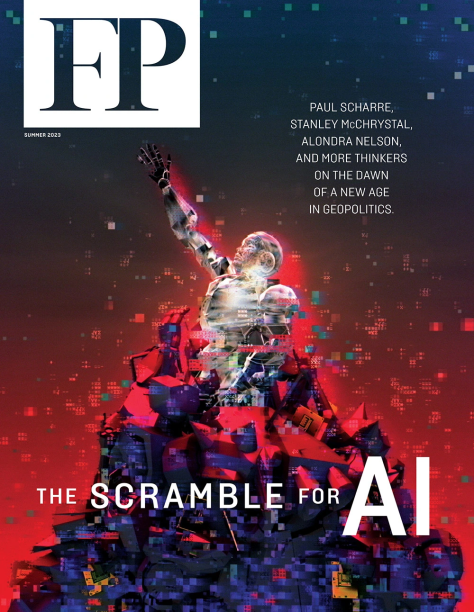
Foreign Policy Magazine – Summer 2023: Artificial intelligence is suddenly everywhere. It seems as though no conversation about jobs, education, health care, technology, or politics happens without an inevitable question about how AI could disrupt it all.
The Economist (May 18, 2023) – The financial revolution once promised by cryptocurrencies has been knocked off course by regulators and allegations of fraud. So what does the future hold for crypto?
Video timeline: 00:00 – The crypto party is over 01:06 – The history 03:30 – What is crypto? 04:38 – Uses around the world 06:07 – Layer 2 solutions 07:12 – Web3 08:51 – Data and privacy 10:04 – What is the future of crypto?
The Economist (May 11, 2023) – As America’s government hits the debt ceiling, US politics has become a multi-trillion dollar game of chicken. If neither side backs down, America could default on its debts for the first time in history, sparking global economic turmoil. What is the debt ceiling, and how can this crisis be resolved?
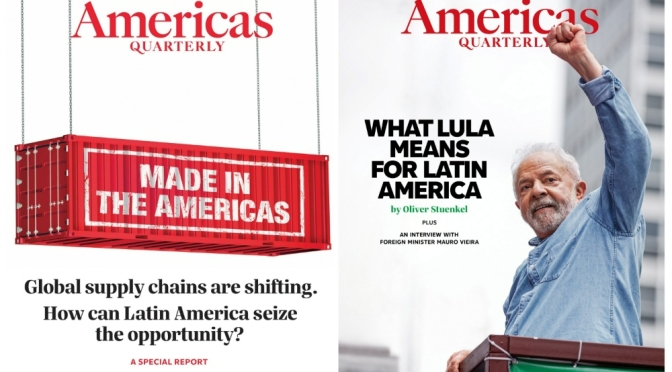
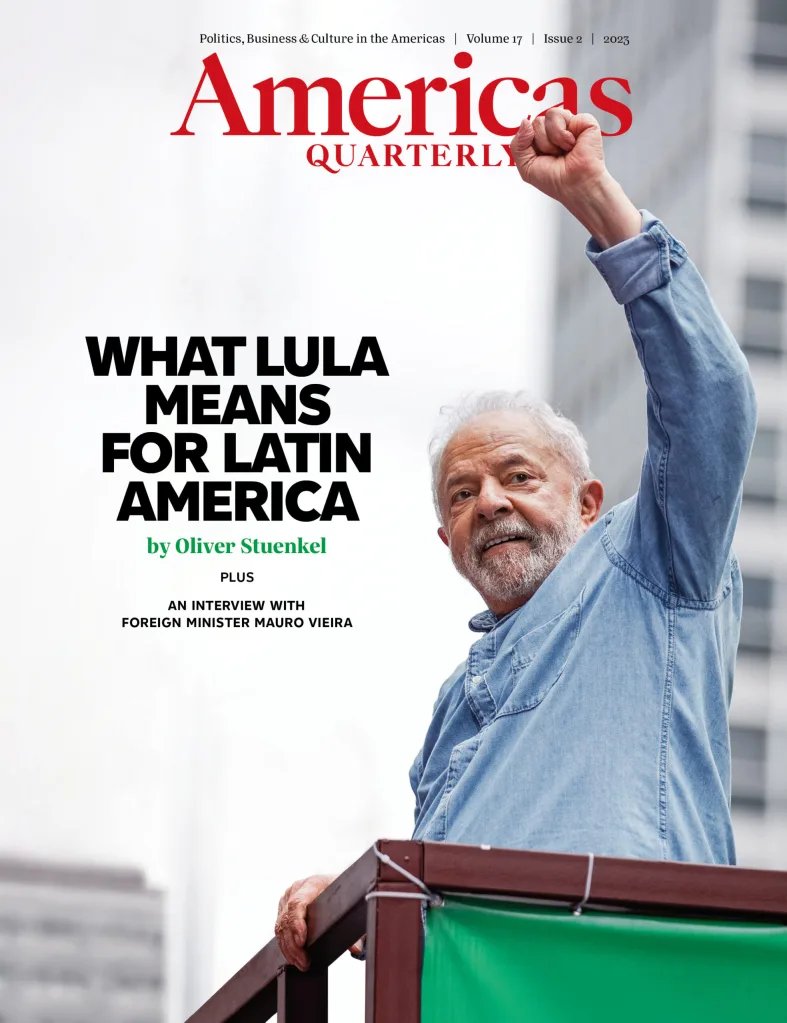
Americas Quarterly (Spring 2023) – Love him or not, the return of Luiz Inácio Lula da Silva is a watershed moment not just for Brazil, but Latin America as a whole. The 77-year-old is “the region’s only diplomatic heavy hitter and the most globally visible Latin American leader of his generation,” writes Oliver Stuenkel in this issue’s cover story.
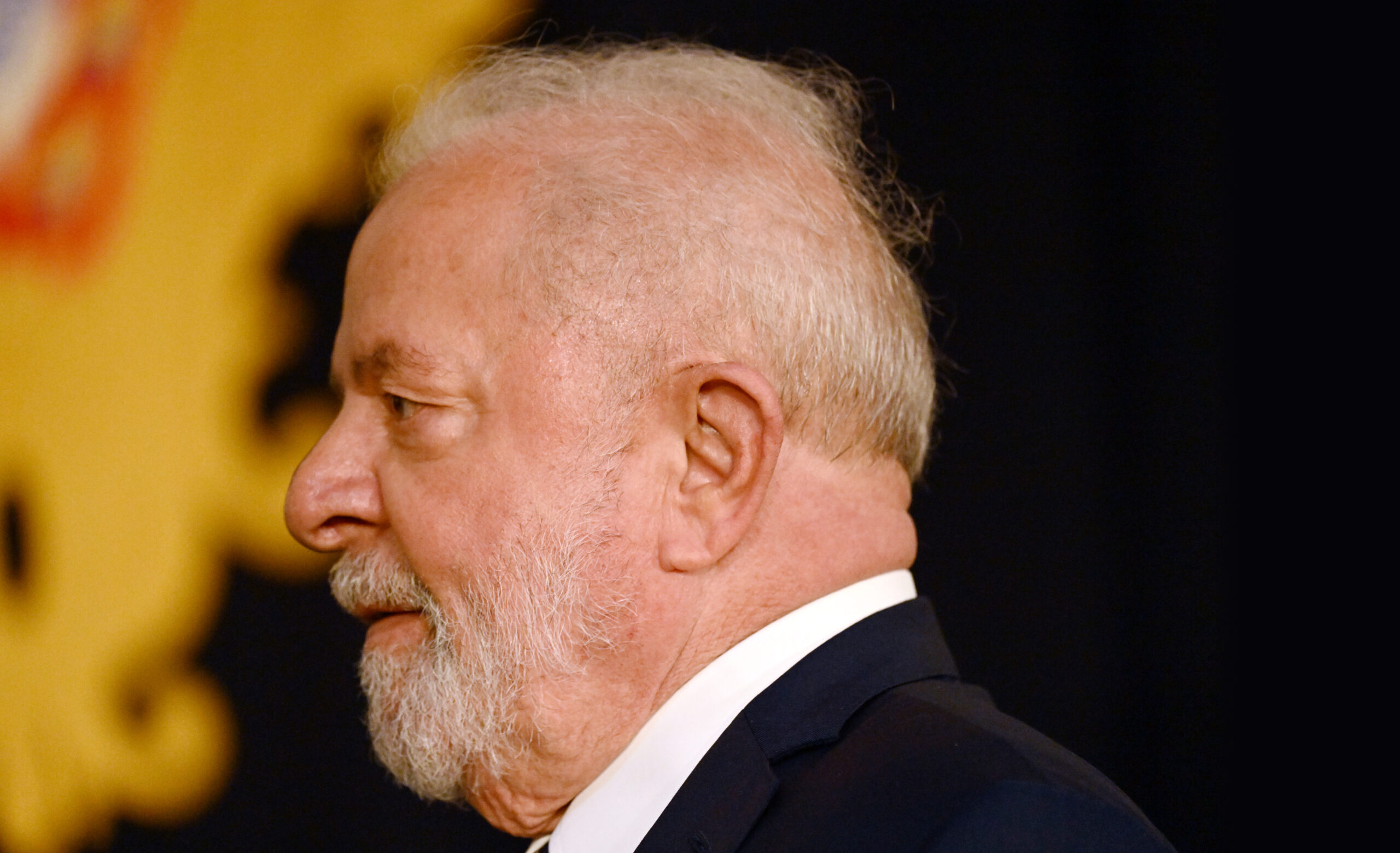
Brazil’s President Luiz Inácio Lula da Silva during a visit to Portugal in April.
A diplomatic heavy hitter is back at the helm of Latin America’s largest country—but the path to an influential international role is full of obstacles.
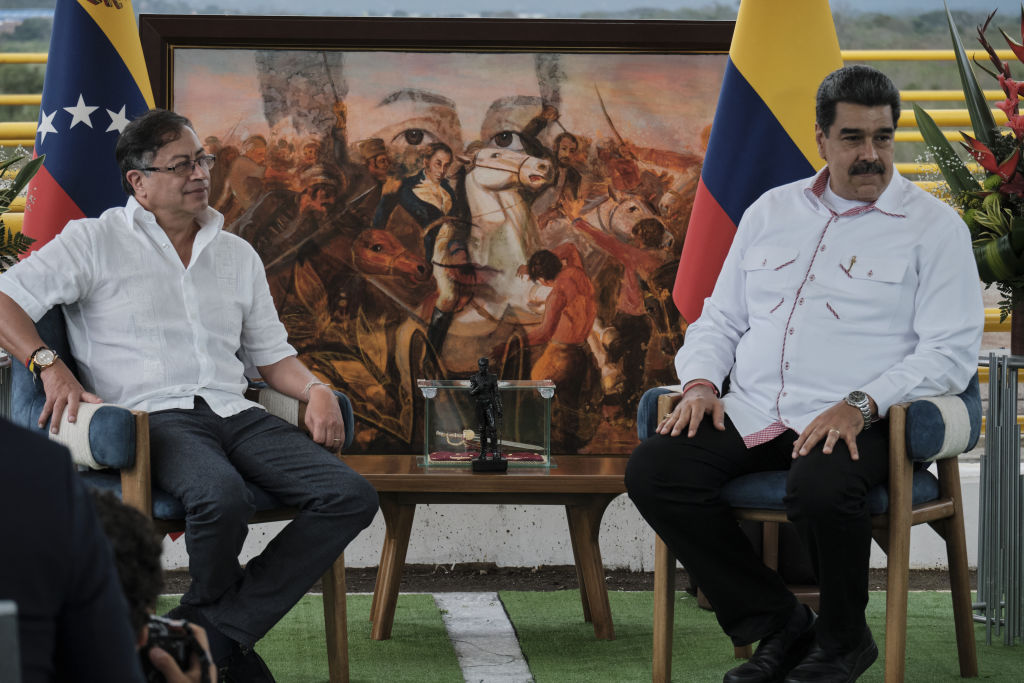
AQ tracks priorities in external relations, including positions on Venezuela and China, in eight countries.
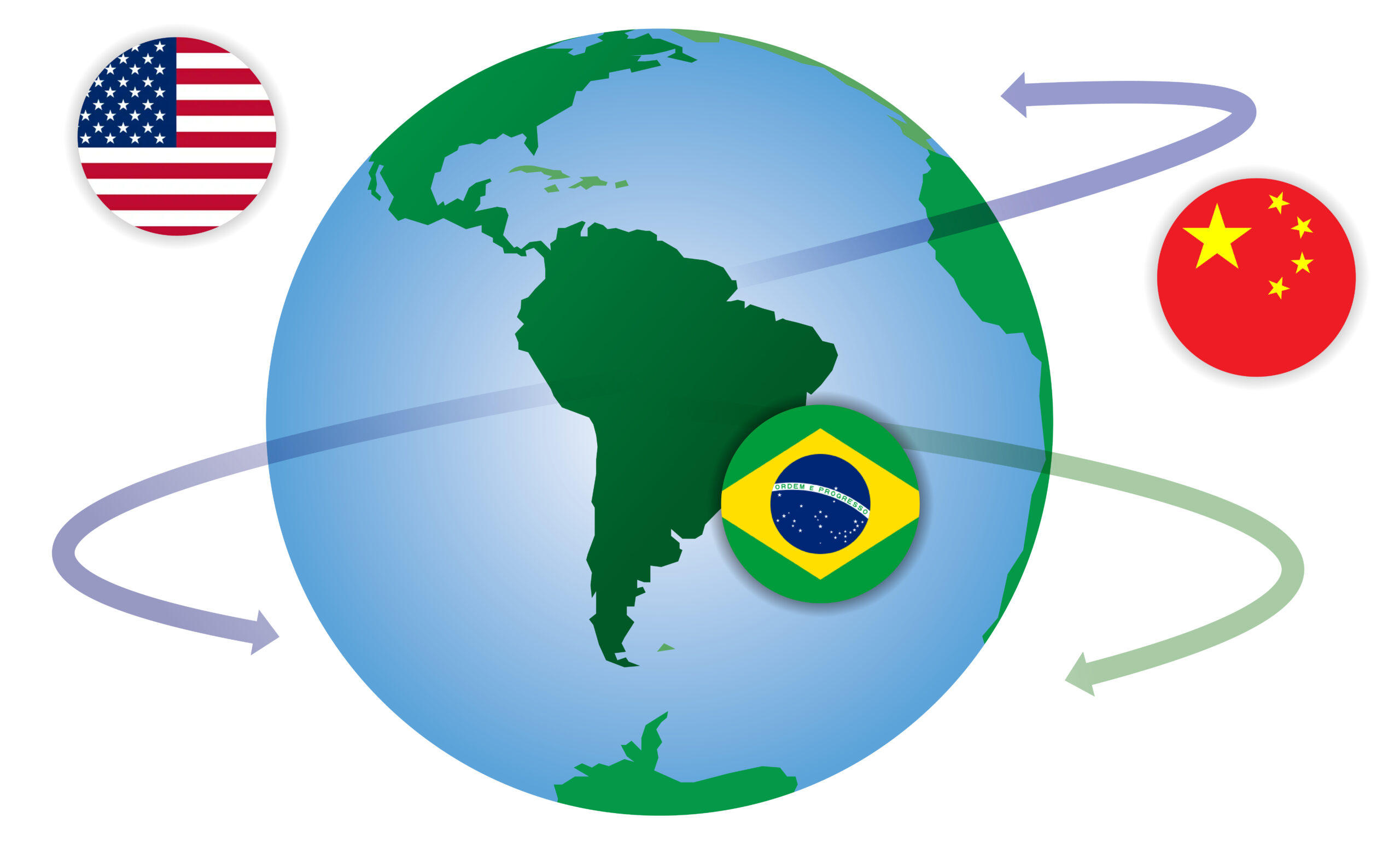
Amid growing tensions between the world’s largest superpowers, much of Latin America has taken an independent approach to foreign relations. Countries are increasingly following a path that Chilean scholars Carlos Fortin, Jorge Heine and Carlos Ominami titled the “active non-alignment option.” Regional integration is a top concern for some leaders, while others are seeking engagement far beyond the Western Hemisphere. Meanwhile, policy choices have to contend with domestic infrastructure challenges and a global concern with the impacts of climate change.
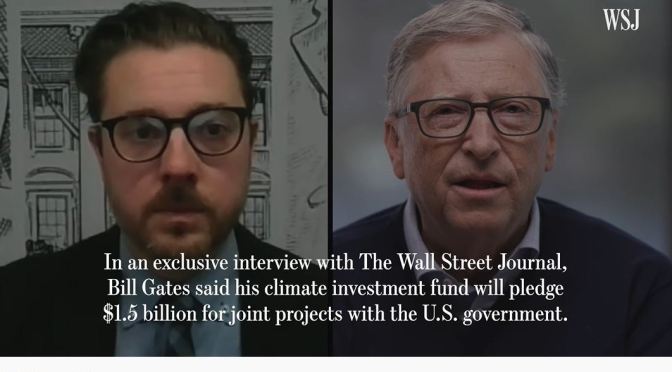
Bill Gates’s investment fund will pledge $1.5 billion for climate projects if Congress enacts an infrastructure bill. The Microsoft co-founder and Energy Secretary Jennifer Granholm told the WSJ how public-private partnerships can spur innovation. Photo: Bill Gates via WSJ










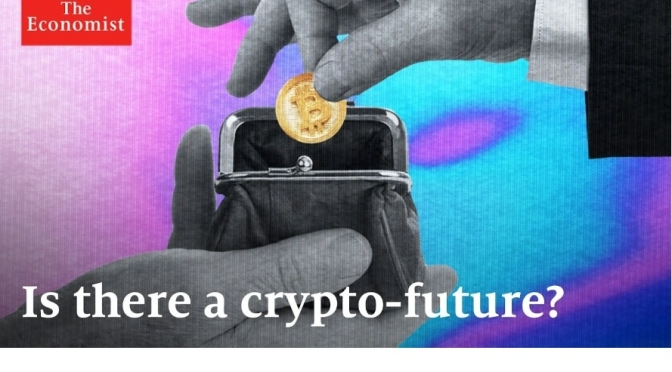
 The Economist (May 18, 2023) – The financial revolution once promised by cryptocurrencies has been knocked off course by regulators and allegations of fraud. So what does the future hold for crypto?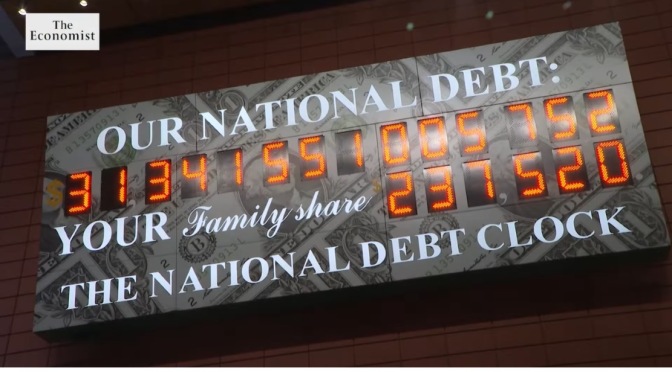



 Boomers Daily