
Tag Archives: Geology

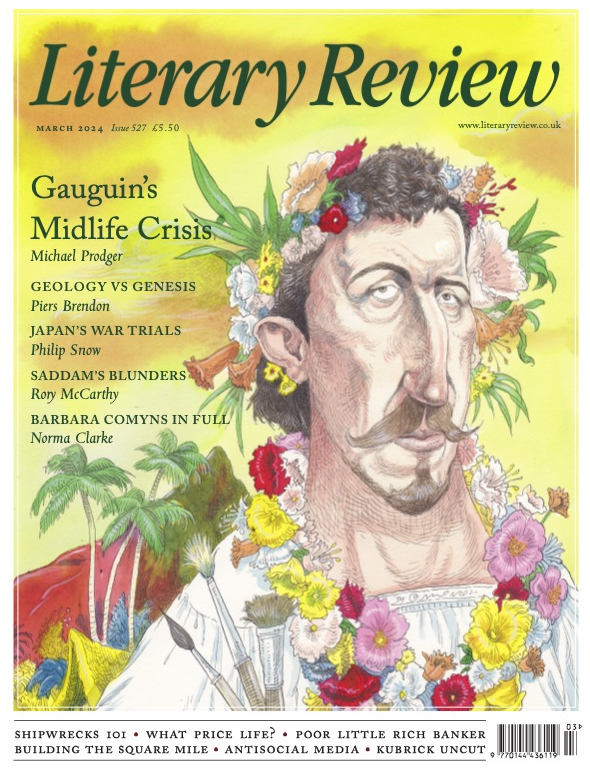
Books: Literary Review Magazine – March 2024

Image

Literary Review – March 1, 2024: The latest issue features ‘Gaughin’s Midlife Crisis’; Geology vs Genesis; Japan’s War Trials; Saddam’s Blunderers and Barbara Comyns in Full…

Comedian Who Got Serious

“The Showman: The Inside Story of the Invasion That Shook the World and Made a Leader of Volodymyr Zelensky” By Simon Shuster

As someone who has to consume quite a lot of Russian media, I can tell you that if there is one common denominator, it’s that whether we’re talking about a shouty TV news programme (less Newsnight, more a kind of geopolitical Jeremy Kyle Show), a stodgy government newspaper of record or a racy tabloid, no one has a good word for Volodymyr Zelensky. 

The Agony and the Ecstasy

Kubrick: An Odyssey By Robert P Kolker

There are, I have long suspected, two types of cinephiles: those who think Stanley Kubrick’s 2001: A Space Odyssey (1968) is a masterpiece and those who think it’s a relentless bore. Early in their new biography of the film director, Kubrick: An Odyssey, Robert P Kolker and Nathan Abrams make clear which camp they belong to, describing the scene in which the astronaut Frank Poole jogs around (and around and around and around) the spaceship Discovery as ‘one of the most lyrical passages in film history’. 
Research Preview: Science Magazine – Nov 24, 2023

Image

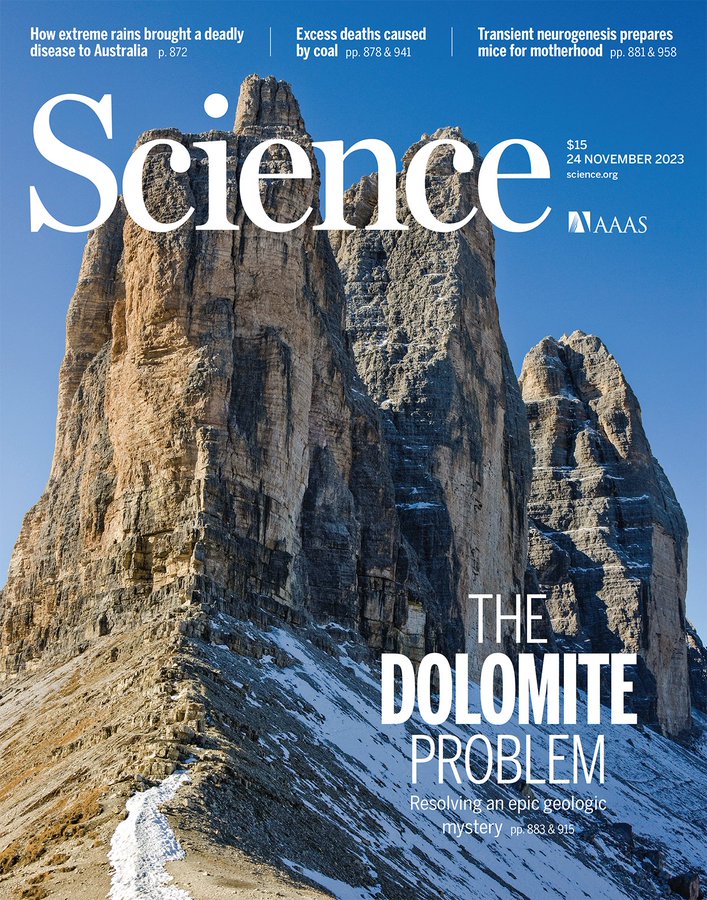
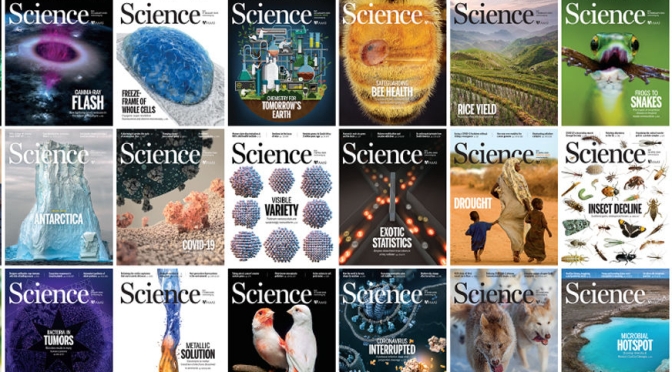
Science Magazine – November 17, 2023: The new issue features Dolomite, a key mineral in stunning geological formations, such as Drei Zinnen (shown here), Niagara Falls, and Hoodoos. Despite its natural abundance, laboratory growth of dolomite has proven impossible—a contradiction known as the “dolomite problem.”

Rude awakening

The appearance of a “tropical” mosquito-borne illness in southeastern Australia has unsettled researchers

Giving birth gives birth to neurons

In mice, pregnancy results in new neurons that support recognition of pups

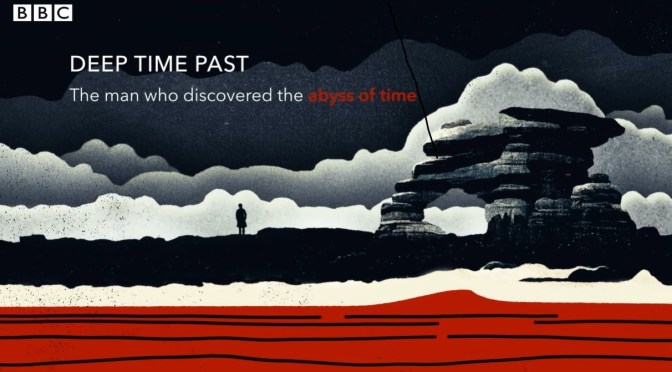
‘Abyss Of Time’: How James Hutton Founded Geology & ‘Earth’s Age’ In Scotland

BBC News (March 26, 2023) – In the 1700s, geologist James Hutton discovered a rock formation in Scotland that transformed how we think about time. Through studying the rocky headland of Siccar Point, Hutton identified the existence of ‘deep time’ – proving that Earth is millions, not thousands, of years old.

James Hutton (1726–1797), a Scottish farmer and naturalist, is known as the founder of modern geology. He was a great observer of the world around him. More importantly, he made carefully reasoned geological arguments. Hutton came to believe that the Earth was perpetually being formed; for example, molten material is forced up into mountains, eroded, and then eroded sediments are washed away.

He recognized that the history of the Earth could be determined by understanding how processes such as erosion and sedimentation work in the present day. His ideas and approach to studying the Earth established geology as a proper science.

October 2022 Preview: EOS Magazine – Tsunami Waves

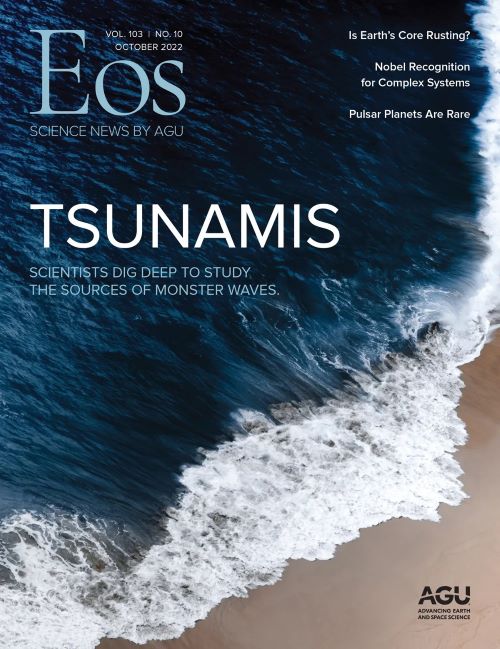
EOS Magazine October 2022 Issue:

Seismic Sources in the Aleutian Cradle of Tsunamis

Research over the past decade in Alaska’s Aleutian Islands has offered surprising insights into the pulses of great earthquakes that generate dangerous, often long-distance tsunamis.

Is Earth’s Core Rusting?

“Landslide Graveyard” Holds Clues to Long-Term Tsunami Trends

Muography Array Under Tokyo Bay Spots Meteotsunami Waves

Making Waves

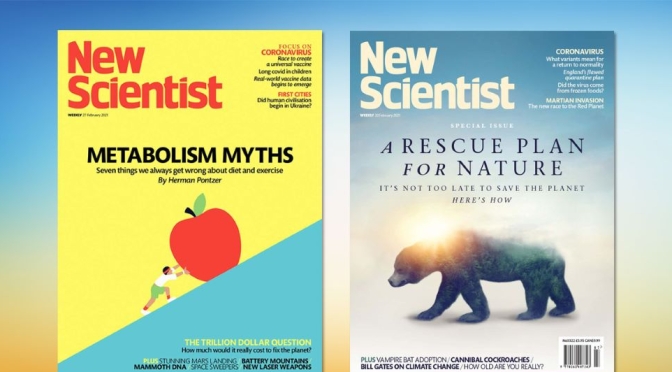
Preview: New Scientist Magazine – April 23, 2022

New Scientist Default Image
  • COVER STORIES
  • FEATURES What psychology is revealing about ‘ghosting’ and the pain it causes
  • FEATURES How four big industries are driving the exploitation of our oceans
  • NEWS MS reversed by transplanted immune cells that fight Epstein-Barr virus
  • NEWS Blind Mexican cave fish are developing cave-specific accents
  • NEWS Rediscovered orchid was presumed extinct for almost a century
  • NEWS Tiny structures in rock may be fossils of earliest known life on Earth

Arizona Views: Chiricahua National Monument Tour

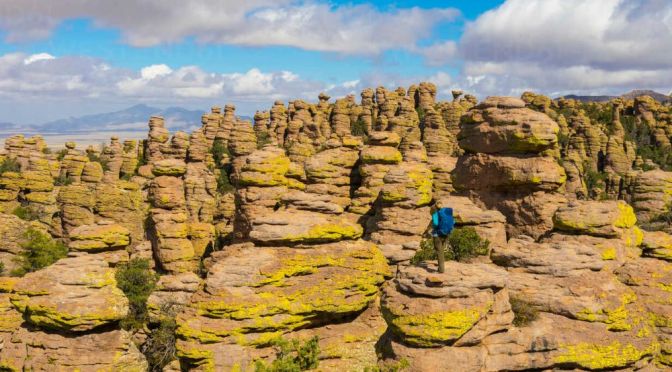
Join ranger Theresa Ferraro as she talks about the history, people, and geology of Chiricahua National Monument—located in one of Arizona’s seven sky islands.

Chiricahua National Monument is a unit of the National Park System located in the Chiricahua Mountains of southeastern Arizona. The monument was established on April 18, 1924, to protect its extensive hoodoos and balancing rocks. 

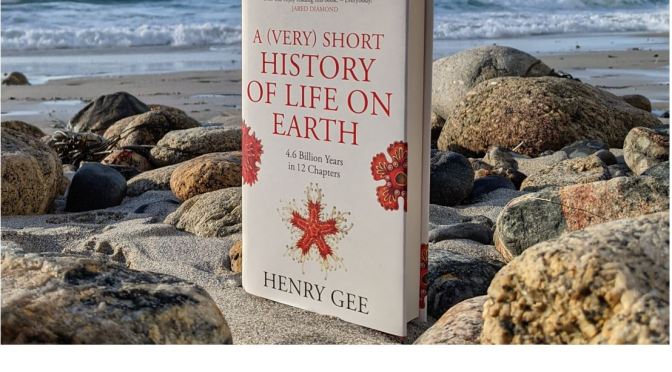
New Book Reviews: ‘A (Very) Short History Of Life On Earth’ By Henry Gee (2021)

Science: What A ‘Mega’ Earthquake In The Pacific Northwest Will Look Like

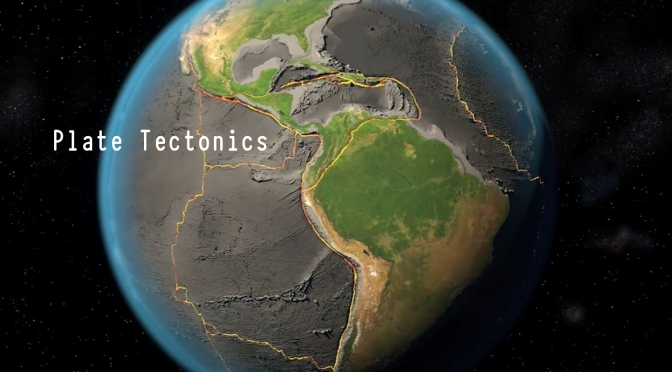
Views: ‘Plate Tectonics – Keys To Geologic History’

Plate tectonics is the narrative arc that ties every episode in Earth’s geologic history together. Thanks to the magnetic compasses hidden in volcanic rocks, scientists know where each tectonic jigsaw piece has been over eons of time. They can replicate the plates’ odysseys in beautiful and precise simulations that reveal the destruction and creation of Earth’s many faces. Lucía Pérez-Díaz, a geologist at Oxford, studies our planet’s stunning ability to constantly change its face.