
We’re in Mercury retrograde. Here’s what that really means.
The planet’s apparent backward motion occurs for a few weeks about every four months. Here’s what’s really happening—and how astrology became a modern phenomenon.

The planet’s apparent backward motion occurs for a few weeks about every four months. Here’s what’s really happening—and how astrology became a modern phenomenon.
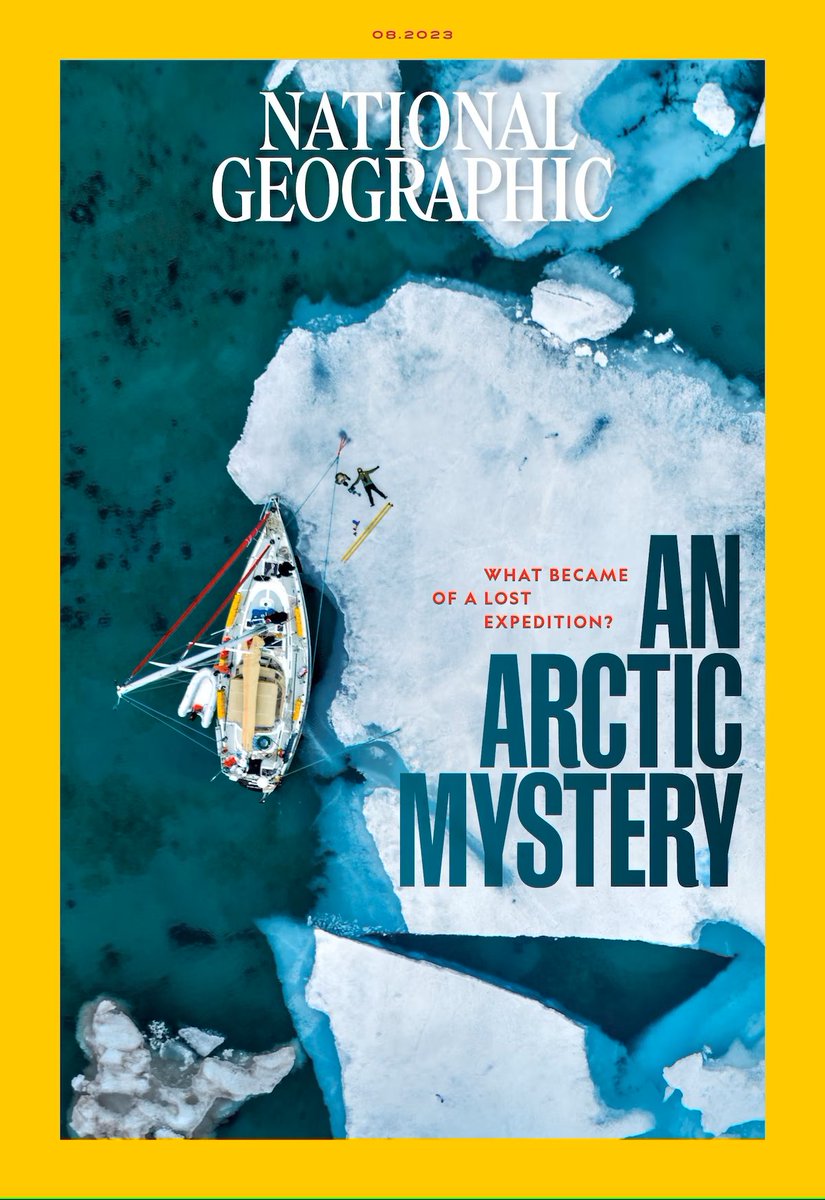

In 1847, Sir John Franklin and a crew of 128 men disappeared while searching for the fabled Northwest Passage. A National Geographic team sought to find evidence of their fate—but the Arctic doesn’t give up its secrets easily.
BY MARK SYNNOTT
Jacob Keanik scanned his binoculars over the field of ice surrounding our sailboat. He was looking for the polar bear that had been stalking us for the past 24 hours, but all he could see was an undulating carpet of blue-green pack ice that stretched to the horizon. “Winter is coming,” he murmured. Jacob had never seen Game of Thrones and was unaware of the phrase’s reference to the show’s menacing hordes of ice zombies, but to us, the threat posed by this frozen horde was equally dire. Here in remote Pasley Bay, deep in the Canadian Arctic, winter would bring a relentless tide of boat-crushing ice. If we didn’t find a way out soon, it could trap us and destroy our vessel—and perhaps us too.
BY SOREN WALLJASPER,
In 1845, British explorer Sir John Franklin and his crew of 128 men set out in search of the Northwest Passage—a fabled sea route from the Atlantic to the Pacific that would hasten trade between Europe and Asia. None of Franklin’s crew survived. The Norwegian ship Gjøa in 1903-06 made the first successful passage. In 2022, a National Geographic team attempted to retrace Franklin’s expedition to find fresh evidence of its undoing.
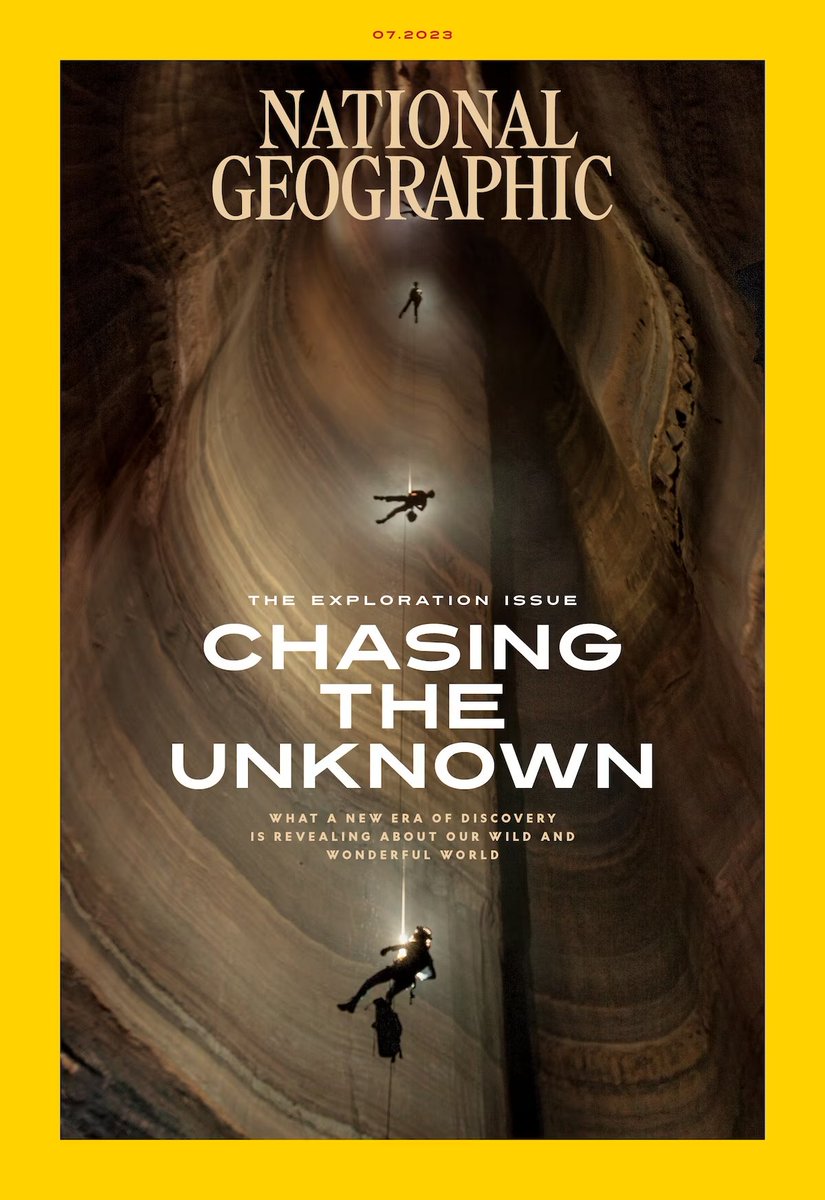

Why do we explore? It’s just what humans do. But how we define it is changing.
BY NINA STROCHLIC
There is only one museum along the old Oregon Trail that tells the story of America’s westward expansion through the eyes of those being expanded into. In a corner of Oregon bordered by Washington and Idaho, this wood-paneled warren of galleries and interactive exhibits celebrates the heritage of Native people and mourns what was destroyed when the pioneers arrived. Walking down a long ramp, visitors enter the brick facade of a replica “Indian training school,” where Native children were forcibly converted and assimilated. A life-size photo of the students stares back from over a century ago; their matching uniforms make them look like tiny soldiers.

In a two-year expedition, a National Geographic photographer is documenting the mighty river and the greater ecosystem from the Andes to the Atlantic.
STORY AND PHOTOGRAPHS BY THOMAS PESCHAK
Two jaguars leap into the river, lunging at pacas. These oversize rodents, with blotched and striped coats, are agile swimmers. Piranhas, attracted by the commotion, hover nearby.
I’m photographing this riveting scene, but I’m not underwater as I usually am when I’m on assignment. Instead of diving to see this aquatic life, I’ve climbed to a rocky ledge far above a rainforest. The jaguars, pacas, and piranhas are not flesh and blood; they are prehistoric artworks painted with hematite, a blood-red iron oxide, in exquisite detail. I am in awe, as if seeing the ceiling of the Sistine Chapel for the first time.

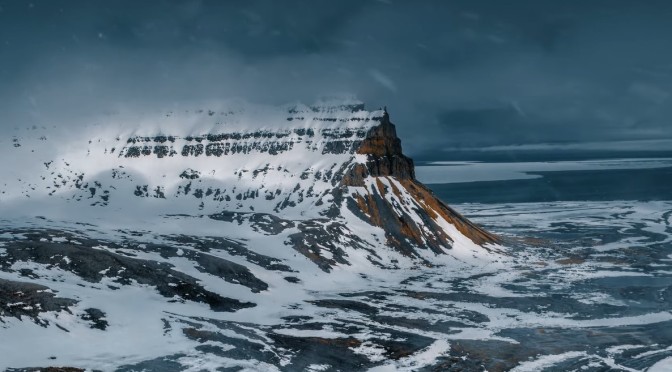
Franz Josef Land is the northernmost territory of Russia, and one of the least filmed territory in the world. Our shots are truly unique, capturing the beauty of the Arctic landscape and the majestic Narwhals in their natural habitat. As we took our drone to the skies, we searched for days to find these elusive creatures, and finally, we were lucky enough to spot them.
Did you know that Narwhals are the only known species of whale to have a single tusk? And that this tusk, which is actually a protruding tooth, can grow up to 3 meters long? The scientists on board the Mikhail Somov were conducting an important research expedition to prove that Narwhals dwell in the Russian Arctic.
They also took biopsies from the Narwhals to better understand the impact of global climatic changes on these amazing creatures. Our diesel-electric ship, the Mikhail Somov, is a historical ship with a rich history of Arctic exploration. In 1985 the Mikhail Somov became trapped in the ice for 133 days, but the crew was able to survive and eventually free the ship. Despite its modern upgrades, the ship still maintains the charm and spirit of its earlier expeditions.
Mountain lions play an important role in the Death Valley ecosystem by preying on the introduced species
August 22, 2022 8:35 a.m.
August 19, 2022
August 19, 2022
When it comes to exploration, nothing is off limits for these inquisitive individuals. Join National Geographic as we discover gothic architecture in Portugal, fly above lost cities in Spain and witness Egypt’s most perfect pyramids, on a breathtaking journey you’ll never forget. From exploring Norway’s most scenic car journey in Europe From Above to uncovering Giza’s most iconic monuments in Lost Treasures of Egypt, there’s always another exciting destination for you to explore.
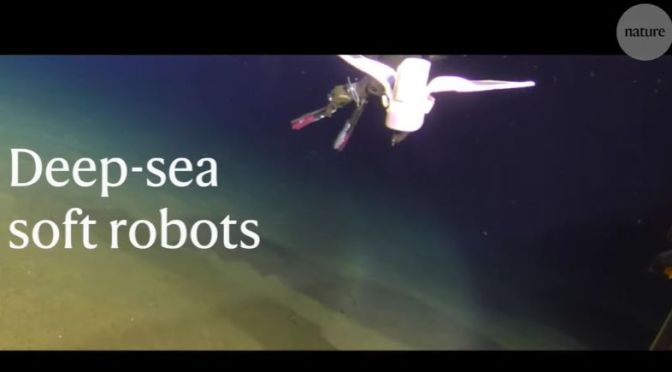
Is the future of deep-sea exploration soft? Researchers have developed a new type of soft robot designed to cope with the crushing pressures at the bottom the ocean. Inspired by the skull of the Mariana Snailfish, the deepest living fish, the researchers distributed their robot’s electronics, creating a machine that can withstand extreme pressure.
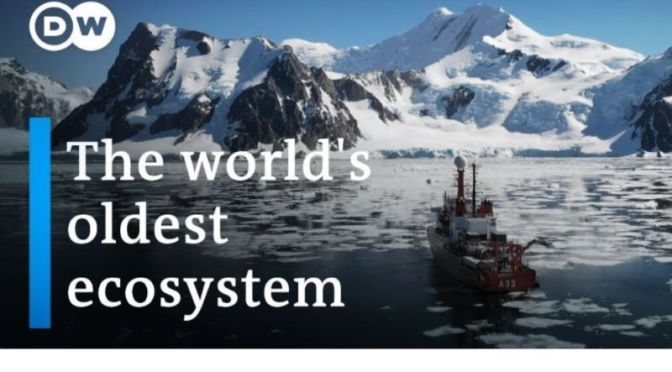
The world’s major powers agree: the resources of Antarctica should be exploited peacefully. They have promised to promote peace and scientific research in Antarctica, and to protect its environment. But is this spirit real, or just a lot of talk?
This documentary features interviews with researchers, activists, diplomats, and military personnel from Spain, Russia, Portugal, Chile, Argentina, and the United States. There’s been much debate over how to share control of resources in Antarctica, which is the world’s oldest ecosystem. Critics say that behind the scenes, a game of high-stakes poker is underway. Could this competition end in armed conflict? Or will Antarctica serve as a model for peaceful international cooperation? This film addresses these complicated issues with in-depth analysis, accompanied by magnificent images of the Antarctic landscape. The documentary’s soundtrack was composed by Javier Weyler, former drummer of the Welsh rock band, the Stereophonics.
Mining companies and governments will soon be allowed to extract minerals from the deep-ocean floor. These rare metals are vital for a more environmentally sustainable future on land, but at what cost to the health of the ocean?
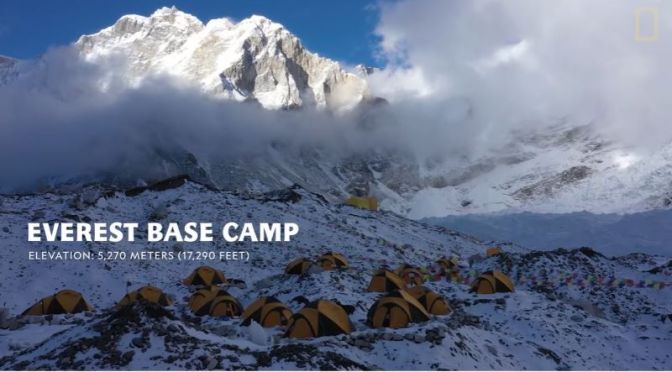
“Even near the highest peak in the world, life manages to thrive. Follow a global team of scientists on the National Geographic and Rolex Perpetual Planet Everest Expedition as they measure the biodiversity in Nepal’s Khumbu Valley and investigate how high alpine species are adapting to global climate change.”


 Boomers Daily