With nearly 1,500 artworks on display, there is a lot to see at the Royal Academy of Arts (RA) Summer Exhibition 2022. If you want a taste of what’s on show then here is a quick tour. The theme chosen by the exhibition’s coordinator, Alison Wilding RA, is Climate. It begins outside, where a large-scale immersive installation by Spanish artist Cristina Iglesias brings nature and water to the courtyard. Inside, the artworks are spread over 11 rooms, including two galleries of prints selected by Grayson Perry RA.
Tag Archives: England
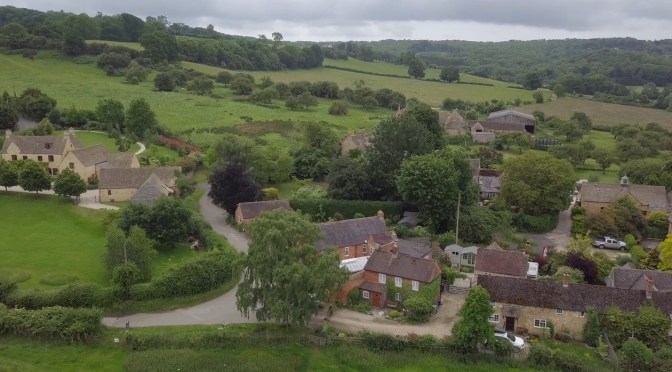
The Cotswolds: Village Of Weston Subedge Tour
Weston Sub Edge is nestled just off the western escarpment of the Cotswolds, just a couple of miles away from Broadway. It features a lovely church and a wonderful pub, the Seagrave Arms.
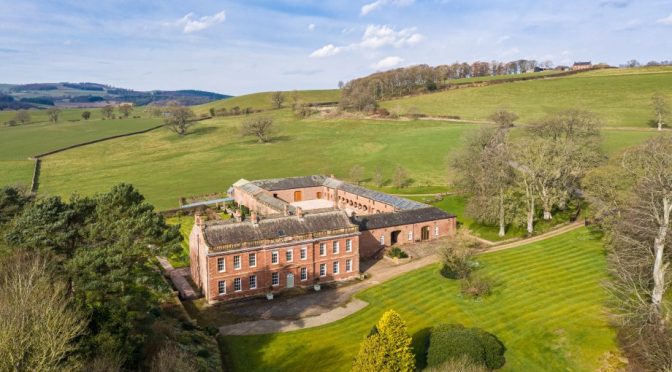
English View: The Nunnery In Eden Valley, Cumbria
An exquisite private estate in the Cumbrian countryside — complete with fabulous interiors and secret waterfalls in the grounds .

The Nunnery is — as the name suggests — a former Benedictine Nunnery that has been the recipient of years of renovation works, transforming the historic property into a breathtaking, spacious home. Penny Churchill reports.
Cumbria’s glorious Eden Valley has been well-named and the setting for imposing, Grade I-listed The Nunnery at Staffield, 10 miles from Penrith, on the fringes of the Lake District National Park, is typical of the area, with traditional livestock farms and rolling grassland falling away to the River Eden, against a distant backdrop of dark, moody fells.
The former country-house hotel, set in almost 52 acres of wonderfully private park and woodland close to the village of Kirkoswald, has been beautifully renovated, remodelled and extended by its present owners who acquired it in a fairly run-down state in the early 2000s.

Although the origins of The Nunnery can be traced to a mid-13th-century Benedictine nunnery, according to Country Life (November 23, 2000), the present ‘plain but imposing red sandstone house’ was built by Henry Aglionby in 1718.

Opinion: Britain’s Perilous State, The Tik Tok Threat, Trumpism’s New DC Army
A selection of three essential articles read aloud from the latest issue of The Economist. This week, why Britain is in a dangerous state, why the world’s most exciting app is also its most mistrusted (10:49), and Trumpism’s new Washington army (18:38).

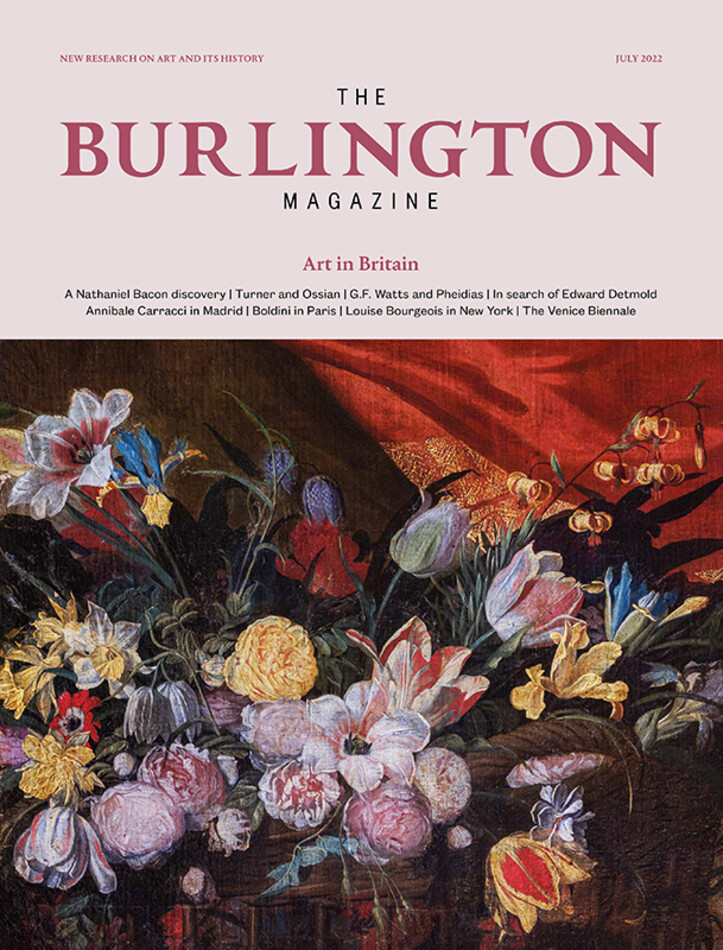
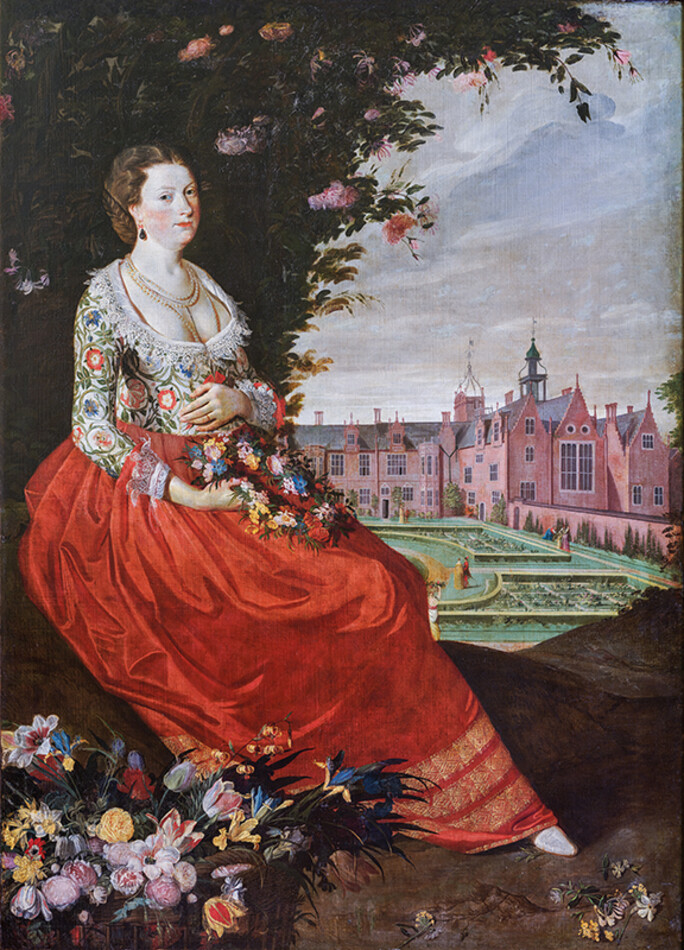
Preview: The Burlington Magazine – July 2, 2022
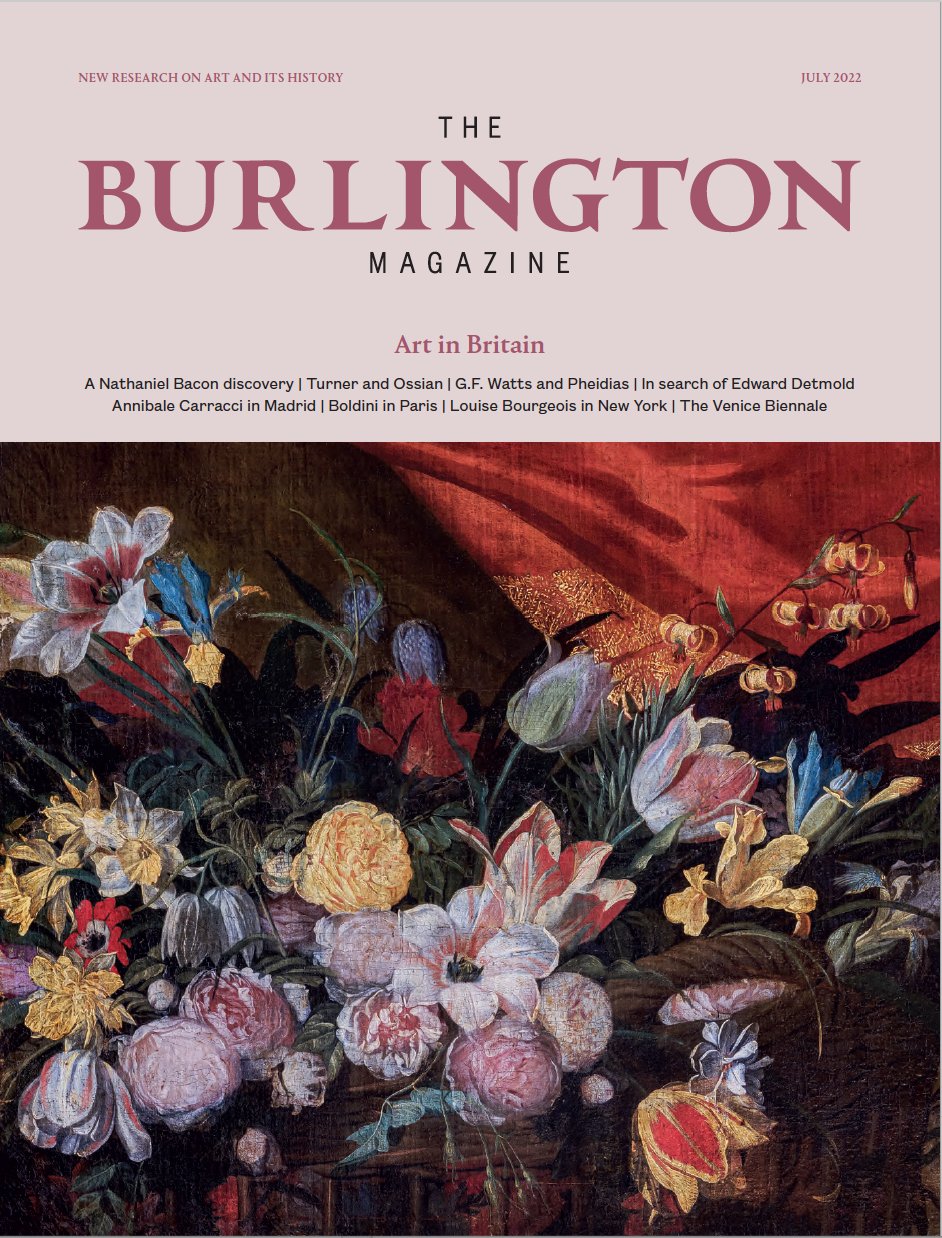
Louise Bourgeois: Paintings Louise Bourgeois: The Woven Child
‘Je vois red’ raged Louise Bourgeois (1911–2010) on one of the loose sheets of paper that she made notes on, most often about herself and her work and, in this case, about the painting Natural history #2 (1944; Easton Foundation, New York), which struck her as all going wrong. Slipping between two languages, Bourgeois’s fury conforms to the themes of rage, the death drive and childhood aggression that the art historian Mignon Nixon has traced in the artist’s work in reference to the ideas of the psychoanalyst Melanie Klein.
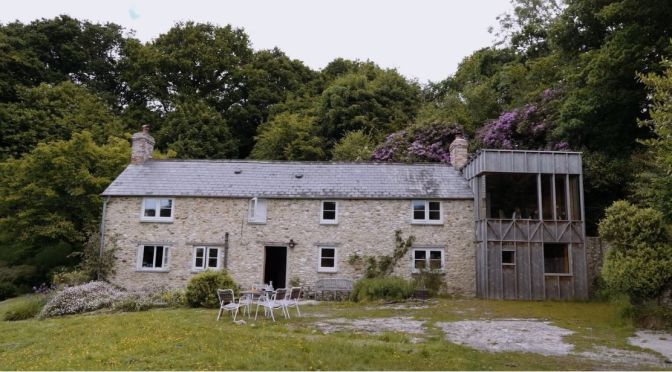
Tours: An ‘Artists Cottage’ In East Devon, England
Natalie Silk and Tom Baker have worked on many projects together, the best known of which is Field Day festival, which they co-founded in 2007. As individuals, Natalie now produces regenerative food and craft events that celebrates links between the city and countryside as part of Village Mentality; Tom runs Eat Your Own Ears, which has been a part of London’s music scene since 2001.
But the couple’s latest project is an altogether quieter and slower-going one: the sensitive renovation and extension of an old cottage in the bucolic hills of East Devon, which you can explore in our latest film.

Isle Of Wight Views: 2022 ‘Round The Island Race’
It wasn’t the fastest and a small boat didn’t win, but this year’s Round the Island race was one to remember as a being a classic blast around the Isle of Wight.
The annual Round the Island Race, organised by the Island Sailing Club, is a one-day yacht race around the Isle of Wight, an island situated off the south coast of England. The race regularly attracts over 1,400 boats and around 15,000 sailors, making it one of the largests yacht races in the world and the fourth largest participation sporting event in the UK after the London Marathon and the Great North and South Runs.
Competitors come from all over the UK, other parts of Europe and as far away as the USA to follow the 50 nautical mile course round the Isle of Wight. Starting on the famous Royal Yacht Squadron line in Cowes, the fleet races westabout, to The Needles, round St Catherine’s Point and Bembridge Ledge buoy, and back into the Solent to the finish line at Cowes.
Spectators can find many vantage points, both on the mainland and Isle of Wight, to watch the race progress. Those who cannot get to watch in person can always keep an eye on the race’s progress on the website, via our live text commentary and our boat tracking facility.
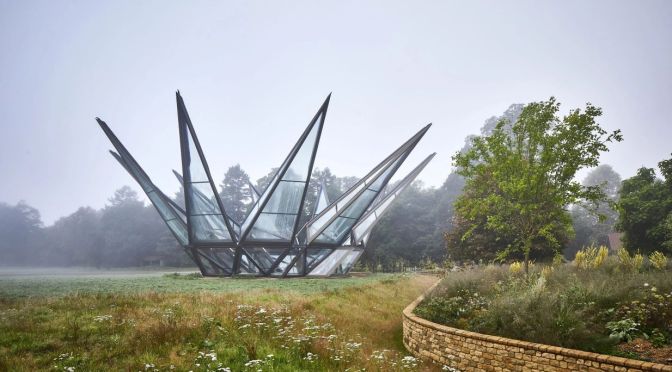
Design: The Woolbeding ‘Kinetic Glasshouse’ (2022)
The Woolbeding Glasshouse
Heatherwick Studio has unveiled its latest project, a kinetic glasshouse set on the edge of the gardens here at Woolbeding.
This unfolding structure provides the focal point to a new garden that reveals how much the ancient Silk Route – which linked the Western world with the Middle East and Asia – has influenced English gardens of today. It features ten steel ‘sepals’ with glass and aluminium façade which take four minutes to open, creating an immense 141m2 space in the shape of a crown.
The glasshouse draws inspiration from the spirit of Victorian ornamental terrariums. It deploys cutting-edge engineering to provide a functional protective structure while at the same time offering a beguiling, decorative element to the new Silk Route Garden.
On warm days, the glasshouse opens its ‘sepals’ using a hydraulic mechanism to allow the plants access to direct sunshine and ventilation, while in colder weather the structure will remain closed, providing shelter to a collection of subtropical species.
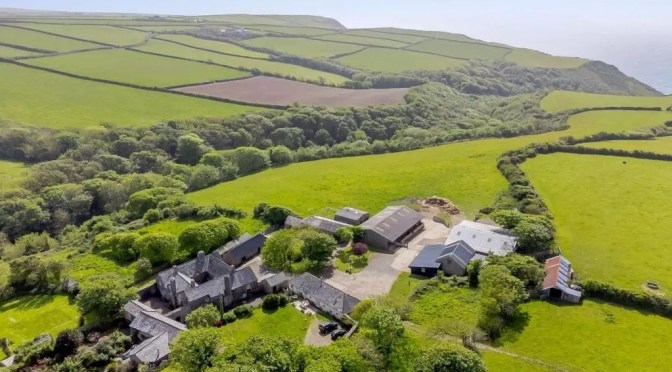
Cornwall View: Marsland Manor At Morwenstow
Described in its listing as ‘an unusually complete survival of a double courtyard house’ and by the historian Charles Henderson in his Parochial History of East Cornwall as ‘one of the most interesting and picturesque old houses in Cornwall’, the substantial stone farmhouse was remodelled as a manor house for the Atkin family on a double courtyard plan between 1656 and 1662.

The bright and cheerful main house offers more than 4,000sq ft of comfortable living space, including three reception rooms, a traditional farmhouse kitchen and six double bedrooms, with a further sitting room, dining room, kitchen, bedroom and bathroom in the attached cottage.

The complex includes two further cottages, one having five bedrooms, the other one bedroom. It comes with extensive barns and outbuildings, with footpaths leading across the fields to the South West Coast Path and the unspoilt beaches and dramatic rock formations around Morwenstow.
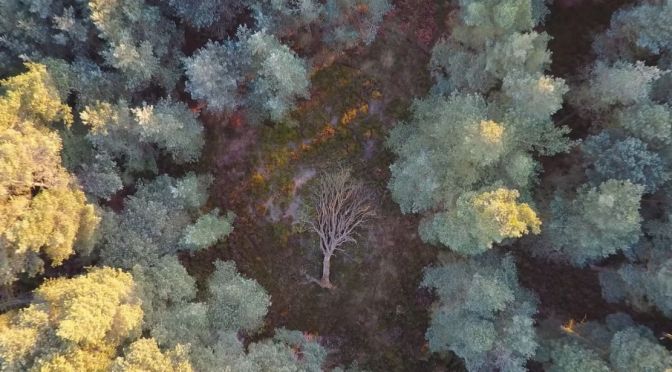
Woodland Views: North York Moors In England
The North York Moors is an upland area in north-eastern Yorkshire, England. It contains one of the largest expanses of heather moorland in the United Kingdom. The area was designated as a National Park in 1952, through the National Parks and Access to the Countryside Act 1949.
Woodland Sanctuary is a joint exhibition between myself and Joe Cornish. The work was gathered over the last 6 years, all of it within the North York Moors National Park. Using my archived footage, I’ve made this relaxing video of local woodland scenes which will play on a loop in the Sanctuary room of the exhibition. I’ve decided to share it online so that it can be enjoyed by all.
The exhibition consists of 9 themes which reflect the preoccupations and imaginative journeys of the photographers during their time in the woods. The images reflect the intense experience of studying trees in all weather conditions and all times of year.
 Boomers Daily