FRANCE 24 (April 7, 2023) – As the “Ramses and the Gold of the Pharaohs” exhibition opens in Paris, we bring you a special show dedicated to the celebrated king who ruled the Egyptian empire over 3,000 years ago. The exhibition’s centrepiece is the pharaoh’s sarcophagus, which is on special loan to France.
It’s a gesture of recognition from Egyptian authorities after French scientists saved the mummy of Ramses II from a devastating fungus in 1976. Our Culture Editor Eve Jackson went to check out the once-in-a-lifetime show, while Lyana Saleh of FRANCE 24’s Arabic channel spoke with renowned Egyptian archaeologist Zahi Hawass about the fight to repatriate Egypt’s ancient artefacts.
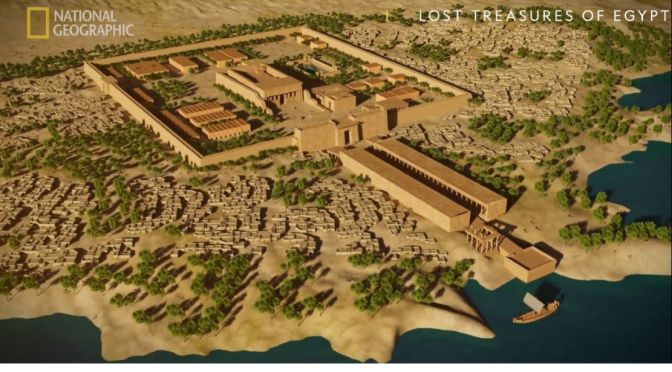
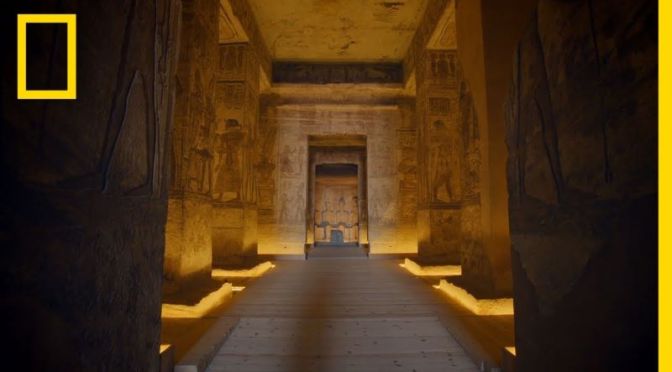
National Geographic UK – Egypt’s Largest Temple To Hathor: National Geographic UK Dendera is a holy site that dates back to Egypt’s old kingdom, more than 2,000 years before Cleopatra. For over two millennia 1,000’s of worshippers would gather here each year to celebrate a festival in honour of Hathor the Goddess of Earth and Motherhood. Full of beautiful buildings from all different periods, this ancient archaeological treasure is like a history book of Egypt.
However, one structure dominates the site, a vast stone temple, 140 feet wide with an entrance hall boasting 24 gargantuan columns. Venture into this remarkable temple and discover the ancient hieroglyphics that cover every inch of its surface in brand new episodes of Lost Treasures of Egypt, Sundays at 8pm, on National Geographic UK.
The Getty Magazine – Fall 2022: Featuring Conserving Black Modernism, our recently launched effort to conserve Modern Movement architecture by Black architects and designers, plus more behind-the-scenes info on all things Getty.
The Art of Exhibition Design
How to put on a really 16 great show
Egyptomania!
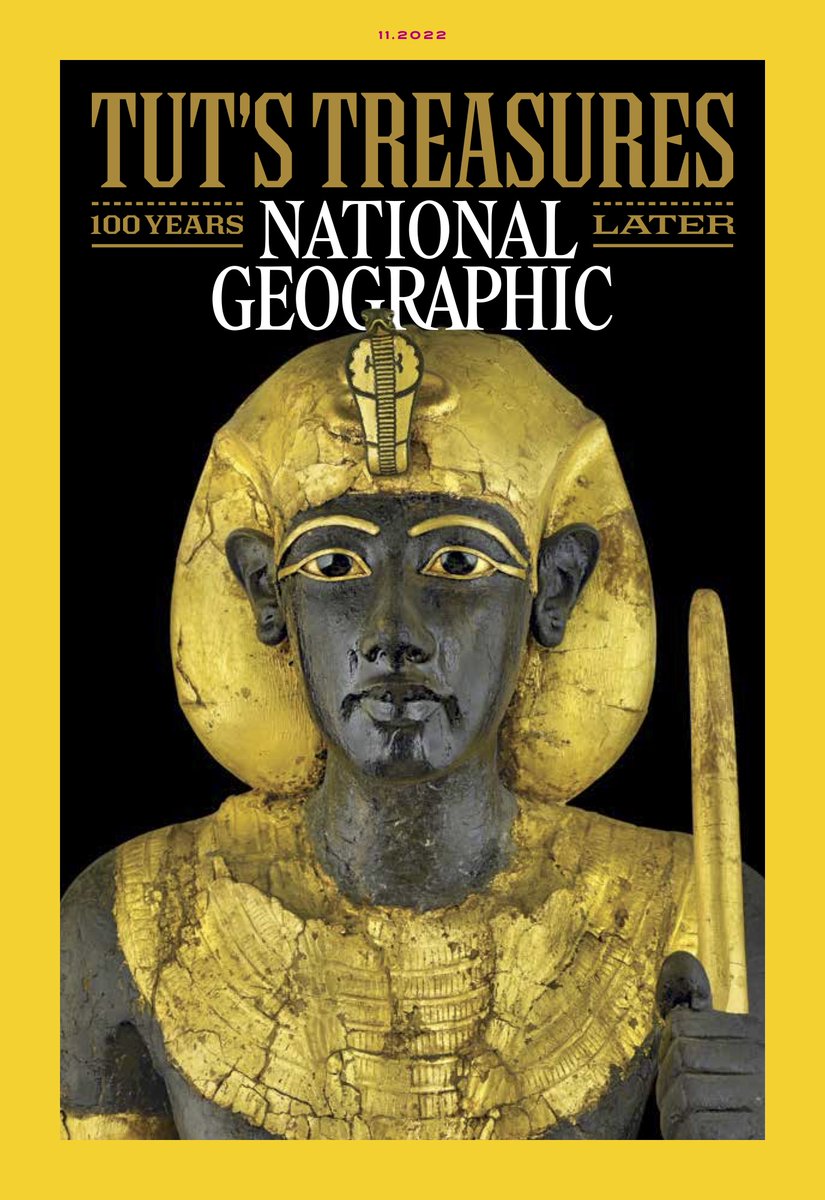
An international passion for Egypt fueled the discovery of King Tut’s 22 tomb
Photographer Sandro Vannini used his decades-long knowledge of Tut’s antiquities to stitch together a stunning image of a guardian statue from 48 perfectly lit pictures.
A timeless treasure, nearly lost forever. Without the UNESCO‘s unprecedented rescue operation, future generations might have only seen the stunning temples of Ramses II and Cleopatra in the pages of history books. Majestic stone colossi rising from the desert sands, structures like these kept their secrets for generations.
For centuries, Abu Simbel, Dendur, Amada and other monuments faced threats from looters, earthquakes, and floods. Ultimately, it was the waters of the Aswan Dam that nearly sealed their fate. In 1960, then Egyptian President Nasser ordered the dam‘s construction. In order to save the temples of Ramses II and Cleopatra, among others, UNESCO reached out to over 50 countries, and raised $80 million.
After receiving multiple proposals to save the structure, it was one from Sweden that proved successful. The plan: dismantling the complex and rebuilding it on higher ground. Between November 1963 and September 1968, saws were used to cut the two temples into 1,036 blocks, each weighing between seven and 30 tons.
Their new location was 64 meters above the old site and 180 meters further inland. After five years of construction, this major undertaking was completed on September 22, 1968. The Nubian temples of Abu Simbel are now a UNESCO World Heritage Site.
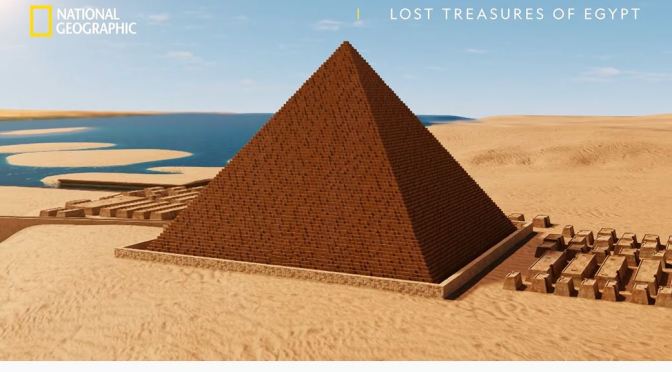
The Great Pyramid of Giza is the largest pyramid ever built and is a staple of Egyptian pyramid architecture. It was built to protect the tomb of King Khufu and was the first-ever true pyramid, due to its perfect shape and extraordinary features.
The entrance of the tomb is located 24 feet off centre and even if trespassers found it, a pulley system of ropes 130 feet above the passage dropped 3 enormous granite slabs to seal the burial chamber entrance. Topped with a layer of white limestone, The Great Pyramid was and is a symbol of the Pharaoh’s reputation and respect. Now, explorers are eagerly searching the pyramid for clues about the life and death of the great King Khufu.
While Ramses II is often hailed for his military achievements and his skill as a warrior, he was also a well versed diplomat. During his reign he brought the 20 year war with the Hittites to an end and created one of the first written peace treaties.
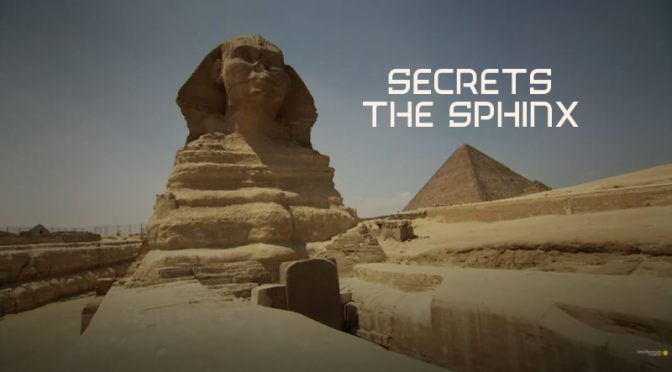
Join Egyptian historians and archeological experts on a mission to decode the mysteries of Egypt’s Great Sphinx. Season 1 Episode 2 “Secrets” from the series: Secrets https://bit.ly/31xTgju
The Great Sphinx of Giza, commonly referred to as the Sphinx of Giza or just the Sphinx, is a limestone statue of a reclining sphinx, a mythical creature. Facing directly from West to East, it stands on the Giza Plateau on the west bank of the Nile in Giza, Egypt. The face of the Sphinx is generally believed to represent the pharaoh Khafra.
Through ancient propaganda and by immortalizing some of his greatest achievements, Ramses the Great became revered as one of the most powerful rulers of Ancient Egypt. Even to do this day he credited for making Egypt one of the most powerful nations of the ancient world.
News, Views and Reviews For The Intellectually Curious







 Boomers Daily