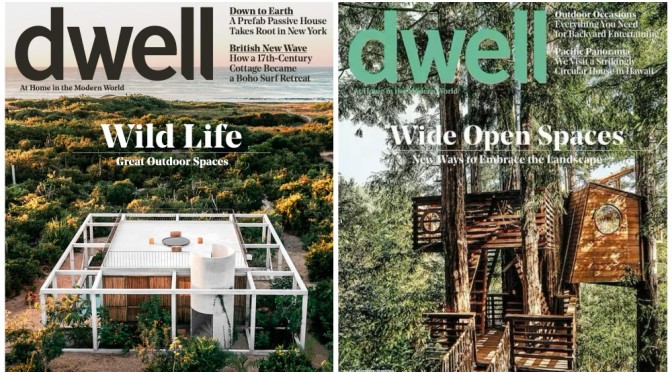
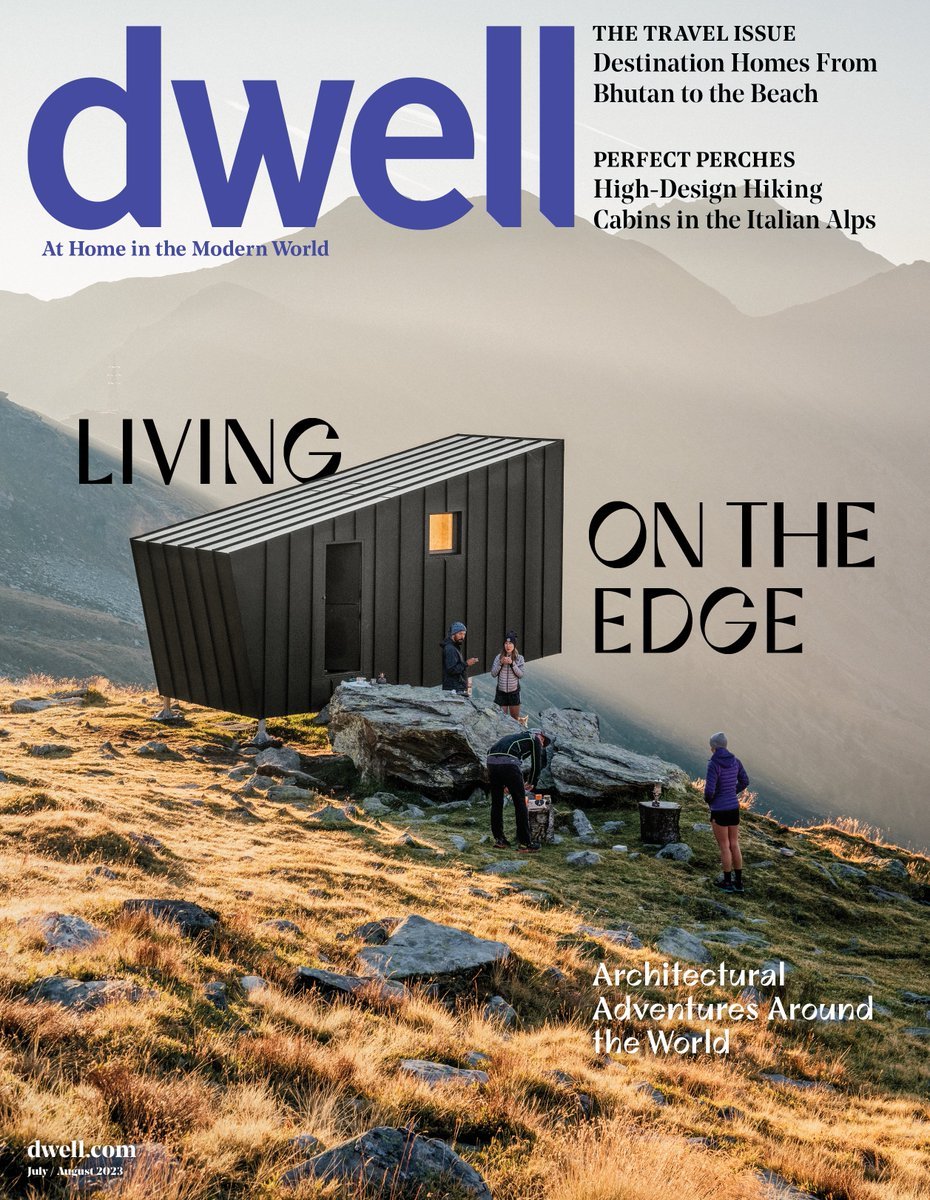
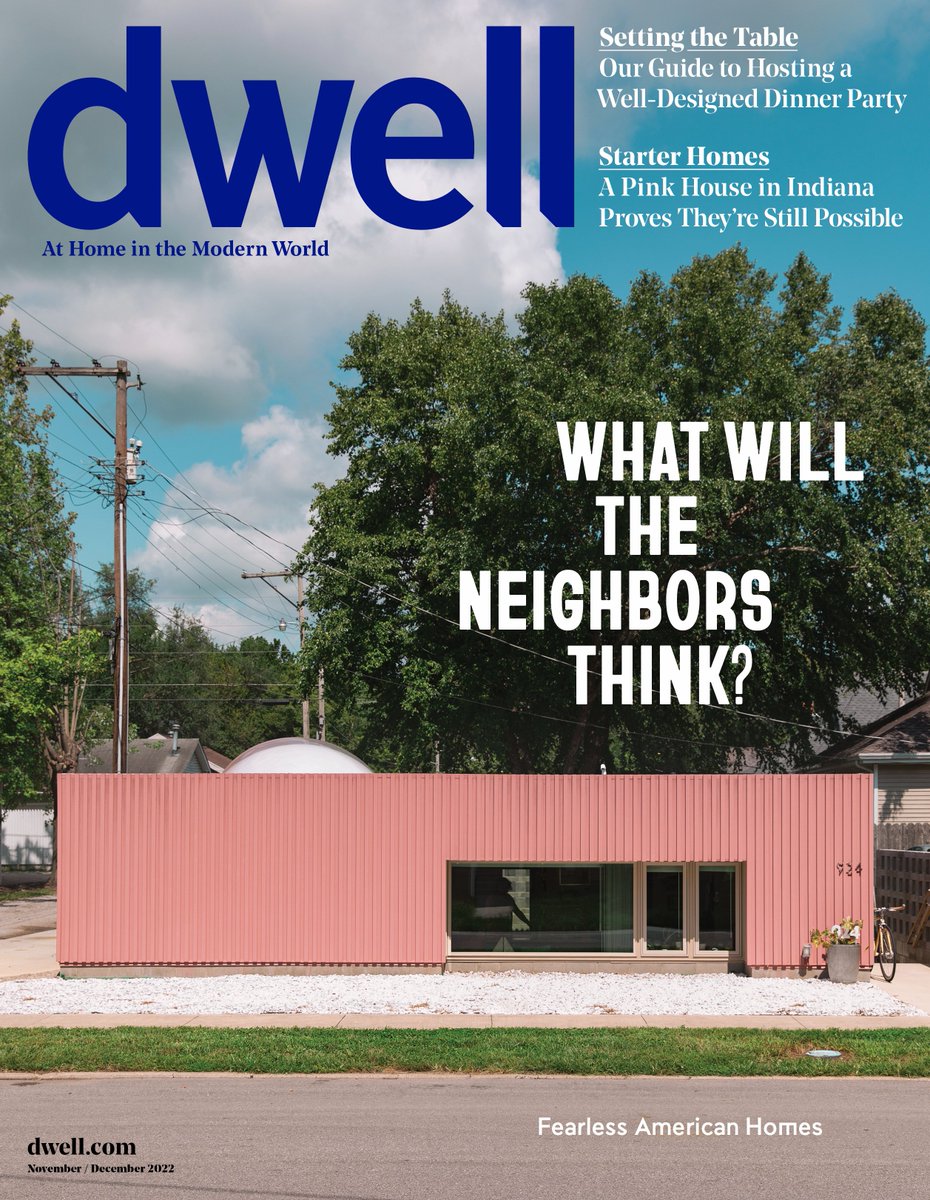
Dwell – July/August 2023 issue: The Travel Issue: Destination Homes From Bhutan to the Beach; Perfect Perches: High-Design Hiking Cabins in the Italian Alps…
Geechee basketmakers, Gee’s Bend quilters, and Native American artisans are developing ways of navigating markets that have not always had their best interests at heart.
The two-level ADU is decked out with a light-filled recording studio for him, and for her, a luminous design space with soaring ceilings and sliding glass doors.
The northern Maine hideaway rests on piers above the forest floor and employs broad windows to frame the homeowner’s most prized views of the site.
Stephen Peck and his husband, John Messer, walked their remote, ten-acre plot in Maine for nearly a decade before building their dream home. Yet it was all those walks—paths through the property’s dense forest and around massive boulders to the pond’s edge—that ultimately inspired the structure’s placement deep into the forest, where the site best captures their favorite perspectives of the place.
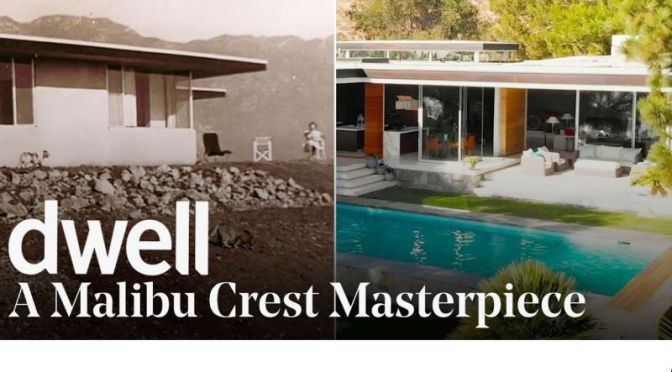
Studio Bracket Architects turn a 1949 International-style home into the perfect escape for a Malibu couple who collect pre-war American cars. Featuring water features, a flat roof, clean lines, broad overhangs, and plenty of glass elements, Sam and Emily Mann’s Malibu Crest house takes advantage of stunning views and its stunning natural environment.
Richard Neutra designed the Lew House in 1958 to suit his clients’ entertaining lifestyle with an open floor plan, wall-to-wall glazing, and a gleaming glass carport. High up and overlooking Downtown Los Angeles, this legendary home features stunning views, an innovative floor plan, and a minimalist, but warm interior. Dwell’s own executive editor Jenny Xie gives us a tour.
The Lew House is an exquisite, four-bedroom luxury residence in Hollywood about a mile from Sunset Strip. Designed by Richard Neutra, renowned pioneer of midcentury modern architecture, the villa is practically a museum of modernist design and contemporary art, while welcoming deluxe relaxation and festive entertainment in its stunning indoor and outdoor living areas.
The tri-level villa overlooks gorgeous views of the Hollywood Hills from multiple balconies and terraces. Savor luxurious days bathing in the swimming pool, soaking in the lovely hot tub, and sipping refreshing drinks in the Southern California sun. Fire up the grill for a delicious barbeque as the kids play in the yard and playground below; then gather for an alfresco lunch. In the late afternoon, savor a delicious cocktail on the veranda.
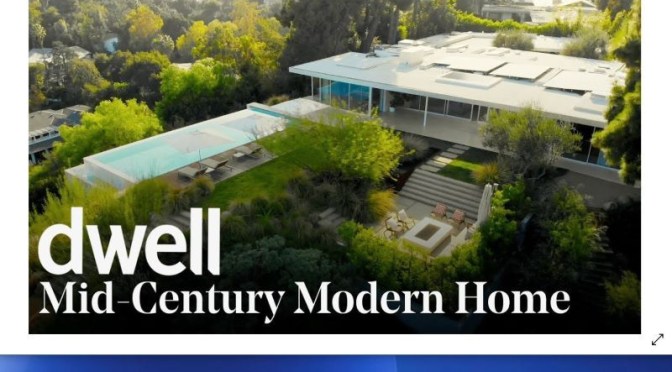
Robert Galishoff originally hired architects Brett Woods and Joe Dangaran to bring his single story mid-century modern home back to life. But what began as a simple renovation turned into a major architectural passion, and through a successful partnership, they created a reverent sanctuary in the sky.
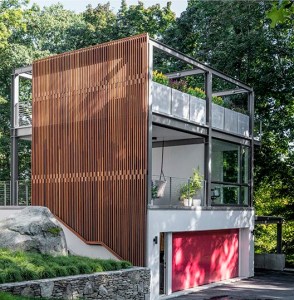
In a leafy Boston suburb, a place to park cars and repair vintage scooters grows into a bucolic sanctuary.
.
To call architect Colin Flavin’s three-story steel-frame structure with mahogany slat screens a “garage” would be misleading. While there’s room for parking and a Vespa workshop behind the double-wide red door on the ground floor, the spaces above feel and function more like a country retreat. “The clients wanted something innovative to complement their traditional Dutch Colonial,” says Flavin, principal of Flavin Architects.
Drawing upon Garnero’s six years of cargotecture experience and Burdge’s design expertise, the duo recently launched the Buhaus: a tiny pre-permitted container home designed for indoor/outdoor living. “People appreciate great design, and most shipping container designs seem to be more low-end,” says Burdge. “We wanted to create a higher-end shipping container living unit.”
In the wake of the 2018 Woolsey Fire that devastated Southern California, Malibu architect Doug Burdge and builder Nate Garnero sought to provide their clients with temporary housing by repurposing shipping containers into fire-resistant tiny homes.
Buhaus—a combination of the words Bauhaus and Malibu—takes cues from the 20th-century movement with its clean, geometric form and focus on functionality. At 160 square feet, the Buhaus Studio Unit is efficiently divided into three sections: a living/sleeping area with a kitchenette, a bathroom, and an outdoor deck.
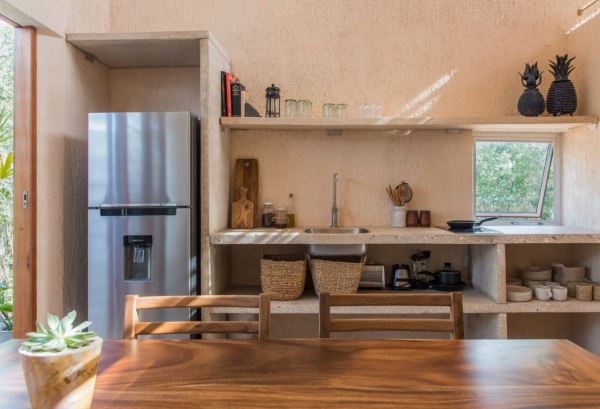
Situated on a sweeping two-acre lot, this 452-square-foot abode is just right for two.
In order to create a small yet comfortable vacation home for a young couple, the multidisciplinary workshop TACO, or Taller de Arquitectura Contextual, sited it in the corner of a two-acre lot, then employed built-in elements for an “intuitive” interior layout.
Rough stucco mixed with artisanal paint conveys warmth and texture, while precisely placed apertures connect the interior to the remote setting. “The objective was to achieve a reflective and contemplative place that links the occupant with the surrounding wild landscape,” said the firm.
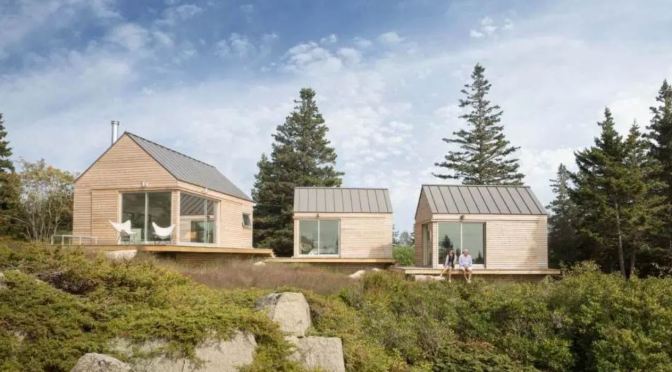
To meet Passive House standards, the Cousins River Residence features an airtight building envelope, triple-glazed windows with a u-value of 0.16, a heat recovery ventilation system with 90% efficiency, and a 4.6 kW south-facing photovoltaic array on the garage roof that makes the house nearly net-zero energy.
With their three children grown up and out of the house, Nico and Ellen Walsh were ready to downsize from their old Victorian home to a smaller abode better aligned with their environmentally friendly principles.
The heart of every GO Home is a highly insulated, air-sealed building shell designed to use 90 percent less energy than a conventional new house, even in chilly northern New England. On sites with a favorable southern exposure, adding a modest array of photovoltaic panels yields a zero-energy home.
When the couple spotted Belfast-based design-build firm GO Logic’s LEED Platinum GO Home on the cover of Maine Home and Design Magazine, they instantly fell in love with the modern high-performance design and the possibilities of a nearly net-zero energy house.









 In a leafy Boston suburb, a place to park cars and repair vintage scooters grows into a bucolic sanctuary.
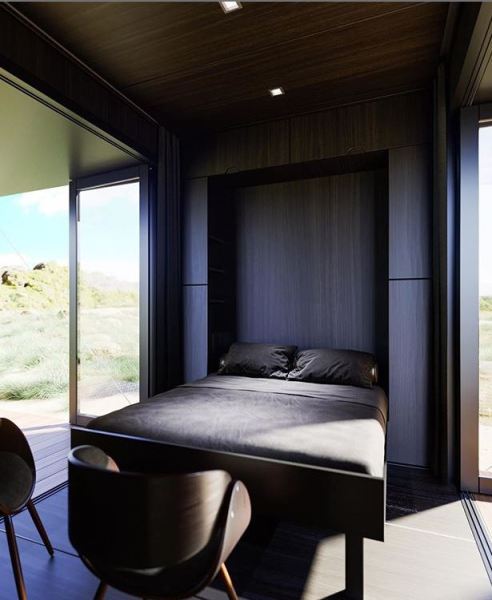 Drawing upon Garnero’s six years of cargotecture experience and Burdge’s design expertise, the duo recently launched the Buhaus: a tiny pre-permitted container home designed for indoor/outdoor living. “People appreciate great design, and most shipping container designs seem to be more low-end,” says Burdge. “We wanted to create a higher-end shipping container living unit.”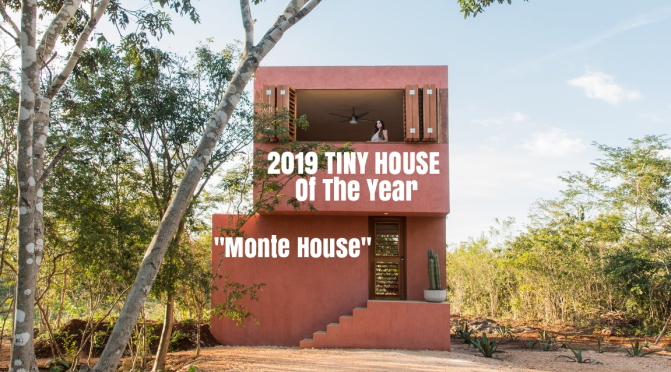
 Situated on a sweeping two-acre lot, this 452-square-foot abode is just right for two.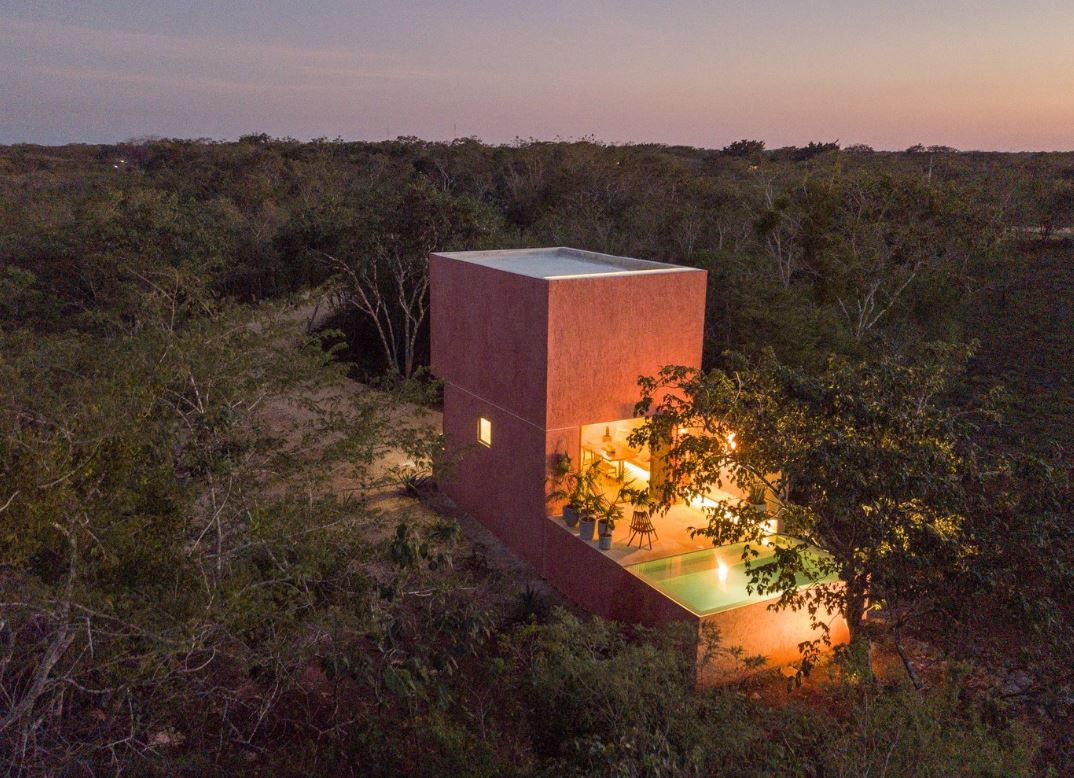
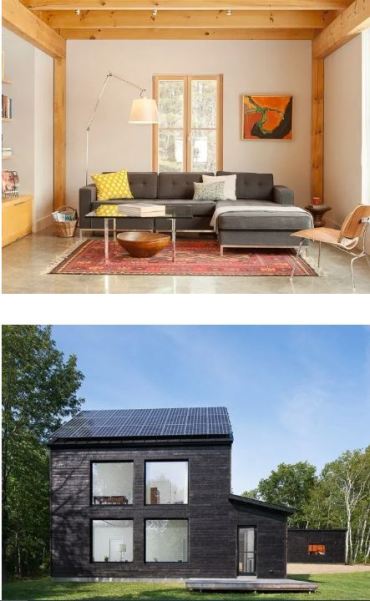 To meet Passive House standards, the Cousins River Residence features an airtight building envelope, triple-glazed windows with a u-value of 0.16, a heat recovery ventilation system with 90% efficiency, and a 4.6 kW south-facing photovoltaic array on the garage roof that makes the house nearly net-zero energy.
 Boomers Daily