Tag Archives: Cities

Swiss Views: The Streets And Sights Of Neuchâtel

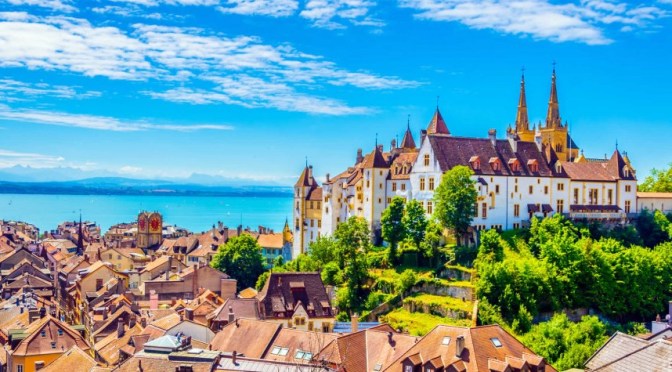
Neuchâtel (Neuenburg) is considered to be one of Switzerland most beautiful cities. It lays in the French speaking part of Switzerland and enchants with its visitors with its happy vibes. The city is very vibrant, many people love to stroll through the various streets and alleys, do shopping or go for sightseeing.

The city is full of limestone houses, which are very characteristic for Neuchâtel, rendering this city very distinct from the others of Switzerland. A must-see are the castle and the church on the hill in the middle of the city. They are considered historic landmarks from the days when Neuchâtel still followed a royal system being under French or Prussian rule. The church’s interior is very beautiful, especially with the ceiling. Neuchâtel has a beautiful lake promenade. Point of interest are Beau Rivage and the docks with the many boats.

During Summer you even can go for swimming. Neuchâtel is best to be reached by train, although arrival by car is possible. The train station is about 15 minutes from the city centre by walk, but you may take a shortcut by bus. Neuchâtel and the entire canton are great for cheap vacations as they have some attractive budget travelers offers. If you stay in any hotel in the canton, you get a booklet full of vouchers that provide you free public transportation and entry to the museums during the date of validity. It is valid for 1 day if you stay for 1 night, otherwise as many days as nights that you booked. All in all, Neuchâtel is a wonderful Swiss city, underrated but among the most beautiful ones!

Fall 2022 Views: A Walk Through Florence, Italy

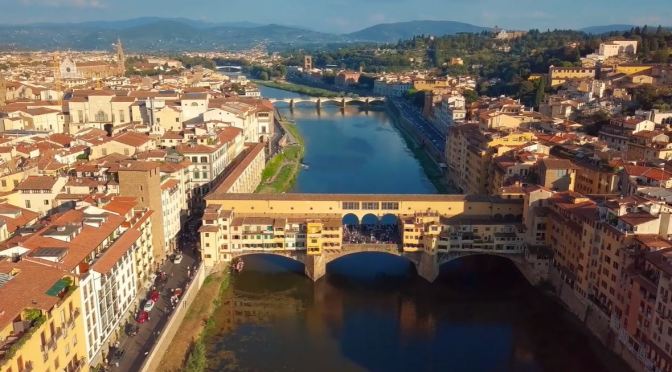
Florence, capital of Italy’s Tuscany region, is home to many masterpieces of Renaissance art and architecture. One of its most iconic sights is the Duomo, a cathedral with a terracotta-tiled dome engineered by Brunelleschi and a bell tower by Giotto. The Galleria dell’Accademia displays Michelangelo’s “David” sculpture. The Uffizi Gallery exhibits Botticelli’s “The Birth of Venus” and da Vinci’s “Annunciation.” 

Analysis: Saudi Arabia’s Hyper-Planned “Line City”

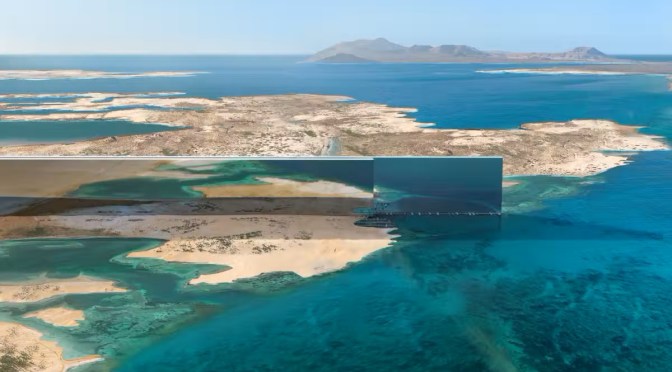
The Line is a proposed smart linear city in Saudi Arabia in Neom, Tabuk, currently under construction, which is designed to have no cars, streets or carbon emissions.

 The Line is being described as a one-building vertical city outfitted with exterior mirrors, big enough to house 9 million people — along with everything they need, from parks and waterfalls to flying taxis and robot maids. There are even plans to include an artificial moon for residents to gaze upon.

With its proposed width of only 656 feet, The Line will rely primarily on its height to encompass its residents and a host of modern trappings, such as a high-speed rail to connect sections of the 106-mile city. Saudi Arabian officials claim The Line will be otherwise devoid of roads, cars or emissions and will be powered strictly by clean energy (although details have not been released). Here are a few of most notable proposed features of The Line:

  • vertically layered homes, offices, public parks and public schools.
  • year-round climate control of all indoor and outdoor spaces.
  • high-speed rail that will transport residents from end-to-end in 20 minutes.
  • a five-minute walk to all amenities.
  • accessibility to parks and natural elements within a two-minute walk.

Tilt-Shift Timelapse Views: Munich & Oktoberfest (4K)

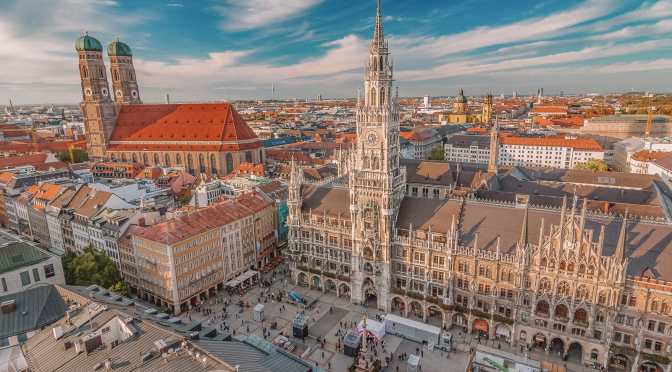
Munich, Bavaria’s capital, is home to centuries-old buildings and numerous museums. The city is known for its annual Oktoberfest celebration and its beer halls, including the famed Hofbräuhaus, founded in 1589. In the Altstadt (Old Town), central Marienplatz square contains landmarks such as Neo-Gothic Neues Rathaus (town hall), with a popular glockenspiel show that chimes and reenacts stories from the 16th century.

Filmed and edited by: Joerg Daiber

Travel Guide: 36 Hours In New York City (Fall 2022)

36 HOURS – New York City

By Becky Hughes Photographs by Karsten Moran 

Friday – 3:30 p.m. Get a bird’s eye view of the city

Pack in 400 years of history at the Museum of the City of New York in East Harlem ($20 suggested admission), opposite Central Park at the top end of Museum Mile. Its ongoing exhibition, “New York at Its Core,” will give you a glimpse of the neighborhoods you’ll encounter this weekend, and an overview of the many eras of the city’s development, including its few decades as the Dutch settlement of New Amsterdam, its 19th-century shift to an immigrant hub, the growth of the city’s park program after the New Deal and the birth of the punk and hip-hop subcultures of the 1970s and 1980s.

6 p.m. – Go grand in Midtown

To the dismay of the too-cool-for-school set, Midtown is having a moment. Rockefeller Center is enticing popular restaurateurs with real-estate deals, aiming to draw locals and tourists alike. One glamorous newcomer is Le Rock, a French brasserie (from the owners of the popular TriBeCa restaurant Frenchette) with a sleek Art Deco design and a pricey (around $200 for two without drinks) menu of chilled oysters ($24 for a half dozen), bison au poivre ($60) and a long list of natural wines. For a night of grand Manhattan opulence, you’re in good hands. Other notable arrivals in the area: Detroit-style slices at Ace’s Pizza, Italian dining with outdoor seating at Lodi (a Times food critic’s favorite) and the 11-seat Blue Ribbon Sushi Bar.

Saturday – 10 a.m. Have a morning nosh

The real breakfast of champions is a pastrami, egg and cheese sandwich ($12.50) at Frankel’s Delicatessen & Appetizing in Greenpoint, Brooklyn. There may be no better representation of New York deli cuisine than the happy marriage between the Jewish staple meat, and the bodega and coffee-cart hero, the bacon, egg and cheese. If securing a window seat is a bust, the benches of McCarren Park across the street are calling your name. And for breakfast dessert (you’re on vacation!): Peter Pan Donut & Pastry Shop. You might recognize the bakery from the 2021 movie “Spider-Man: No Way Home,” but regulars know it for the unparalleled blueberry buttermilk doughnuts ($1.75).

11 a.m. Shop by the skyline

From Greenpoint, the northernmost neighborhood in Brooklyn, the views of the East River are unbeatable. Follow Noble Street all the way to the end, and you’ll find Greenpoint Terminal Market, a marketplace of vendors, every Saturday and Sunday, rain or shine. You’ll get a top-tier view of the Manhattan skyline while you sift through racks of vintage clothes, tables of art and jewelry, and maybe get a really bad portrait made ($5) to commemorate the day. For a little more shopping, try Big Night, a “shop for dinner, parties and dinner parties”; Dobbin St. Vintage Co-op for vintage furniture; and the mini-Japanese market at 50 Norman for housewares by Cibone and customized dashi packs from Dashi Okume.

1:30 p.m. – Dive into NYC ephemera

Hidden away from Williamsburg’s chain coffee shops and boutique gyms is City Reliquary ($7 entry) a tiny, colorful storefront wedged between buildings on Metropolitan Avenue. Inside is a quirky and fascinating collection of New York artifacts curated by this not-for-profit community museum and civic organization. Packed (really packed) into two small rooms, you’ll find defunct subway signage, souvenirs from New York World’s Fairs, samples of rocks from far below the city and an astonishing amount more. Look for the many iterations of paper deli cups, including the iconic Anthora cup (designed by Leslie Buck in the 1960s), which you’ll still see at diners and bodegas today.

6 p.m. – Dine in the heart of the Village

Greenwich Village cynics will complain about its restaurants: Lines everywhere, many cash-only and littered with celebrities and the rubberneckers that follow. For first-time Village diners, though, Bar Pitti unfailingly delivers an entertaining night out. Get there around 6 p.m. (with cash — no cards accepted) and there should be a short wait. Order the eggplant Parmesan if it’s on the chalkboard of specials ($14.50), pappardelle in a pink cream sauce ($23.50) and a bottle of Lambrusco ($50). The best Italian food in New York? It’s probably not the best on its block. But the brash-yet-somehow-charming service, prime location and killer people-watching makes Bar Pitti a true New York affair. For a more relaxed alternative, Malatesta Trattoria has an excellent tagliatelle ragu ($17, cash-only) and a lower-key ambience.

To state the obvious: You can’t see New York City in 36 hours. You could easily fill a couple of days eating your way down one street in Jackson Heights, Queens, or spend an entire weekend uncovering corners of Central Park. This guide is not designed to check landmarks off a list, but rather to offer visitors one slice of life in New York (minus the laundry schlepping and skyrocketing rent). Below you’ll find a subterranean piano bar, a hidden garden, market shopping against the backdrop of an unbeatable skyline and some big-picture and hyperlocal history to bring you a little closer to feeling the gestalt of the city.

Read more at The New York Times

360° Views: The Coast And Skyline Of Miami, Florida

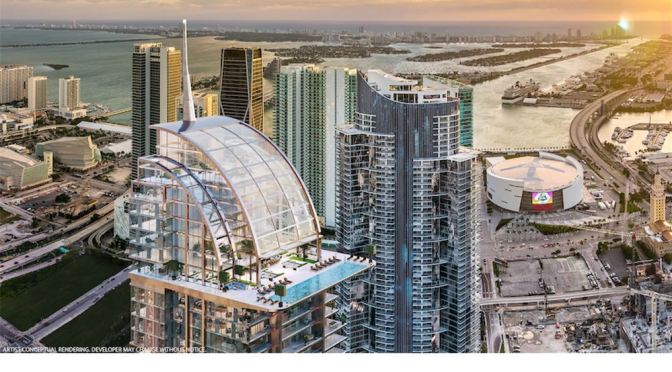
Miami, officially the City of Miami, is a coastal metropolis and the seat of Miami-Dade County in South Florida. With a population of 442,241 as of the 2020 census, it is the second-most populous city in Florida and the eleventh-most populous city in the Southeastern United States.

Miami is one of the state’s – and the world’s – most popular vacation spots. The trendy nightlife of South Beach, bejeweled by the eye candy of the Art Deco district. The bustle of Calle Ocho and the highly caffeinated energy of Little Havana. The plush hotels of Miami Beach and the historic hideaways of Coral Gables.

2022 Walks: Streets And Piazzas Of Rome, Italy

Filmed in October 2022.

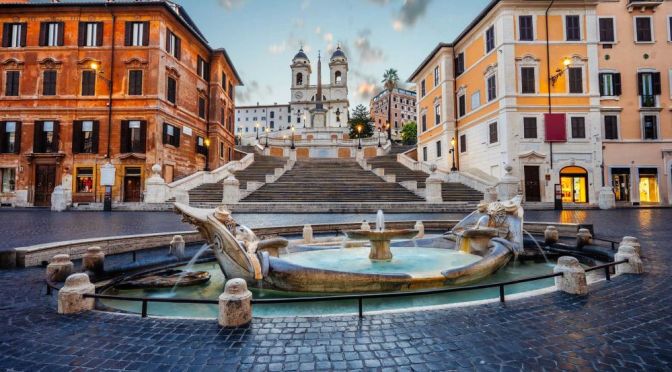
Rome was called the “Eternal City” by the ancient Romans because they believed that no matter what happened in the rest of the world, the city of Rome would always remain standing. Exploring the city centre by foot surrounded by glorious monuments and colossal remains takes you back in time to the “glory that was Rome”.

With its unparalleled history, Rome is the third most visited city in Europe and the fourteenth worldwide. It attracts visitors from all over the world who are impatient to discover the city’s impressive monuments and archaeological sites; not to mention its renowned cuisine and its lively atmosphere.

When exploring the Colosseum, visitors will easily imagine how the gladiators fought for their life in the arena, cheered by the crowd. In the Circus Maximus, travelers will picture the chariots crashing into each other in order to be first in the race, and in the Roman Forum visualise what the Roman public life was like.

Cinematic Short Films: Bordeaux & Saint Emilion

Filmed and edited by: Matteo Bertoli

Bordeaux, city and port, capital of Gironde départementNouvelle-Aquitaine région, southwestern France. It lies along the Garonne River 15 miles (24 km) above its junction with the Dordogne and 60 miles (96 km) from its mouth, in a plain east of the wine-growing district of Médoc.

The dry soil of Médoc attracted settlement as early as the Bronze Age; and, at least since Roman times, Bordeaux has been a flourishing town and port, with connections particularly with Spain and Britain. As Burdigala, it was the chief town of the Bituriges Vivisci, a Celtic people. Under the Romans it was the capital of the province of Aquitania, which extended from the Pyrenees to the Loire. In the 4th century Burdigala, then the capital of Aquitania Secunda (one of the three parts into which the emperor Diocletian had divided Aquitania), was described by the writer Ausonius, a native of the city, as a square, walled town and one of the great educational centres of Gaul. During the decline of the Roman Empire, the region around Bordeaux entered a period of political instability from which it recovered only when the dukes of Aquitaine established themselves early in the 10th century.

Travel: Exploring The City Of Prague, Czech Republic

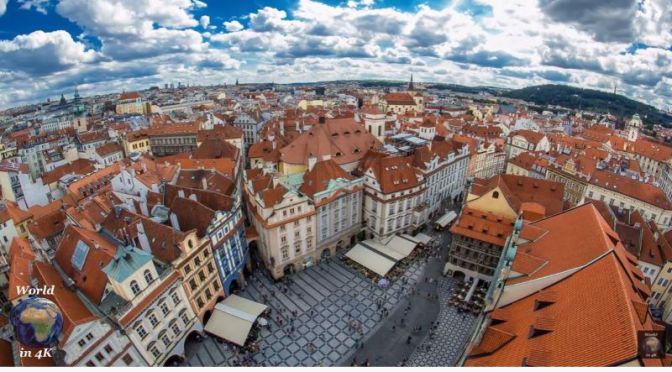
Prague is one of the most-visited cities in Europe. Before the coronavirus pandemic, overtourism was a real problem here: It was often so crowded that it was almost impossible to move around the historic Old Town, as well as around Charles Bridge, Hradcany Castle Hill, and Wenceslas Square.

What’s it like today, after the pandemic, and what ideas are there for tourism in Prague in the future? DW’s Nicole Frölich visited the Czech capital, and was surprised at what she discovered. Have you ever been to Prague?

Prague, capital city of the Czech Republic, is bisected by the Vltava River. Nicknamed “the City of a Hundred Spires,” it’s known for its Old Town Square, the heart of its historic core, with colorful baroque buildings, Gothic churches and the medieval Astronomical Clock, which gives an animated hourly show. Completed in 1402, pedestrian Charles Bridge is lined with statues of Catholic saints.

Travel Tours: A Day In Salzburg, Austria (4K)

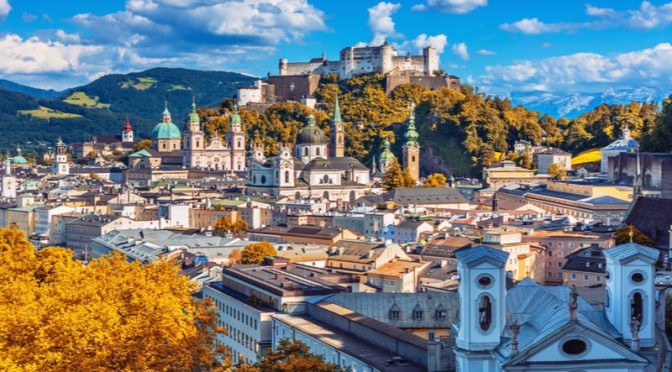
Salzburg, city, capital of Salzburg Bundesland (federal state), north-central Austria. It is situated in a level basin on both sides of the Salzach River near the northern foothills of the Alps and the Bavarian (German) border. The historic centre of the city, with its rich mix of art and architecture, was added to the UNESCO World Heritage List in 1996.

Salzburg was originally the site of a Celtic settlement and later of the Roman town of Juvavum. About 700 CE the Benedictine Abbey of St. Peter and the Nonnberg Nunnery were founded there by St. Rupert. Salzburg was made a bishopric by St. Boniface in 739 and was raised to an archbishopric in 798. Its archbishops were acknowledged as princes of the Holy Roman Empire in 1278, and the city became the seat of their powerful ecclesiastical principality. Among the most notable of the prince-archbishops were Wolf Dietrich von Raitenau (reigned 1587–1612), who brought Italian Renaissance architecture and styles to the city, notably by offering commissions to the Italian architect Vincenzo Scamozzi for public squares, a cathedral, and other buildings; Markus Sittikus von Hohenems (reigned 1612–19), who continued to rebuild the city with another Italian architect, Santino Solari; Paris, Graf (count) von Lodron (reigned 1619–53), who founded the city’s university (1622); and Leopold Anton von Firmian (reigned 1727–44).

Filmed in October