
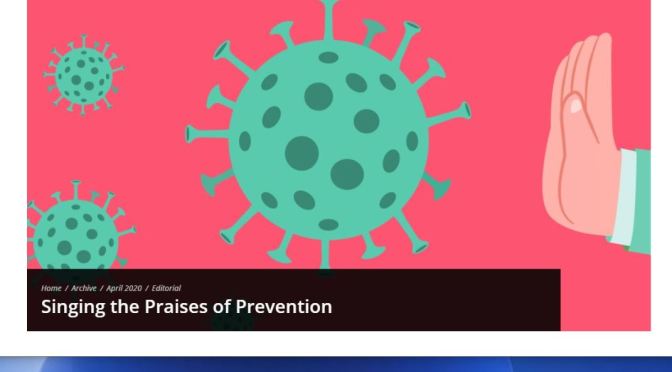
From Bob Grant, The Scientist Magazine (April 1, 2020):
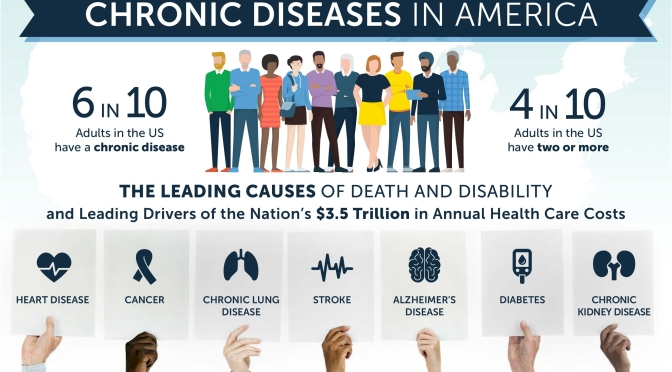
Prevention has been playing a growing role in other diseases, infectious and 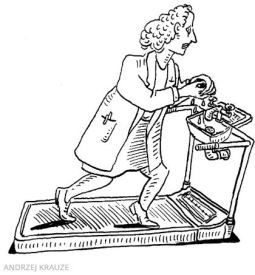 otherwise, long before this latest global pandemic. Cancer, the focus of this issue, is ubiquitous, and one would be hard pressed to find a person anywhere on Earth whose life wasn’t in some way touched by the complex and vexing malady.
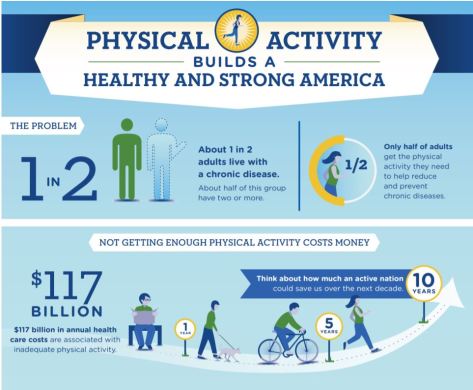
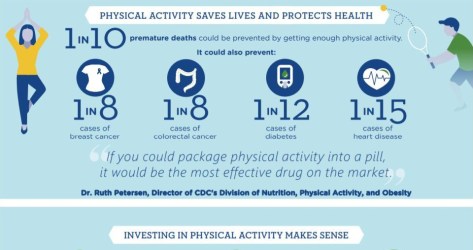
This cancer-focused issue features a cover story in which we explore one facet of cancer prevention: exercise. In this feature story, Danish researcher Bente Klarlund Pedersen explains that studies have shown frequent exercise to be useful in avoiding cancer as well as in helping cancer patients lessen the side effects of their cancers and treatments. Her research and that of others is seeking to enumerate the molecular and cellular mechanisms that underlie the benefits exercise seems to offer cancer patients.
But when one considers the practical ripples that biology sends through societies—issues of public health and the shared goal of minimizing the impact of diseases on a global scale—human behavior and prevention become vitally important.



 Though a law requiring clinical trial results reporting has been on the books for decades, many researchers have been slow to comply. Now, 2 years after the law was sharpened with higher penalties for noncompliance, investigative correspondent Charles Piller took a look at the results. He talks with host Sarah Crespi about the investigation and a surprising
 “The results we saw were stunning and suggest that holistically addressing aging via gene therapy could be more effective than the piecemeal approach that currently exists,” said first author Noah Davidsohn, a former research scientist at the Wyss Institute and HMS who is now chief technology officer of Rejuvenate Bio. “Everyone wants to stay as healthy as possible for as long as possible, and this study is a first step toward reducing the suffering caused by debilitating diseases.”
 …a new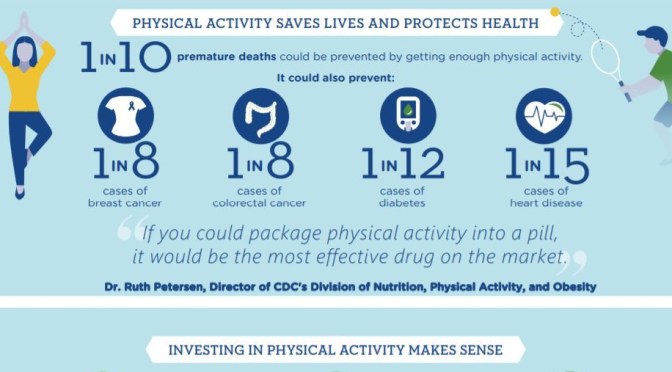
 Boomers Daily