
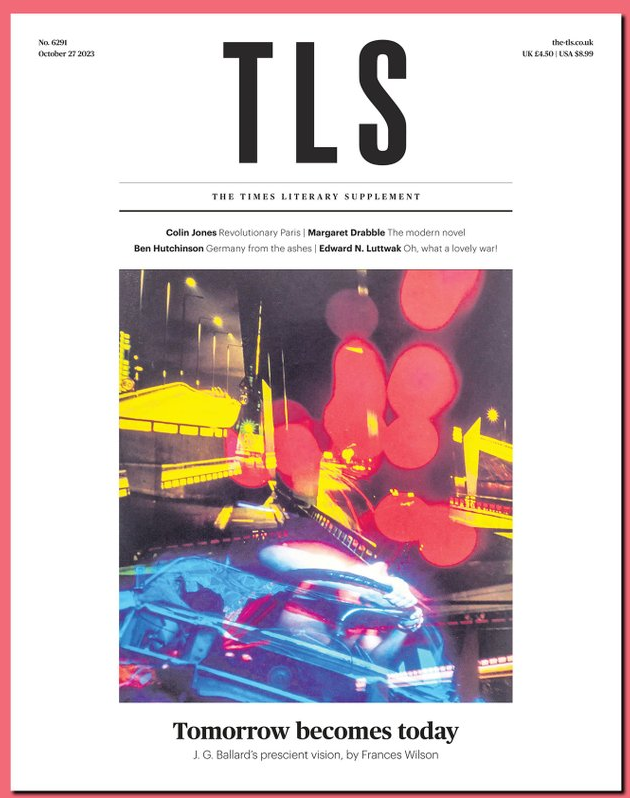
Times Literary Supplement (October27, 2023): The new issue features ‘Tomorrow becomes today’ – J.G. Ballard’s prescient vision; Revolutionary Paris; The modern novel; Germany from the ashes and Oh, what a lovely war!….

Times Literary Supplement (October27, 2023): The new issue features ‘Tomorrow becomes today’ – J.G. Ballard’s prescient vision; Revolutionary Paris; The modern novel; Germany from the ashes and Oh, what a lovely war!….


The Israeli government is taking a leaf out of Ariel Sharon’s playbook to try to undo what it regards as Sharon’s biggest mistake. This essay is on the ‘regime change’ planned for Gaza, and the carnage it entails.
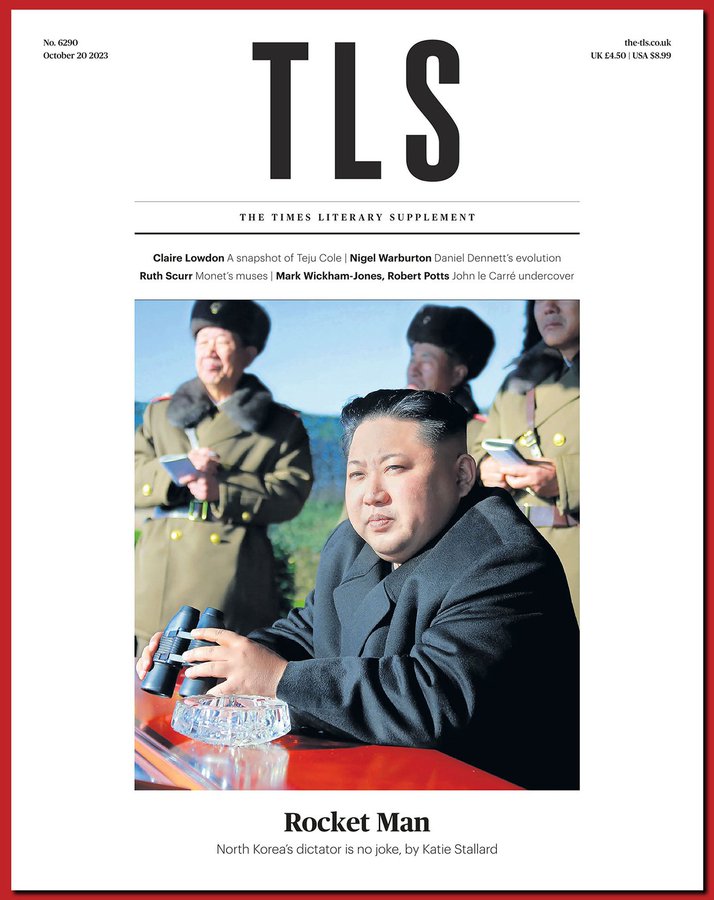
Times Literary Supplement (October20, 2023): The new issue features ‘Rocket Man’ – North Korea’s dictator is no joke; A snapshot of Teju Cole; Daniel Dennett’s evolution; Monet’s muses; John le Carré undercover, and more…
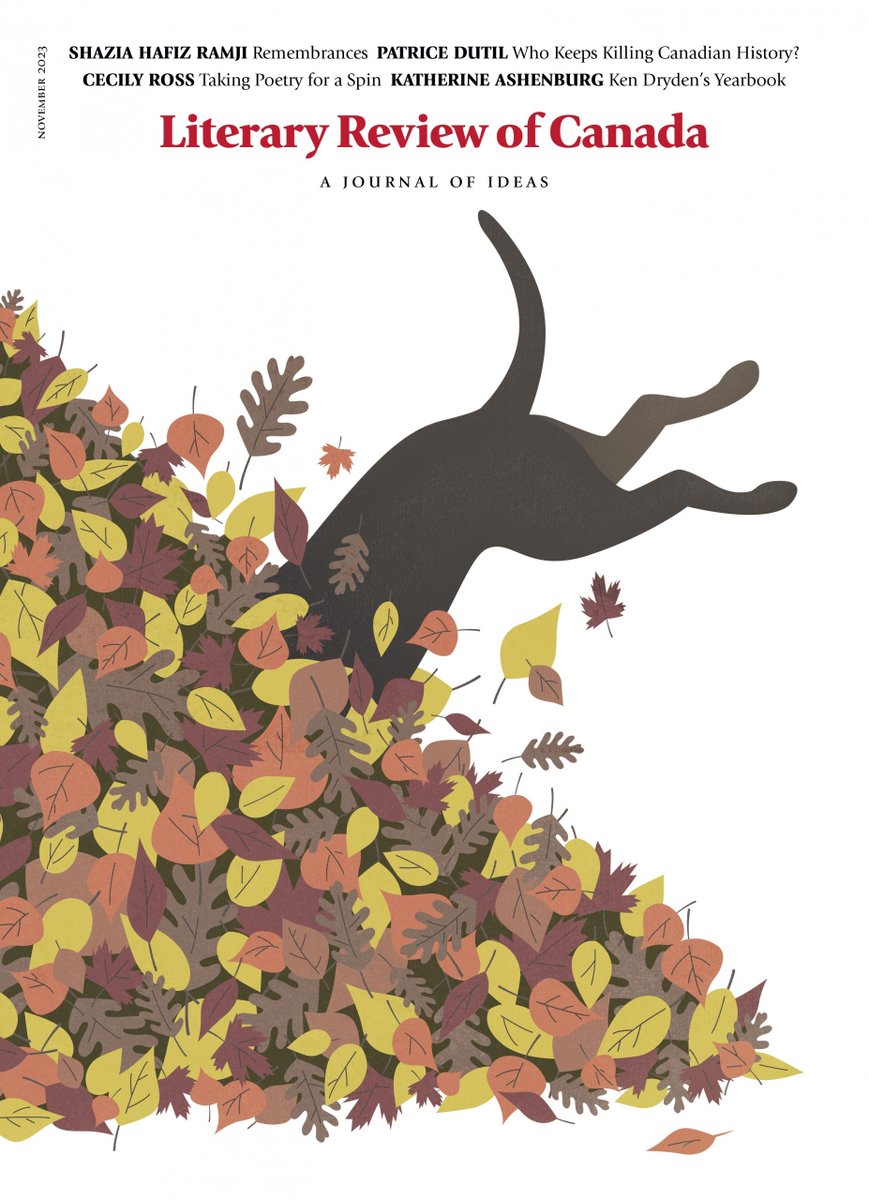

Literary Review of Canada – November 2023: The latest issue features Who Keeps Killing Canadian History; The Influencers – A dual biography from Charlotte Gray, and more…
Passionate Mothers, Powerful Sons: The Lives of Jennie Jerome Churchill and Sara Delano Roosevelt by Charlotte Gray
They were born the same year. Their families left Paris the same year. Their sons entered institutions that would shape their lives the same year. If Stephen Sondheim had written Passionate Mothers, Powerful Sons instead of Charlotte Gray, he might have employed one of the timeless lines from his Broadway show Company to depict the lives and loves of Jennie Jerome Churchill and Sara Delano Roosevelt: “Parallel lines who meet.”
Anthony Rota stepped down as Canada’s thirty-seventh Speaker of the House of Commons on September 27, for reasons pretty much the entire world knows. Between his unprecedented resignation and the election of Greg Fergus to take up that fancy oak and velvet chair, the electorate was treated to some familiar headlines. “Who Can Bring Back Commons Decency?” the Toronto Star asked on its front page. “Being Speaker Isn’t Easy,” the CBC reminded us. “And It Just Got a Lot Harder.”
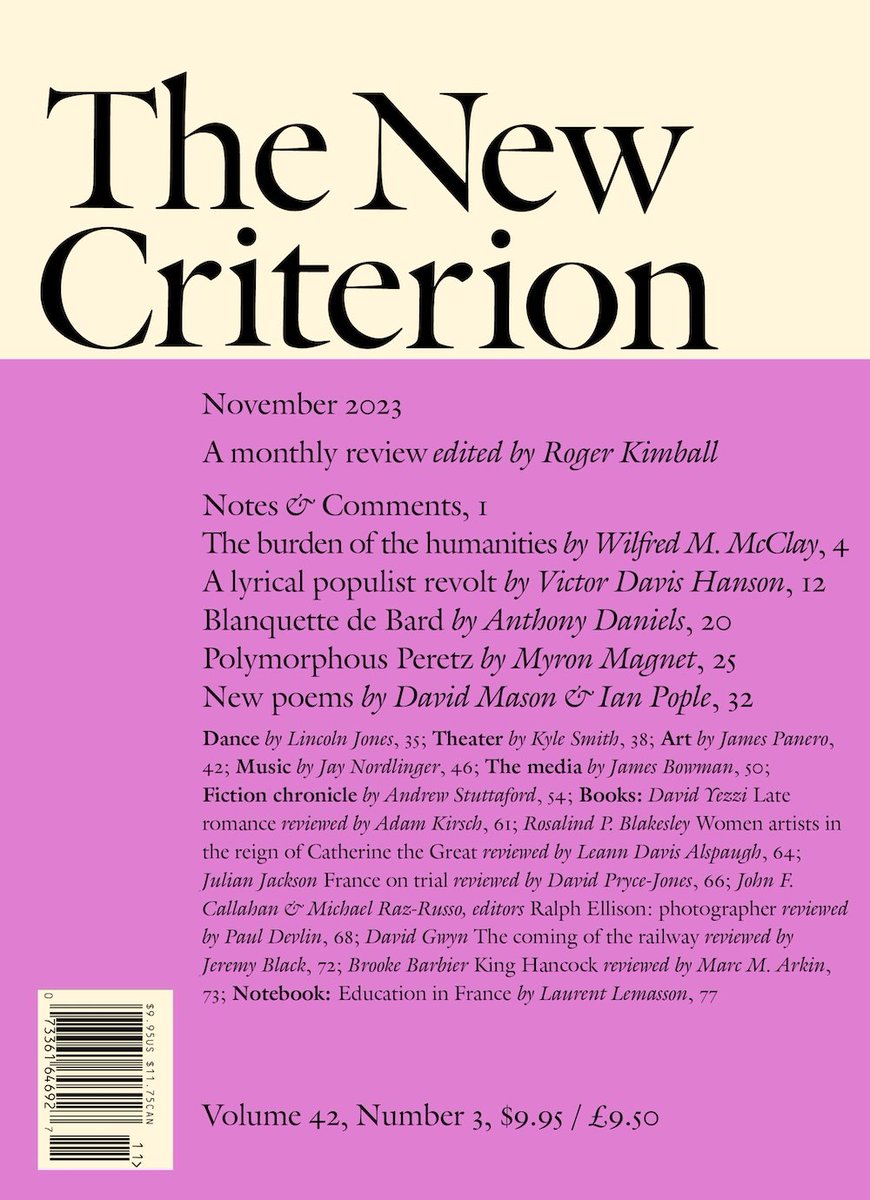
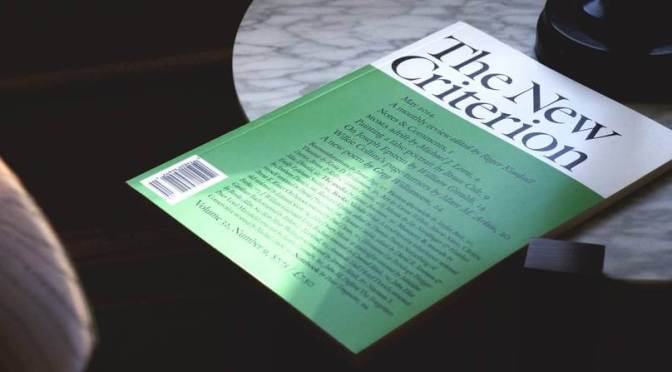
 The New Criterion – November 2023 issue: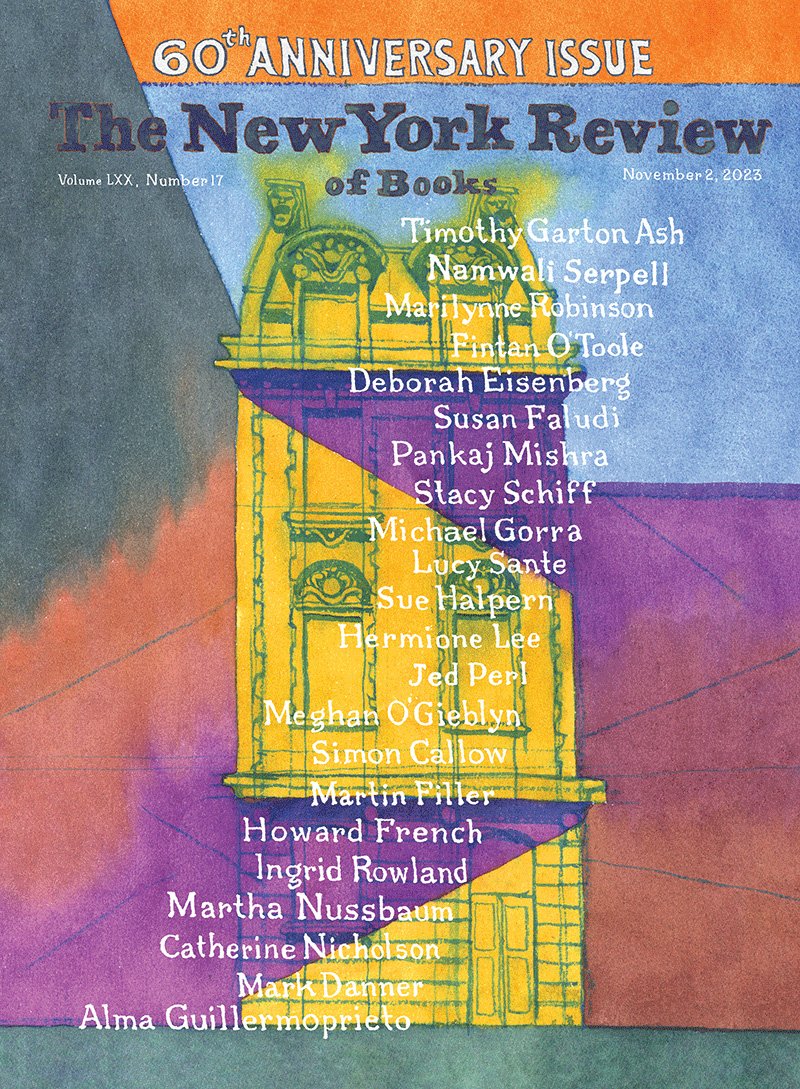


Uwe Wittstock’s new account of writers considering whether to flee or to remain in Germany during Hitler’s rise to power sheds light on the choices faced by many writers in India and Russia today.
by Uwe Wittstock, translated from the German by Daniel Bowles
“It will have become clear to you now,” Joseph Roth wrote to Stefan Zweig in mid-February 1933, “that we are heading for a great catastrophe.” Two weeks previously, on January 30, Germany’s eighty-five-year-old president, Paul von Hindenburg, had appointed as chancellor a man who for more than a decade had spoken and written frankly about his resolve to extirpate democracy and Jews from the country. Roth, who left Berlin the same morning Adolf Hitler came to power and never returned to Germany, was desperate to make his complacent friend recognize the perils before them.
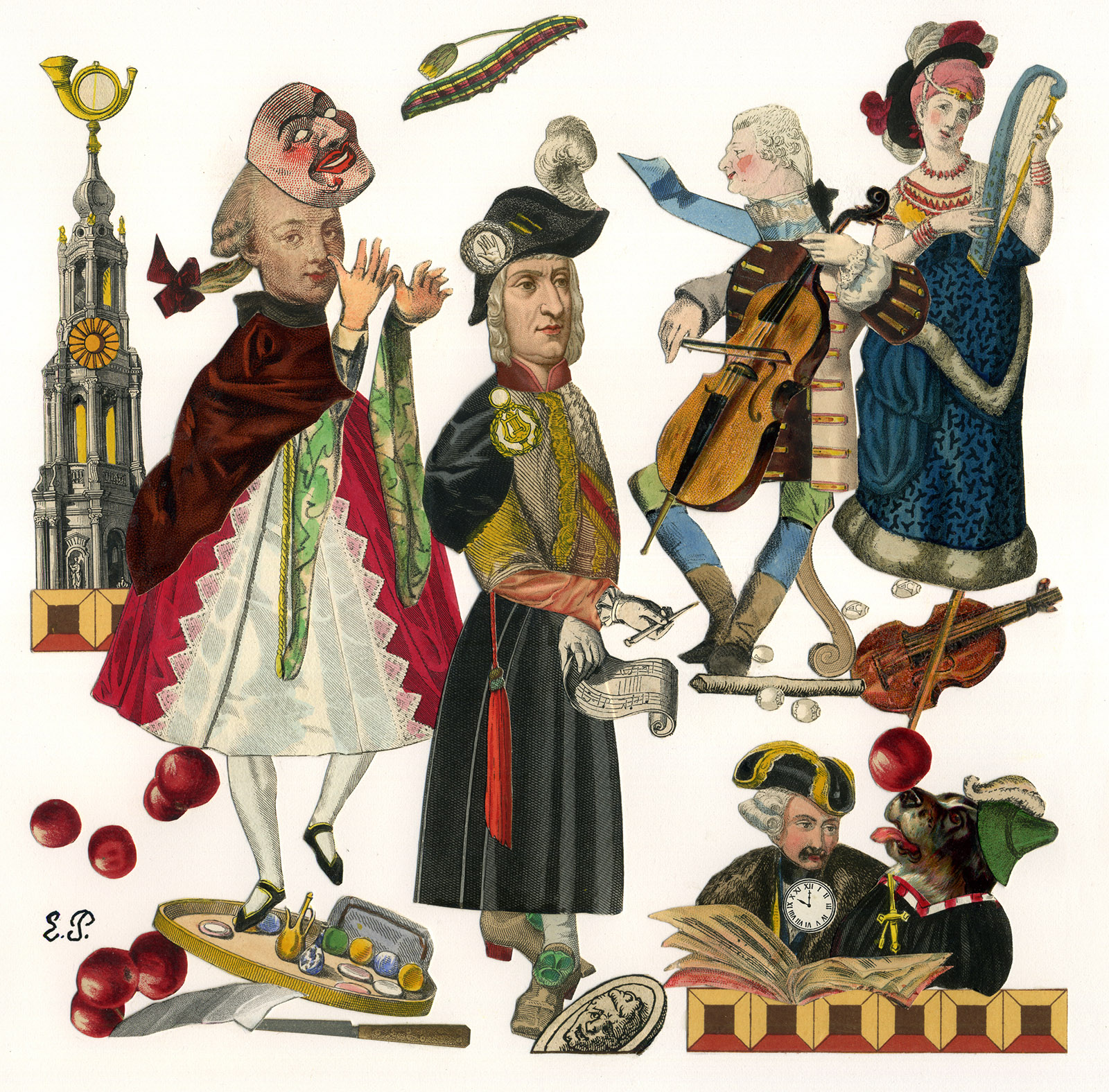
In his new biography, Peter Mackie conjures a vertiginous version of Mozart as the quintessential artist of the modern world.
By Simon Callow
by Patrick Mackie
Biographies of composers are a relatively recent genre; those of Mozart were among the first examples.Though his life was not as sensational as that of Gesualdo, for example, who murdered his wife, Mozart was, from his early years, an international celebrity whose very personality posed questions beyond the eternal riddle of creativity. How could a mere child—he started performing publicly on the clavichord at the age of six—be so astoundingly versatile? As he toured Europe, going from court to court and salon to salon with his father, Leopold, and his older sister, Maria Anna—a talented musician as well—the delightful little boy in his nattily embroidered outfits enchanted his listeners, readily obliging them with requests, however crass: now playing with the keys covered, now with only one finger, to delighted applause.

Times Literary Supplement (October13, 2023): The new issue features Deeper Truths – The spiritual quest of the Nobel Laureate Jon Fosse; ‘Woke Wars’ and identity politics; fashion and the Bloomsbury group; Jewish boxers in London; Elsa Morante’s princes and demons and ‘Free Will?’


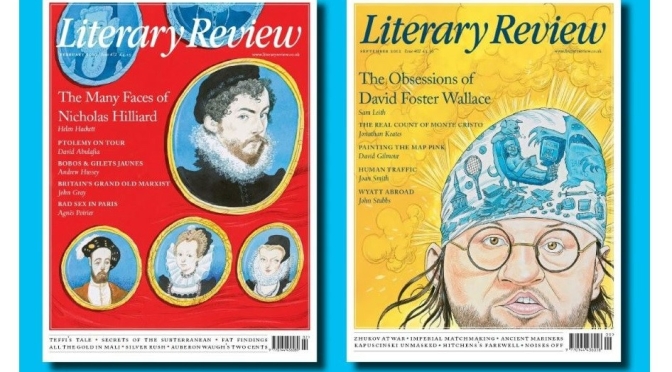
Literary Review – October 2023: The new issue features How Bond Was Born; Impressions of Monet; Inequality through the Ages; Adam Smith the Socialist, and more…

Becoming James Bond By Nicholas Shakespeare
Anthony Powell, two and a half years older than Ian Fleming, remembered him as ‘one of the few persons I have met to announce that he was going to make a lot of money out of writing novels, and actually contrive to do so’.
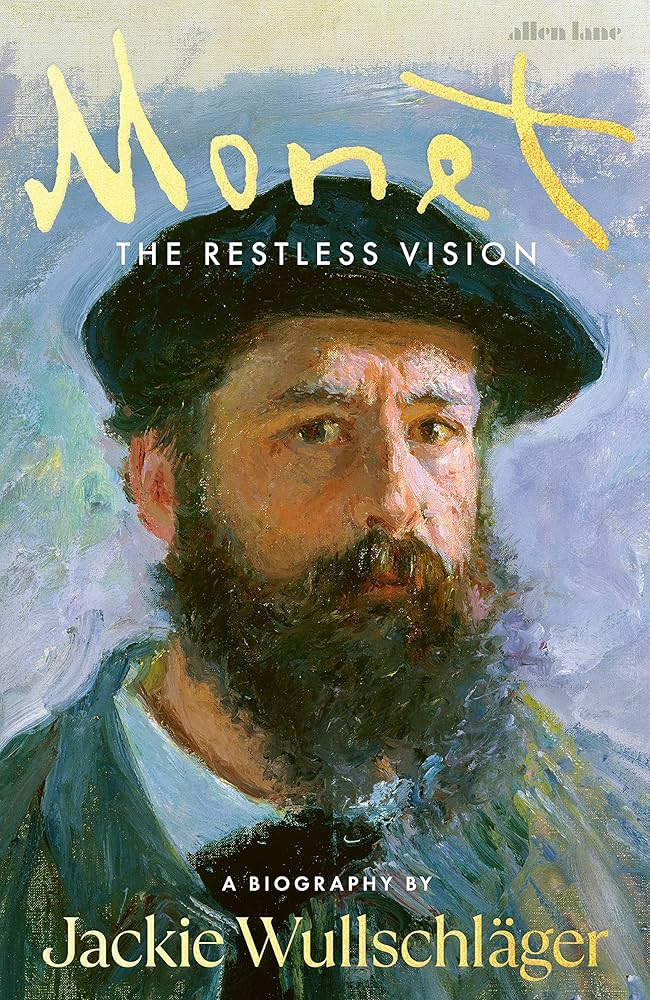
Monet: The Restless Vision By Jackie Wullschläger
You long for sublime artists to be sublime people. Or, if they’re bad, to be magnificently so. Possessing ‘a vanity born of supreme egoism’, Claude Monet ‘believed his art conferred a right to good living’ and that ‘his welfare must be … the immediate concern of others’, writes Jackie Wullschläger, chief art critic of the Financial Times. With great honesty, Wullschläger records her subject’s wearisome scrounging letters and his propensity for petty and often pointless mendacity.
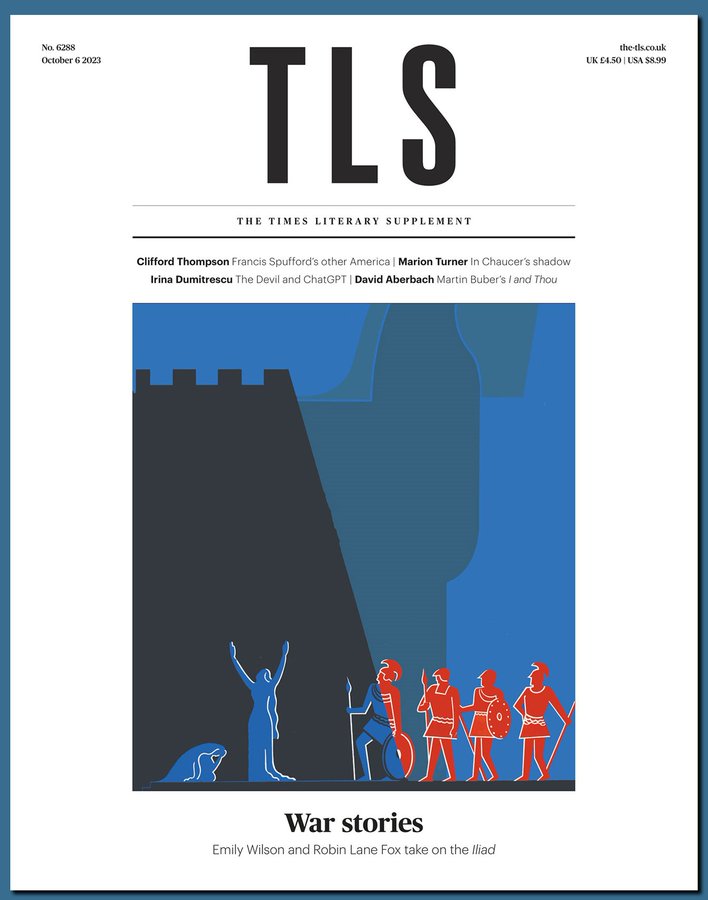
Times Literary Supplement (October 6, 2023): The new issue features War Stories – A review of the Iliad; Frances Sputford’s ‘Other America’; In Chaucer’s Shadow; The devil and ChatGPTand Martin Buber’s ‘I and Thou’…
 Boomers Daily