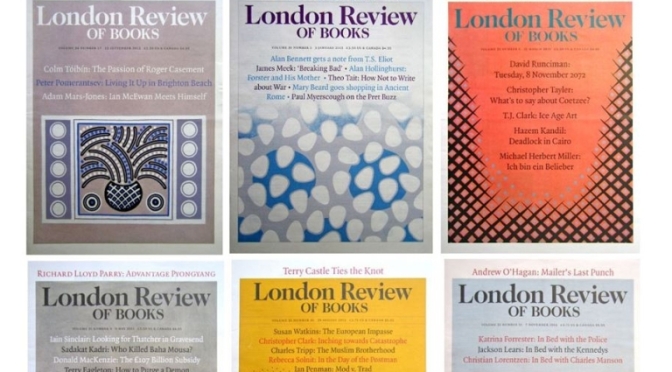
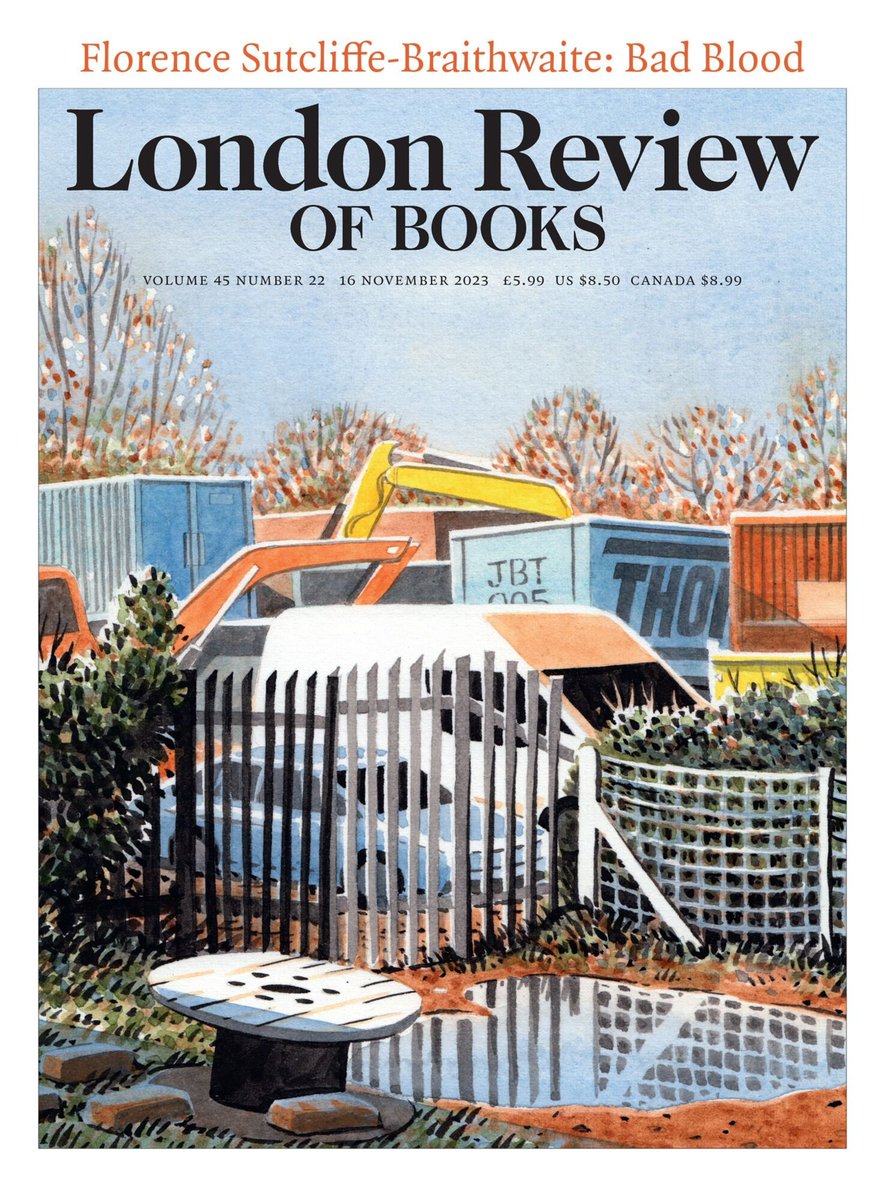
London Review of Books (LRB) – November 16, 2023: The latest issue feature The Inside Story of the NHS Infected Blood Scandal; Elizabeth Taylor’s Magic; The UK government has become increasingly hostile to Freedom of Information requests on arms, and more…
‘In the UK between 1970 and 1991, about 1250 people with bleeding disorders were infected with HIV (and many of them with Hepatitis C, too); by the time the Infected Blood Inquiry began, about three-quarters had died, the majority of them from HIV-related causes.
‘Nearly eighty years after she first starred in a film, Taylor is famous for two things: her intense screen beauty and her many marriages (eight of them, two to Richard Burton). But at least as central to her life were her close and enduring friendships with men.’
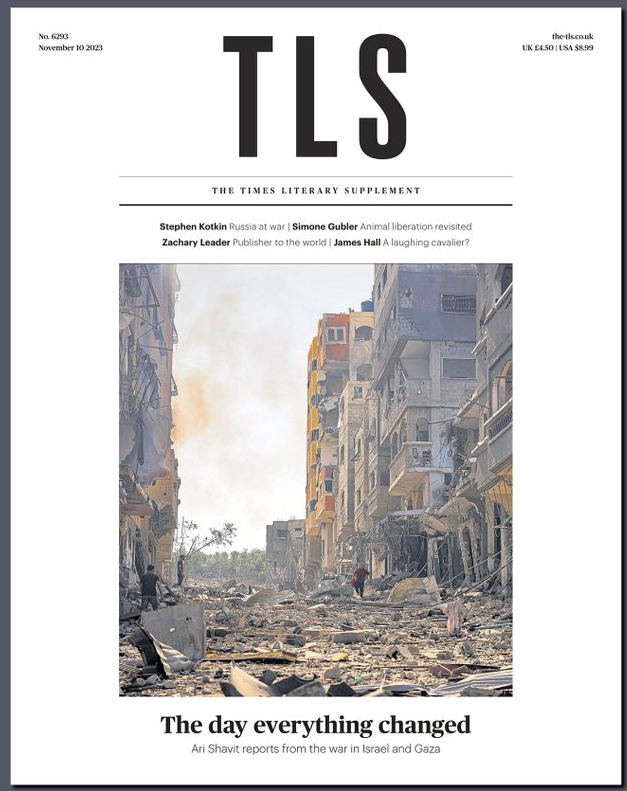
Times Literary Supplement (November 10, 2023): The new issue features The day everything changed – The war in Israel and Gaza; Russia at war; Animal liberation revisited; Publisher to the world; Maison Gainsbourg in Paris; and more…
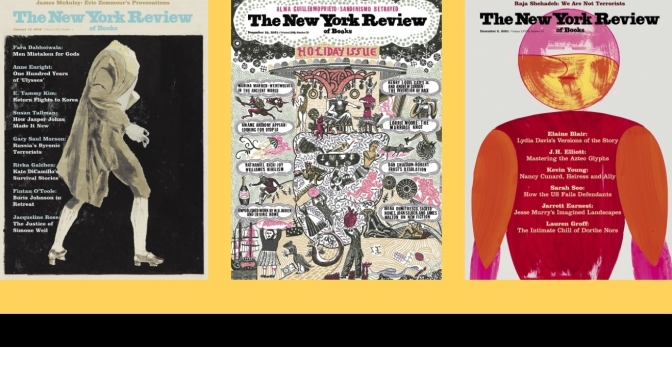
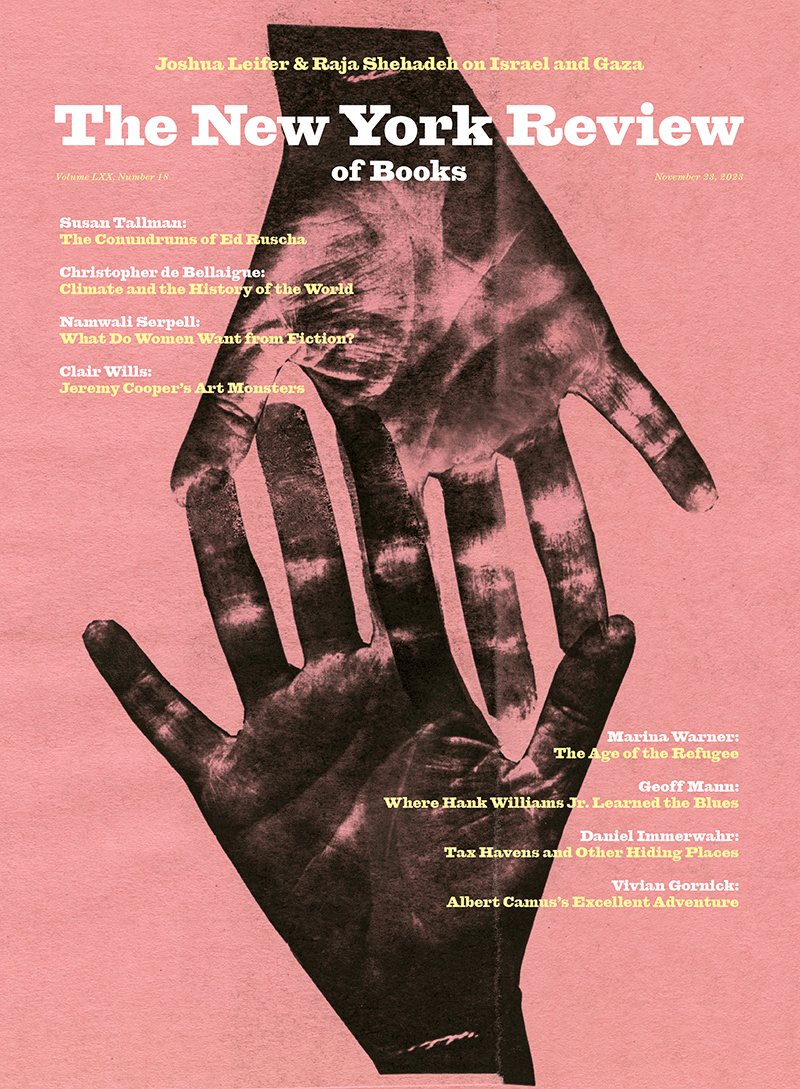
The New York Review of Books (November 23, 2023) – The latest features Inhumane Times – Israel’s current war, the punishment of the Palestinian people and an offensive against Hamas; Camus on Tour – Travels in the Americas: Notes and Impressions of a New World by Albert Camus; Zoning Out – Crack-Up Capitalism: Market Radicals and the Dream of a World Without Democracy by Quinn Slobodian, and more…
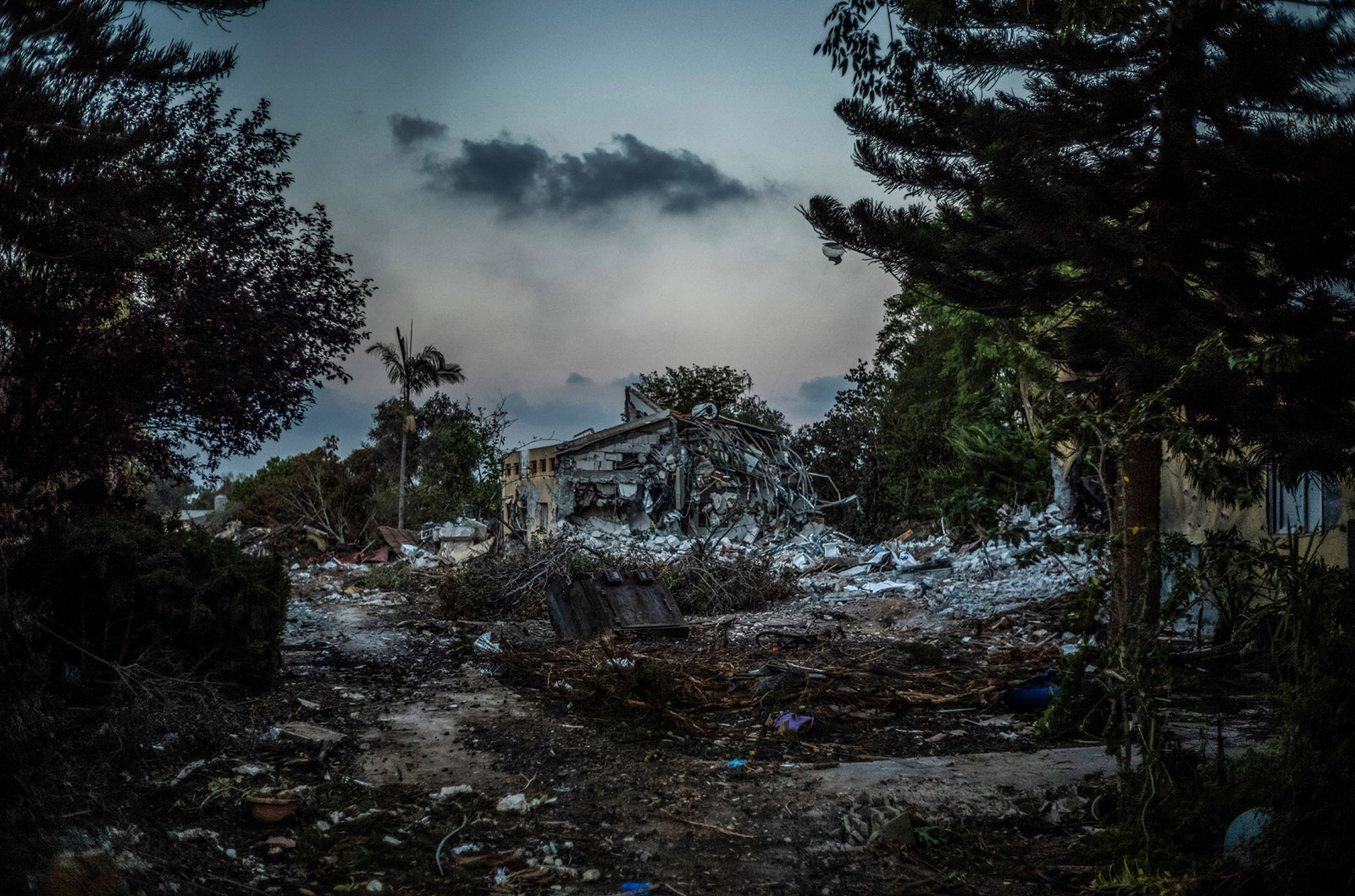
The scenes of devastation in Israel’s south on October 7 were almost beyond description. Children killed in their beds, babies taken from their mothers’ arms, the elderly slaughtered in their kitchens. Kfar Aza, a kibbutz close to the separation barrier with Gaza, was burned nearly to the ground: a charnel house. Between a quarter and a third of nearby Kibbutz Nir Oz’s residents were killed or kidnapped. Roughly 10 percent of Kibbutz Be’eri’s population was murdered. At least a dozen of tiny Kibbutz Holit’s two hundred members are dead. The streets of the city of Sderot were littered with bodies. At an outdoor rave near Kibbutz Reim, more than 260 young men and women were gunned down as they tried to flee.
Most of Albert Camus’s evaluations from his promotional trips across the Atlantic are superficial or laughably snotty. What’s intriguing is how quickly he demands that things make sense.
Nothing in a professional writer’s life more resembles the life of a traveling salesman than the literary book tour. The superficial difference between writers on tour and salesmen on the road is that writers are encouraged to imagine themselves prized personae whose pitch is eagerly awaited by the anonymous crowd, whereas salesmen know themselves to be an intrusion, albeit one with an edge. While both are beggars at the gate, each one singing for a bit of supper, salesmen are independent entrepreneurs, pretty much calling their own shots; writers, on the other hand, are performers in someone else’s show—a talk at ten, a class at twelve, a panel at three, a reading at seven, and oh, did I forget the ten or twelve interviews tucked in at every break in the day?—all the while being dragged around by people otherwise known as “handlers” who every half-hour tell them how much they are loved, how much their work is prized, how many lives it has changed, and yes, they know how tired you must be by now, but would you mind giving just one more very small interview, this guy’s been waiting all day to talk to you.
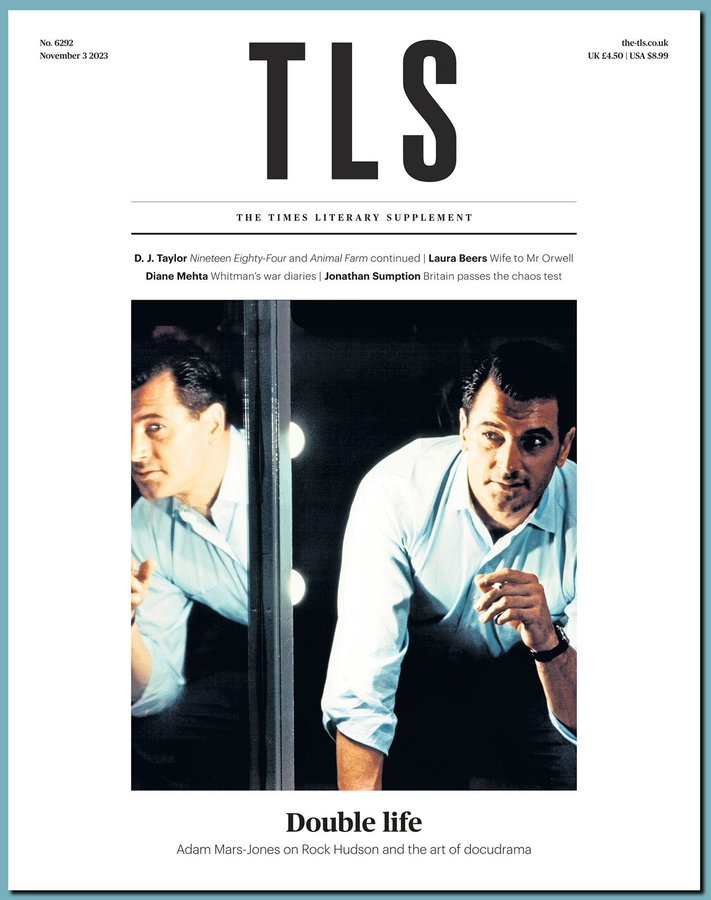
Times Literary Supplement (November 3, 2023): The new issue features Rock Hudson and the art of docudrama; Nineteen Eighty-Four and Animal Farm continued; Wife to Mr. Orwell; Whitman’s war diaries; Britain passes the chaos test and more…
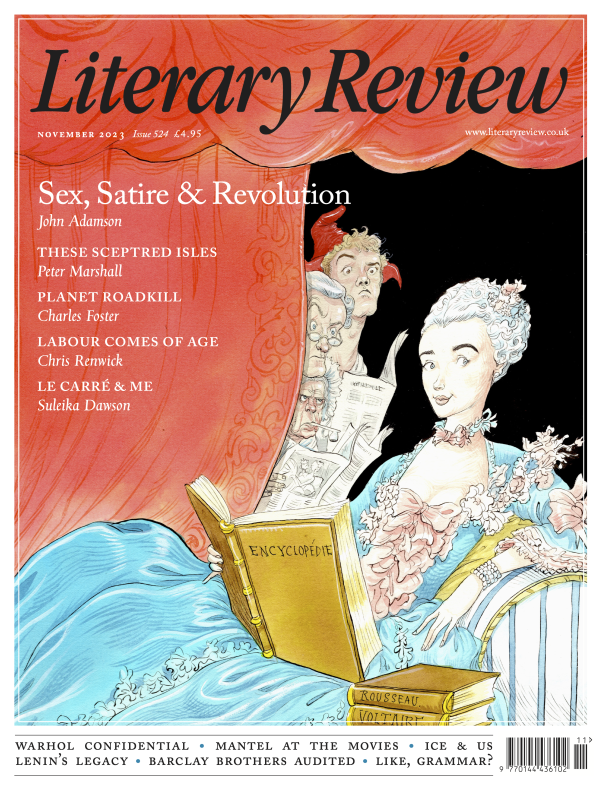
Literary Review – November 2023: The new issue features Sex, Satire & Revolution; The Race to the Future: The Adventure that Accelerated the Twentieth Century; Notes from the Atlantic Archipelago – The Britannias: An Island Quest; and more…
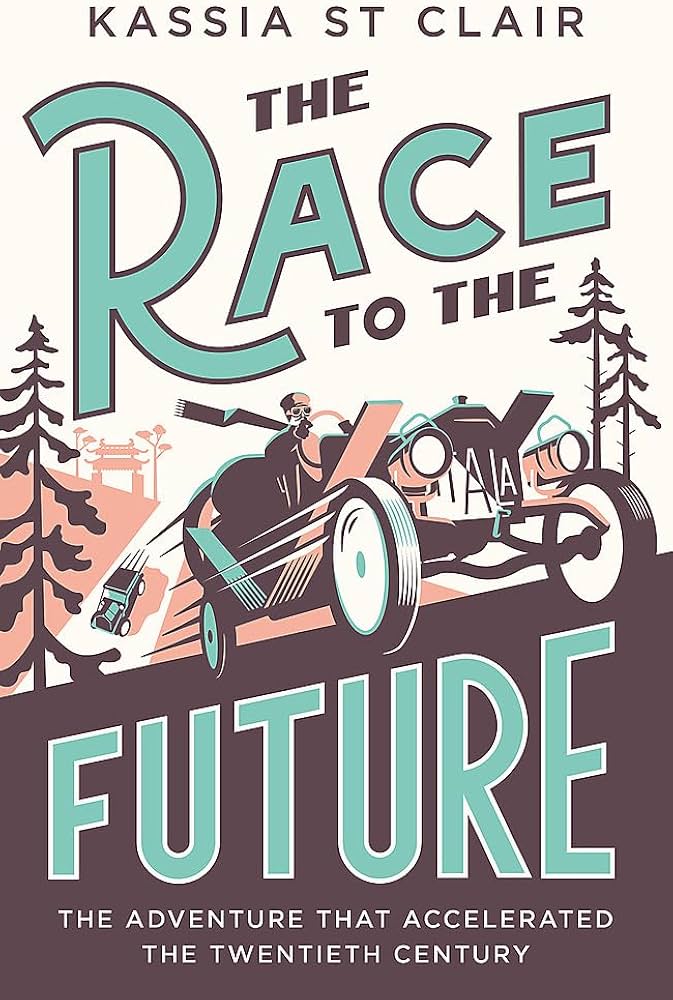
The Race to the Future: The Adventure that Accelerated the Twentieth Century
By Kassia St Clair
Cost, not a lack of courage, ensured that the entry field for the 1907 Peking to Paris car race was small. A massive two-thousand-franc deposit (equivalent to a professor’s annual salary) kept all but five of the aspiring contestants out of the race. That exclusion, as Kassia St Clair demonstrates in her captivating history of one of the most challenging endurance trials in the history of motoring, was precisely what the organisers intended.
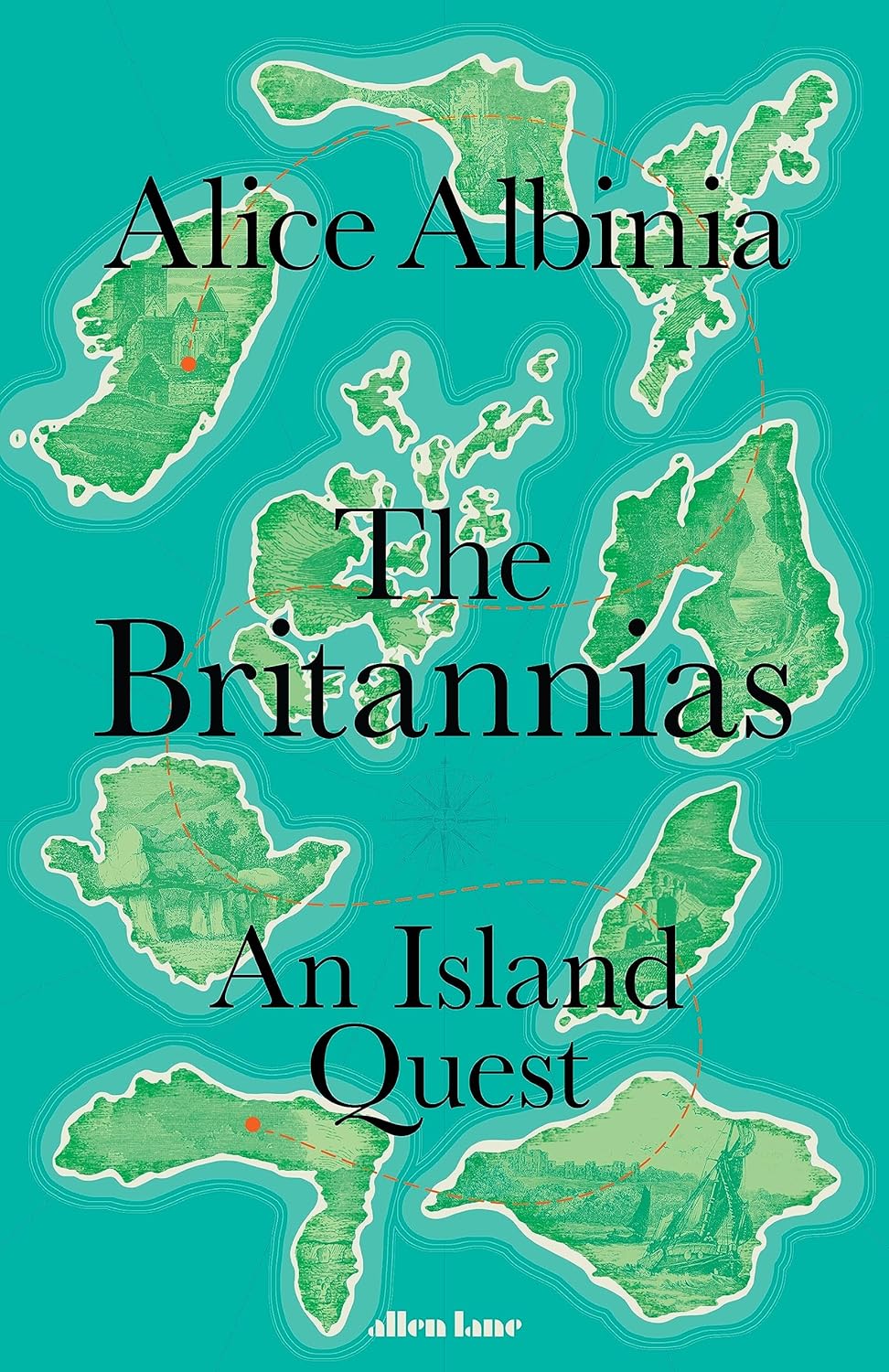
In July 2023 Orkney Islands Council voted to explore alternative governmental arrangements for the archipelago. One option proposed by the council leader was for it to become a self-governing territory of Norway, the kingdom which lost control of Orkney to Scotland in 1468. The episode – in reality, a smart political stunt in a row over the Scottish government’s transport policy – attracted extraordinary international attention. In the UK press, it was treated with an uneven mixture of constitutional soul-searching and patronising amusement at the Passport to Pimlico-styleantics of the Orcadians.
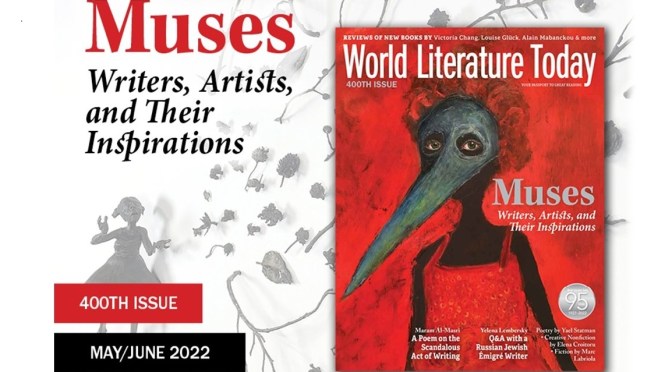
World Literature Today (October 29, 2023) – The latest issue features 4 Artists of Iraqi Descent – Achieving recognition in the Diaspora; Cornel West’s prophetic witness; Traveling Mexico City’s Body by Metro; The Cheikh Bookstore – One of the Few Still Standing in Algeria, and more…
Times Literary Supplement (October27, 2023): The new issue features ‘Tomorrow becomes today’ – J.G. Ballard’s prescient vision; Revolutionary Paris; The modern novel; Germany from the ashes and Oh, what a lovely war!….
London Review of Books (LRB) – November 2, 2023: The new issue features After the Flood – Amjad Iraqi on the ‘regime change planned for Gaza and the carnage it entails; SBF in the dock and Emily Witt on Teju Cole….
The Israeli government is taking a leaf out of Ariel Sharon’s playbook to try to undo what it regards as Sharon’s biggest mistake. This essay is on the ‘regime change’ planned for Gaza, and the carnage it entails.
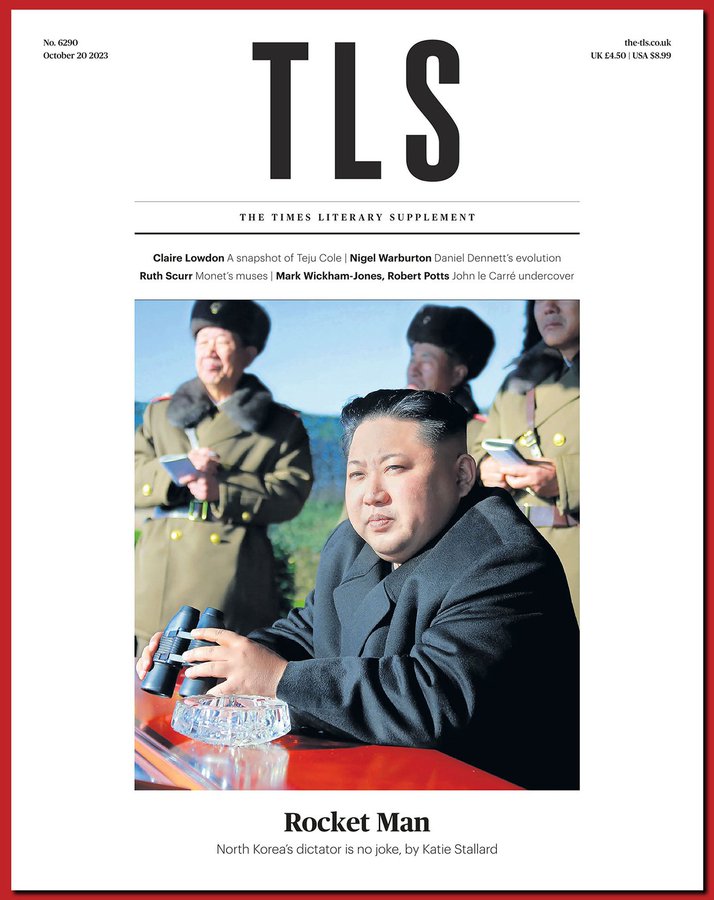
Times Literary Supplement (October20, 2023): The new issue features ‘Rocket Man’ – North Korea’s dictator is no joke; A snapshot of Teju Cole; Daniel Dennett’s evolution; Monet’s muses; John le Carré undercover, and more…
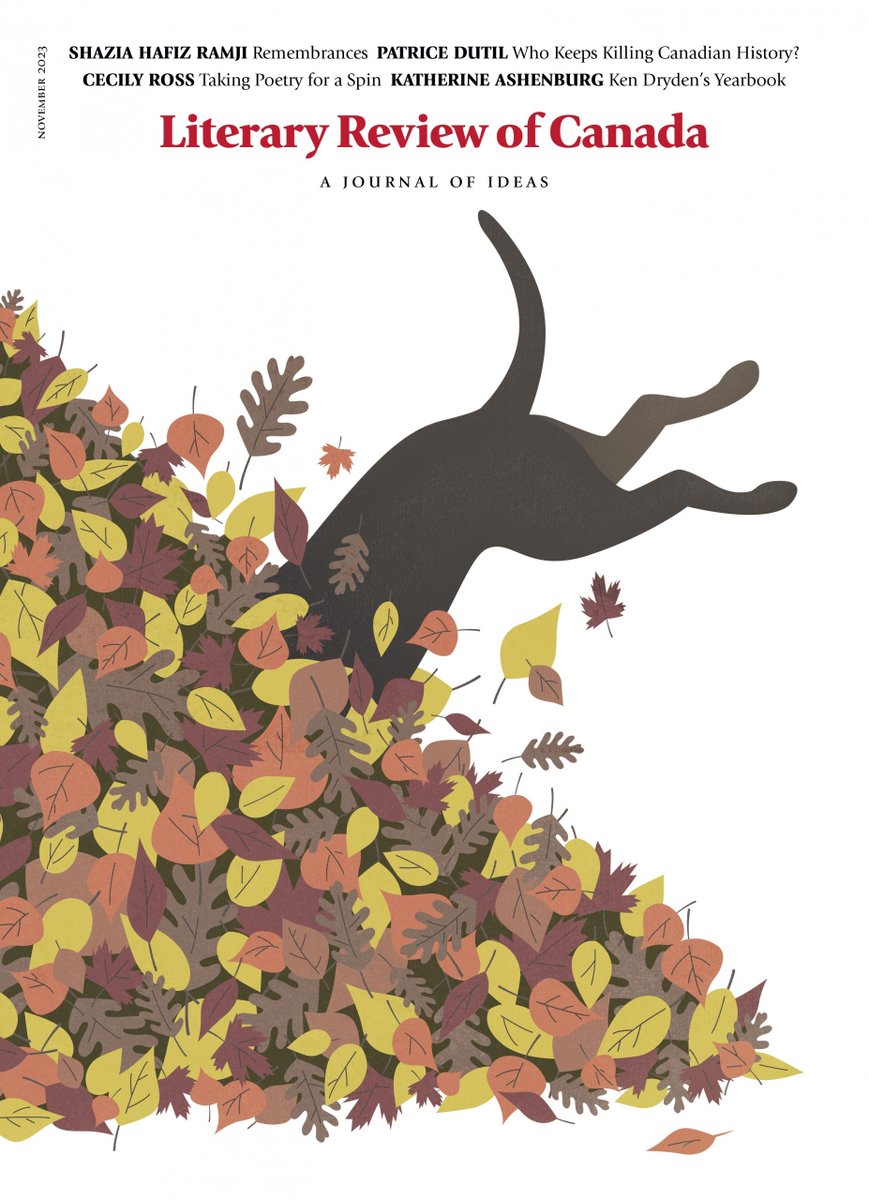
Literary Review of Canada – November 2023: The latest issue features Who Keeps Killing Canadian History; The Influencers – A dual biography from Charlotte Gray, and more…
Passionate Mothers, Powerful Sons: The Lives of Jennie Jerome Churchill and Sara Delano Roosevelt by Charlotte Gray
They were born the same year. Their families left Paris the same year. Their sons entered institutions that would shape their lives the same year. If Stephen Sondheim had written Passionate Mothers, Powerful Sons instead of Charlotte Gray, he might have employed one of the timeless lines from his Broadway show Company to depict the lives and loves of Jennie Jerome Churchill and Sara Delano Roosevelt: “Parallel lines who meet.”
Anthony Rota stepped down as Canada’s thirty-seventh Speaker of the House of Commons on September 27, for reasons pretty much the entire world knows. Between his unprecedented resignation and the election of Greg Fergus to take up that fancy oak and velvet chair, the electorate was treated to some familiar headlines. “Who Can Bring Back Commons Decency?” the Toronto Star asked on its front page. “Being Speaker Isn’t Easy,” the CBC reminded us. “And It Just Got a Lot Harder.”
News, Views and Reviews For The Intellectually Curious






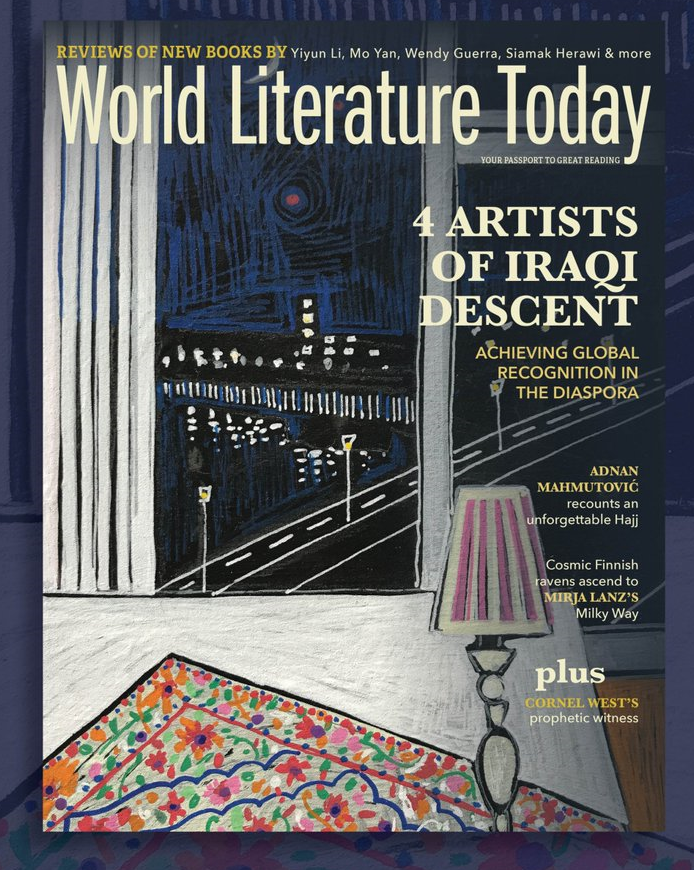
 World Literature Today (October 29, 2023) – The latest issue features 4 Artists of Iraqi Descent – Achieving recognition in the Diaspora; Cornel West’s prophetic witness; Traveling Mexico City’s Body by Metro; The Cheikh Bookstore – One of the Few Still Standing in Algeria, and more…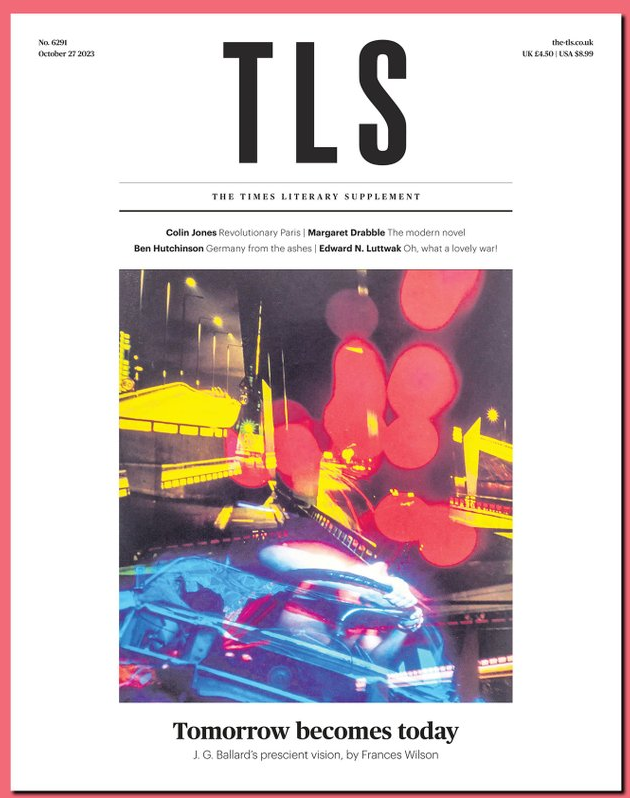


 Boomers Daily