
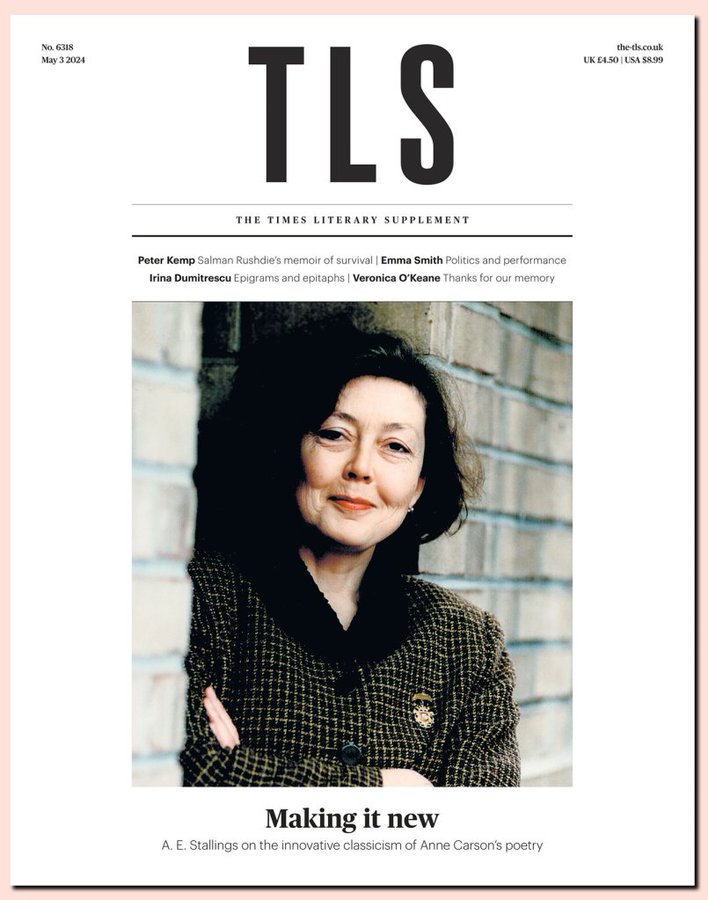
Times Literary Supplement (May 1, 2024): The latest issue features ‘Making it New’ – A.E. Stallings on the innovative classicism of Anne Carson’s poetry; Salman Rushdie’s memoir of survival; Politics and performance and more…

Times Literary Supplement (May 1, 2024): The latest issue features ‘Making it New’ – A.E. Stallings on the innovative classicism of Anne Carson’s poetry; Salman Rushdie’s memoir of survival; Politics and performance and more…

Times Literary Supplement (April 24, 2024): The latest issue features ‘The Mormon Conquest’ – Seth Perry on a people of the book; Is ‘green growth’ a mirage; Virginia Woolf’s rural retreat; China’s Shakespeare…


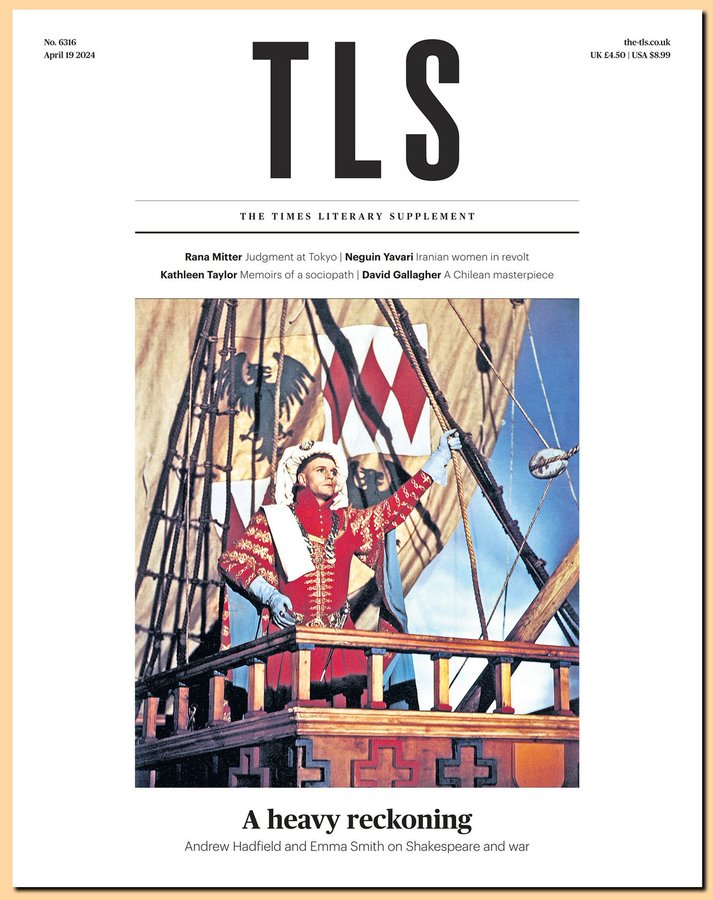
Times Literary Supplement (April 17, 2024): The latest issue features ‘A Heavy Reckoning’ – Shakespeare and War’; Judgment at Tokyo; Iranian women in revolt; Memoirs of a sociopath and A Chilean masterpiece…
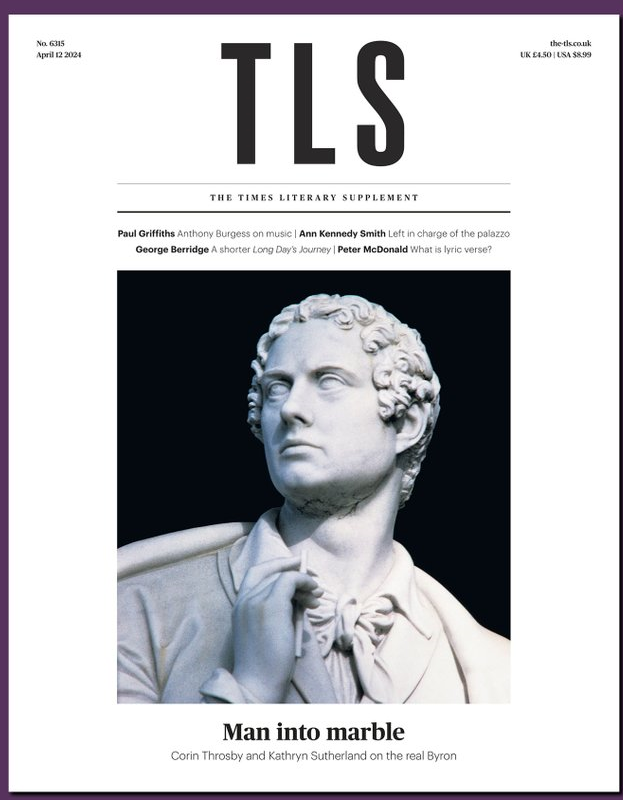
Times Literary Supplement (April 10, 2024): The latest issue features ‘Man Into Marble’ – Corin Throsby and Kathryn Sutherland on the real Byron; Anthony Burgess on music; Left in charge at the palazzo; Revolutionary Russia; A shorter Long Day’s Journey and What is lyric verse?…

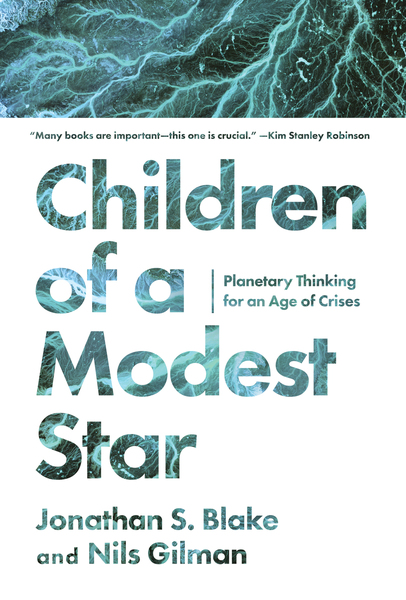
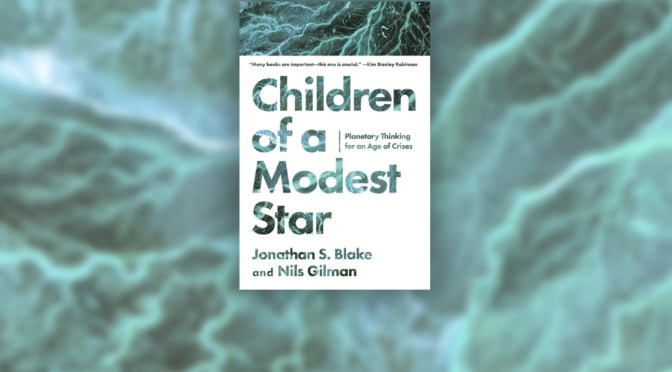
A clear-eyed and urgent vision for a new system of political governance to manage planetary issues and their local consequences.
Deadly viruses, climate-changing carbon molecules, and harmful pollutants cross the globe unimpeded by national borders. While the consequences of these flows range across scales, from the planetary to the local, the authority and resources to manage them are concentrated mainly at one level: the nation-state. This profound mismatch between the scale of planetary challenges and the institutions tasked with governing them is leading to cascading systemic failures.
Produced by Studio B. at the Berggruen Institute
Animation by Meysam Qaderi
Illustration by Akram Esmaili
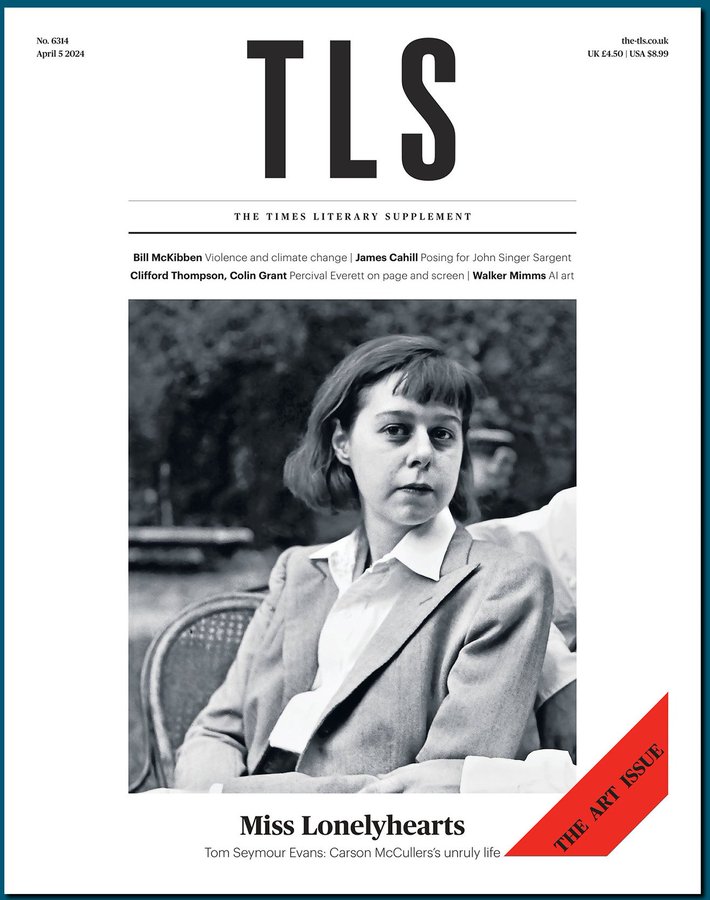
Times Literary Supplement (April 3, 2024): The ‘The Art Issue’ features ‘Miss Lonelyhearts’ – Tom Seymour Evans: Carson McCullers’s unruly life; Violence and Climate Change; Posing for John Singer Sargent and Huckleberry Jim – Mark Twain’s escaped slave wrests control of his story…

Carson McCullers: a novelist of the marginalized and ‘those struggling to understand who they are’

Mark Twain’s escaped slave wrests control of his story

Percival Everett’s wry, provocative novel on the publishing world brought to the screen
By Colin Grant


Literary Review – April 2, 2024: The latest issue features ‘From Bebop to Britpop’; Legends of Orkney; A Garden of One’s Own and Writing Doomsday…
By JOHN KEAY


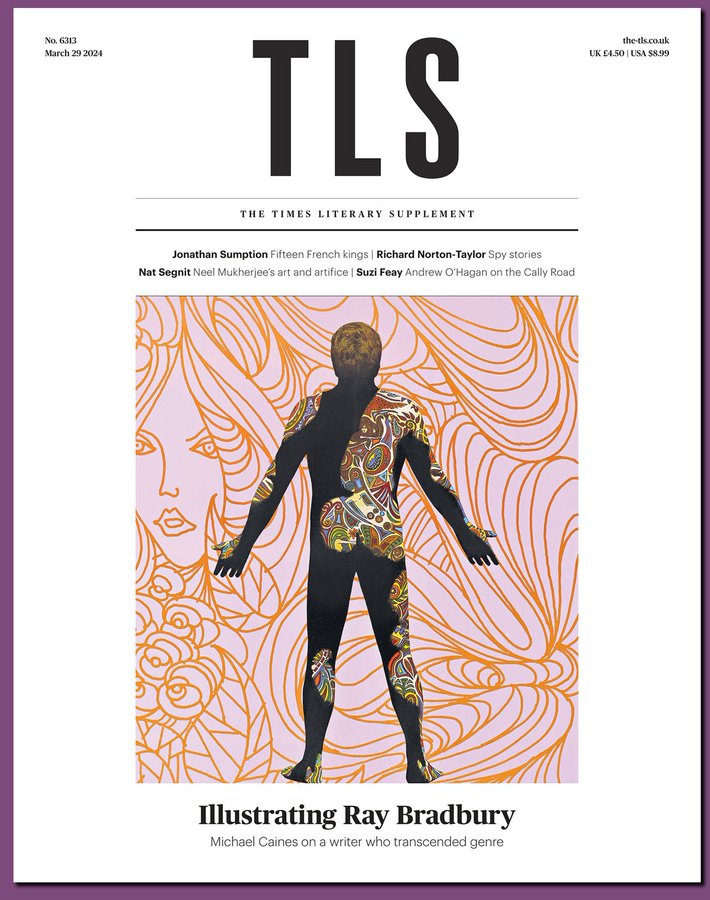

Times Literary Supplement (March 27, 2024): The latest issue features ‘Illustrating Ray Bradbury’ – Michael Caines on a writer who transcended genre; Fifteen French Kings; Spy stories; Neel Mukherjee’s art and artifice; Space colonization and Andrew O’Hagan on the Cally Road….


 Boomers Daily