
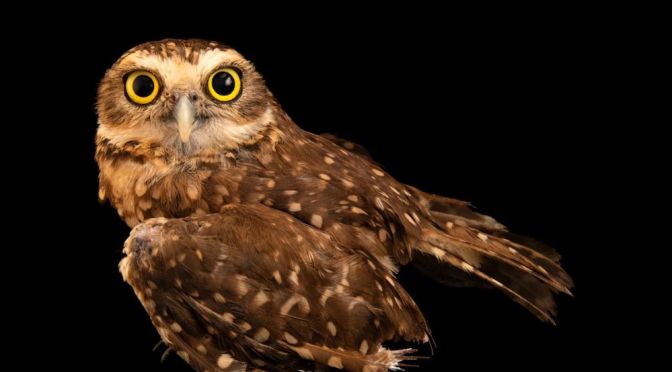
We have the superb owls you've been waiting for. #SuperbOwl
— National Geographic (@NatGeo) February 13, 2022
Thanks to Nat Geo Explorer @joelsartore's #PhotoArk pic.twitter.com/IoeRfQ6v2G
Tag Archives: Birds
Views: Gannets In Cape Kidnappers, New Zealand
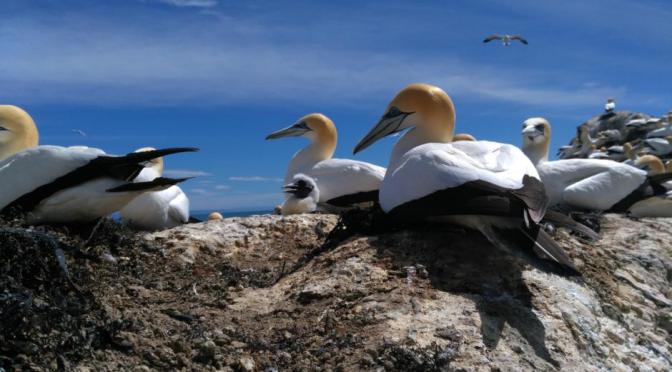
We leave you this Sunday morning at Cape Kidnappers in New Zealand, with gannets, who mate for life. Videographer: Jaime McDonald.
Australasian gannets nest in dense breeding colonies on the New Zealand mainland and coastal rocks and islands, as well as off south-east Australia and Tasmania. Although gannets can be seen occasionally from most places along the coasts of the New Zealand main islands, most gannetries are situated off the North Island. The largest mainland gannetry is at Cape Kidnappers, with around 5,000 breeding pairs. Other mainland breeding sites include Muriwai and Farewell Spit.
Australasian gannets mostly feed on waters over the continental shelf. They prefer flat ground for nesting, rather than cliff ledges. Breeding colonies are mostly situated at sites that are completely or largely surrounded by the sea, i.e. on islands or headlands.
Cape Kidnappers, also known as Te Kauwae-a-Māui and officially known as Cape Kidnappers / Te Kauwae-a-Māui, is a headland at the southeastern extremity of Hawke’s Bay on the east coast of New Zealand’s North Island and sits at the end of an 8 kilometres peninsula which protrudes into the Pacific Ocean.
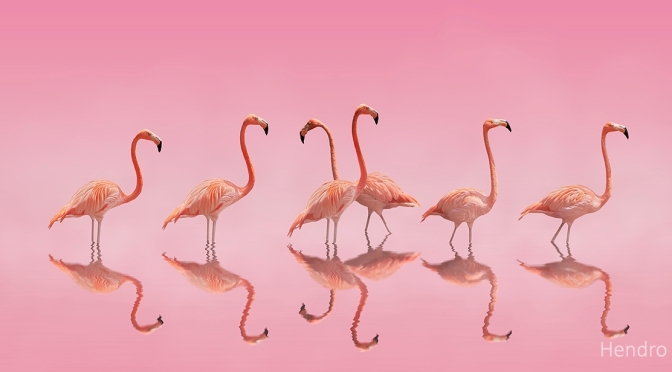
Nature Photography: The Art Of Hendro Soetrisno
Conservation: Saving The Hargila Stork In India
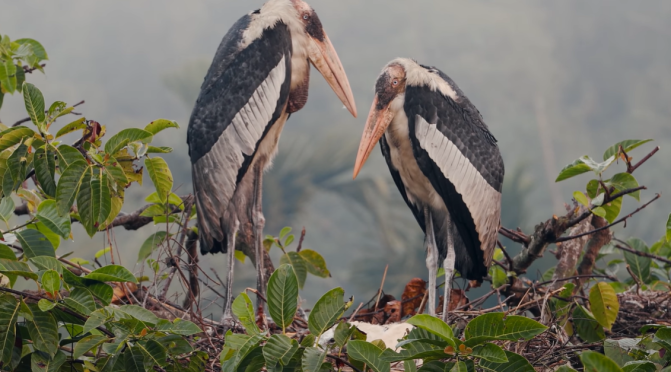
A wildlife photographer travels to India intent on documenting the rarest stork on earth but soon discovers a conservation hero and her inspiring efforts to rally a community to save it.
The Greater Adjutant is a large scavenging stork that was once widely distributed across India and Southeast Asia but is now confined to a last stronghold in Assam, India, with small populations persisting in Cambodia’s northern plains region. The species is classified as Endangered by the IUCN with a rapidly declining population of around 1,200 individuals. The key threats to the species are direct human persecution, particularly at nesting colonies, habitat destruction, including felling of nest-trees, and drainage, conversion, pollution and degradation of wetlands. Historically, adjutants bred during the dry season, taking advantage of abundant prey steadily trapped by receding water levels, and scavenging the remains of now extirpated megafauna. Today, the last adjutants survive alongside humans, congregating at garbage dumps and nesting colonially in rural villages. The majority world’s remain population lives around the city of Guwahati and relies on a single garbage dump for food and nearby villages for nesting. As the adjutant’s nesting colonies occur outside of state protected areas in Assam, community conservation initiatives are the only hope for saving the bird from extinction. Through the efforts of a remarkable conservation leader, Dr. Purnima Devi Barman, and the movement she has inspired, the birds are now protected, celebrated, and increasing their numbers locally. Despite this success and the momentum to conserve the species, the Greater Adjutant’s existence remains precarious.
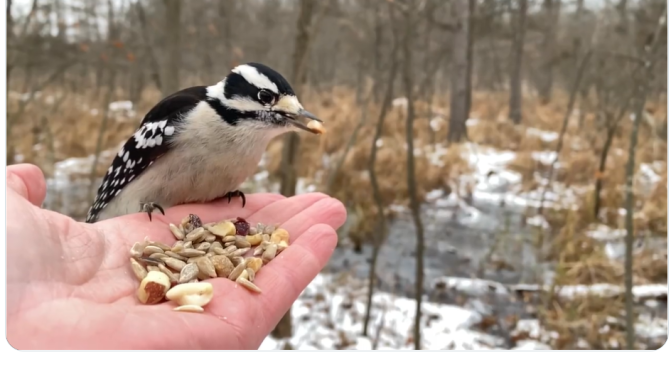
Bird Feed: Black-Capped Chickadee And Downy Woodpecker In Michigan

Bird Views: Woodpeckers & Tufted Titmice Feeding
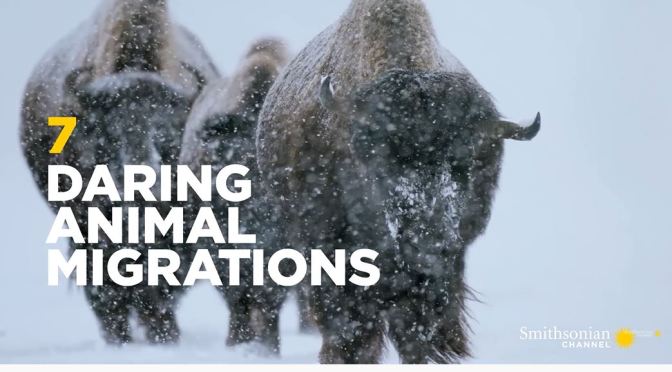
Views: ‘7 Daring Animal Migrations’ (Smithsonian)
From one million wildebeest crossing croc-infested waters to a manatee’s journey to warmer waters, here’s a closer look at 7 daring animal migrations.
Video timeline: 0:00 Intro to 7 Daring Animal Migrations | Smithsonian Channel 1:00 1 million wildebeest cross these croc-infested rivers 2:51 The largest mammal migration in the world 4:19 The pragmatic way African buffalos organize their herds 7:06 Thousands of monarch butterflies take flight 11:03 A manatee embarks on an inland journey to warmer waters 14:05 Yellowstone bison are built for winter survival 18:00 Why birds flock to this South African nature reserve
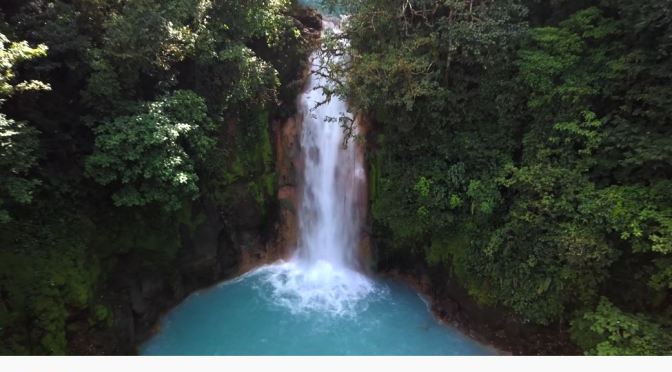
Nature Views: Rainforests & Wildlife In Costa Rica
Costa Rica is a rugged, rainforested Central American country with coastlines on the Caribbean and Pacific. Though its capital, San Jose, is home to cultural institutions like the Pre-Columbian Gold Museum, Costa Rica is known for its beaches, volcanoes, and biodiversity. Roughly a quarter of its area is made up of protected jungle, teeming with wildlife including spider monkeys and quetzal birds.
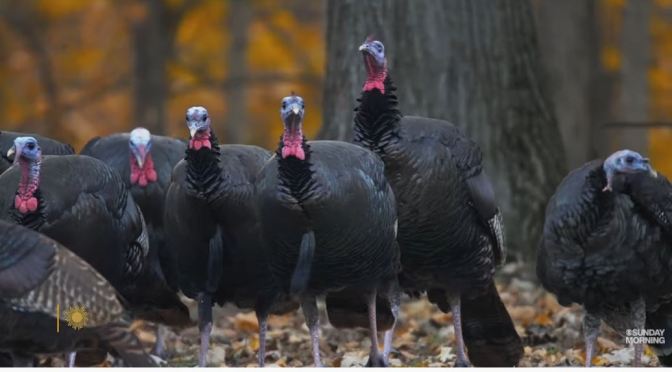
Views: Wild Turkeys In Metroparks Toledo, Ohio
“Sunday Morning” takes us to Metroparks Toledo, in Ohio, where wild turkeys are keeping a low profile. Videographer: Alex Goetz.
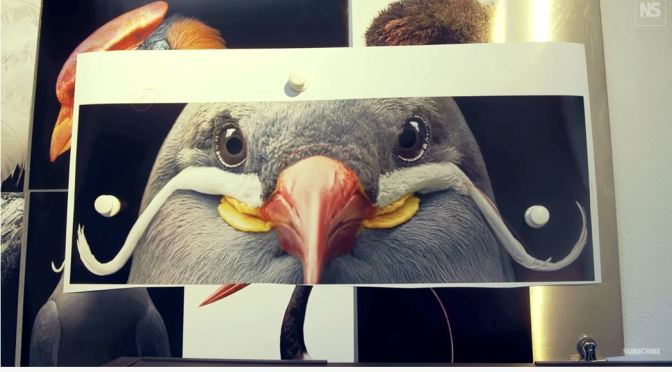
Animal Photography: The Wonderment Of Birds
Animal photographer, Tim Flach’s latest project is a testament to the diversity of birds. “I’m celebrating this extraordinary wonderment out there”, he says. Shooting birds like a fashion photographer might photograph human subjects, Flach’s images are purposefully anthropomorphic. “There is a role for an anthropomorphic approach,” he says, “I want to grab people’s attention to think about the wonderment, beauty, character and maybe their stories”. Which, he hopes, will elicit in the viewer empathy for birds “We became who we are because of this rich biodervisity if you took that away we would be lesser”.
 Boomers Daily