
In 2020, the study of the SARS-CoV-2 virus was undoubtedly the most urgent priority. But there were also some major breakthroughs in other areas. We’d like to take a moment to recognize them.
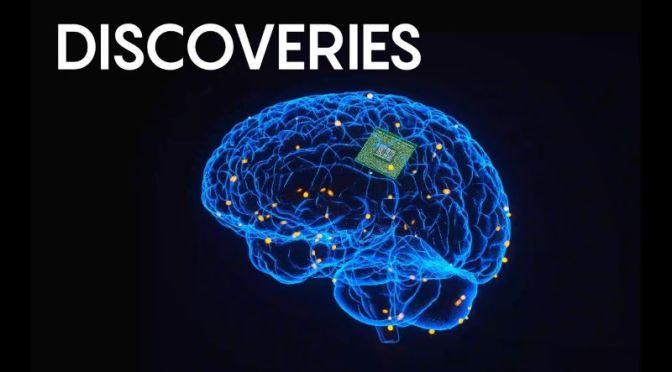
- 1. This year, we learned that we had severely underestimated the human brain’s computing power. Researchers are coming to understand that even the dendritic arms of neurons seem capable of processing information, which means that every neuron might be more like a small computer by itself.
- 2. The new Information Theory of Individuality completely reimagines the way biologists have traditionally thought about individuality. Armed with information theory, the researchers found objective criteria for defining degrees of individuality in organisms.
- 3. Deprived of sleep, we and other animals die within weeks. More than a century of scrutiny failed to explain why lack of sleep is so deadly. This year, an answer was finally found — not inside the brain, as expected, but inside the gut.




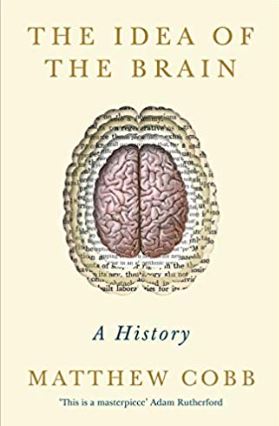 Although it might seem to be a story of ever-increasing knowledge of biology, Cobb shows how our ideas about the brain have been shaped by each era’s most significant technologies. Today we might think the brain is like a supercomputer. In the past, it has been compared to a telegraph, a telephone exchange, or some kind of hydraulic system. What will we think the brain is like tomorrow, when new technology arises?

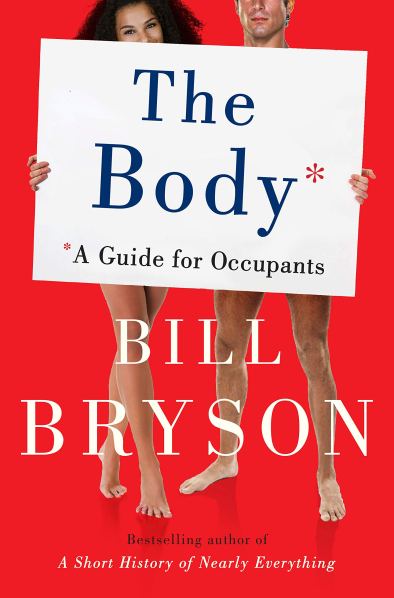 The single most astounding thing I found was that if you took all your DNA and formed it into a single fine strand, it would stretch to Pluto. I don’t think I’ve ever come across a fact that blew me away more than that — that there’s enough of me or you or anyone else to stretch to Pluto. There’s 10 billion miles of DNA inside you. That just seems unbelievable. The surprise is not that there’s so much to understand about the body but that we understand as much as we do.
 Boomers Daily