A compact album presentation of Hockney’s newest explorations in portraiture
Artbook D.A.P.:
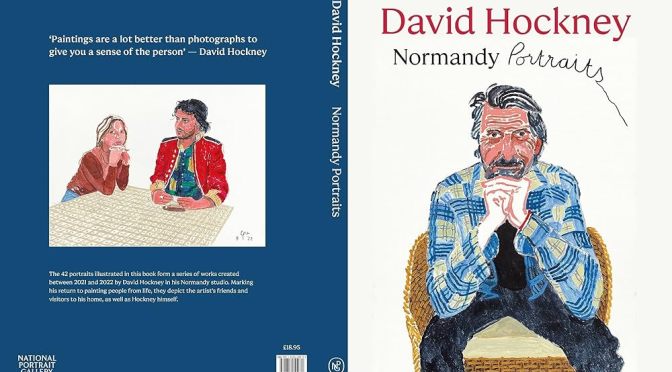
This concise volume illustrates around 40 acrylic on canvas works painted by David Hockney (born 1937) at his Normandy studio—depicting his friends and visitors, as well as the artist himself. David Hockney: Normandy Portraits showcases a series of some previously unseen portraits, across 48 pages, uninterrupted by text, to allow readers to engage directly with the artworks.
These new works highlight the ongoing importance of portraiture within the artist’s practice and demonstrate his sentiment that “drawings and paintings … are a lot better than photographs to give you a sense of the person.”
Hockney returned to painting after an intensive period spent depicting the Normandy landscape using an iPad. The portraits were painted quickly and directly onto the canvas without underdrawing. As Hockney has said, “to do a portrait slowly is a bit of a contradiction.”
The New York Times Books (December 14, 2023): Best Art Books of 2023 – The art critics of The Times select their favorites, from Botticelli to Vermeer, Lucy Lippard’s memoir, and Wade Guyton’s intelligent rereading of Manet.
His strawberry-blond Venus on a wind-propelled scallop shell still pulls Florence’s tourists from the gelateria to the Uffizi — but a rarer Botticelli feast is currently on offer in San Francisco, where the Legion of Honor is presenting the first exhibition ever of this Renaissance master’s fragile drawings (through Feb. 11). In this authoritative catalog, Rinaldi makes several new attributions, including two exquisite head studies of a man gazing upward and a woman with modestly lowered eyes. For a Florentine in the later 15th century, the core of painting was disegno (“design,” but also “drawing”), and Botticelli put drawing first. Delicate highlights of white and yellow show the light on tensed muscles or bowed heads. Effortless squiggles cohere into Simonetta Vespucci’s curled hair or John the Baptist’s camel cloak. His line feels spring-loaded; his saints and angels seem ready for the dance floor; his paintings’ grace and vigor started with a pen.
Like Vermeer, the Mexican portraitist Abraham Ángel, who died at age 19 in 1924, left little behind. His 20 extant works (on view in Dallas through next January) reproduce beautifully in a slim but convincing catalog that doesn’t overstate the case. Ángel’s preferred substrate was cardboard, and the bumpy nap of it really shows in these pages. So do the Fauve-like colors he used to outline his sitters. (Instead of black he preferred blues and browns, as Alice Neel would.) Playfully primitive, these knowing likenesses (among them Ángel’s tutor and lover, Manuel Rodríguez Lozano) combined Mexico’s burgeoning populist aesthetic with a private romanticism that seems nonetheless to have sought clarity on the promise of his country’s Revolution.
This major looker of an exhibition catalog loosens up the warp and weft of conventional views of modern art — all those tight-knotted hierarchical categories (high versus low, art versus craft) on which our institutions and markets still rest — and demonstrates the universe of formal and conceptual brilliance that has always traveled on a parallel track. The sheer variety of work produced by more than 50 artists chosen by the book’s editor, Lynne Cooke, will knock your socks off. (Just wait till you see what’s happening in the field of basketry alone.) So will the visual imaginations of individual geniuses we already know like Anni Albers, Ruth Asawa, Gego, Lenore Tawney and Sheila Hicks, and the others we’re introduced to here.
The Times and The Sunday Times (November 24, 2023): Lose yourself among lily pads, potbellied Dutch merchants and Venetian canals. Laura Freeman and Waldemar Januszczak curate the finest of this year’s art books, taking in Monet, Picasso, Gwen John and more
In his eighties, Claude Monet was spotted by a younger artist, “old but still very handsome”, wrapped in a sumptuous fur, sitting on top of a dyke “in a bitter west wind which ruffled his long white beard, mingling it with the foam of the waves”. This transporting biography by the Financial Times’s art critic Jackie Wullschläger paints the impressionist as a man for all seasons, out in the dawn and the dusk and the snow, obsessed, possessed, with capturing the fleeting effects of light, shade and water, calm as millpond or whipped up by a storm. Chocolate box? Jamais! Monet mounted the barricades of modern art, revolutionising the way the world could be seen and painted. A book for art-lovers — and for gardeners too. Art and literature, Monet proclaimed, were all humbug. “There’s nothing but the earth.” Laura Freeman
All the Beauty in the World: A Museum Guard’s Adventures in Life, Loss and Art by Patrick Bringley
Who would have thought that the outstanding art book of the year would be written not by a curator or an art historian or even an artist — but by a museum guard? For ten years Patrick Bringley worked at the Metropolitan Museum in New York, directing visitors to the Islamic collections and watching out for angry protestors. It turned out to be a remarkably fruitful experience. Bringley weaves the story of a personal tragedy involving his sick brother with startling insights into museum life and — most impressively — into the great art in the Met’s collection. Waldemar Januszczak
Looking at Picasso by Pepe Karmel
If you have been living under a rock in 2023, you will not have noticed that this year was the 50th anniversary of the death of Picasso. The rest of us couldn’t avoid it. Countless exhibitions, events and books commemorated the occasion, but this was the most useful. Focusing on the art rather than the biography of the man, it’s a generous and sensitive text with brilliant illustrations. WJ
Pauline Boty: British Pop Art’s Sole Sister by Marc Kristal
Pauline Boty was “the Wimbledon Bardot”, “an ice-cream of a girl” and by her own mocking, ironic reckoning, “a happy, dumb blonde”. She was so much more than that, as this fizzing biography shows. Meet Boty the Sixties It girl, pop artist, voice-of-a-generation broadcaster and “anti-ugly” campaigner against hideous postwar development. Marc Kristal gives you the crumbling studios of the Royal College of Art, the creative squalor of Notting Hill bedsitters and the thrill of finding your feet (in knee-high boots) in swinging London. Boty died appallingly young, but her life was no tragedy. It was full of mischief, provocation and promise. This book brings Boty to life, painting, protesting and dancing the miniskirted twist. LF
Venice: City of Pictures by Martin Gayford
Venice isn’t just the most painted city in the world, it is probably the most written about too. Finding a fresh angle from which to view it is a challenge. Gayford’s answer is to understand the city and its history through the splendid and varied art it has inspired. Packed with potted histories and informed anecdotes, this is a tome to pack on a visit to La Serenissima. WJ
Giacometti in Paris by Michael Peppiatt
Alberto Giacometti used to claim that really he would have liked to carve and cast voluptuous women such as Marilyn Monroe. “The more I tried to make them broader, the narrower they got.” Giacometti’s beanpole people became icons of 20th-century art and Michael Peppiatt’s compelling portrait cuts to the core of the sculptor’s “strange life and his stranger fame”. Giacometti’s Paris studio is a character in its own right: a filthy lair filled with the most extraordinary figures and fragments, with a leaking roof, a tree growing up through the floor and a local fox given the run of the place. Appalling and fascinating. You’ll never look at a Giacometti the same way. LF
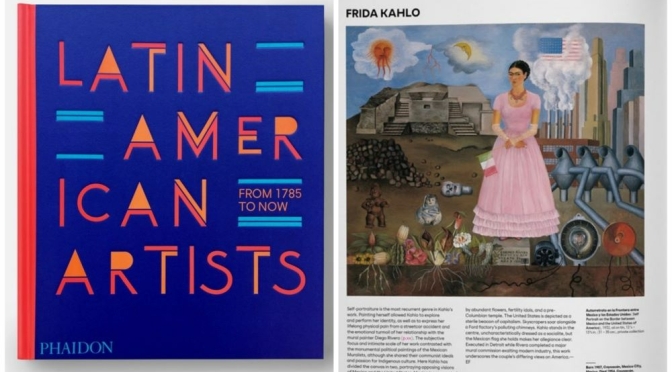
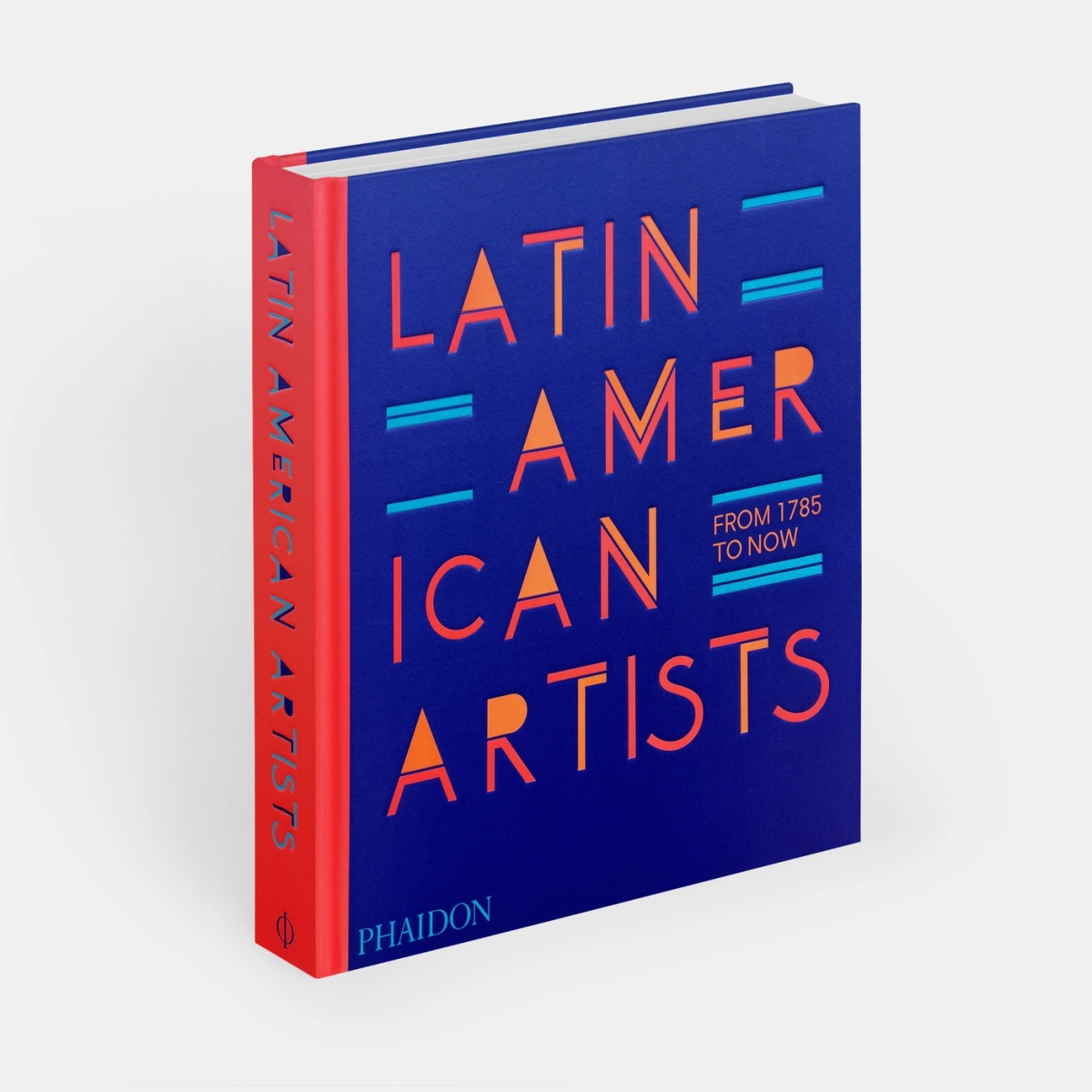
The essential survey showcasing the work of more than 300 modern and contemporary artists born or based in Latin America
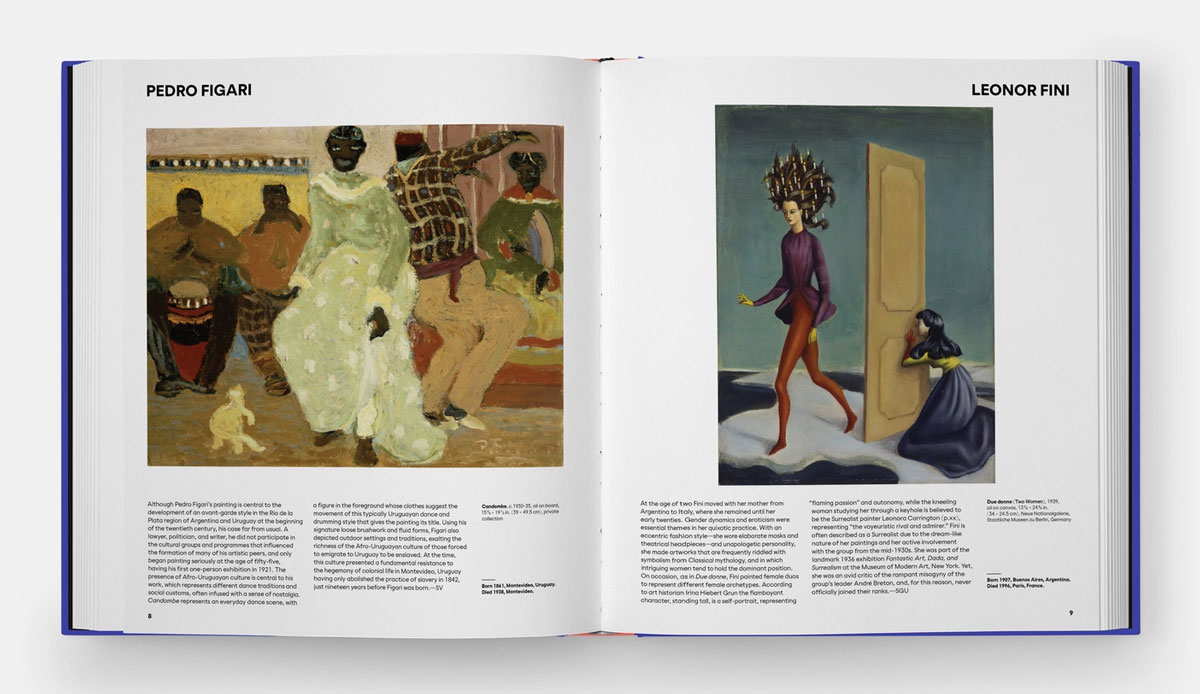
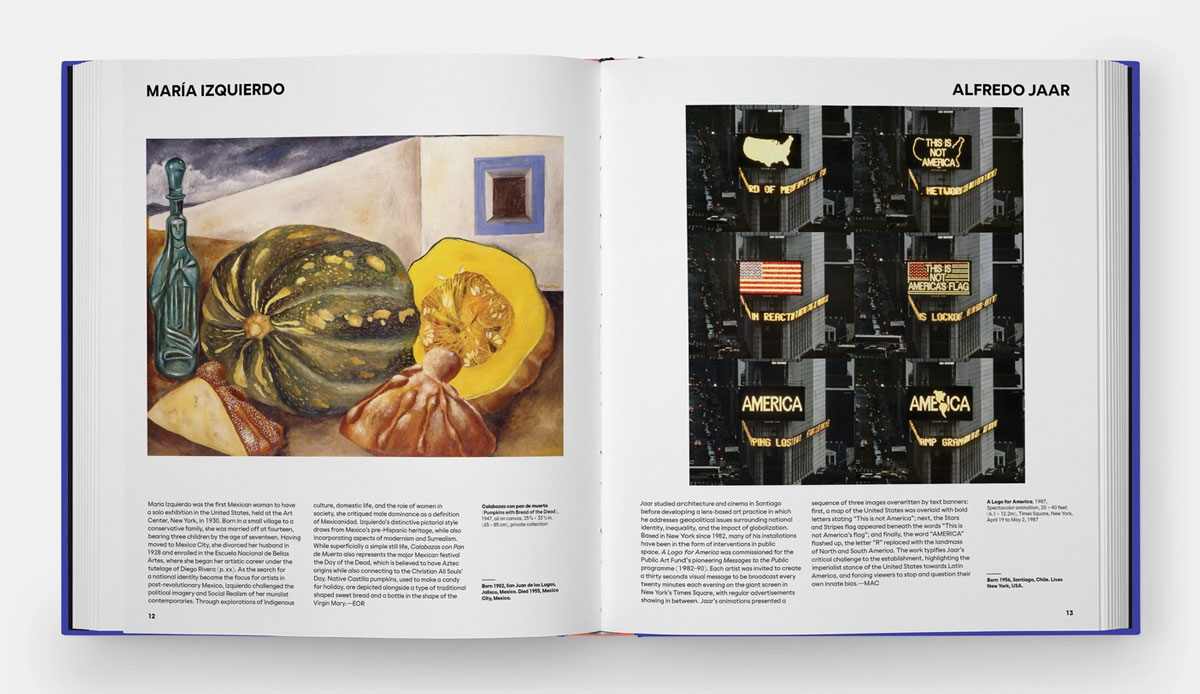
Latin American artists have gained increasing international prominence as the art world awakens to the area’s extraordinary art scenes and histories. In an accessible A-Z format, this volume introduces key artworks by 308 artists who together demonstrate the variety and vitality of artwork being made.
Artists featured include: Allora and Calzadilla, Manuel Alvarez Bravo, Francis Alÿs, Olga de Amaral, Fernando Botero, Leonora Carrington, Lygia Clark, Carlos Cruz-Diez, Leonor Fini, Gego, Felix Gonzalez-Torres, Carmen Herrera, Graciela Iturbide, Alfredo Jaar, Frida Kahlo, Guillermo Kuitca, Wifredo Lam, Teresa Margolles, Marisol, Cildo Meireles, Ana Mendieta, Beatriz Milhazes, Ernesto Neto, Hélio Oiticica, Gabriel Orozco, José Clemente Orozco, Diego Rivera, Zilia Sánchez, David Alfaro Siqueiros, Cecilia Vicuña, Adrián Villar Rojas and Faith Wilding.
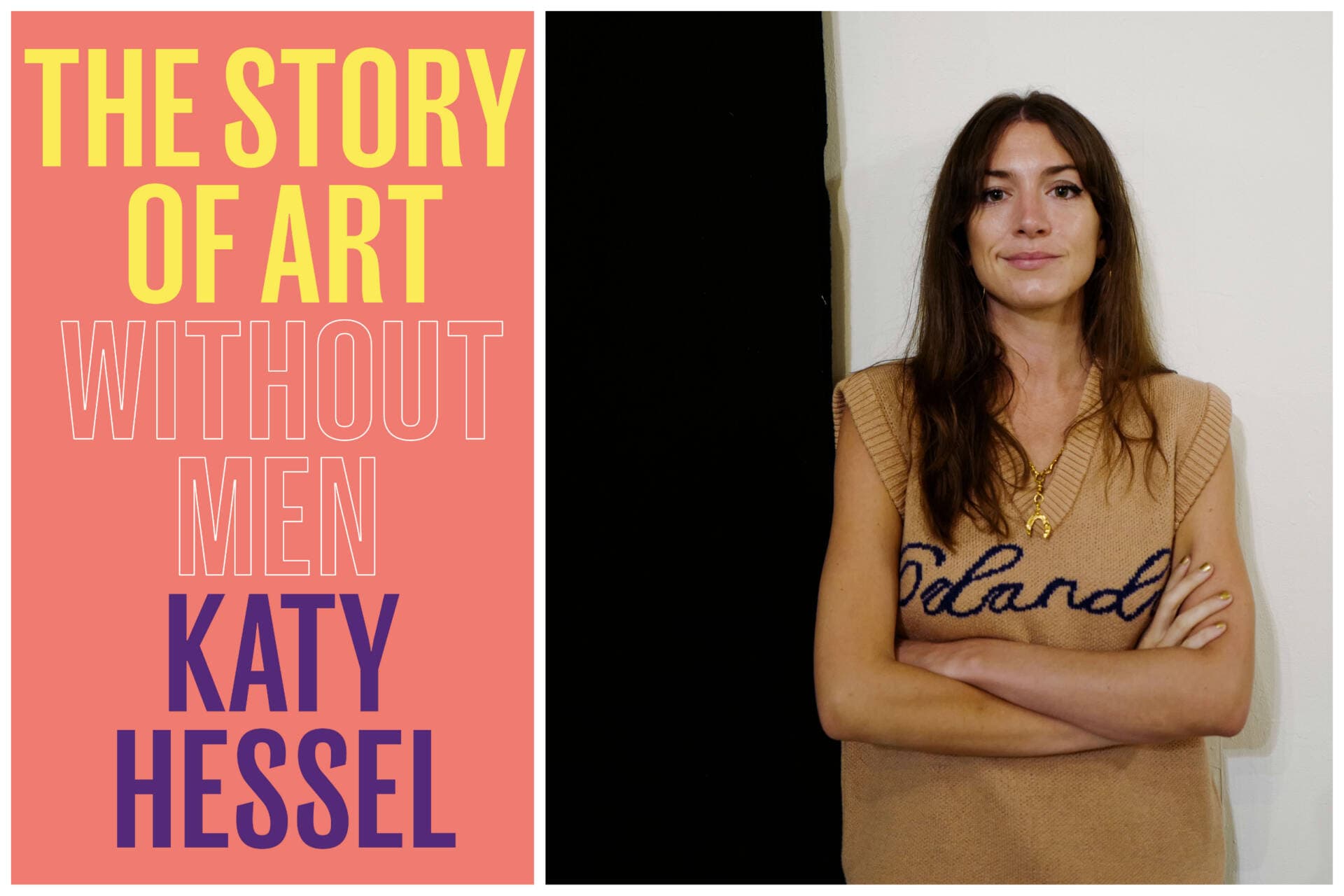
PBS NewsHour (May 3, 2023) -How many women artists can you name? That was a question Katy Hessel, then a 21-year-old art history major, asked herself. The results were disappointing. And so she set about learning and teaching herself and then others.
Art historian, author and presenter Katy Hessel
That resulted in her new book, “The Story of Art Without Men.” Jeffrey Brown discussed the book with Hessel for our arts and culture series, CANVAS.
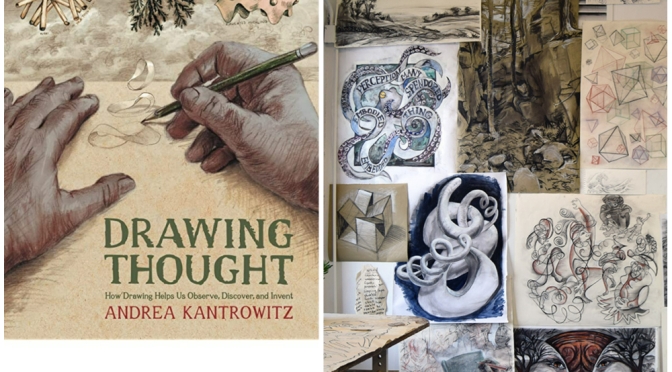
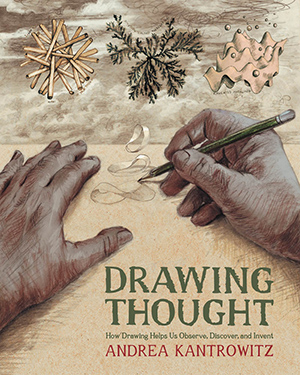
The MIT Press – Drawing is a way of constructing ideas and observations as much as it is a means of expressing them. When we are not ready or able to put our thoughts into words, we can sometimes put them down in arrangements of lines and marks. Artists, designers, architects, and others draw to generate, explore, and test perceptions and mental models.
In Drawing Thought, artist-educator Andrea Kantrowitz invites readers to use drawing to extend and reflect on their own thought processes. She interweaves illuminating hand-drawn images with text, integrating recent findings in cognitive psychology and neuroscience with accounts of her own artistic and teaching practices.
The practice of drawing, with paper and pencil or whatever else is at hand, is a simple and accessible means to become more mindful and aware of our inner and outer worlds. Time slows down when we start drawing. Our attention shifts. Setting aside our worries and fears about the future, we can draw ourselves into stillness. Drawing provides an active way to engage deeply with the present moment, locating our thoughts, perceptions, and feelings, in time and space.
The Art Newspaper (December 6, 2022) – The books team at The Art Newspaper has waded through the piles of art tomes published this year so you don’t have too. Below, each editor has picked three publications that shone through in 2022.
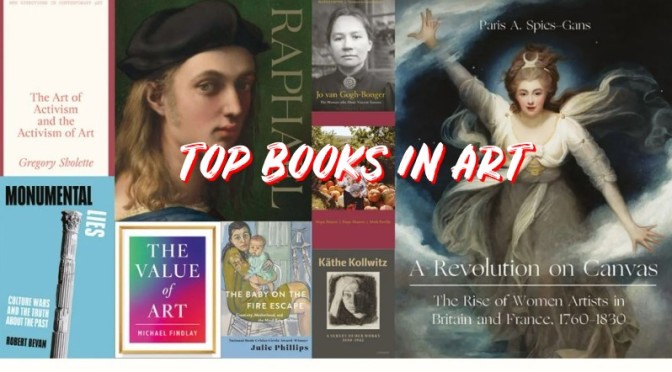
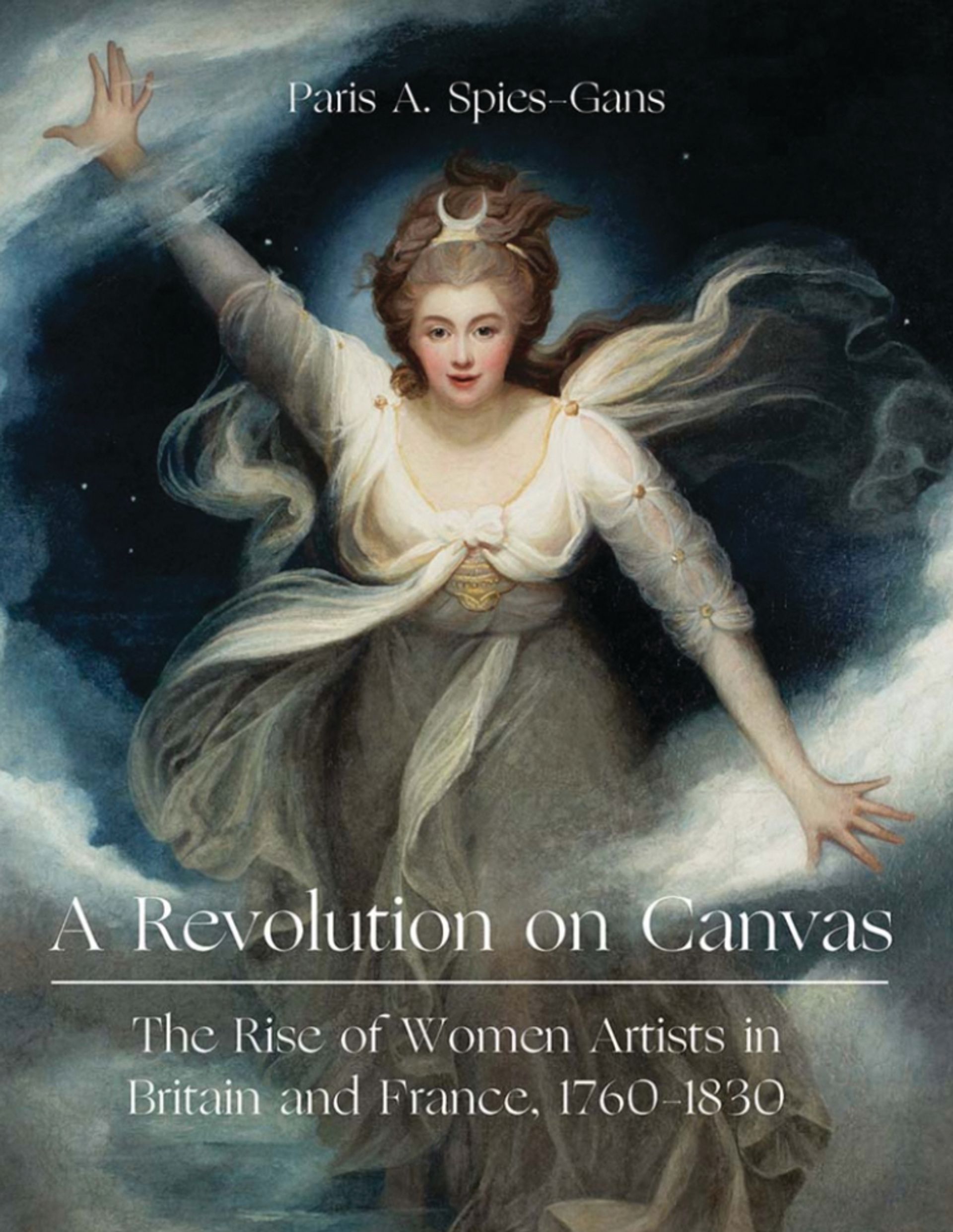
A Revolution on Canvas: The Rise of Women Artists in Britain and France 1760-1830 by Paris A. Spies-Gans (Paul Mellon Centre/Yale)
The miniaturist Sarah Biffen (subject of the excellent Without Hands show at Philip Mould gallery in London, until 12 December, and accompanying publication), born with no arms or legs, was one of many professional women artists to exhibit in major venues in Paris and London between 1760 and 1830, beyond the few currently celebrated (Angelica Kauffman, Élisabeth Vigée Le Brun, etc.), as Spies-Gans’s exhaustive, groundbreaking research reveals in this beautifully produced book.
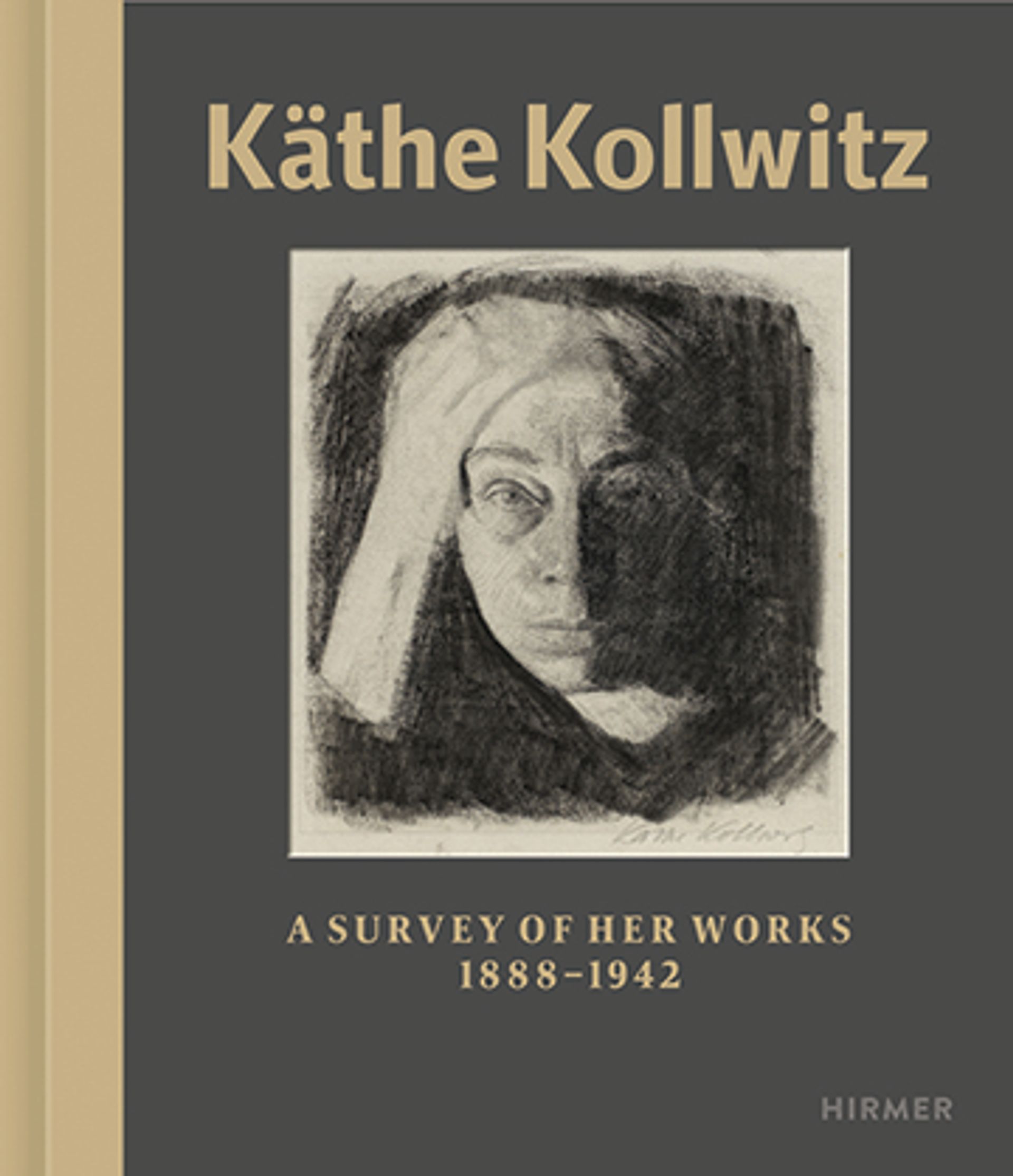
Käthe Kollwitz: A Survey of Her Works 1888-1942, edited by Hannelore Fischer (Hirmer/Käthe Kollwitz Museum)
This year has been a particularly good one for stand-alone publishing on historic and Modern women artists, and women’s significant influence within the international art world—fingers crossed this signals a shift (at last) from niche to mainstream. Honourable mention goes to Lund Humphries’s Illuminating Women Artists series, with two books in the bag (Luisa Roldán and Artemisia Gentileschi) and two more scheduled for 2023 (Elisabetta Sirani and Rosalba Carriera). It was a brutal selection process, but the first of my top three, from the many excellent books we reviewed over the last year, is Fischer’s Käthe Kollwitz. Kollwitz’s brilliance requires no introduction, but this exquisitely illustrated survey, while exploring her many iconic works, draws attention to lesser-known imagery including her subtly erotic subjects.
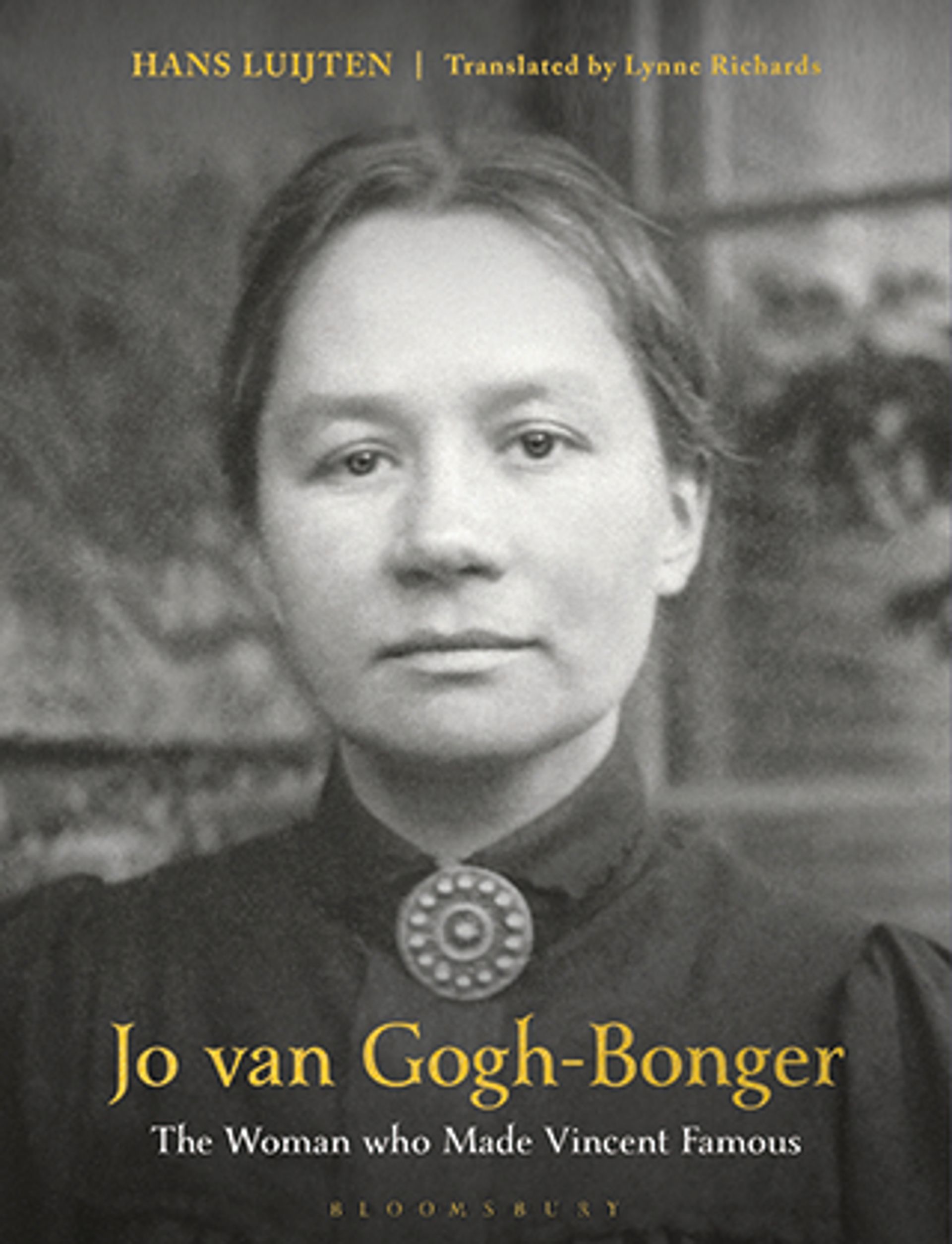
Jo van Gogh-Bonger: The Woman Who Made Vincent Famous by Hans Luijten, translated by Lynne Richards (Bloomsbury)
Chicago University Press’s first English translation of the Parisian art dealer Berthe Weill’s 1933 memoir was pipped to the post by this superb biography of the equally extraordinary Jo van Gogh-Bonger. So much has been written on Vincent van Gogh that you wonder what more can be said. It turns out much more on the woman who was the early driving force behind the Dutch artist’s legacy.
Gareth Harris, book club co-editor and chief contributing editor
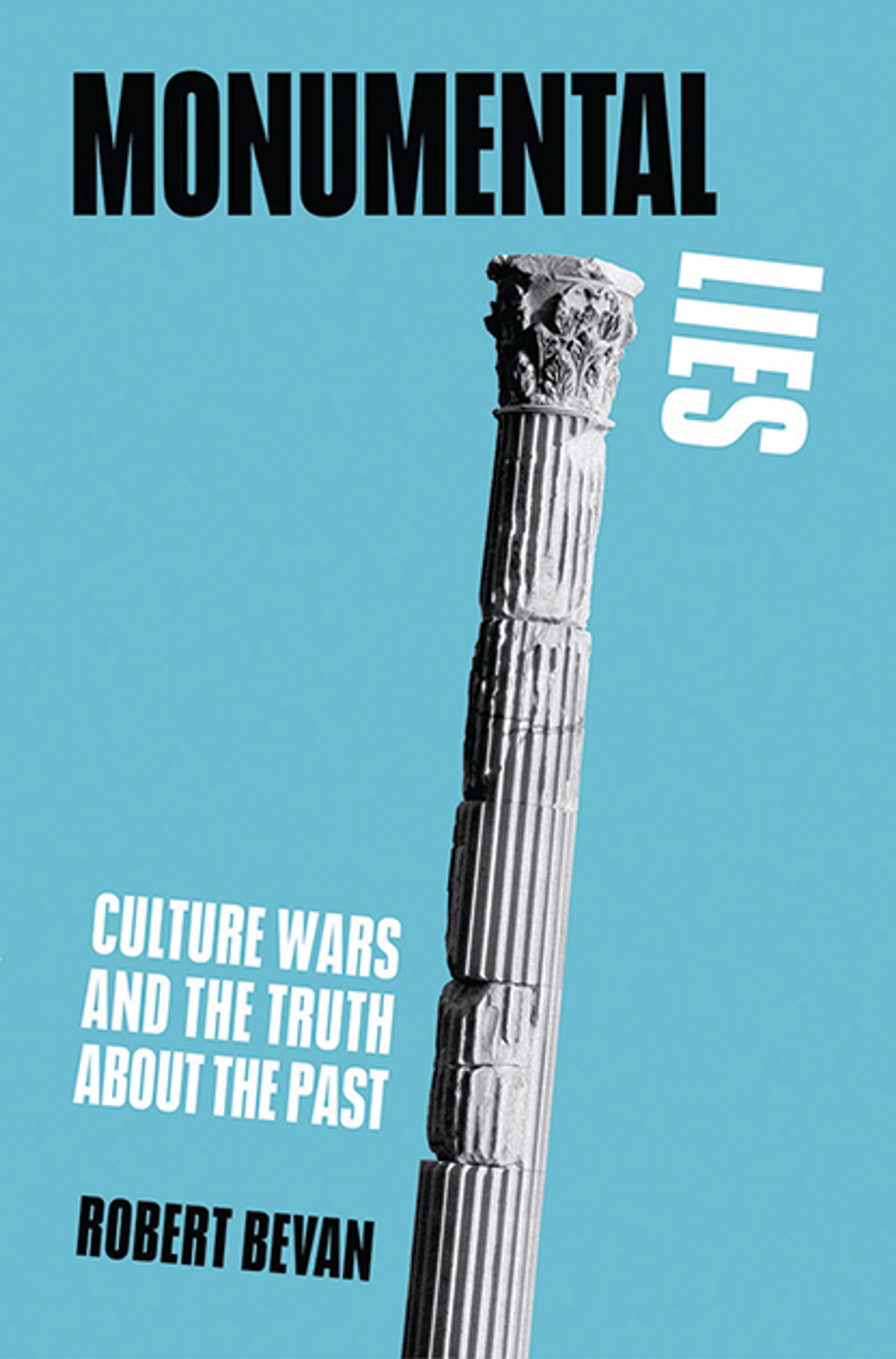
Monumental Lies: Culture Wars and the Truth About the Past by Robert Bevan (Verso)
More and more commentators are making their voices heard in the clamour around today’s so-called “culture wars”, outlining the ideologies behind the destruction of, for instance, historic statues. Bevan astutely argues that those who manipulate our cultural past are shaping our future, making the case that historic buildings have become battlegrounds for right-wing and nationalist political arguments. Interestingly, he also questions the authority of Unesco. In one of many polemics, he says: “At the same time as its role in protecting culture has become suffocated by national interests, Unesco now appears to operate on the premise that any wartime damage should be undone.”
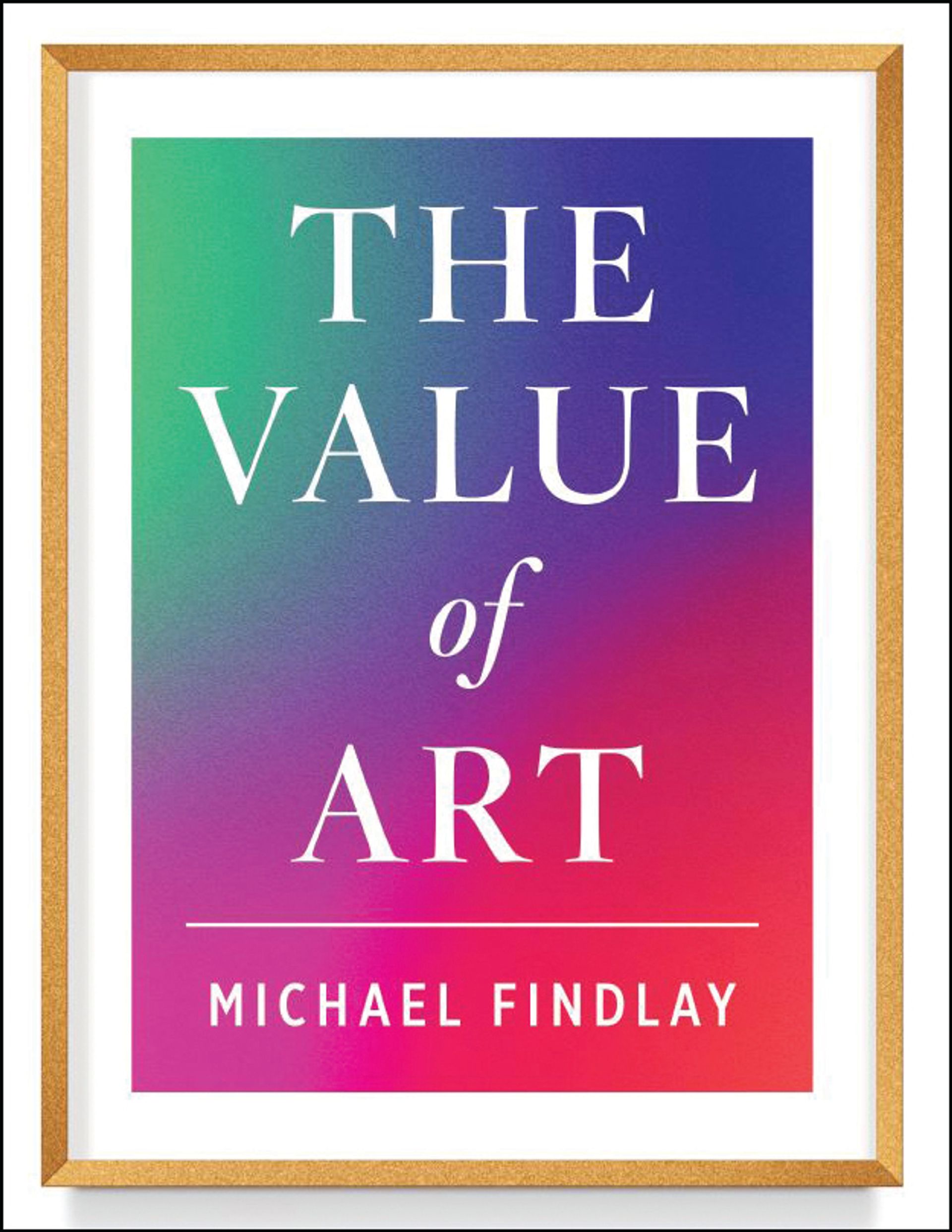
The Value of Art by Michael Findlay (Prestel)
This updated version of The Value of Art, first published in 2012, features important new material, focusing on, for instance, the rise of NFTs. Findlay asks, “where are the NFT art critics?… there is little discourse on the relative aesthetic qualities of the images themselves”. He also has strong opinions on “protest art”, saying: “In very broad terms, artists represent the protesting class while collectors represent the museum trustee class, and while the cultural ecosystem needs both, on issues of social justice they are often on different sides of the barricades.”
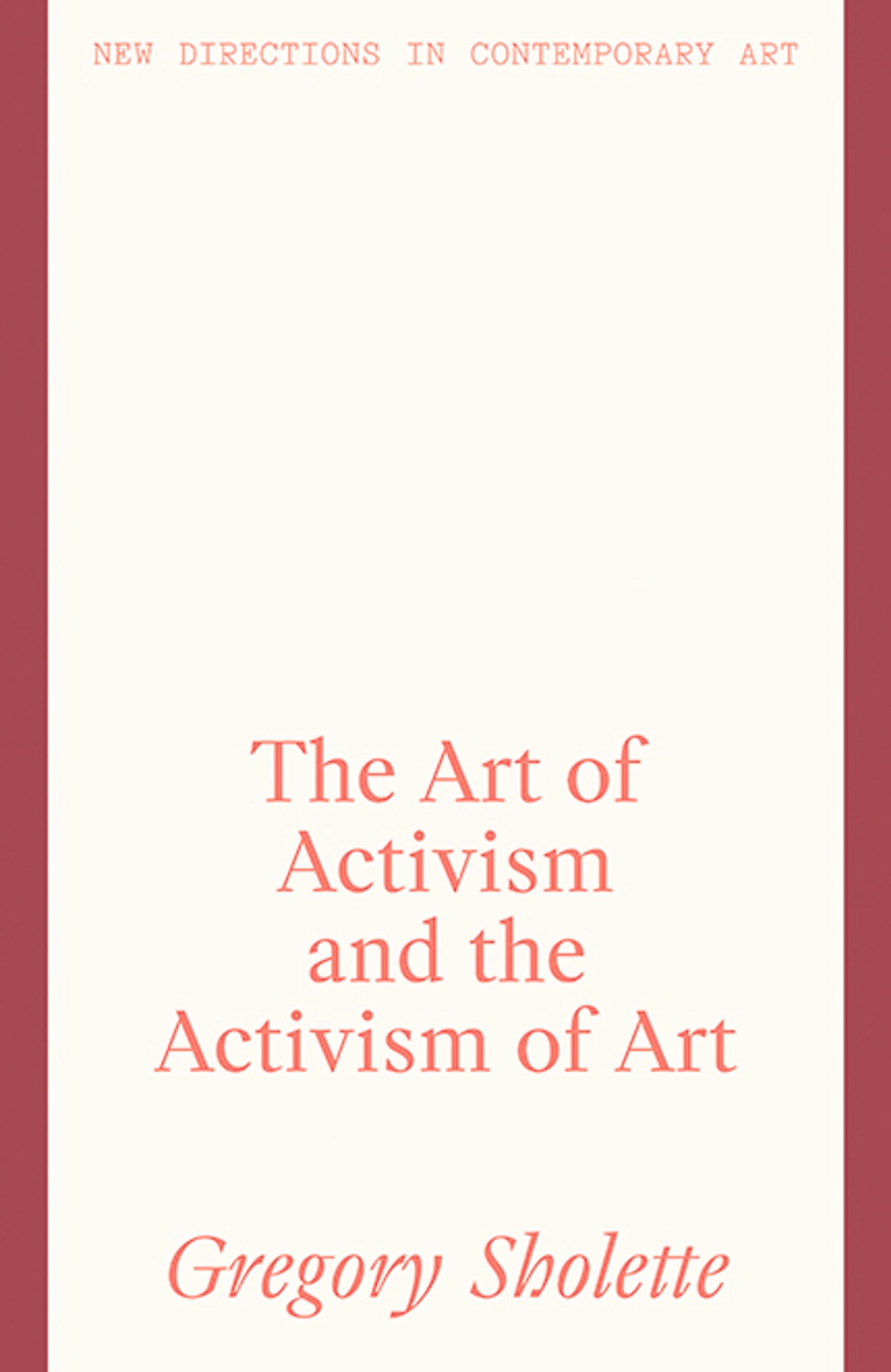
The Art of Activism and the Activism of Art by Gregory Sholette (Lund Humphries)
As a key member of the activist group Gulf Labor Coalition, Gregory Sholette has a unique perspective. Sholette examines this fascinating subject “from the perspective of an artist and activist who has been active in the field since the 1980s,” writes the art historian Marcus Verhagen in the introduction. This informed analysis spans more than 60 years of art activism, from the Situationist International group of social revolutionaries (1957-72), which directly engaged with the student uprisings in Paris in May 1968, to Black Lives Matter today, which has “unquestionably set a new high bar for protest aesthetics”, Sholette says.
José da Silva, book club co-editor and exhibitions editor
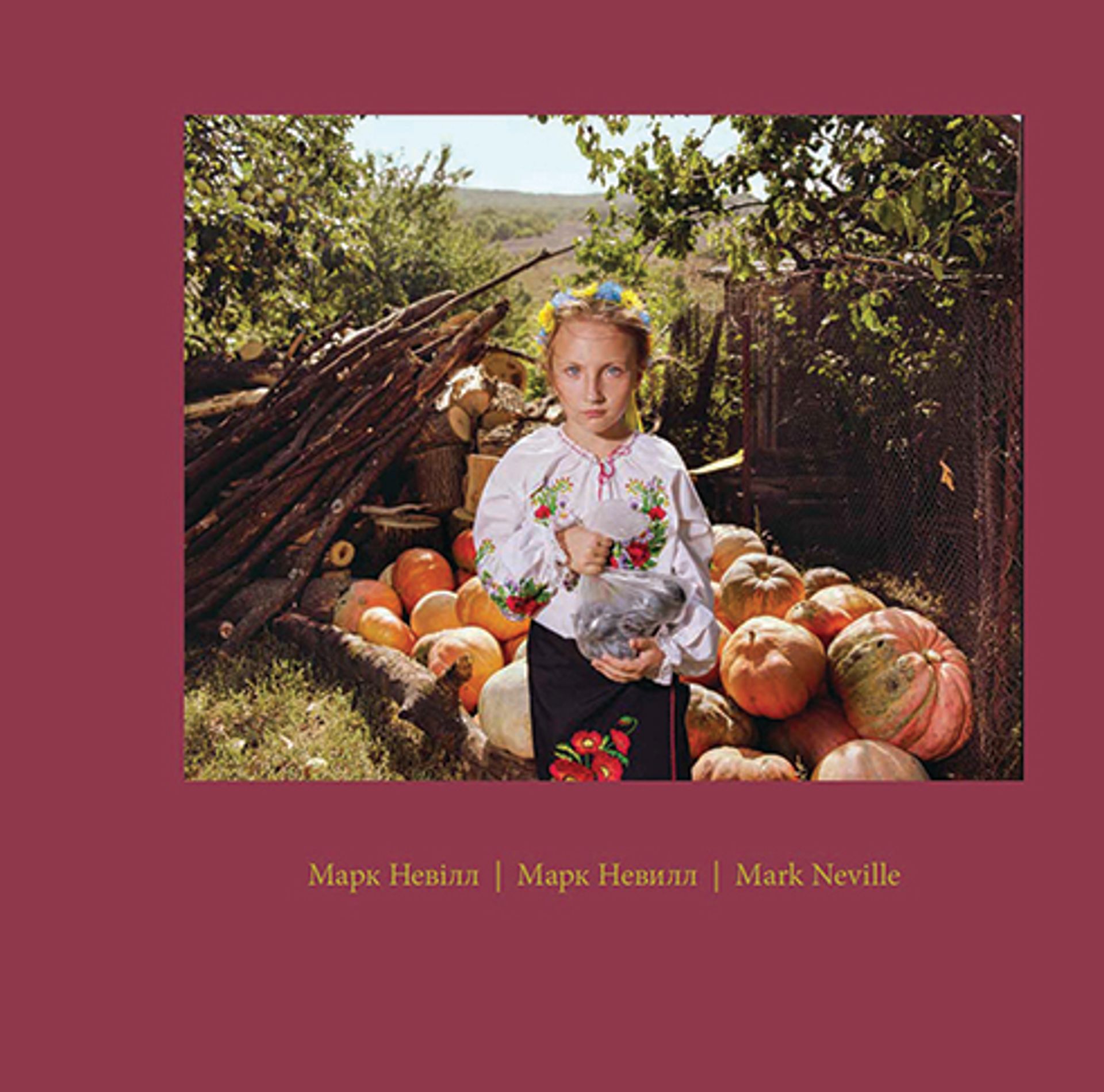
Stop Tanks With Books by Mark Neville (Nazraeli Press)
Neville’s photobook of Ukrainian life before Russia’s invasion in February is both a call to arms—the photographer sent 750 free copies to influential people who might “have it in their power to help Ukraine”—and a stark reminder that Ukraine was already at war in its east, as depicted in the photographs of soldiers manning trenches and checkpoints. However, it is the tender portraits of everyday life—people at the beach, in school, at a rave, eating ice cream—that really bring home the tragedy that has unfolded in Ukraine.
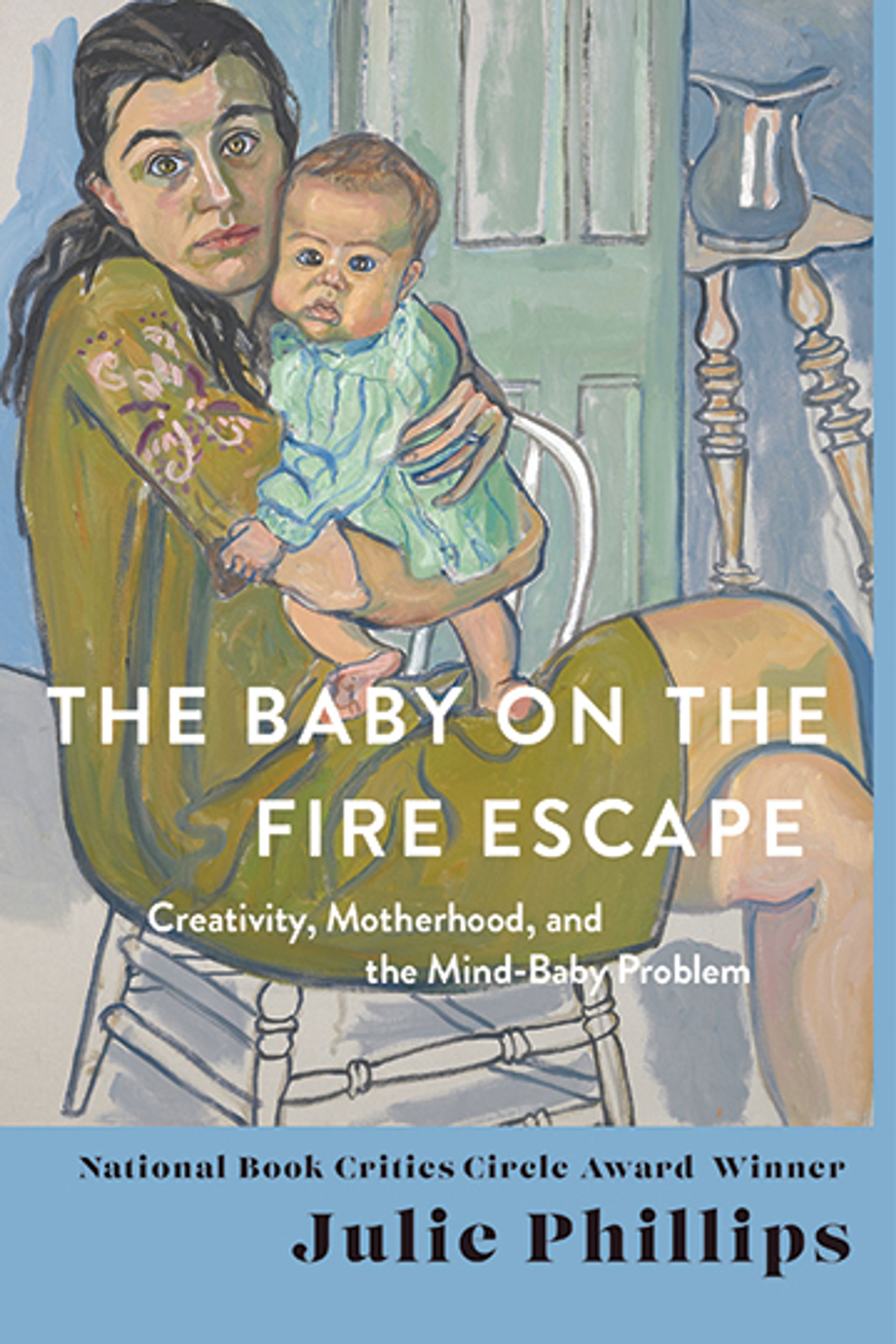
The Baby on the Fire Escape: Creativity, Motherhood and the Mind-Baby Problem by Julie Phillips (W. W. Norton & Company)
While most of the case studies in this book are from the literary world, the opening section on Alice Neel is a searing account of the complexities of balancing (or not) being a mother and an artist—and the often heavy price women pay. Neel, for example, can sometimes come across as brutal and uncaring, but these labels would rarely be used to describe an artist father in the same situation. Neel said that for much of her life she felt she “didn’t have the right to paint because I had two sons”. The book explores the difficult issues around the subject with no judgment and or neat conclusions—and is all the richer for it.
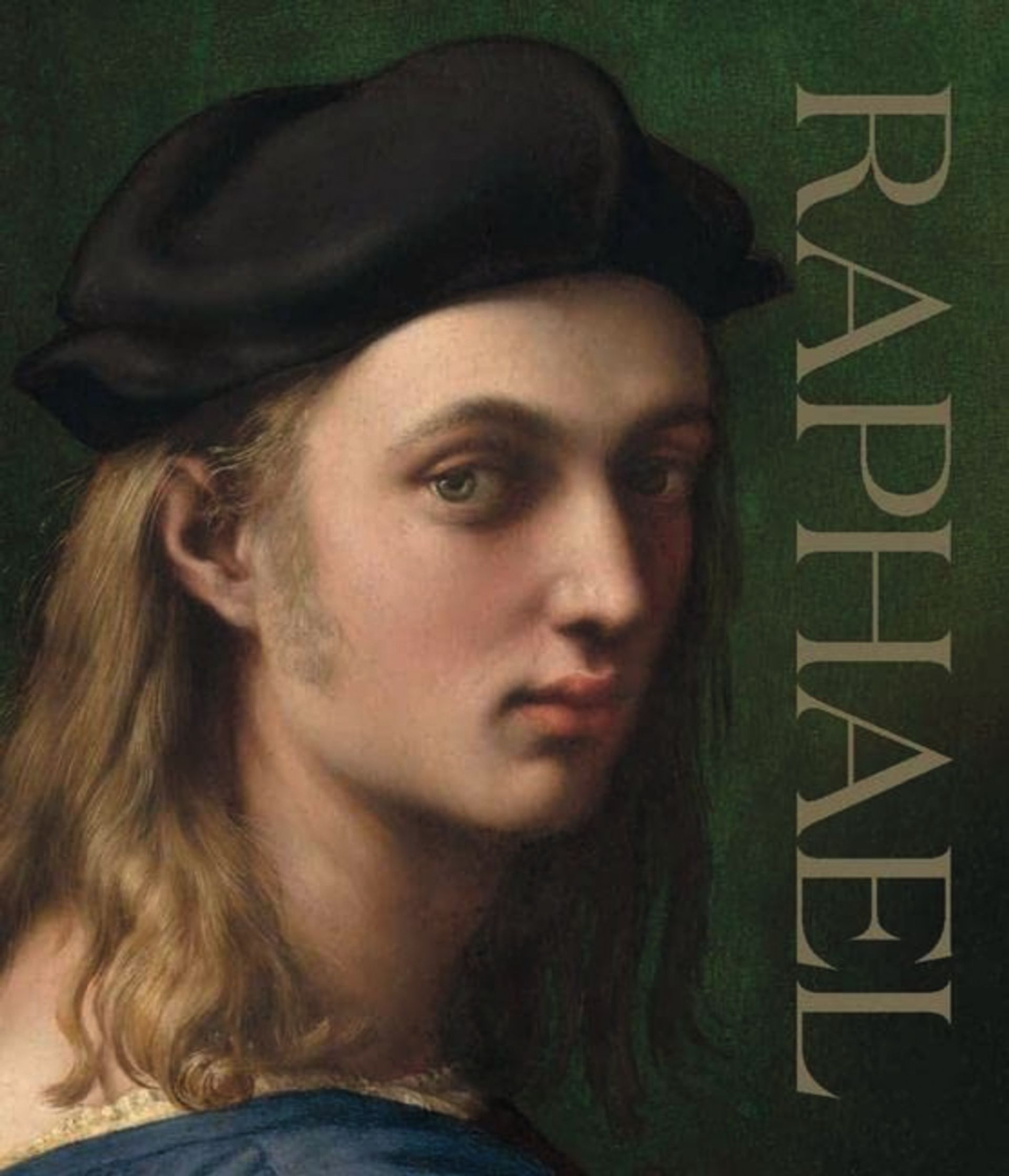
Raphael by David Ekserdjian, Tom Henry et al. (National Gallery Global Ltd)
If you missed the standout Raphael show at London’s National Gallery earlier this year, its catalogue is the next best thing. The rich imagery and texts make it the perfect coffee table book for art history buffs to dip into over the holiday season. There are also tasty titbits to tell the family over Christmas lunch, such as the belief that the Vatican’s foundations began cracking at news of Raphael’s death. Or when Munich’s Alte Pinakothek sold Raphael’s masterpiece Bindo Altoviti because it was believed at the time to have been painted by his assistant Giulio Romano, to buy what turned out to be a discredited Matthias Grünewald…
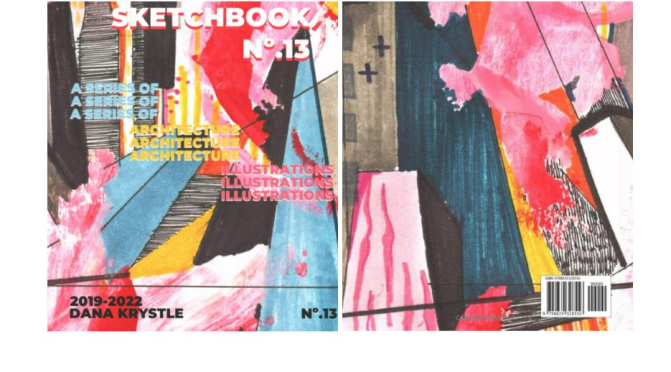
Sketchbook №13 is part of a large sketchbook series in architecture illustrations created between 2013 and 2022, in this sketchbook the illustrations were created between 2019 and 2022. Materials used in this sketchbook are mixed medias of oil paint, acrylics, charcoal, watercolor, gouache, pen, ink, and colored pencils.
The aim of architecture illustrations is directed at creating inspiration and conceptual ideas that are used for creative concept decisions in projects and mood boards.
I hope this sketchbook gives you inspiration for creating your own version of architectural illustration sketchbooks and come up with beautiful architecture designs and concepts in your upcoming projects. A thorough documentation is set to collect and archive all the sketches that were created during this series and body of work.
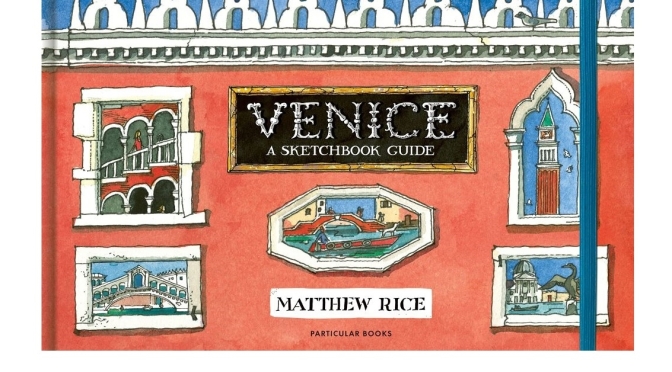
Matthew Rice is a long-time observer and illustrator of cities, buildings and all those who inhabit them, with an uncanny ability to express the energy of a place through a few lines of ink and splashes of paint.
For years, Venice has been a source of deep creative inspiration for him; and now, in Venice: A Sketchbook Guide, he captures the highlights of this most beguiling of Italian cities. Unsurprisingly, given his abiding passion for architecture, Matthew provides a wealth of information about the ‘stones’ of Venice, including an illustrated guide to the main building styles of the city – Byzantine, Gothic, Renaissance, Baroque and Modern – and exemplars of its balconies, bridges and campaniles.
Further sections explore the city’s sestieri – its six residential quarters – as well as its history, paintings, festivals, wildlife and, not least, its cicchetti and aperitivi. Following the same landscape format as Matthew’s real-life sketchbooks, Venice: A Sketchbook Guide will combine enchanting watercolour illustrations with an informed, personal and witty text, and promises to delight all visitors to Venice, armchair or actual.
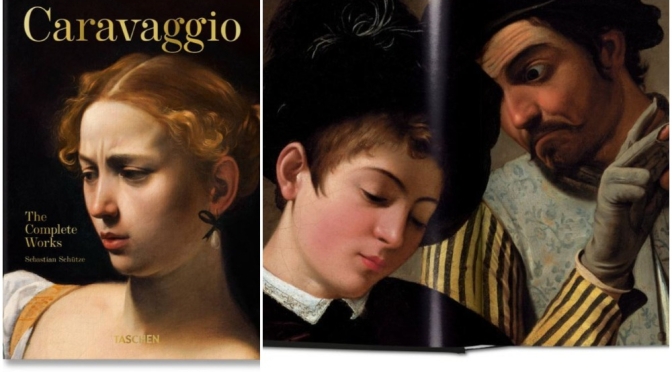
Caravaggio, or more accurately Michelangelo Merisi da Caravaggio (1571–1610), was always a name to be reckoned with. Notorious bad boy of Italian painting, the artist was at once celebrated and controversial: violent in temper, precise in technique, a creative master, and a man on the run. Today, he is considered one of the greatest influences in all art history.
This edition offers a neat and comprehensive Caravaggio catalogue raisonné. Each of his paintings is reproduced from recent top-quality photography, allowing for a vivid encounter with the artist’s ingenious repertoire of looks and gestures, as well as numerous detail shots of his boundary-breaking naturalism. Five accompanying chapters trace the complete arc of Caravaggio’s career from his first public commissions in Rome through to his growing celebrity status and trace his tempestuous personal life, in which drama loomed as prominently as in his canvases.
The author
Sebastian Schützewas a longtime research fellow at the Bibliotheca Hertziana (Max Planck Institute for Art History) in Rome. He is a member of the academic board of the Istituto Italiano per gli Studi Filosofici in Naples, and a member of the Österreichische Akademie der Wissenschaften. From 2003 to 2009 he held the Bader Chair in Southern Baroque Art at Queen’s University in Kingston. In 2009 he was appointed professor of early modern art history at Vienna University.
News, Views and Reviews For The Intellectually Curious















 Boomers Daily