
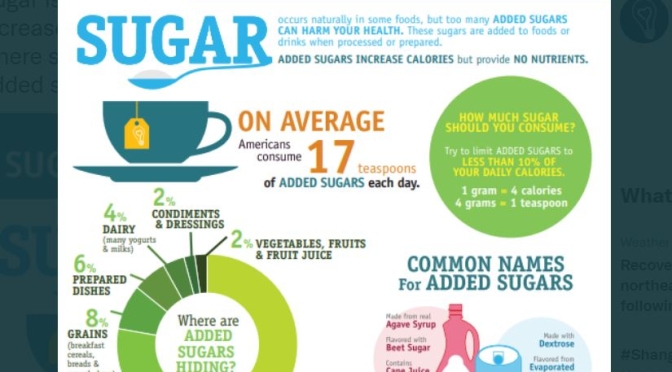
Sugar is sweet, but bad for your health. Added sugars increase calories but add no nutrients to your diet. See where sugars are hiding & what common names for added sugars are: https://t.co/09PhQTWyaT #FVMMMonth pic.twitter.com/zAqXRAJkjN
— CardioSmart (@CardioSmart) September 3, 2021
Tag Archives: Added Sugars
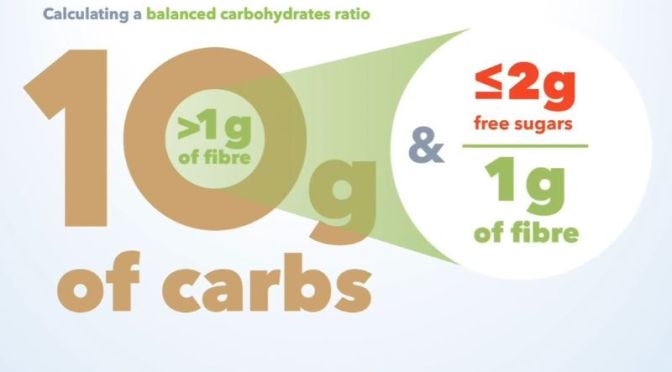
Healthy Diets: Balanced Carbohydrate Ratio – Low Free Sugars + High Fiber
Are all carbohydrates equally important to you? Considering carbohydrate quantity but also quality has a crucial importance for a healthy and balanced nutrition. Balanced Carbohydrate Ratio has been developed and scientifically proven in order to identify products and diets with the most optimal carbohydrate content.

Health News Video: FDA Launches (And Explains) New Nutrition Facts Label
What’s new about the new Nutrition Facts label? Watch this Q&A with Susan T. Mayne, Ph.D., Director of FDA’s Center for Food Safety and Applied Nutrition.

Study: Added Sugars In Diet Lowers Sleep Quality For Women, Increasing Heart Disease Risks (AHA)
Journal of the American Heart Association study (Feb 17, 2020):
 The association between poor overall sleep quality and greater consumption of added sugars observed in the current study aligns with previous findings that intakes of confectionary and sugar‐sweetened beverages were higher in middle‐aged Japanese women reporting poor, compared with good, sleep quality.
Background – Poor sleep increases cardiovascular disease risk, and diet likely contributes to this relationship. However, there are limited epidemiological data on the relationship between measures of sleep quality and habitual dietary patterns. This study examined these associations in a diverse sample of women.
Both short sleep duration and poor sleep quality are associated with the development of obesity, type 2 diabetes mellitus, and cardiovascular disease (CVD), and it is likely that the relationship between sleep and cardiometabolic disease risk is partially mediated by diet.5 Indeed, experimental studies demonstrate that restricting sleep duration leads to increases in energy intake, confirming associations of short sleep with higher energy intakes in observational population‐based studies.
 Boomers Daily