
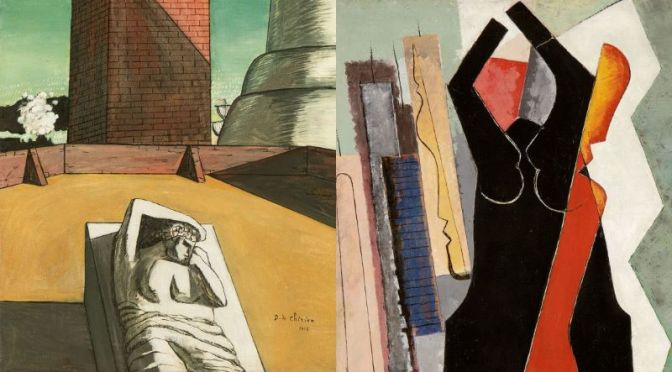
In this video, join essayist and New Yorker staff writer Adam Gopnik in an exploration of two masterpieces from the early twentieth century: Georgio De Chirico’s “Il Pomeriggio di Arianna (Ariadne’s Afternoon)”and Man Ray’s “Black Widow (Nativity).” Both painted near the outset of the first world war, these works not only capture the effusive zeitgeist of their age but prefigure the aesthetic movements that would come to characterize modern art.
Making their auction debut, “Il Pomeriggio di Arianna (Ariadne’s Afternoon)”and “Black Widow (Nativity)”will be offered as highlights of Sotheby’s Impressionist & Modern Art Evening Sale in New York. (28 October | New York) Learn more: https://www.sothebys.com/en/series/to…
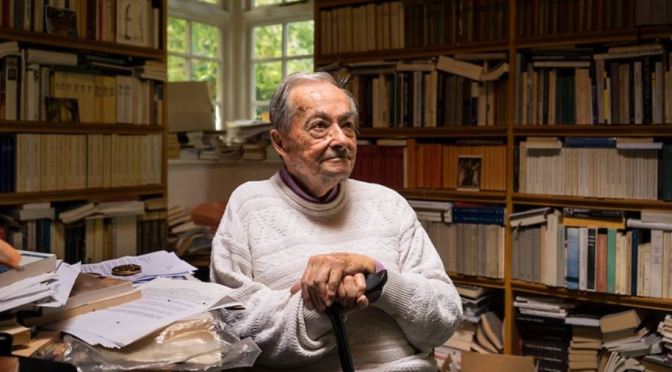
 He was the real thing, the last of the great middle-European intellectual journeyers, one with Benjamin and Cioran and the other exiles, for whom books were the one constant country and reading them a matter of life and death. With him gone, we can only reread his writing, determined to honor the intensity of his commitment by intensifying our own.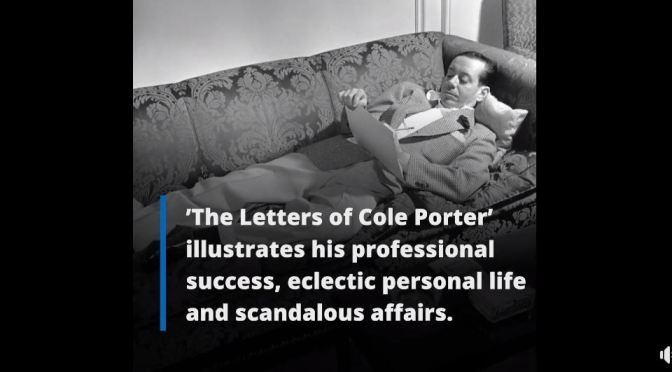
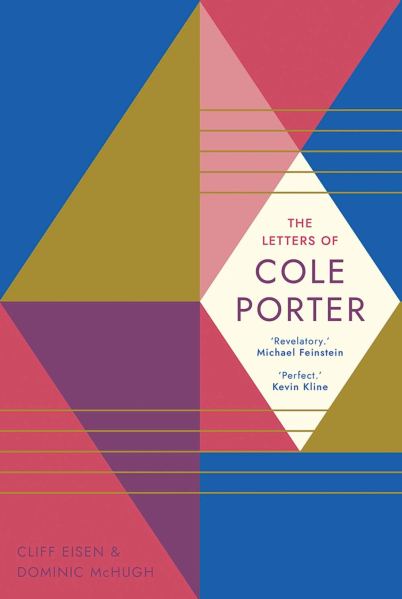 Beneath his smooth, genial, almost inhumanly productive and evasive surface, there were turbulent waters. His very name, for all its air of Ivy League ease, represents a burdened legacy. The Porters were his difficult, scapegrace father’s family; the Coles were his mother’s rich and ambitious Indiana family. He was a Porter by birth but, if his mother had anything to do with it, would be a Cole for life.
 Boomers Daily