 Scott Burger, MITEI Energy Fellow and researcher, discusses rooftop solar economics, net metering, energy poverty, and electricity costs. Show notes and transcript: https://energy.mit.edu/podcast/16

Scott Burger, MITEI Energy Fellow and researcher, discusses rooftop solar economics, net metering, energy poverty, and electricity costs. Show notes and transcript: https://energy.mit.edu/podcast/16
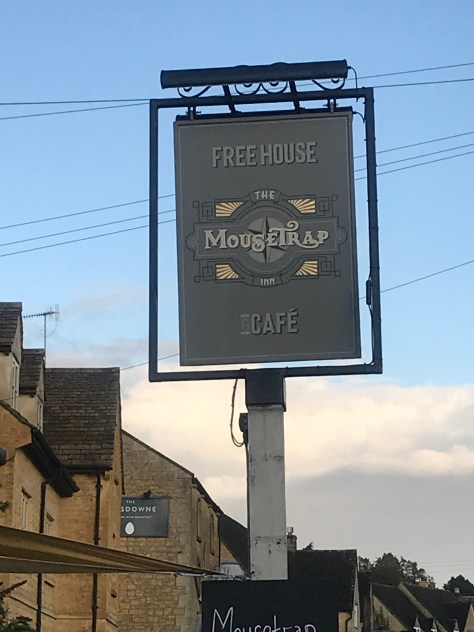
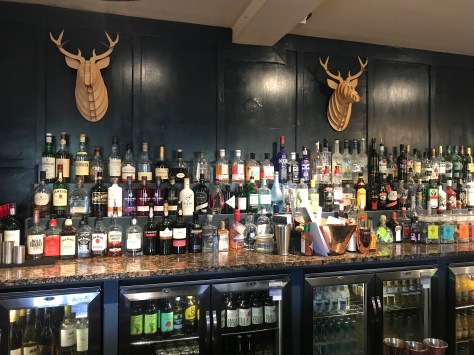
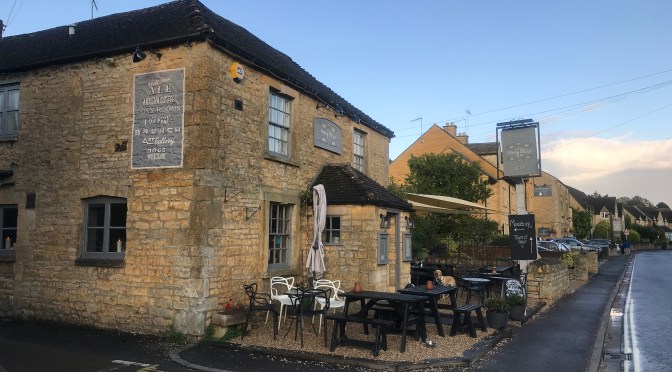
A very popular locals destination. The Mousetrap Inn had most tables reserved or occupied as we walked in Friday night at 6 pm.
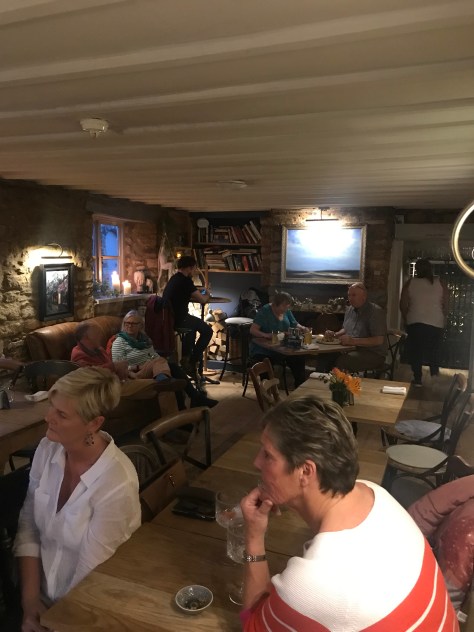
The bartender was very friendly and seated us at one of the few available tables.
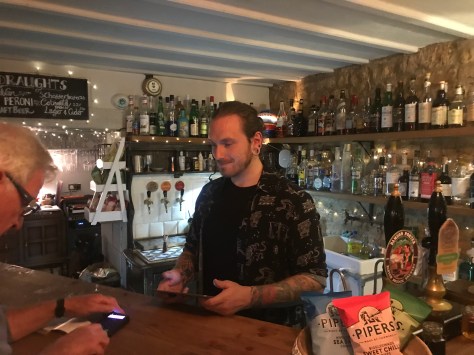
He quickly recommended the Roast Cauliflower with Chickpeas, dill, raisins and smoked almonds as a vegetarian entree selection. He then suggested two drinks: The Mousetrap house specialty, a Cotswold Dry Gin and soda drink with a unique long ice cube of lemons, cucumber, mint and bitters) along with a twin scotch Old Fashioned. Excellent.
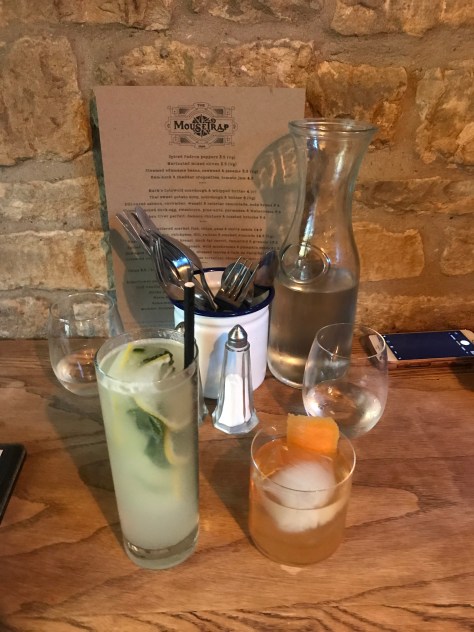
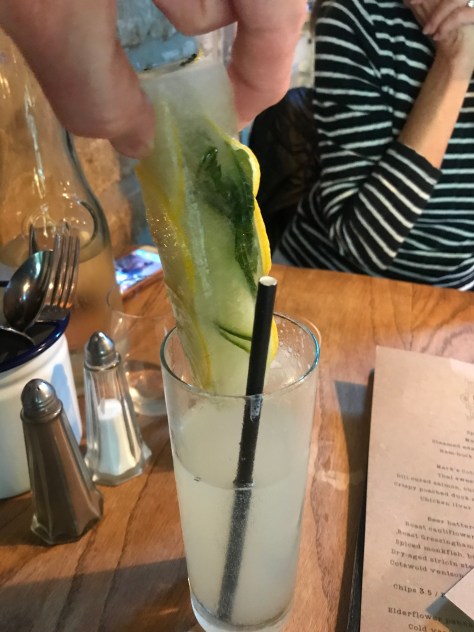
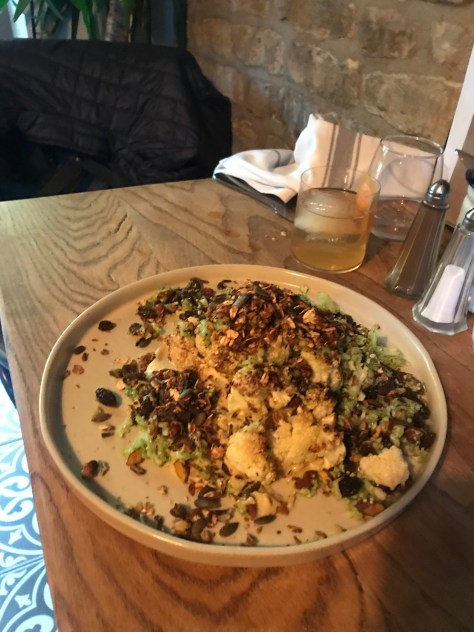
Very unique food, drinks and atmosphere. A must visit.
After checking out of The Swan and a pre-drive walk of Arlington Row, we headed northwest to the historically interesting Sudeley Castle.

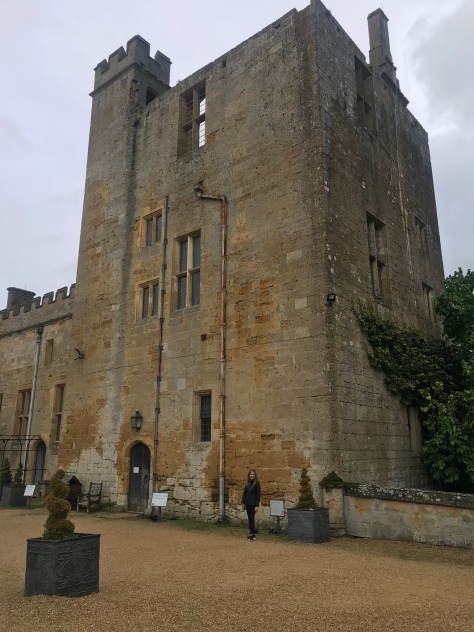

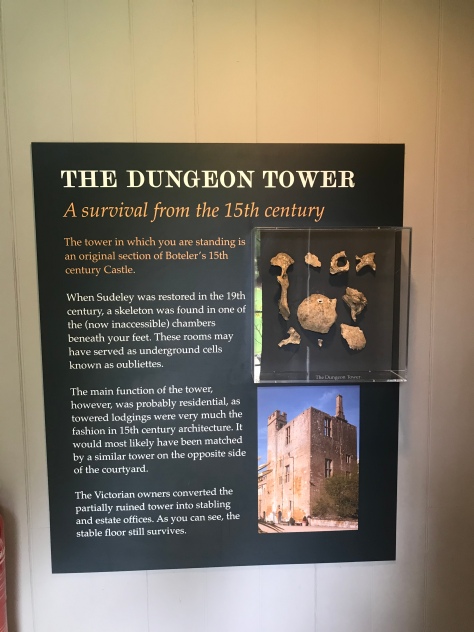

With over 1000 years of history, Sudeley hosted Kings Richard III, Henry VIII, Queens Ann Boleyn and Catherine Parr, Lady Jane Gray and a young (pre-Queen) Elizabeth I. All before 1550.


We then drove to Upper Slaughter to check in at Lords of the Manor Hotel.


A quick walk down to Lower Slaughter and a peek at The Old Mill Museum and store. A steady rain provided a very British touch to the walk down the narrow lanes amidst meadows filled with sheep and beautiful country houses.


We then walked back to Lords in time for a tour of the gardens Emily, the head gardener.

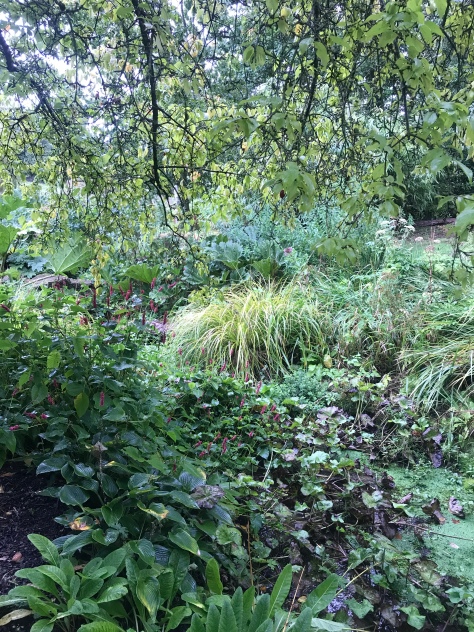
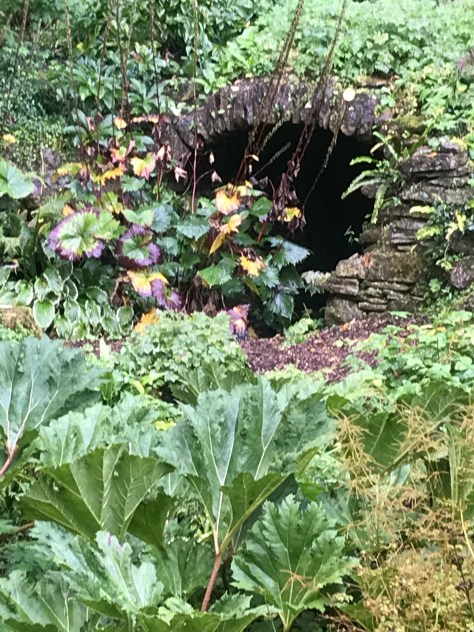
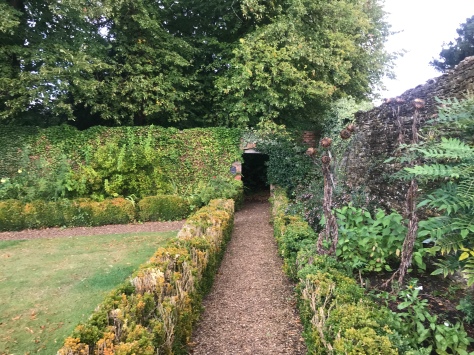
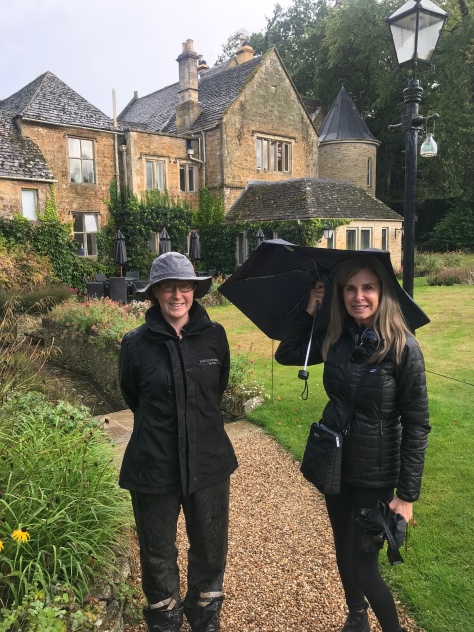
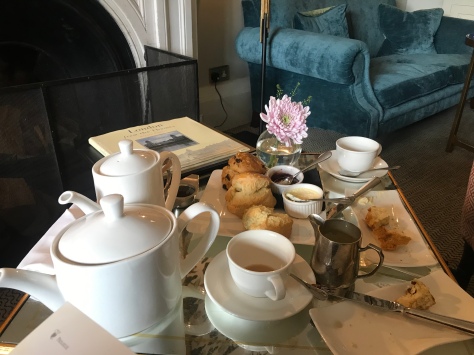
We then headed to warm up with a full English Tea with scones.
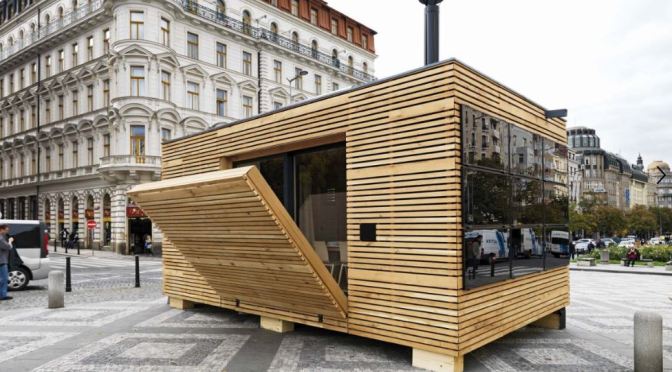
From a Freedomsky webpage:
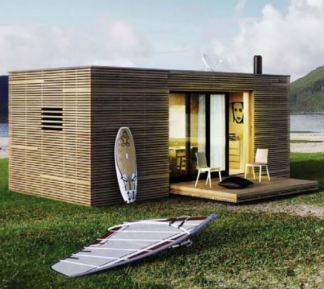 Freedomky offers a unique way of living that combines thoughtful design, style purity and uncompromising material quality. Freedomky are charming houses you just choose and then move right in. You don’t have to follow it; it comes wherever you decide. A pleasant space with minimal energy requirements, it’ll hook you immediately. Once you enter, you’ll understand. Maybe you’ll start to live a little differently, freely. Freedomky is not just a house, it’s a lifestyle.

 A brisk 2.9 mile walk (yes, 2.9 miles) in mildly drizzly weather from The Swan Hotel door back to the breakfast room set up a perfect day.
Drove to Blenheim Palace and arrived at the 10:00 am opening time. Gorgeous grounds and gated entrance.
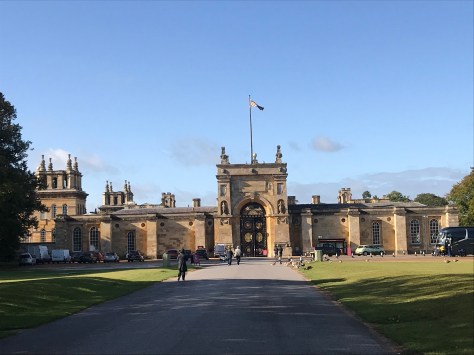
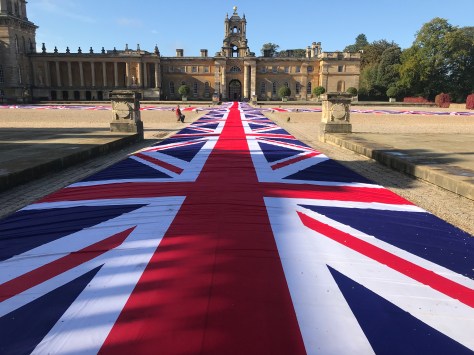
Famed Italian Artist Mauricio Cattelan was featured throughout the Palace and grounds which added to the spectacle.
We entered the palace at 10:30 and were swept up in an amazing tour of the Duke of Marlborough’s residence.
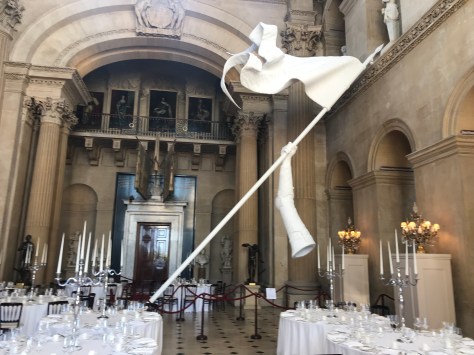
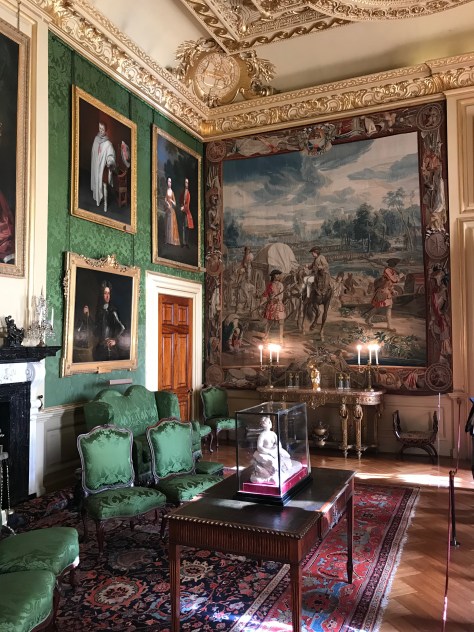


The audio tour was very informative and kept your interest in every room.


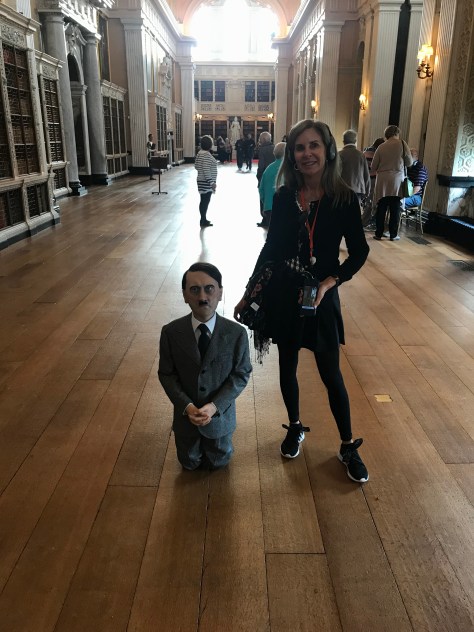
Cattelan’s very humorous exhibits were meant to convey the very accidental and interactive nature life and art, with the aim of softening the imposing feel of the castle. Amazing.
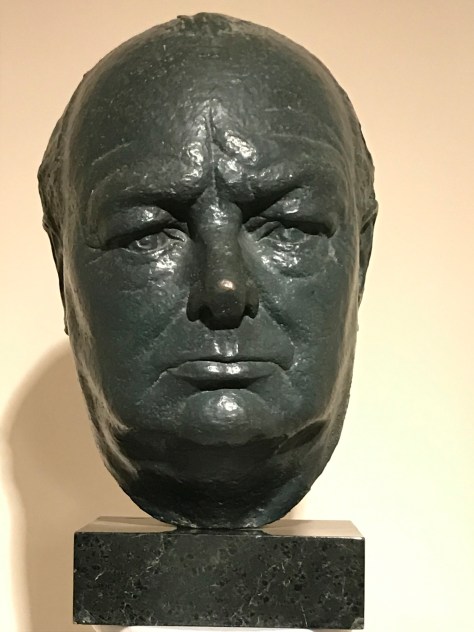
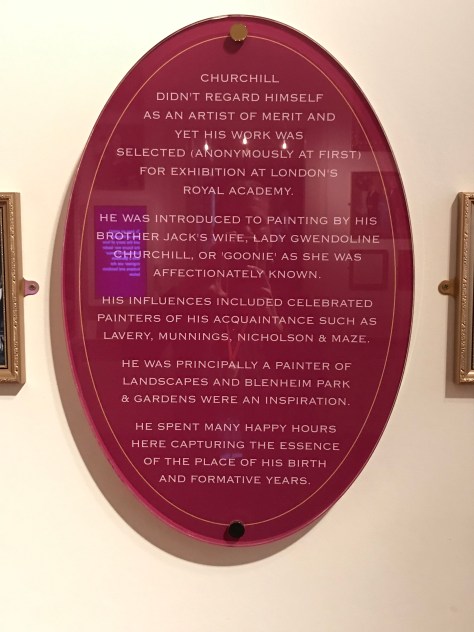
The Winston Churchill exhibits at the end were spectacular in breadth and scope.


We left at 1:00 and drove to Broadway and a walk of the very polished town, full of art galleries, custom shops and elite hotels. 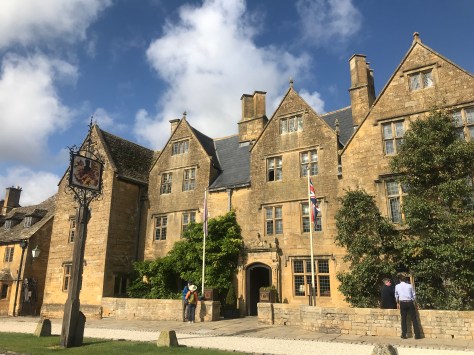
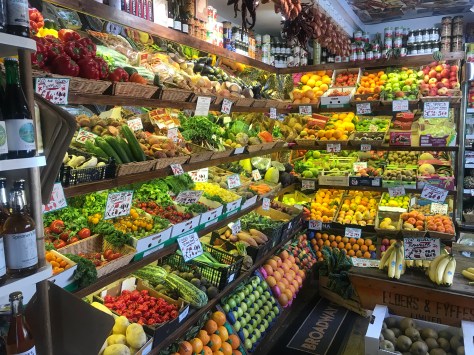


A great sandwich and salad at a deli on the Main Street was followed by a drive to the Broadway Tower.


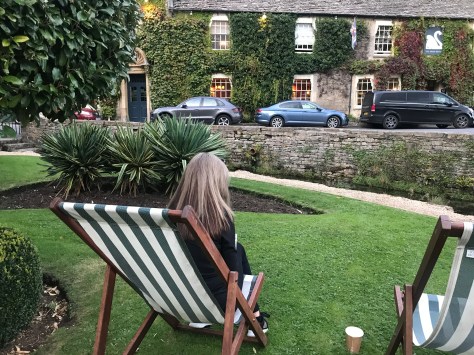
We headed back to Bibury and a glass of Rose in the small park in front of The Swan Hotel.

From the Takyo Abeke website:
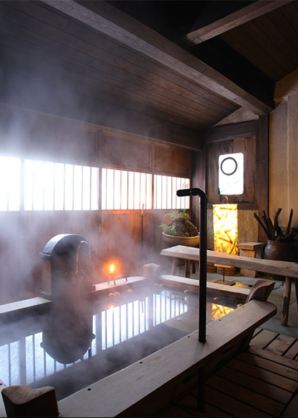 Situated along the winding mountain road that is the historic village of Omori, Takyo Abeke is hidden behind a rustic bamboo fence covered in climbing roses and shielded from the road by a deep courtyard garden. The 228-year-old building was once the home of the Abe family (Abeke), who were administrative officials for the Iwami Ginzan silver mine dug deep into the mountains at the top of the village. During the 17th and 18th centuries the silver mine was the largest in the world, and its output financed not only bustling local village life and imposing houses like Abeke but also Japan’s rapid economic growth, urbanization, and flowering of its unique culture of shibusa— aesthetics based on nature, simplicity, and the ephemeral—during the first centuries of the Edo period (1603-1868).
Website: http://www.takyo-abeke.jp/english/
After a brisk walk through the Arlington Row, a very nice breakfast awaited us in The Swan dining room.


The drive to Oxford from Bibury is 30 miles, but expect traffic in the last 5 miles. Allow an hour to get parked in one of the many underground parking areas, such as the Gloucester Green.
 Our first stop was the Ashmolean Museum, which was remarkably uncrowded at 9:30 am this Wednesday morning. We paid to see the special exhibit “Last Supper In Pompeii” and it was outstanding.

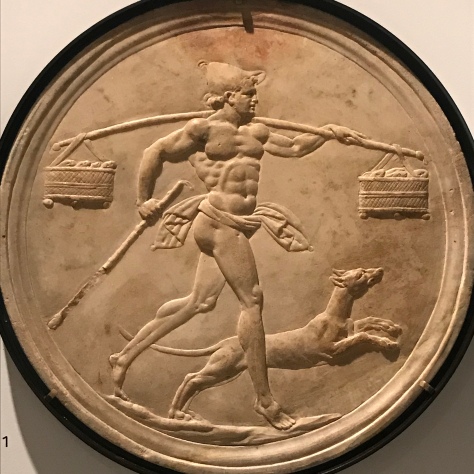


We then walked the remaining floors to view the incredible Renaissance and European Art exhibits including paintings, sculpture, ceramics and musical instruments

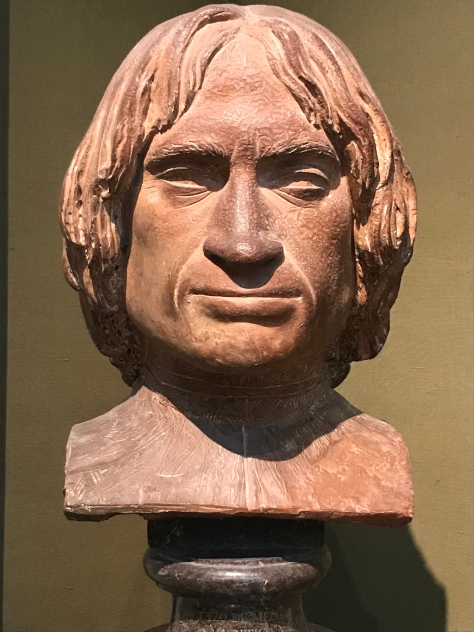
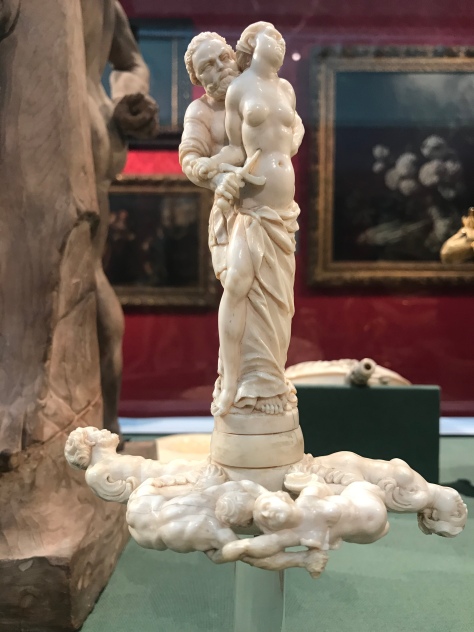
The three Stradivarius violins and one guitar, along with other priceless instruments were one of a kind holdings of this world class museum. 


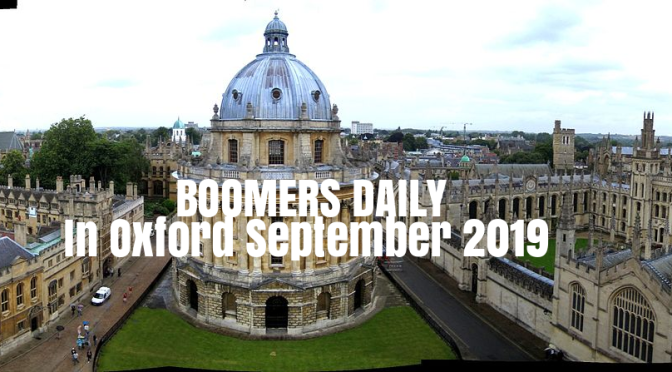
We walked over the Bodleian Library and purchased tour tickets for 1 pm. The we walked over to University Church of Saint Mary the Virgin and paid to climb the tower to view all of Oxford but especially the Radcliffe Camera.


No one should visit Oxford and not climb the tower. Spectacular is the only descriptor. We climbed back down and walked the streets nearby until it was time for the tour. Our guide was an amazing woman who studied history at Cambridge before falling in love with the Bodleian.


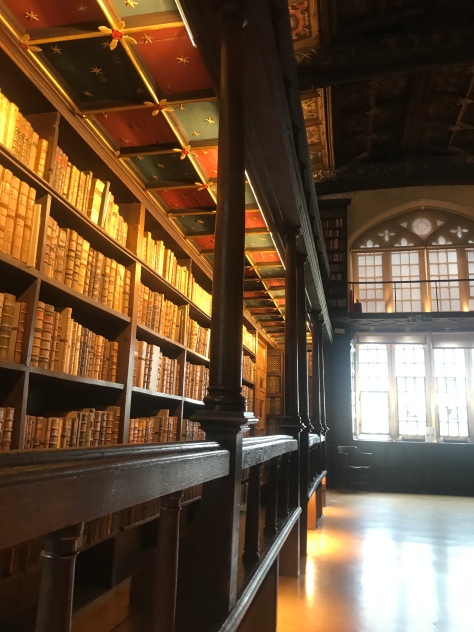
The history of Oxford University is centered around the 600+ year construction and evolution of its world famous library. A must see.
We walked over to the Christ Church Picture Gallery for a quick viewing and then had late lunch at The Bear, a classically old pub down a small alley.


Great day!
From a BMWGroupDesignworks.com webpage:
 The camper is a light, mobile dome made of FUTURELIGHT™ material and heavy-duty geometry. As the fabric stretches over a geodesic dome, it creates a natural, weather-proof space. Somewhere to sleep after a day of hiking, or a place to take cover when nature is being, well, nature.
The camper is crafted on top of a highly-mobile platform, providing a comfortable cave for two people. The interior includes camping essentials, such as a bed and table, while still providing the feeling of a free space in nature due to its dome structure.
To read more:
https://www.bmwgroupdesignworks.com/case_studies/the-north-face-camper/
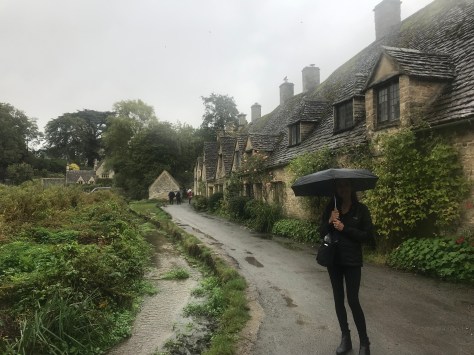
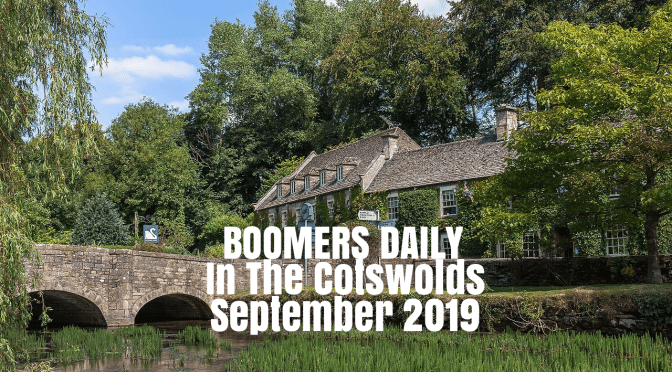
 Left The Painswick after a fine British breakfast (highlighted by fabulous, freshly made crumpets and a berry compote), we drove into a heavy rain toward Cirencester and the on to Bibury for a 3-night stay at The Swan Hotel.
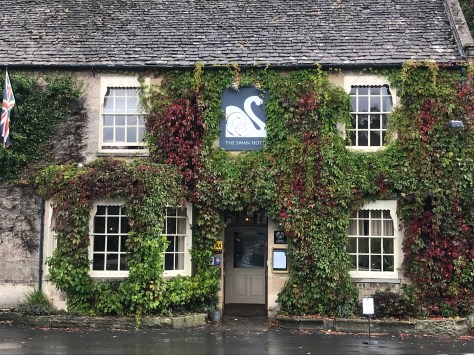
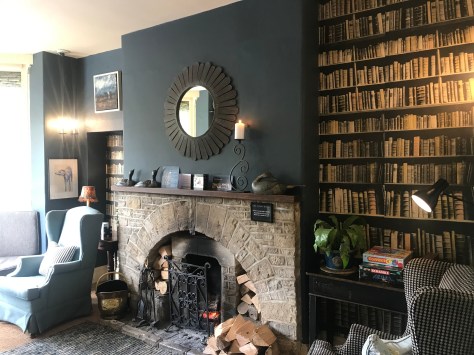
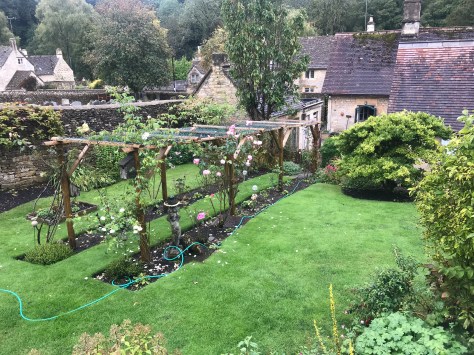
The rain let up a bit so a walk of the village after checking in was next.
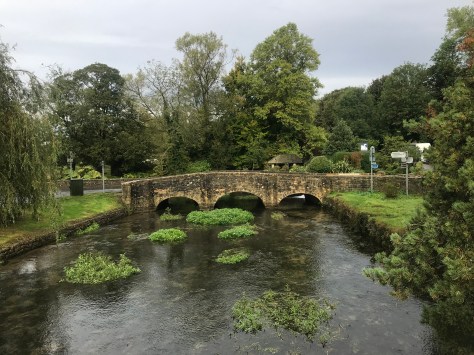
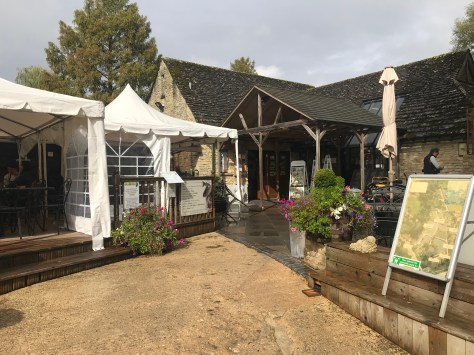
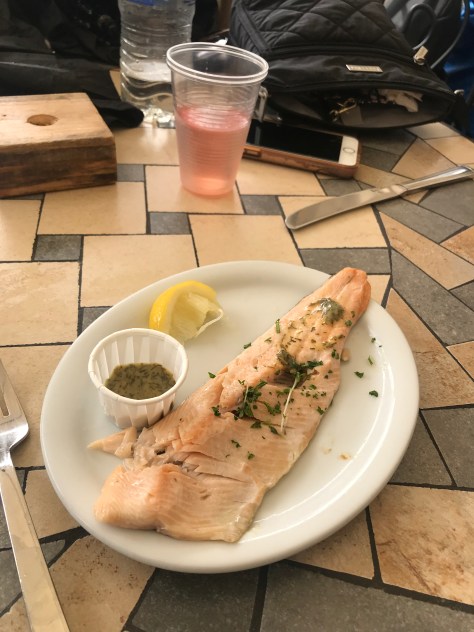
The rain resumed so we ducked into the Bibury Trout Farm cafe for a bottle of Rose wine and baked trout (directly across from The Swan.
Road trip time at 1:30 and a trip to Burford, “Gateway to the Cotswolds”.
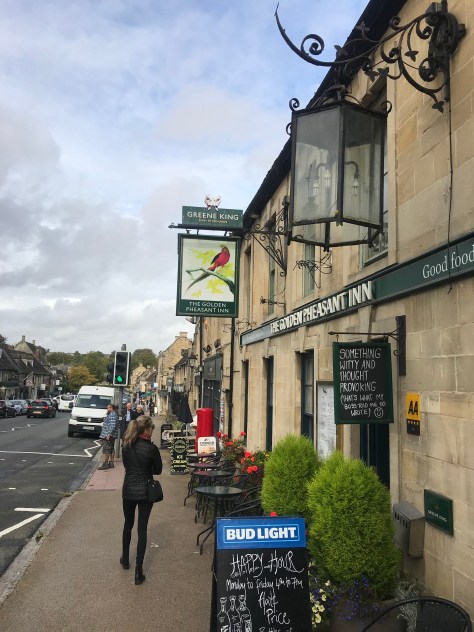
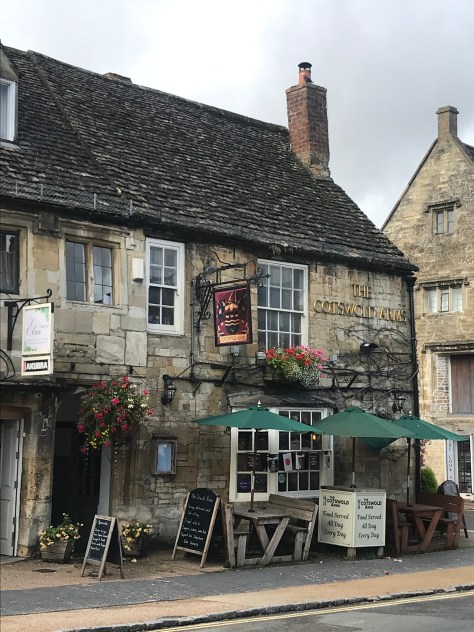
Forbes has Burford listed as #6 best place to live in Europe.
The next stop was Stow-On-The-Wold, an ancient tub dating back to the Stone Age.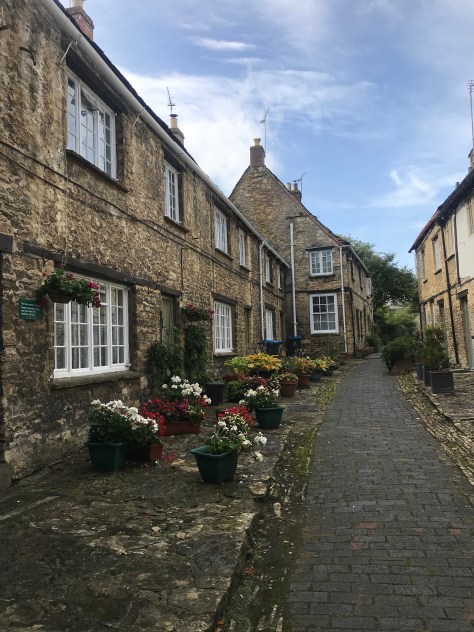
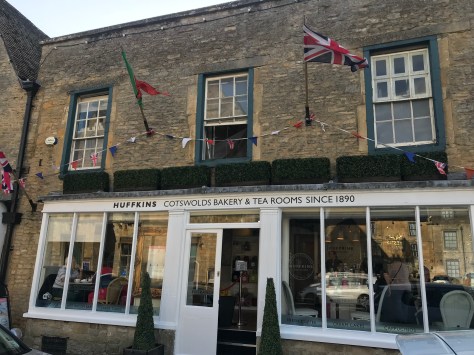
 The finest brownie in the world (layered peanut butter, chocolate fudge) was waiting for us at Huffkins Bakery. That and an iced coffee is worth a flight to London and the drive to Stow.
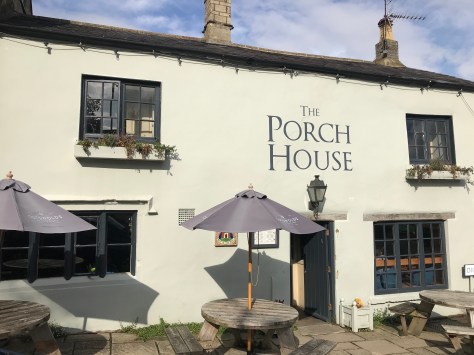
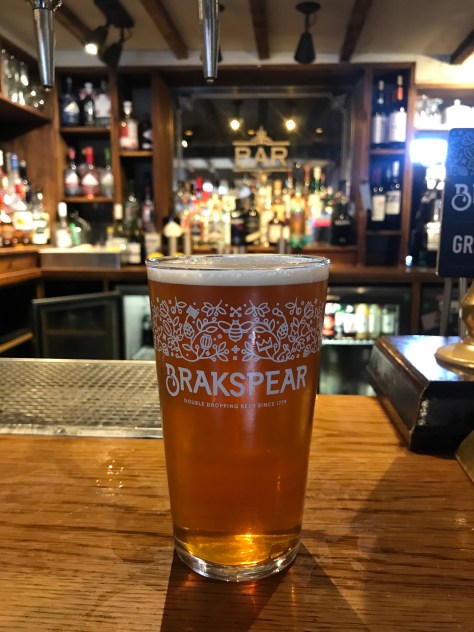
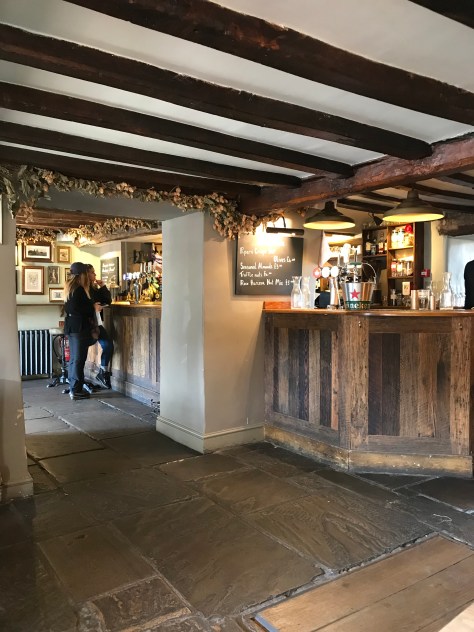
A quick pull at The Porch House, which claims to be the oldest pub in England (dating to 947 AD), was an experience with beams that bang foreheads at 5’10”.
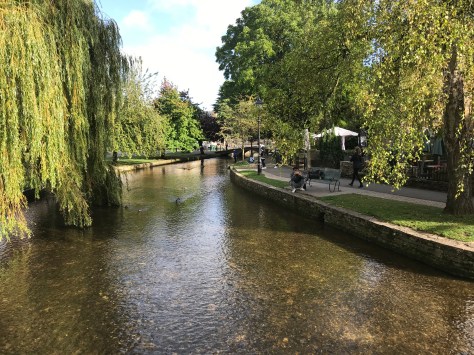
Bourton-On-The-Water was next up on the way back to Bibury.
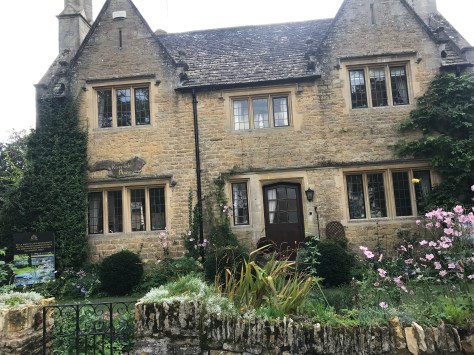
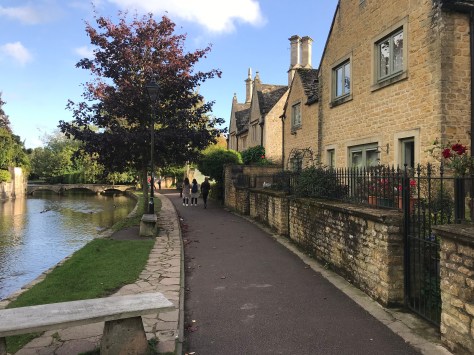
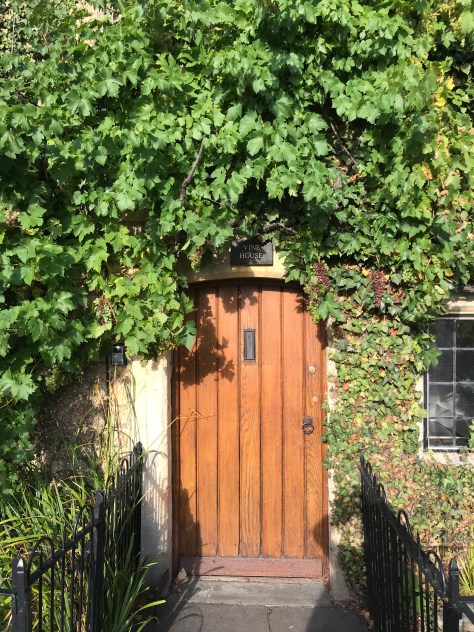
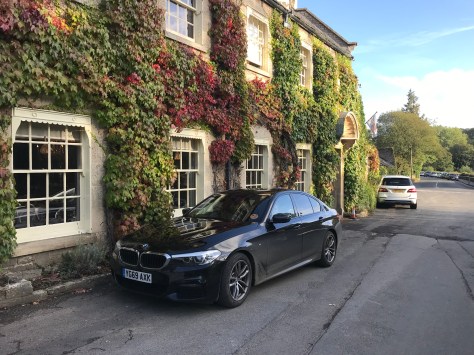
A ten mile trip back to The Swan was directed through rolling countryside by the GPS. Lovely.
From a Princeton University Press online release:
 America’s most storied urban underdog, Brooklyn has become an internationally recognized brand in recent decades—celebrated and scorned as one of the hippest destinations in the world. In Brooklyn: The Once and Future City, Thomas J. Campanella unearths long-lost threads of the urban past, telling the rich history of the rise, fall, and reinvention of one of the world’s most resurgent cities.
Spanning centuries and neighborhoods, Brooklyn-born Campanella recounts the creation of places familiar and long forgotten, both built and never realized, bringing to life the individuals whose dreams, visions, rackets, and schemes forged the city we know today. He takes us through Brooklyn’s history as homeland of the Leni Lenape and its transformation by Dutch colonists into a dense slaveholding region. We learn about English émigré Deborah Moody, whose town of Gravesend was the first founded by a woman in America. We see how wanderlusting Yale dropout Frederick Law Olmsted used Prospect Park to anchor an open space system that was to reach back to Manhattan. And we witness Brooklyn’s emergence as a playland of racetracks and amusement parks celebrated around the world.
To read more: https://press.princeton.edu/titles/13671.html



 Boomers Daily