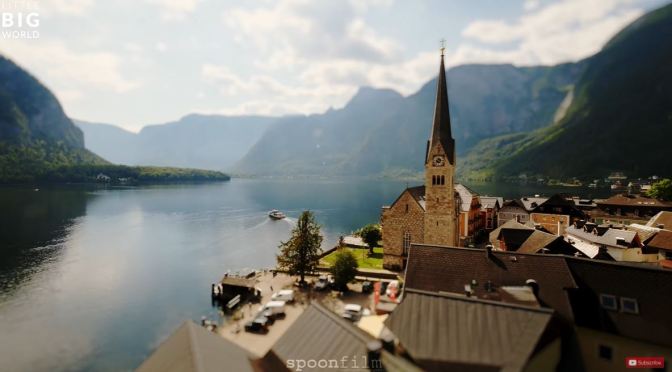
This is the first of a few upcoming films from places that I probably would not have visited without the pandemic. Hallstatt is a small town in Upper Austria and with all the social media frenzy and overtourism I never had a great desire to go there.
However, last summer I spend two weeks vacation in Austria approx. one hour away from Hallstatt and with travel restrictions at the time it seemed that this would be only possible time were a place like this could actually be bearable for a day trip. While locals there assured me that the town was literally empty, it still had this tourist trap feeling to it all over the place. However, it is objectively really pretty and picturesque and all that, but it still is not really my cup of tea I guess. But check it out for yourself in less than 3 minutes – in miniature of course.
Below are a few interesting facts about Hallstatt from Wikipedia: Hallstatt’s tourism began in the 19th century but greatly increased after it was named a UNESCO World Heritage Site in 1997. It became popular among Asian tourists in 2006 when it was featured on a South Korean television show. Social media images of it, captioned “the most Instagrammable town in the world,” went viral in Southeast Asia. A replica was planned and then built in China in 2011 in Huizhou, Guangdong province, Hallstatt’s twin town. In 2013 it was rumored in China to be the model for the movie Frozen’s Arendelle village. In 2020 the town had a population of 780, and estimates of 10,000 to nearly 30,000 tourists per day, primarily via bus tours which bring tourists briefly into the town for photo opportunities, then quickly move on. Until the late 19th century, it was only possible to reach Hallstatt by boat or via narrow trails. The land between the lake and mountains was sparse, and the town itself exhausted every free patch of it. Access between houses on the river bank was by boat or over the upper path, a small corridor passing through attics. The first road to Hallstatt was only built in 1890, along the west shore, partially by rock blasting. Nevertheless, this secluded and inhospitable landscape counts as one of the first places of human settlement due to the rich sources of natural salt, which have been mined for thousands of years. A time lapse & tilt shift & aerial travel video by Joerg Daiber.
A selection of three essential articles read aloud from the latest issue of The Economist. This week: how green bottlenecks threaten the clean energy business, meet the voters that are turning former Labour strongholds Conservative in England (9:45) and, as curtains rise again, the theatre is set to look very different (16:55).
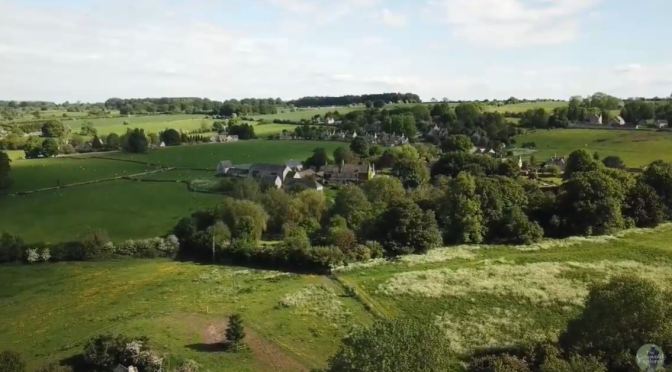
Windrush is a village and civil parish in Gloucestershire, England, approximately five miles southeast of Northleach. It lies in the Cotswolds on the River Windrush, from which it derives its name.
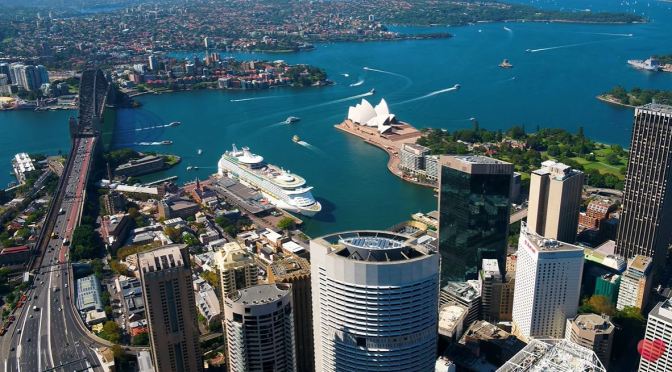
Australia, officially the Commonwealth of Australia, is a sovereign country comprising the mainland of the Australian continent, the island of Tasmania, and numerous smaller islands. It is the largest country in Oceania and the world’s sixth-largest country.
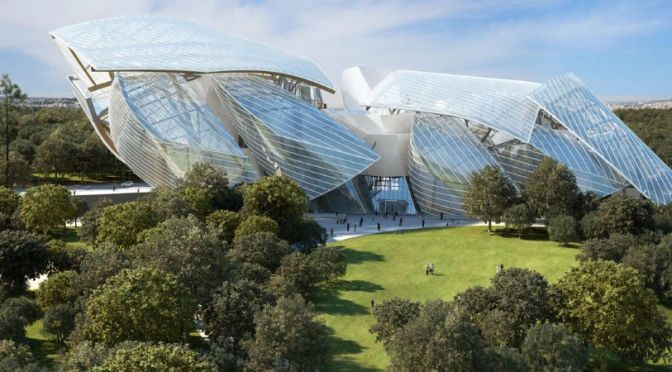
The Frank Gehry design for the Louis Vuitton Foundation building was certainly innovative. But from a structural engineering perspective, there was nothing to suggest it was actually possible.
The building of the Louis Vuitton Foundation, started in 2006, is an art museum and cultural center sponsored by the group LVMH and its subsidiaries. It is run as a legally separate, nonprofit entity as part of LVMH’s promotion of art and culture. The art museum opened in October 2014.
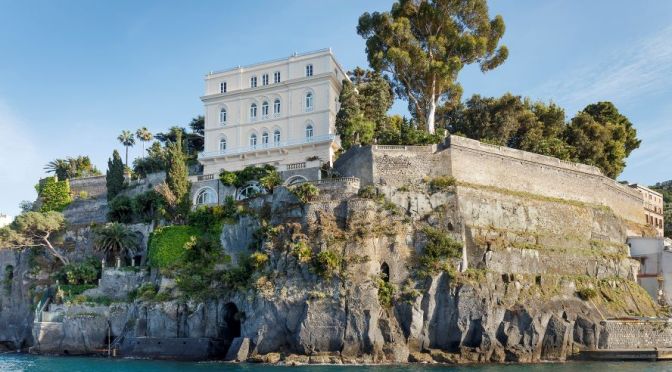
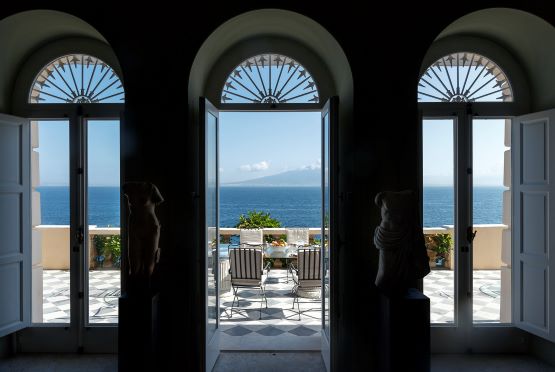
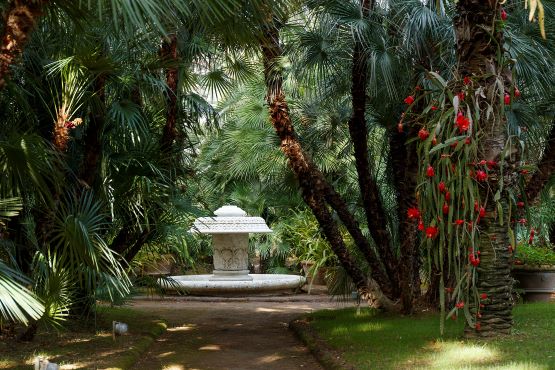
Villa Astor, the most prestigious property in Sorrento, is a magnificent edifice towering above the Gulf of Naples. The Villa and the distinctive garden, one of the 20 most beautiful gardens in Europe on two hectares (4+ acres) of land, face outwards Naples and the Vesuvio with a sheer drop to the sea.
The three story Villa has large terraces. Moreover, the domain includes an annex, a garden with fountains, lily ponds and a small pool as well as two private accesses to the Mediterranean and several large roman caves. The property includes the remains of a Roman villa and a collection of 145 archaeological pieces of great cultural and historical interest.
The part of the Mekong River where Preah Vihear and Steung Treng Provinces meet transform into a system of raging rapids—on the Cambodian side of the river, the Sopheakmit Waterfalls reveals the power of the Mekong, embodied in a frothing rush of water over 26 meters of limestone rocks.
News, Views and Reviews For The Intellectually Curious







 Boomers Daily