

“Sunday Morning” visits eaglets at Letchworth State Park, near the town of Castile in western New York State. Videographer: Carl Mrozek.
Category Archives: Wilderness
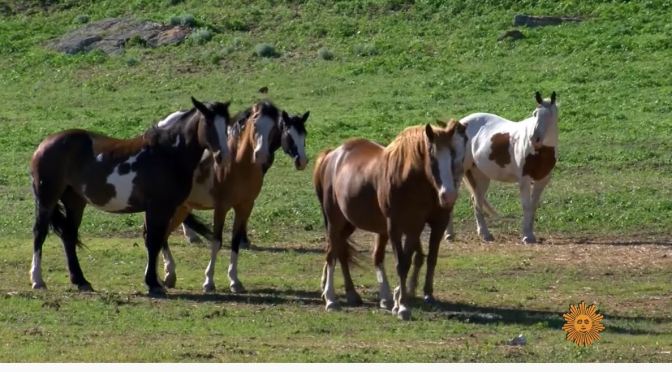
Nature Views: Black Hills Wild Horse Sanctuary In Southwest South Dakota
“Sunday Morning” takes us to South Dakota’s Black Hills Wild Horse Sanctuary, near Hot Springs – 11,000 acres in which horses may run free. Videographer: Kevin Kjergaard.
The Black Hills is a small and isolated mountain range rising from the Great Plains of North America in western South Dakota and extending into Wyoming, United States. Black Elk Peak, which rises to 7,244 feet, is the range’s highest summit. The Black Hills encompass the Black Hills National Forest.
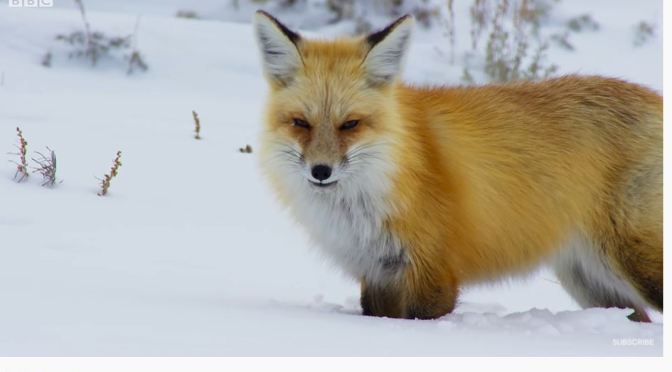
Wildlife Views: A Red Fox ‘Snow Dives’ To Hunt Prey
Unlike the buffalo who dig through tonnes of snow, this crafty fox has a unique way of hunting its prey in winter.
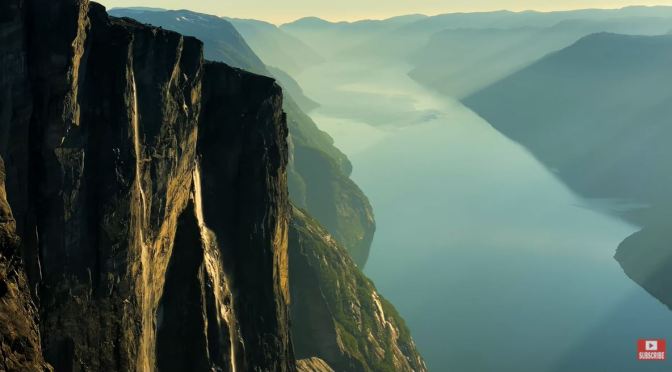
Camping: Kjerag Falls at Lysefjorden, Norway (4K)
Norways Most Beautiful Summer Experience? Sunset Camping at Kjerag Falls 1000 m above Lysefjorden 4k June 2021.
Camping a 1000m above Lysefjord and experiencing the Kjerag Waterfall in a spectacular sunset from above, I found this experience to be better than watching the Yosemite Firefalls, very similar effect, but seen alone from right above the waterfall with a rainbow and the Fjord with tiny boats and everything before going to sleep in my tent.
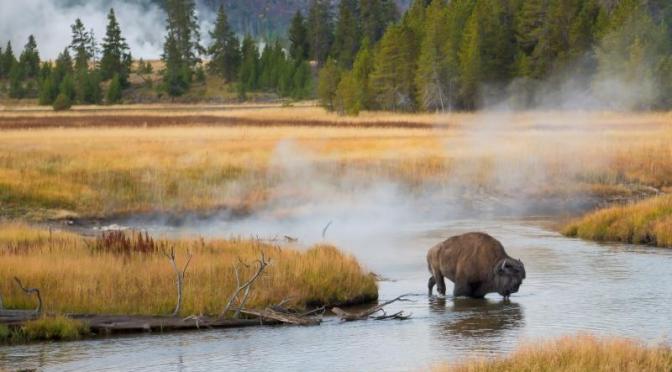
Wildlife: Yellowstone Bison and Marsh Birds

Views: Ecuador’s ‘Sword-Billed Hummingbirds’
The sword-billed hummingbird has exclusive access to food that other birds simply cannot reach, but having such a long bill does have its drawbacks.
The sword-billed hummingbird is a neotropical species of hummingbird from the Andean regions of South America. It is the sole member of the genus Ensifera and is characterized by its unusually long bill; it is the only bird to have a beak longer than the rest of its body.

Views: Red-Tailed Hawk On The U.S.- Canada Border
A vole has made a fatal mistake and wandered into ‘The Slash’–the narrow cleared pathway that serves as a border to Canada. Out in the open, she’s easy to spot and a predator would need no second invitation.
The red-tailed hawk is a bird of prey that breeds throughout most of North America, from the interior of Alaska and northern Canada to as far south as Panama and the West Indies. It is one of the most common members within the genus of Buteo in North America or worldwide.

Wildlife Views: A Bobcat Hunting In Yellowstone National Park, Wyoming
Throughout winter, the rivers are full of food for those who know how to hunt it, and this tenacious bobcat is trying to catch his next meal.
Bobcats are small wild cats with reddish-brown or yellowish-brown coats, streaked with black or dark brown. They have prominent, pointed ears with a tuft of black hair at the tip. Females average 20 pounds and males weigh from 16 to 30 pounds. They breed in late winter or early spring and have a gestation period of about two months. A female may have one to six kittens each year. Although adapted to a variety of habitats across the country, they do not tolerate the deep snows found in much of Yellowstone, and thus they are usually reported in the northern portion of the park. Bobcats move about their home ranges most actively in the hours near dawn and dusk, hunting small mammals such as mice, rabbits, hares, and deer. They seek cover in conifer stands and on rocky ledges.
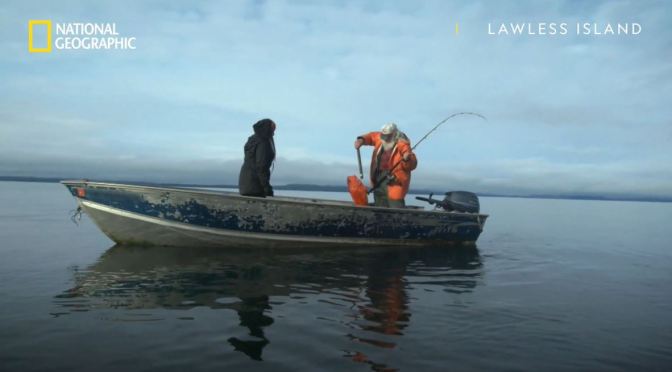
Alaskan Views: Fishing For Yelloweye Rockfish On ‘Lawless Island’ (Video)
Deep in the wilderness of Southern Alaska, winters can be blisteringly cold and harsh. After fishing in the same spot for a couple of years, Gary finally strikes it lucky with the illusive Yelloweye Rockfish. A fish of this size means that Gary and Litzi can relax slightly as Port Protection endures another winter. Lawless Island, Wednesdays 9pm on National Geographic UK. 📺
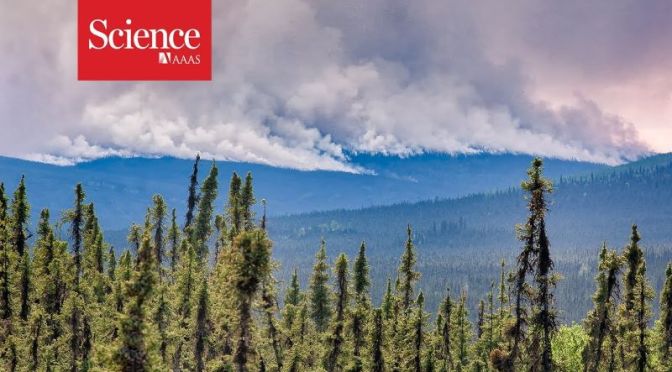
Wildfires: New Forests In Alaska Have Increased Carbon Sequestration
It’s no secret that warming temperatures are transforming landscapes in extreme northern regions. In Alaska, where wildfires have burned through many old-growth spruce forests in the past half decade, deciduous trees—such as aspen and birch—are starting to take over. But little is known about the impact these changes will have on how much carbon the forests release and store.
To find out, researchers trudged through the Alaskan taiga, seeking out wildfire sites where spruce once dominated. They mined these sites for information on carbon and nitrogen stores and forest turnover over time. What they found surprised them: In the long run, their estimates suggest that intensifying heat and more wildfires may lead to more carbon sequestration in Alaskan forests, they report today in Science. It’s impossible to know for sure that the flames will subside, but it’s a bit of good news as the fires burn out the old growth and bring in the new.
Read the research: https://scim.ag/3soUc4e
 Boomers Daily