Science Magazine – June 16, 2023 issue: A wild little penguin (Eudyptula minor) stands silhouetted against the city of Melbourne, Australia. Increasing levels of light pollution are having adverse effects on humans and the natural world.
For most of history, the only lights made by humans were naked flames. Daily life was governed by the times of sunrise and sunset, outdoor nighttime activities depended on the phase of the Moon, and viewing the stars was a common and culturally important activity. Today, the widespread deployment of outdoor electric lighting means that the night is no longer dark for most people—few can see the Milky Way from their homes. Outdoor lighting has many legitimate uses that have benefited society. However, it often leads to illumination at times and locations that are unnecessary, excessive, intrusive, or harmful: light pollution.
Data on shark populations in coral reefs raise concern and hope for recovery
Sharks and their relatives are some of the most threatened vertebrates on Earth, with approximately one-third estimated or assessed as threatened with extinction (1). This is a major problem because as predators that help keep the food web in balance, these animals play a variety of vitally important ecological roles (2) and in doing so help to keep healthy many ecosystems that humans depend on. Coral reefs provide homes for countless fish species that are vital for fisheries and are therefore an especially important ecosystem for humans—and one where the decline of shark populations seems to be especially acute
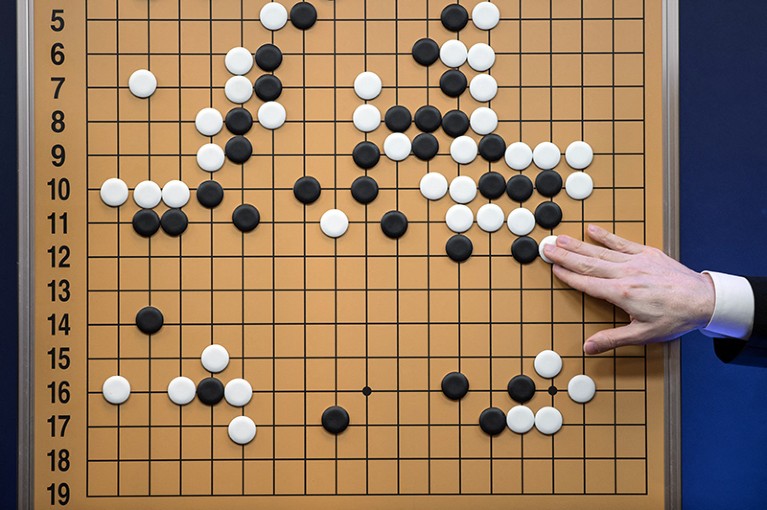
The technology developed by DeepMind that plays Go and chess can also help to write code.
An artificial intelligence (AI) system based on Google DeepMind’s AlphaZero AI created algorithms that, when translated into the standard programming language C++, can sort data up to three times as fast as human-generated versions.
“We were a bit shocked,” said Daniel Mankowitz, a computer scientist at DeepMind who led the work. “We didn’t believe it at first.”
Large sections of the Kakhovka dam have collapsed, unleashing catastrophic floods. Credit: Satellite image (c) 2023 Maxar Technologies via Getty
Extensive flooding could have severe consequences for farming, health and the environment.
The 66-year-old Kakhovka dam on the Dnieper River in south Ukraine collapsed on the morning of 6 June after a suspected explosion, triggering a catastrophic humanitarian and environmental crisis.
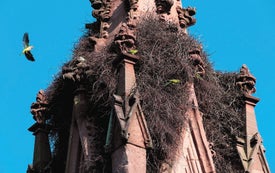
At Brooklyn’s Green-Wood Cemetery the living get as much attention as the dead. Groundskeepers maintain the 478-acre historic landmark as an arboretum and habitat for more than 200 breeding and migratory bird species. But many visiting wildlife lovers aren’t interested in those native birds. They’re at the entryway, their binoculars trained on the spire atop its Gothic Revival arches. They’ve come to see the parrots.
Exposure to extreme heat can damage the central nervous system, the brain and other vital organs, and the effects can set in with terrifying speed, resulting in heat exhaustion, heat cramps or heatstroke. It also exacerbates existing medical conditions such as hypertension and heart disease and is especially perilous for people who suffer from chronic diseases. The older population is at high risk, and children, who may not be able to regulate their body temperatures as effectively as adults in extreme conditions, are also vulnerable.
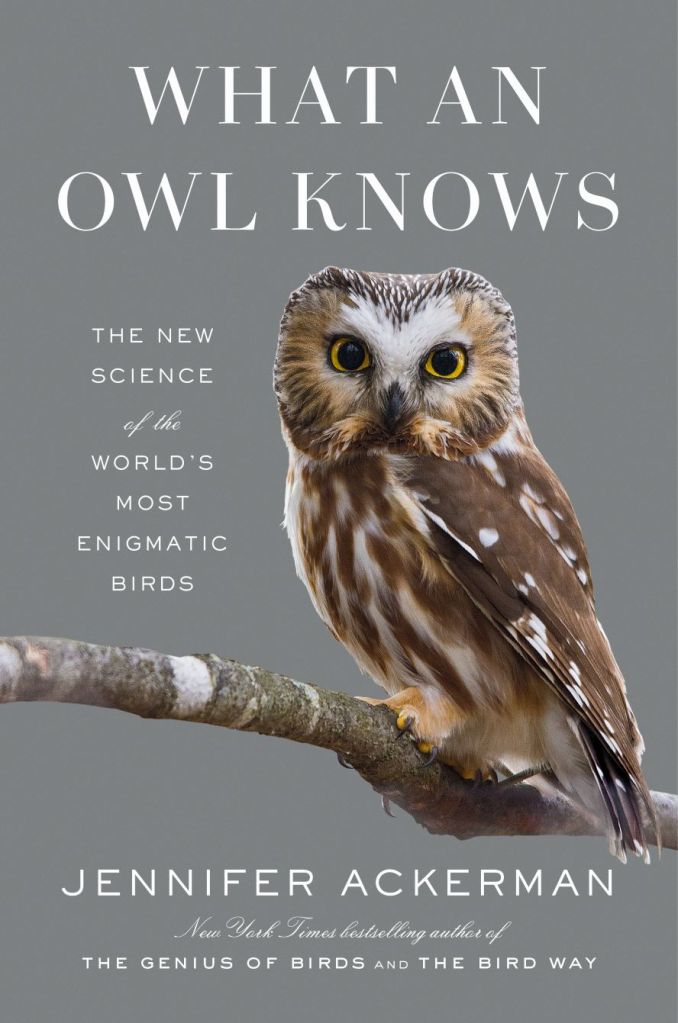
With their unnerving stare and eerie ways, it is small wonder that owls provoke superstition—and flights of fancy, as in the owl who sails with the pussycat in Edward Lear’s poem. In myths, stories and art, “owls speak of wisdom and luck, of misfortune and malevolence”, the author writes. They were associated with Athena, Greek goddess of wisdom.
The Economist (June 11, 2023) – With a face as round as the first letter of its name and a stance as upright as the last—along with human-like features and a haunting cry—the owl has a mystical, mythical perch in the imagination. Difficult to spot because of their mostly nocturnal habits, and sporting cryptic plumage that helps them melt into landscapes, owls, writes Jennifer Ackerman, are the most enigmatic of birds.
Ms Ackerman is a natural-history writer who specialises in the avian world. In“What an Owl Knows” she offers an absorbing ear-tuft-to-tail appreciation of the raptor that Mary Oliver, a poet, called a “god of plunge and blood”. Owls, it seems, know a lot. Ms Ackerman draws on recent research to explain what and how.
To begin with, she stresses, there is no generic owl, but rather a diversity of some 260 species found on every continent bar Antarctica. They stretch from the fire-hydrant-sized Blakiston’s Fish Owl to the Elf Owl, which could fit in your palm. Most, but not all, are nocturnal.
Jennifer Ackerman has been writing about science and nature for almost three decades. Her most recent book, What an Owl Knows: The New Science of the World’s Most Enigmatic Birds, explores recent findings on the biology, behavior, and conservation of owls. Her previous book, The Bird Way: A New Look at How Birds Talk, Work, Play, Parent, and Think, was a finalist for the PEN/E. O. Wilson Literary Science Writing Award. Her New York Times bestselling book, The Genius of Birds, has been translated into twenty-five languages and was named one of the best nonfiction books of 2016 by The Wall Street Journal, a Best Science Book by NPR’s Science Friday, and a Nature Book of the Year by The Sunday Times.
Science Magazine – June 9, 2023 issue: In response Covid-19 lockdowns that severely altered human mobility, with many people confined to their homes, animals such as the coyote (Canis latrans) traveled longer distances and occurred closer to roads. These changes suggest that animals can modify their behavior in response to rapid changes in human mobility.
Anthropologists praise Homo naledi fossils but doubt spectacular claims of intentional burial and art
A trio of papers posted online and presented at a meeting today lays out an astonishing scenario. Roughly 240,000 years ago, they suggest, small-brained human relatives carried their dead through a labyrinth of tight passageways into the dark depths of a vast limestone cave system in South Africa. Working by firelight, these diminutive cave explorers dug shallow graves, sometimes arranging bodies in fetal positions and placing a stone tool near a child’s hand. Some etched cave walls with crosshatches and others cooked small animals in what amounted to a subterranean funeral, more than 100,000 years before such behaviors emerged in modern humans.
Crops grown without sunlight could help feed astronauts bound for Mars, and someday supplement dinner plates on Earth
For the first astronauts to visit Mars, what to eat on their 3-year mission will be one of the most critical questions. It’s not just a matter of taste. According to one recent estimate, a crew of six would require an estimated 10,000 kilograms of food for the trip. NASA—which plans to send people to Mars within 2 decades—could stuff a spacecraft with prepackaged meals and launch additional supplies to the Red Planet in advance for the voyage home. But even that wouldn’t completely solve the problem.
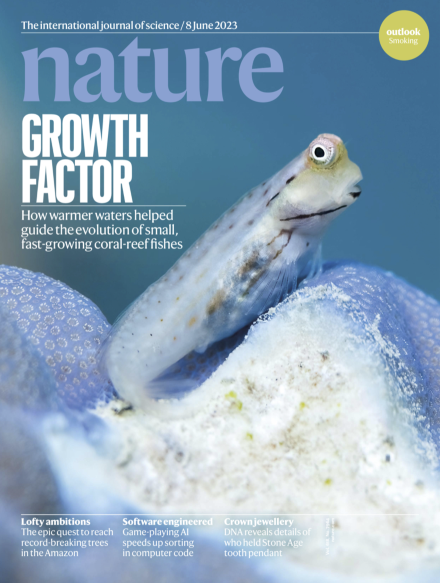
nature Magazine – June 8, 2023 issue: Coral reef fishes, such as the blenny Ecsenius stictus pictured on the cover, are diverse, abundant and grow quickly. In this week’s issue, Alexandre Siqueira and his colleagues investigate the evolutionary history of these fishes to find out how growth has shaped life on coral reefs.
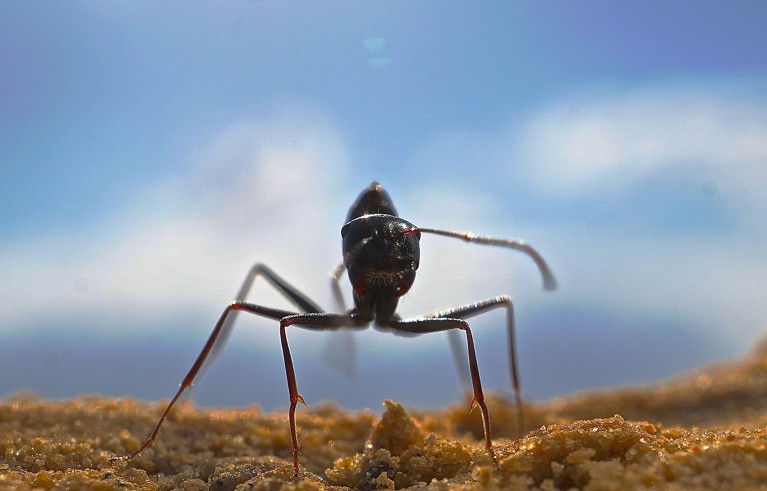
Ants living on the sprawling salt pans of Tunisia use DIY markers to find their way home.
The desert ant Cataglyphis fortis lives in Tunisia’s arid salt flats, and can travel more than a kilometre from its underground nest in search of food. Now scientists have found that these ants build tall hills on top of their nests that help the insects to find their way home across the vast, featureless landscape1.
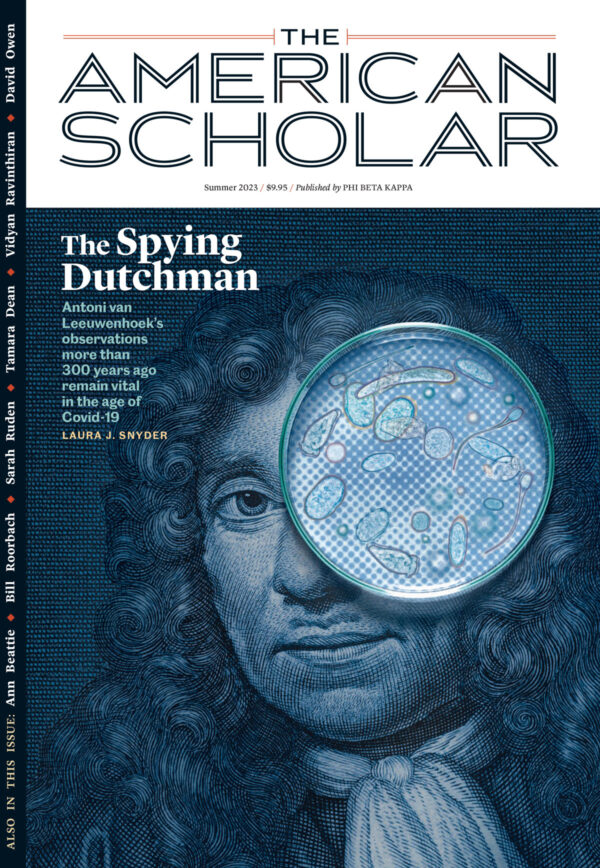
THE AMERICAN SCHOLAR – SUMMER 2023 issue: What does Antoni van Leeuwenhoek have to do with Covid? Can a digital restoration of a supposed da Vinci be just as good as the real thing? What was it like to be a young journalist on one of François Truffaut’s sets?
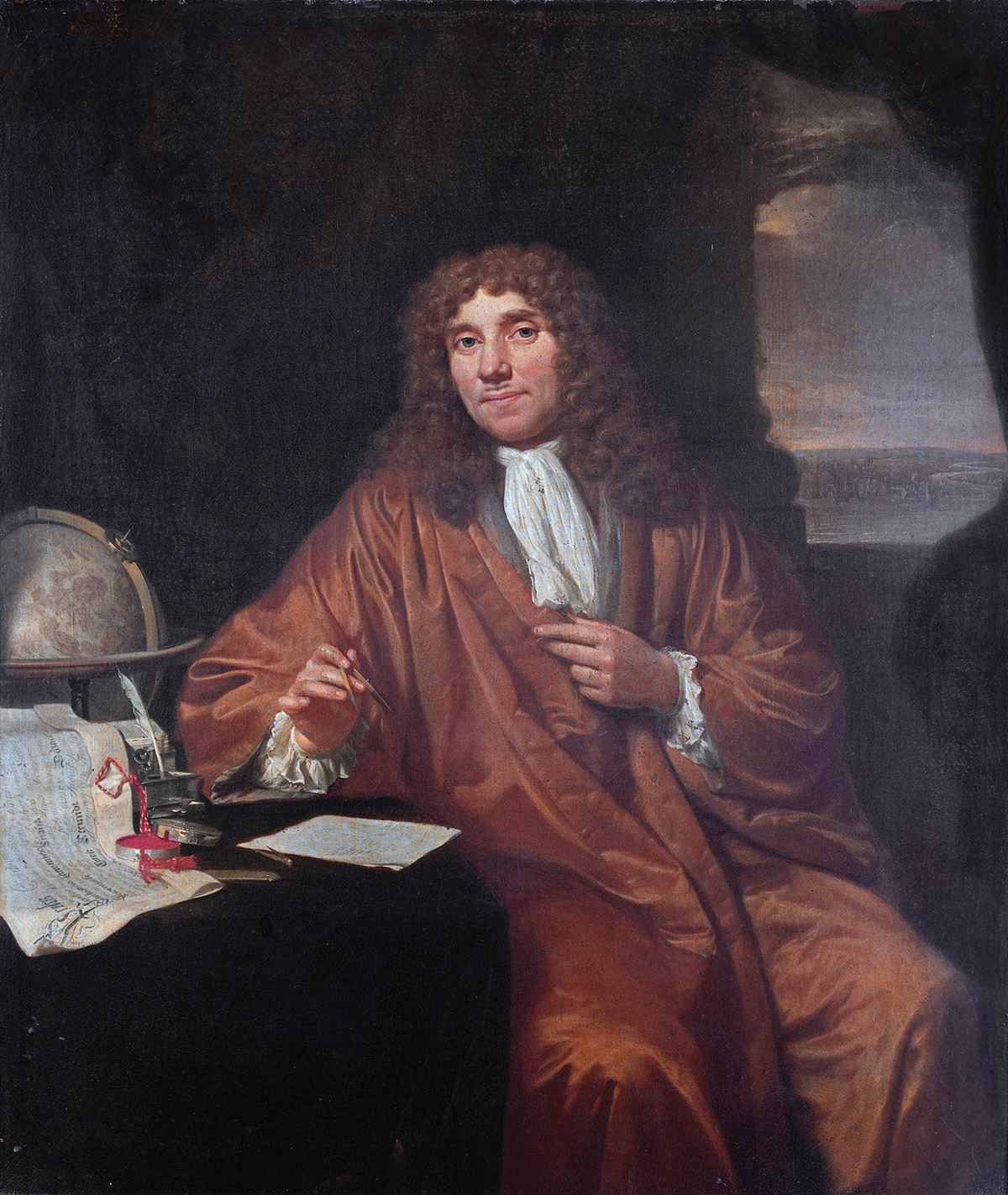
Antoni van Leeuwenhoek, in a circa 1680 painting by the Dutch artist Jan Verkolje, famous for his portraits of prominent members of Delft society
Antoni van Leeuwenhoek’s discovery of microorganisms made possible the revolutionary advances in biology and medicine that continue to inform our Covid age
One night in 1677, a grizzled man in a wrinkled linen nightshirt rushed from his bemused wife’s bed with a candle in hand to examine the “remains of conjugal coitus, immediately after ejaculation before six beats of the pulse.” Using the candle to cast a pool of light in his dark study, he put a drop of the liquid into a tiny glass vial he had blown himself, attaching it to the back of a strange-looking device he had also constructed.
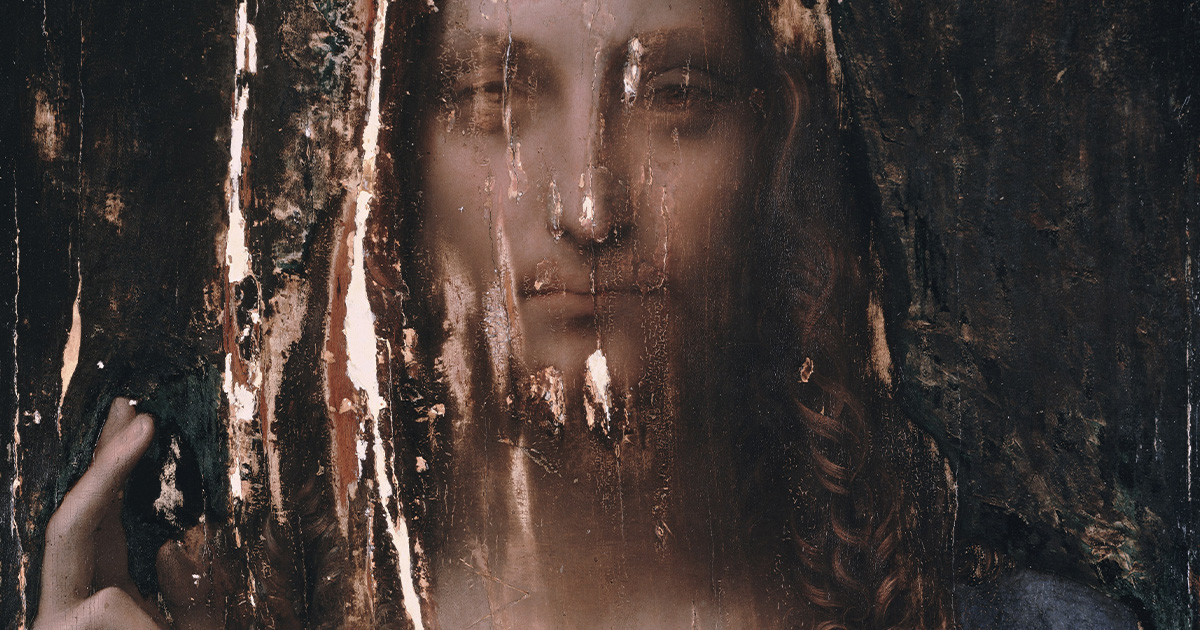
What a digital restoration of the most expensive painting ever sold tells us about beauty, authenticity, and the fragility of existence
I got the call late on a summer afternoon. Yanai Segal, an artist I’ve known for years, asked me whether I’d heard of the Salvator Mundi—the painting attributed to Leonardo da Vinci that was lost for more than two centuries before resurfacing in New Orleans in 2005. I told him that I’d heard something of the story but that I didn’t remember the details. He had recently undertaken a project related to the painting, he said, and wanted to tell me about it. I was eager to hear more, but first I needed to remind myself of the basic facts. We agreed to speak again soon.
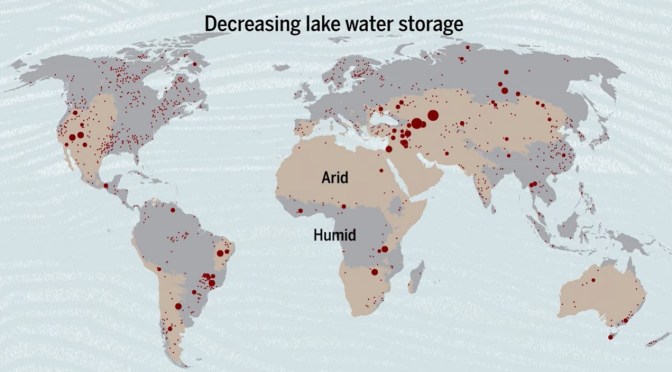
SCIENCE MAGAZINE VIDEOS – JUNE 6, 2023: Some of the most notable lakes in the world, from the Great Salt Lake to Poyang Lake, have shrunk dramatically in recent decades. But because most lakes lack long-term, on-the-ground measurements, it was hard to say whether this was a widespread phenomenon.
Now, researchers have published a first-of-its-kind data set to look at how lake water storage has changed in nearly 2000 of the world’s largest lakes. They find significant global losses and tease out what might be driving these decreases.
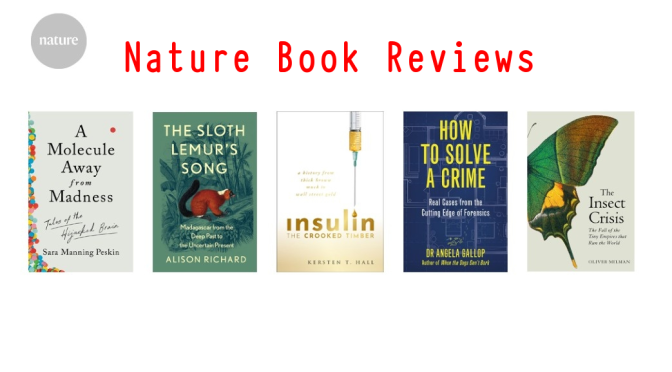
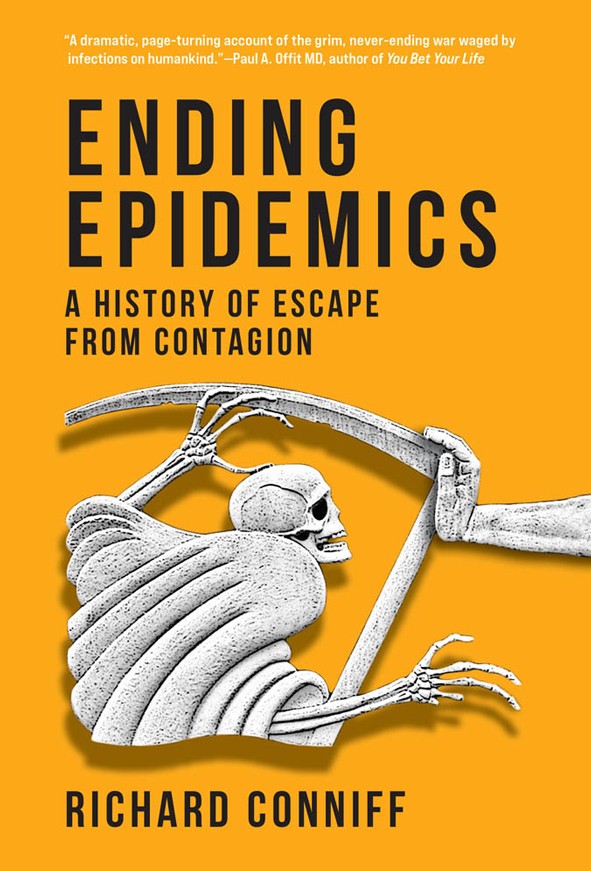
In 1900, one in three people died before the age of five. By 2000, this death rate was down to one in 27, and one in 100 in wealthy countries. This astonishing revolution has attracted surprisingly little attention, notes Richard Conniff. Instead, there is a “stubborn, stupid sense that we have somehow become invulnerable” — epitomized by opposition to vaccines. Conniff’s highly readable history of epidemic diseases and vaccinologists, from the first description of bacteria in 1676 to the eradication of smallpox in 1978, combats this worrying vulnerability.
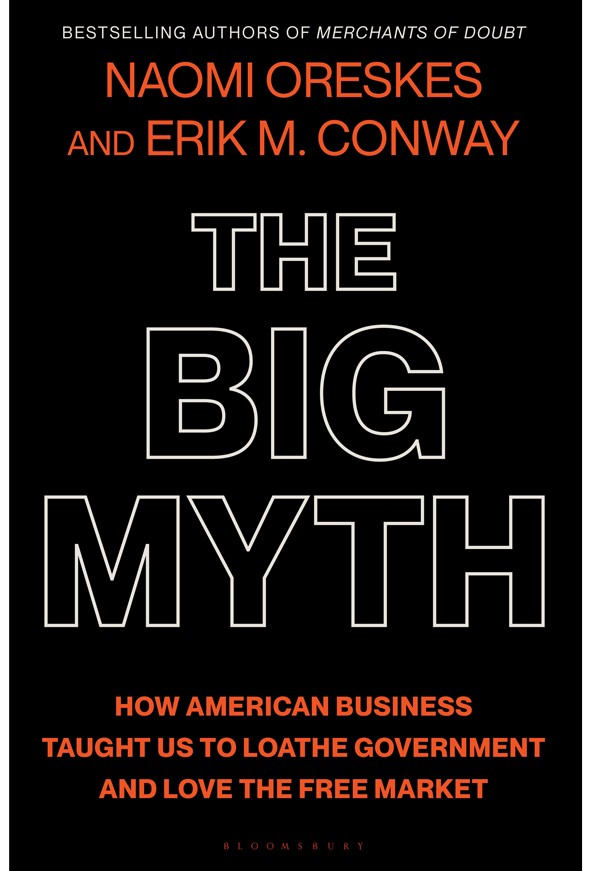
The Big Myth
Naomi Oreskes & Erik M. Conway Bloomsbury (2023)
Free enterprise is not in the US Constitution. The government was deeply involved in the US economy in the nineteenth century; its success led many to be suspicious of ‘big business’ and support government intervention. But commerce later came to dominate, as advocated by Ronald Reagan, through manipulation by businesses and some economists and scientists. In this hard-hitting, persuasive book, historians of science Naomi Oreskes and Erik Conway tell “the true history of a false idea” — that of “the magic of the marketplace”.
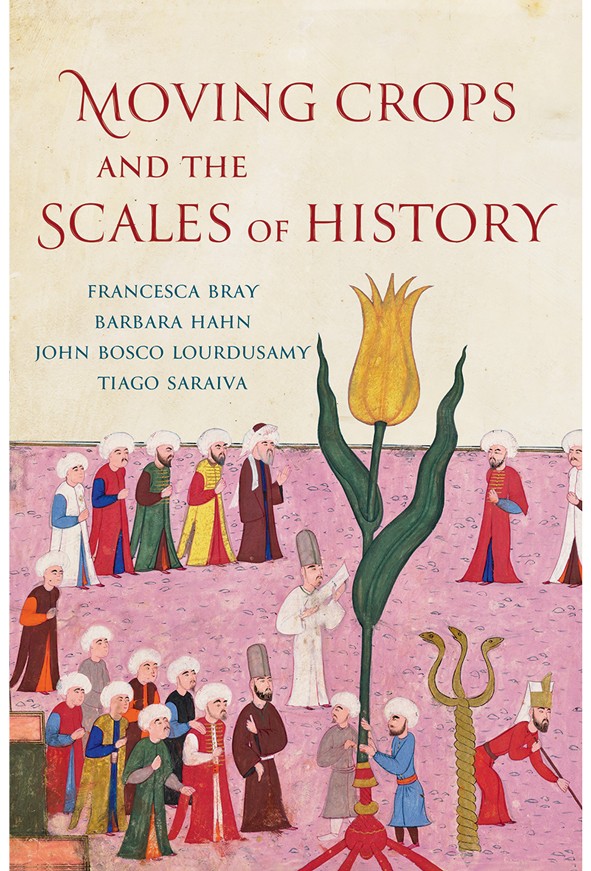
Moving Crops and the Scales of History
Francesca Bray et al. Yale Univ. Press (2023)
Movement of crops by humans is “a key driving force in history”, notes this global academic study by an anthropologist and three historians in Europe, India and the United States. In the 1830s, British merchants smuggled tea plants from China to set up plantations in India — but then replaced them in the 1870s with indigenous bushes. Indian competition prompted the Chinese industry to reorient to other markets. The book therefore focuses on “cropscapes”: the people, creatures, technologies, ideas and places surrounding a crop.
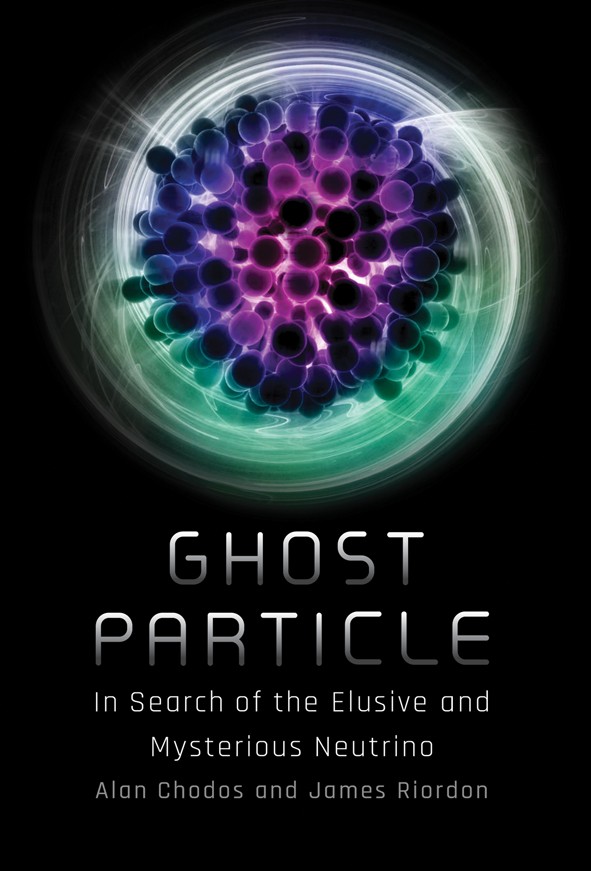
Ghost Particle
Alan Chodos & James Riordan MIT Press (2023)
Proposed by Wolfgang Pauli in 1930, detected by Clyde Cowan and Frederick Reines in 1956 and dubbed the “nothing-particle” by Isaac Asimov in 1966, neutrinos — first created in the Big Bang — are still highly mysterious, despite endless experimental investigation. Hence their current nickname of ‘ghost particle’ — the title of physicist Alan Chodos and journalist James Riordan’s enjoyable, non-mathematical portrait. “You have over 300 Big Bang neutrinos in the tip of your pinky at this moment,” they write.
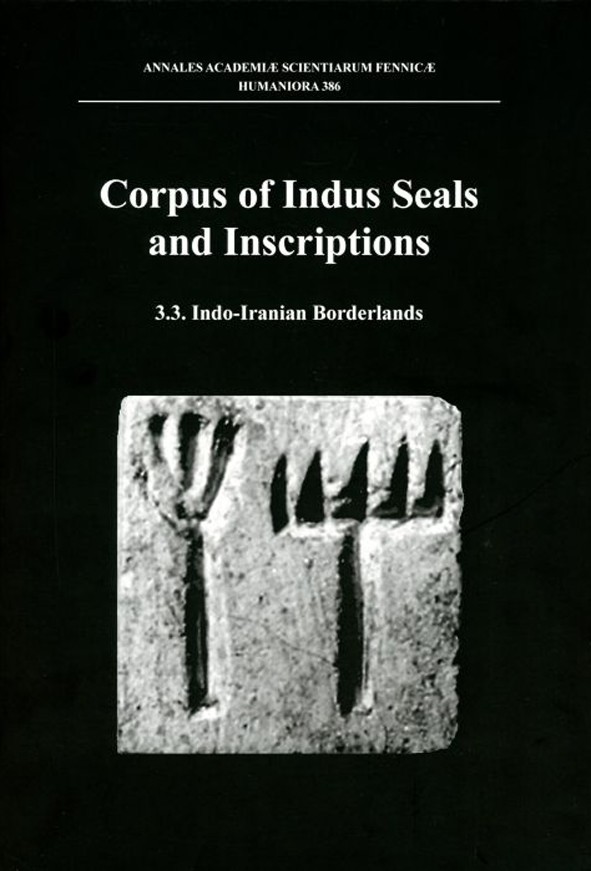
Corpus of Indus Seals and Inscriptions 3.3
Eds Asko Parpola & Petteri Koskikallio Suomalainen Tiedeakatemia (2022)
The Indus civilization of around 2500–1900 BC was huge, with sophisticated cities, long-distance trade and no known internal warfare. But perhaps most remarkable is its exquisite system of writing on stone and terracotta, undeciphered by modern scholars despite more than a century of effort. In 1987, Indologist Asko Parpola launched a fascinating series of catalogues of Indus seals and inscriptions. The latest shows discoveries in the “Indo-Iranian Borderlands”: western Pakistan, Afghanistan, Uzbekistan, Tajikistan and China.
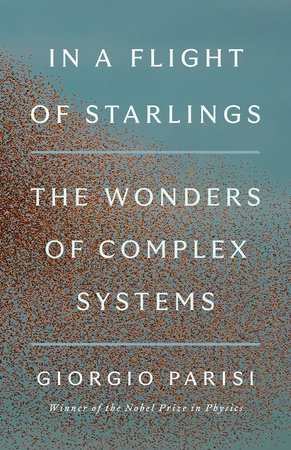
From the 2021 Nobel Prize winner in Physics, an enlightening and personal journey into the practice of groundbreaking science
With In a Flight of Starlings, celebrated physicist Giorgio Parisi guides us through his unorthodox yet exhilarating work, starting with investigating the principles of physics by observing the flight of flocks of birds. Studying the movements of these communities, he has realized, proves an illuminating way into understanding complex systems of all kinds—collections of everything from atoms and planets to other animals, such as ourselves.
In I Feel Love, science journalist Rachel Nuwer separates fact from fantasy, hope from hype, in the drug’s contested history and still-evolving future. Evidence from scientific trials suggests MDMA, properly administered, can be startlingly effective at relieving the effects of trauma. Results from other studies point to its usefulness for individual and couples therapy, for treating depression, alcohol addiction, and eating disorders, and for cultivating personal growth. Yet scientists are still racing to discover how MDMA achieves these outcomes, a mystery that is taking them into the inner recesses of the brain and the deep history of evolution.
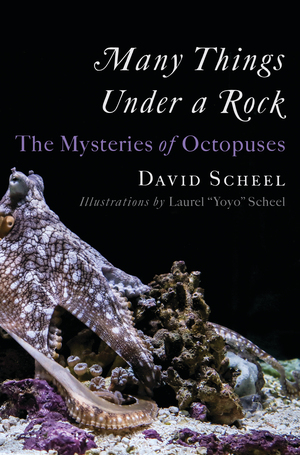
A behavioral ecologist’s riveting account of his decades-long obsession with octopuses: his discoveries, adventures, and new scientific understanding of their behaviors.
Of all the creatures of the deep blue, none is as captivating as the octopus. In Many Things Under a Rock, marine biologist David Scheel investigates four major mysteries about these elusive beings. How can we study an animal with perfect camouflage and secretive habitats? How does a soft and boneless creature defeat sharks and eels, while thriving as a predator of the most heavily armored animals in the sea? How do octopus bodies work? And how does a solitary animal form friendships, entice mates, and outwit rivals?
A fascinating exploration of the uncrackable codes and secret cyphers that helped win wars, spark revolutions and change the faces of nations.
There have been secret codes since before the Old Testament, and there were secret codes in the Old Testament, too. Almost as soon as writing was invented, so too were the devious means to hide messages and keep them under the wraps of secrecy
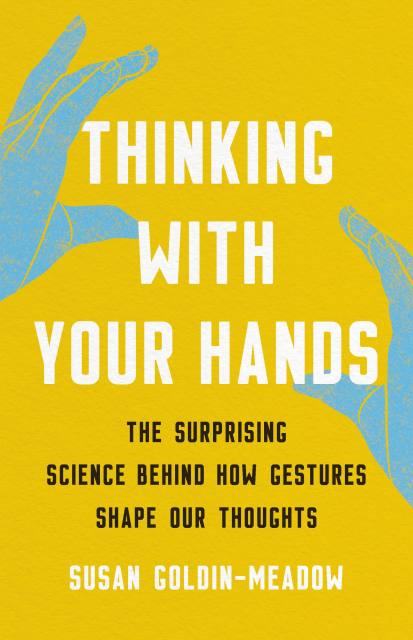
An astounding account of how gesture, long overlooked, is essential to how we learn and interact, which “changes the way you think about yourself and the people around you.” (Ethan Kross, bestselling author of Chatter)
In Thinking with Your Hands, esteemed cognitive psychologist Susan Goldin-Meadow argues that gesture is vital to how we think, learn, and communicate. She shows us, for instance, how the height of our gestures can reveal unconscious bias, or how the shape of a student’s gestures can track their mastery of a new concept—even when they’re still giving wrong answers. She compels us to rethink everything from how we set child development milestones, to what’s admissible in a court of law, to whether Zoom is an adequate substitute for in-person conversation.









 The Economist (June 11, 2023) – With a face as round as the first letter of its name and a stance as upright as the last—along with human-like features and a haunting cry—the owl has a mystical, mythical perch in the imagination. Difficult to spot because of their mostly nocturnal habits, and sporting cryptic plumage that helps them melt into landscapes, owls, writes Jennifer Ackerman, are the most enigmatic of birds.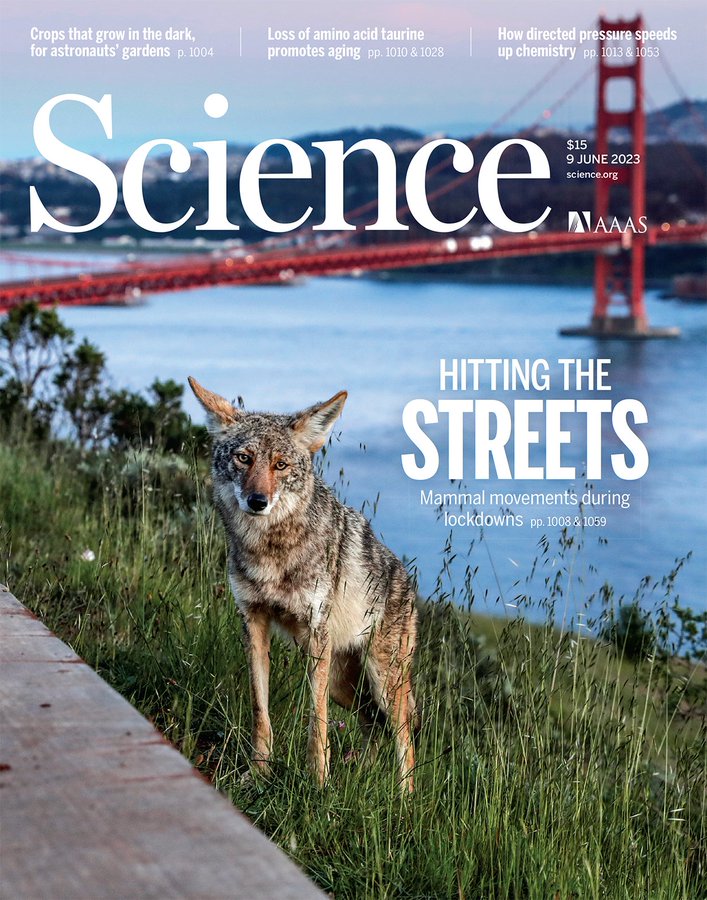







 Boomers Daily