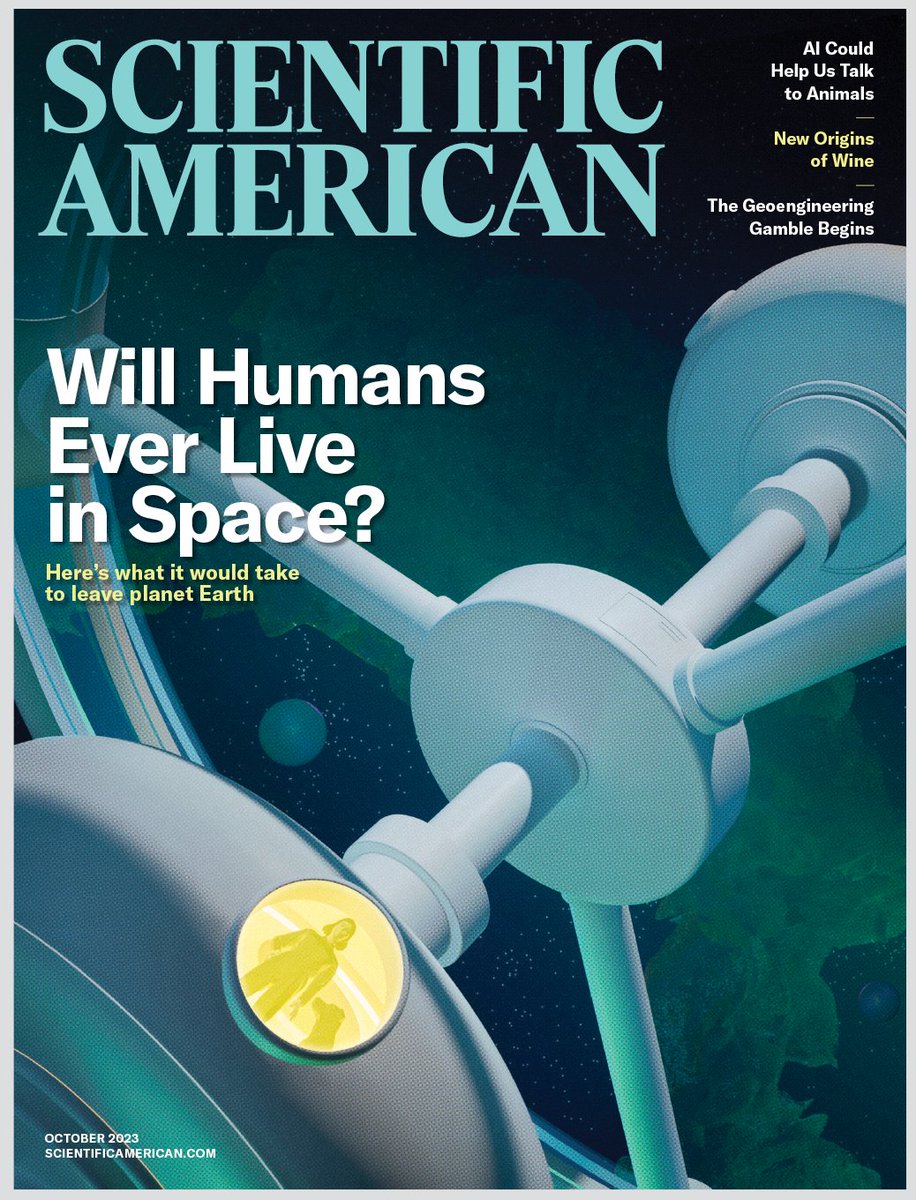
Scientific American – October 2023: The issue features ‘Will Humans ever Live in Space – Here’s what it will take to leave planet Earth’; AI could help us to talk to animals; New origins of wine, and more…
Global warming is so rampant that some scientists say we should begin altering the stratosphere to block incoming sunlight, even if it jeopardizes rain and crops
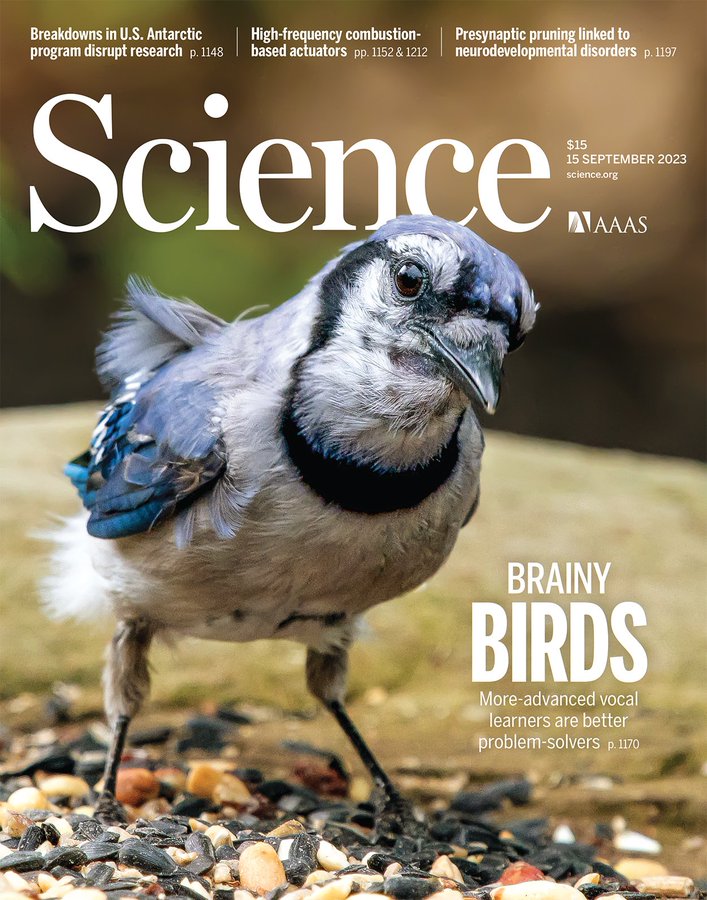
Science Magazine – September 15, 2023: Blue jays, similar to other corvid songbirds, are known for their impressive cognitive abilities, presumably due to their relatively large brains.
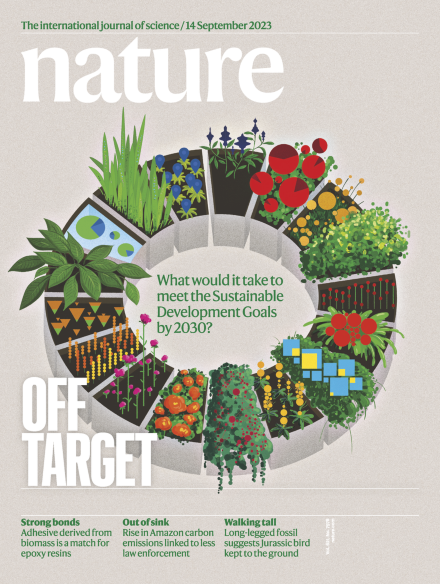
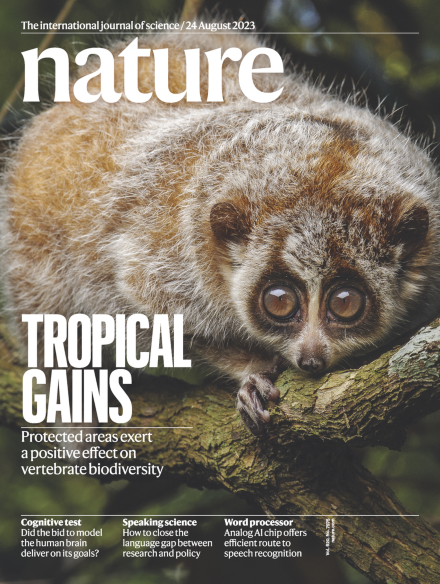
nature Magazine – September 14, 2023: In this week’s issue, 193 countries agreed to work towards 17 goals aimed at improving the lives of people around the world. From eliminating poverty and reducing hunger to tackling global warming and taking care of biodiversity, the Sustainable Development Goals have since taken their place in corporate plans and government policy.
Nature looks at the detective work required to confirm a controversial claim of finding interstellar debris.
A research team made headlines last week when it claimed to have scooped up from the sea floor fragments of a meteorite that came from beyond our Solar System1. Finding such an interstellar sample on Earth would be exciting because it might shed light on how planets and stars beyond our own form. But a number of scientists say that the evidence that the material came from another planetary system is not convincing so far.
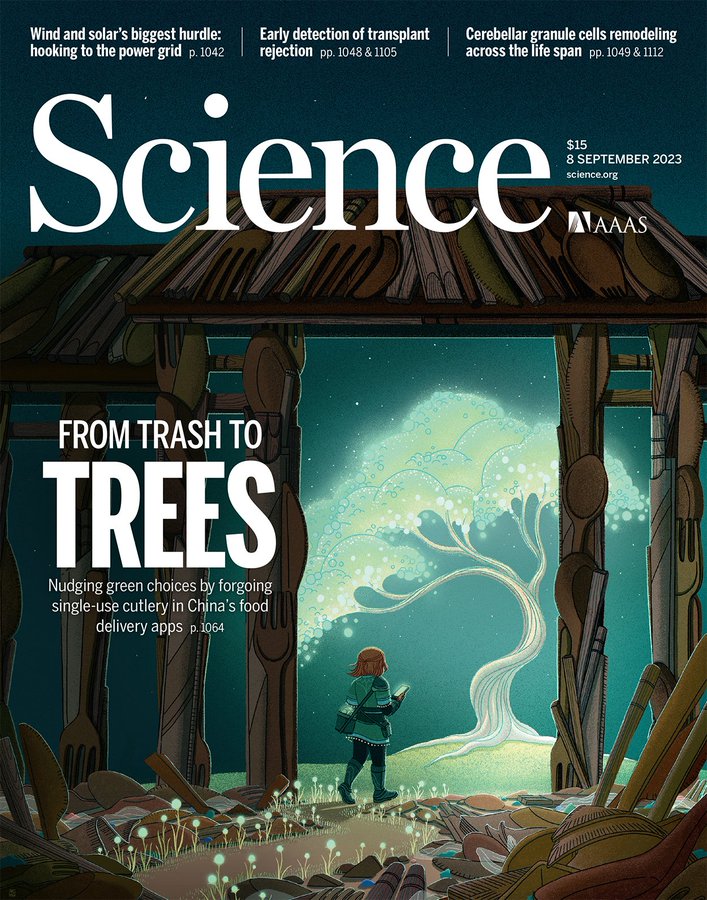
Science Magazine – September 8, 2023: Reducing single-use cutlery with green nudges: Evidence from China’s food-delivery industry; Anatomy of a volcanic eruption undersea, and more…
Submarine flows from the Hunga Tonga–Hunga Ha‘apai eruption decimated seafloor cables
In December 2021, an undersea volcano in the southern Pacific Ocean, the Hunga Tonga–Hunga Ha‘apai (hereafter called the Hunga volcano) began erupting. In January 2022 the eruption reached a powerful climax, triggering atmospheric waves that traveled around the globe and a tsunami that swept across the Pacific Ocean. An estimated 75% of Earth’s volcanoes are underwater, and 20% of all fatalities caused by volcanic eruptions since 1600 CE have been associated with underwater volcanism (3).
China’s high demand for online food delivery resulted in an increase in the use of disposable, single-use cutlery. Disposable cutlery increases plastic pollution, and paper napkins and wooden chopsticks contribute to environmental degradation that endangers wildlife and marine species and compromises human health. Informed by the literature on “green nudges, ” which are prompts to promote environmentally friendly behaviors, He et al. collaborated with Alibaba to use its mobile food delivery platform, Eleme, in a longitudinal field study across China.
The prized materials could be transformative for research — but only if they have other essential qualities.
The wave of excitement caused by LK-99 — the purple crystal that was going to change the world — has now died down after studies showed it wasn’t a superconductor. But a question remains: would a true room-temperature superconductor be revolutionary?
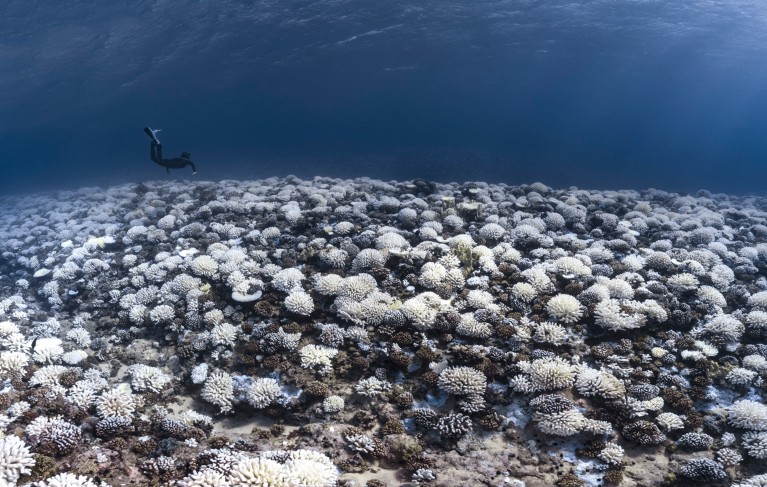
Record-high ocean temperatures, combined with a confluence of extreme climate and weather patterns, are pushing the world into uncharted waters. Researchers must help communities to plan how best to reduce the risks.
Oceans are warming up, and dangerously so. Since April this year, the average global sea surface temperature has been unusually high and rising; by August, oceans in the Northern Hemisphere had reached record-high temperatures, even surpassing 38 °C in one area around Florida.
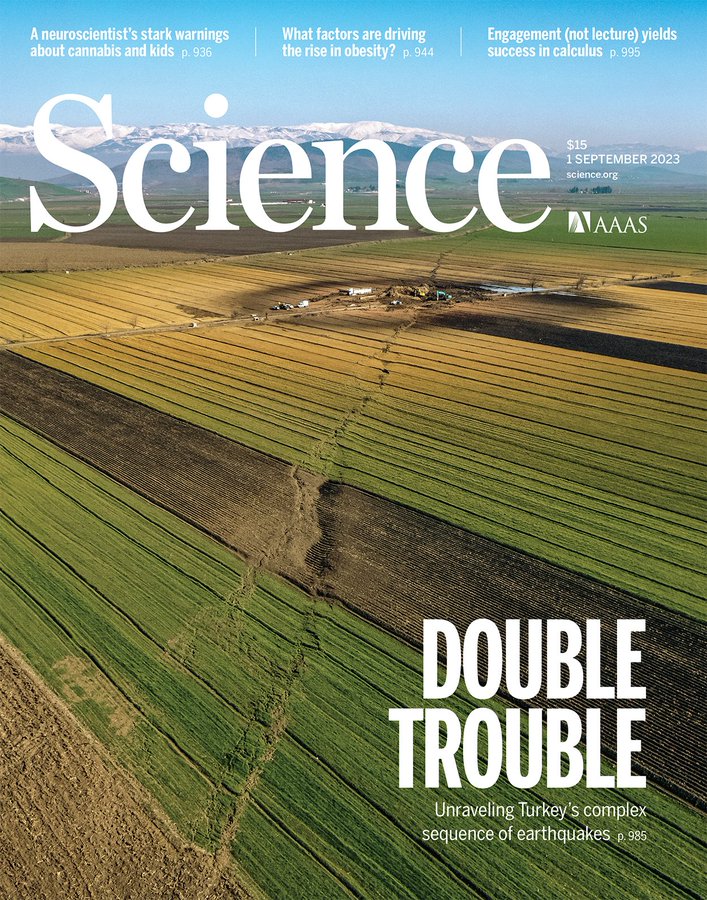
Science Magazine – September 1, 2023: The cover features a drone photograph, taken near the town of Kahramanmaraş, of the surface rupture produced by the first mainshock of the 2023 Turkey earthquake sequence shows agricultural fields offset by the fault slip.
Human and environmental health are inextricably linked. Yet ocean ecosystem health is declining because of anthropogenic pollution, overexploitation, and the effects of global climate change. These problems affect billions of people dependent on oceans for their lives, livelihoods, and cultural practices. The importance of ocean health is recognized by scientists, managers, policy-makers, nongovernmental organizations, and stakeholders including fishers, recreationalists, and cultural practitioners. So why are the oceans still degrading?
nature Magazine – August 31, 2023 issue:In this week’s issue, AI pilot beats human champions in aerial contest – Artificial intelligence has taken on and beaten human competitors in many games, including chess, StarCraft and Gran Turismo.
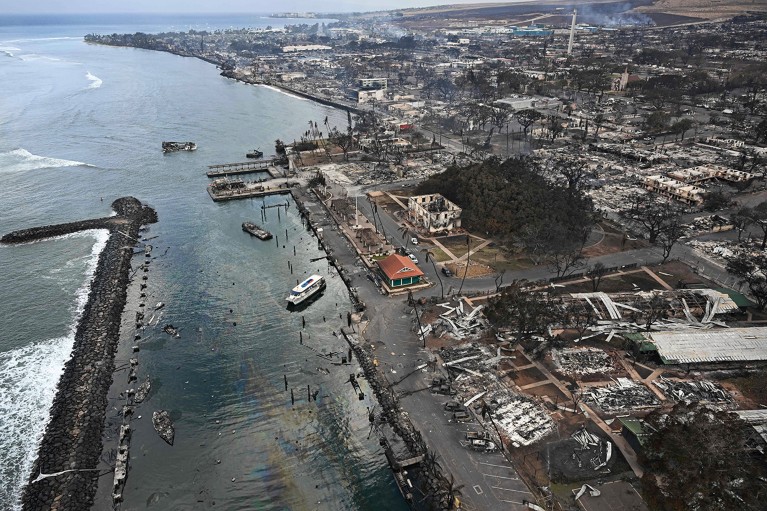
Events in Hawaii show how much we have to learn about wildfire spread — but simple research steps can help to build resilience.
Driven by drought, high winds and extreme heat, fires in recent years have caused destruction and losses on a scale bigger than anyone is used to. The average annual global cost of wildfires is around US$50 billion, the World Economic Forum said in January. And by the end of the century, climate change might make catastrophic conflagrations 50% more common, according to the United Nations Environment Programme. Given the surge in urban development in and near forested areas, something has to be done to protect communities. As Maui’s experience shows, little is in place.
Science Magazine – August 25, 2023: This image depicts whole chromosomes, some with structural abnormalities that might be found in cancer. The idea that cancer cells have aneuploidy—abnormal numbers of chromosomes and chromosome portions—has been known for decades.
Scientists and philosophers are proposing a checklist based on theories of human consciousness
In 2021, Google engineer Blake Lemoine made headlines—and got himself fired—when he claimed that LaMDA, the chatbot he’d been testing, was sentient. Artificial intelligence (AI) systems, especially so-called large language models such as LaMDA and ChatGPT, can certainly seem conscious. But they’re trained on vast amounts of text to imitate human responses. So how can we really know?
In a rapidly urbanizing world, what happens in cities matters — and sustainability success stories show what can be achieved when researchers and policymakers work together.
More than half of the world’s population lives in cities, and that proportion is set to grow. By 2050, another two billion people will be urban dwellers, the United Nations estimates. Cities lie at the nexus of all aspects of human development, from building thriving economies to coping with climate change.
The planet has warmed 1.2 ºC on average, but that’s enough to produce big extremes.
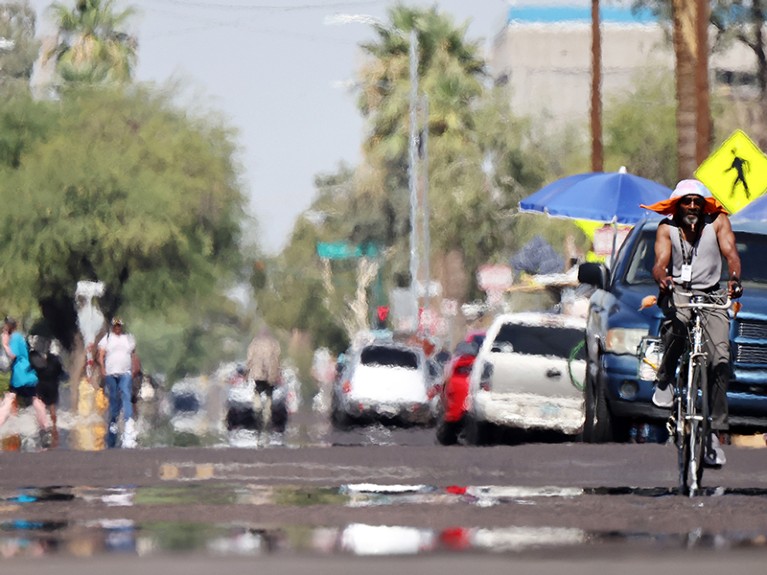
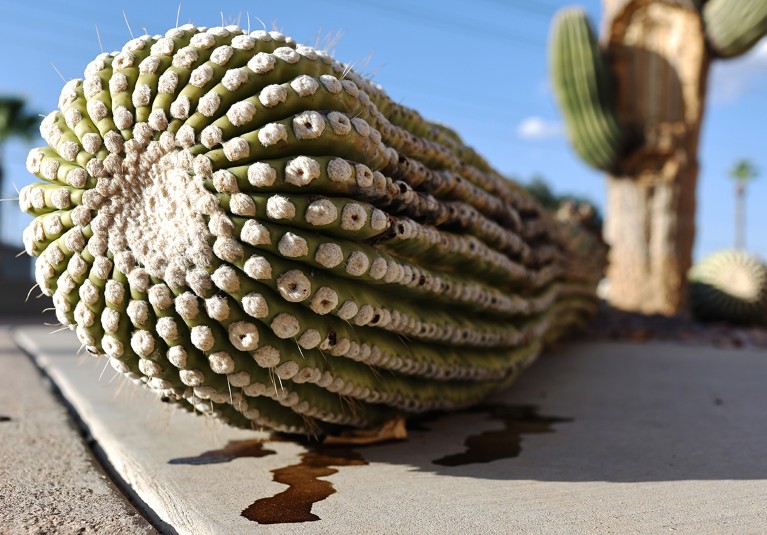
From wilting saguaros in Arizona and hot-tub-like temperatures off the coast of Florida to increased heat-related hospitalizations in Europe and agricultural losses in China, last month felt unusually hot. It was: several teams have now confirmed that July 2023 was the hottest month in recorded history. And there’s more to come.
July is typically the hottest month of the year, and this July shattered records going back as far as 1850 by around 0.25 °C. Overall, the average global temperature was 1.54 °C above the preindustrial average for July, according to Berkeley Earth, a non-profit group in California that is one of several organizations tracking global warming. It’s a seemingly small increase, but what many people across the world actually experienced was a bout of long and often brutal heat waves.
















 Boomers Daily