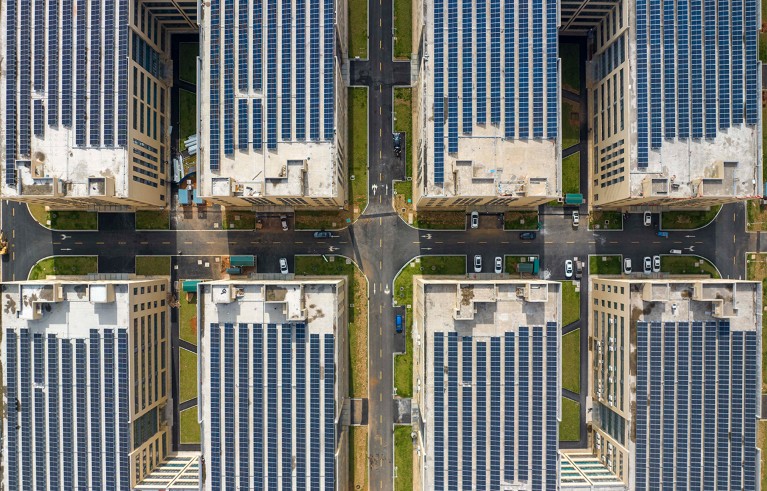
nature podcasts (December 29, 2023) – A new kind of solar cell is coming: is it the future of green energy? Firms commercializing perovskite–silicon ‘tandem’ photovoltaics say that the panels will be more efficient and could lead to cheaper electricity.
On the outskirts of Brandenburg an der Havel, Germany, nestled among car dealerships and hardware shops, sits a two-storey factory stuffed with solar-power secrets. It’s here where UK firm Oxford PV is producing commercial solar cells using perovskites: cheap, abundant photovoltaic (PV) materials that some have hailed as the future of green energy. Surrounded by unkempt grass and a weed-strewn car park, the factory is a modest cradle for such a potentially transformative technology, but the firm’s chief technology officer Chris Case is clearly in love with the place. “This is the culmination of my dreams,” he says.
Quanta Magazine (December 21, 2023): 2023’s Biggest Breakthroughs in Biology and Neuroscience.
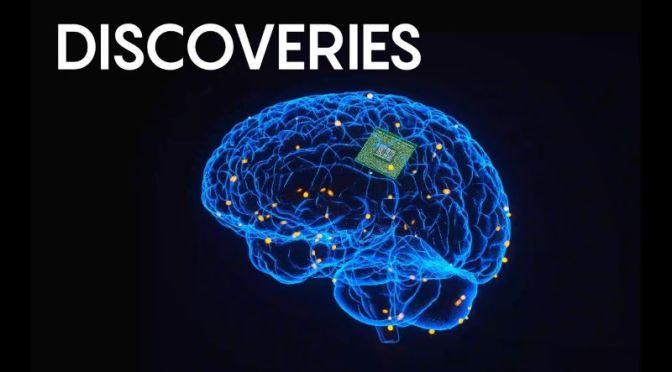
Video timeline: 00:05The Investigation of Consciousness – Our minds are constantly taking in new external information while also creating their own internal imagery and narratives. How do we distinguish reality from fantasy? This year, researchers discovered that the brain has a “reality threshold” against which it constantly evaluates processed signals. Original paper: “Subjective signal strength distinguishes reality from imagination”
04:30Microbiomes Evolve With Us – This year, scientists provided clear evidence that the organisms in our microbiome —the collection of bacteria and other cells that live in our guts and elsewhere on our body — spread between people, especially those with whom we spend the most time. This raises the intriguing possibility that some illnesses that aren’t usually considered communicable might be.
08:43How Life Keeps Time – The rate at which an embryo develops and the timing of when its tissues mature vary dramatically between species. What controls the ticking of this developmental clock that determines an animal’s final form? This year, a series of careful experiments suggest that mitochondria may very well serve dual roles as both the timekeeper and power source for complex cells.
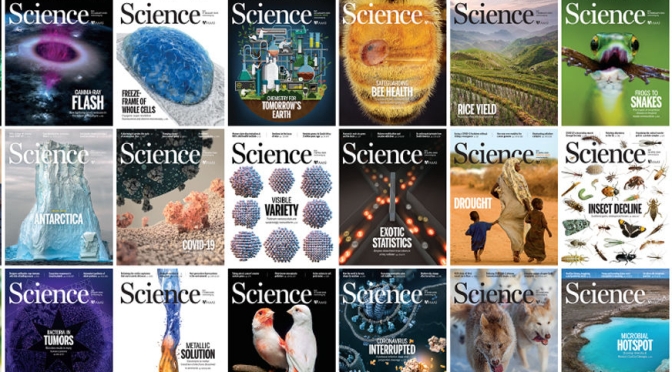
Science Magazine – December 21, 2023: The new issue featuresAI-Powered Forecasting – Predicting worldwide weather and cyclone tracks with greater speed and accuracy; Fifty years after the Endangered Species Act, what’s next?; Long-sought quasiparticle could transform quantum computing and What Salvadorans feared about bitcoin…
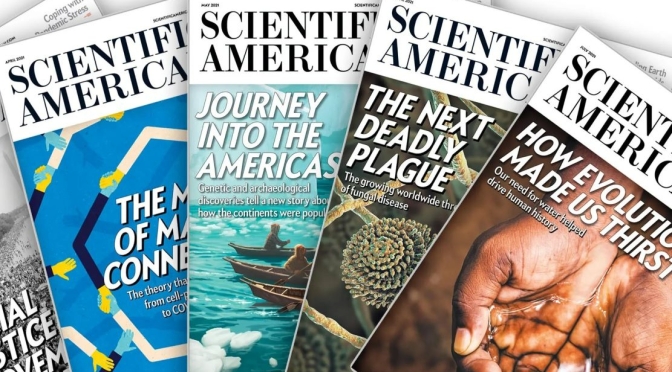
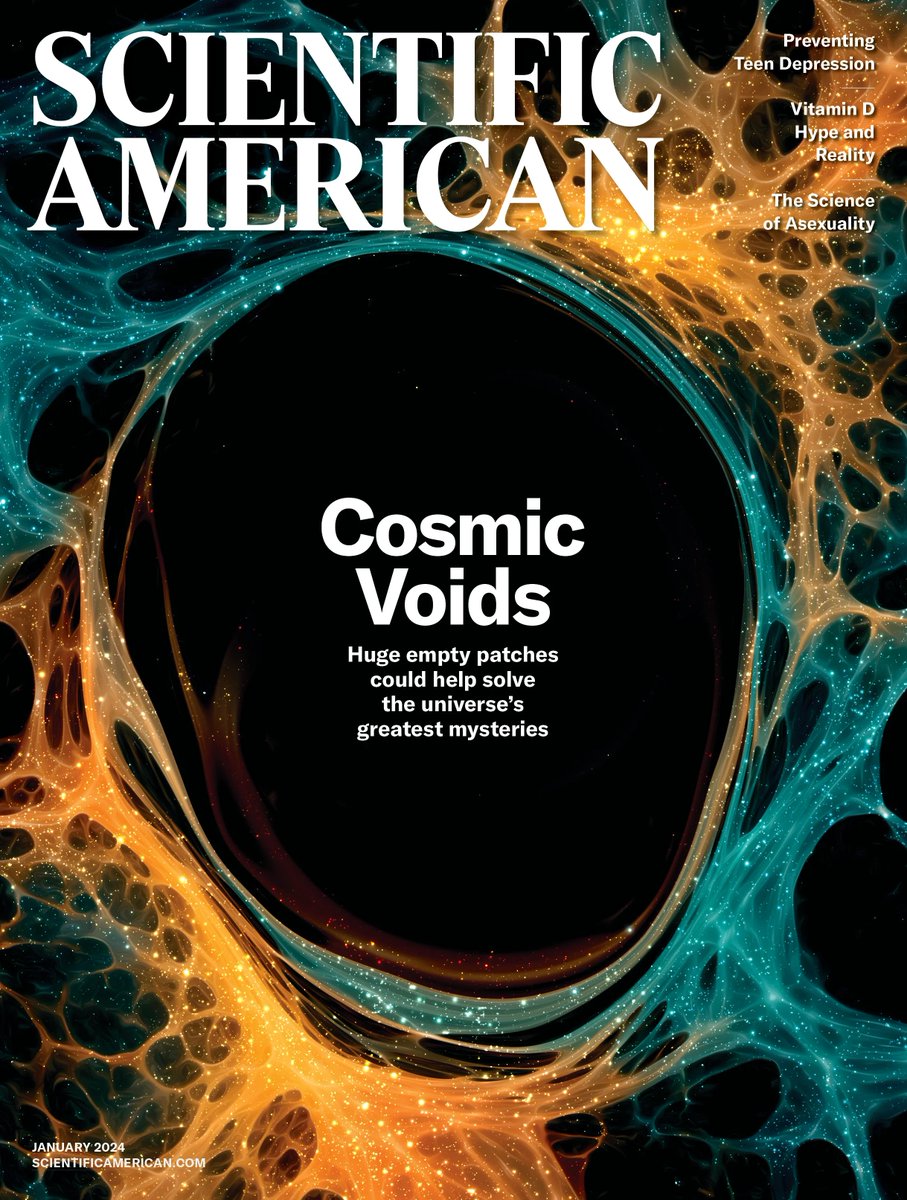
Scientific American (December 19, 2023): The January 2024 issue features How Much Vitamin D Do You Need to Stay Healthy?; Inside Mathematicians’ Search for the Mysterious ‘Einstein Tile’; How Analyzing Cosmic Nothing Might Explain Everything; Why Are Alaska’s Rivers Turning Orange?; and Intervention at an Early Age May Hold Off the Onset of Depression…
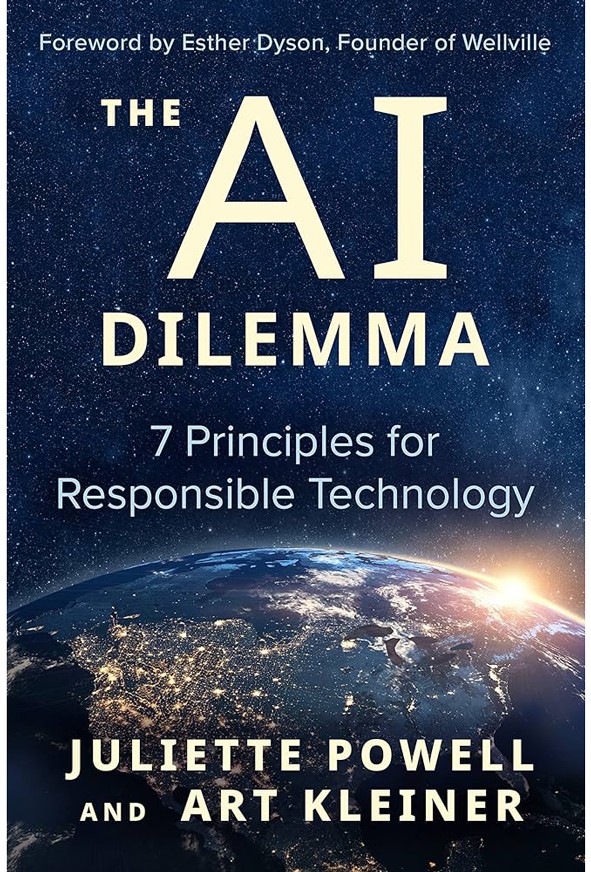
Juliette Powell & Art Kleiner Berrett-Koehler (2023)
The benefits and harms of social media are intimately tied to the ongoing debate about artificial intelligence (AI). Will AI systems trained partly on social media benefit or harm humanity? In their excellent, sometimes alarming, analysis of engineering, social justice, commerce and government, entrepreneur and technologist Juliette Powell and writer and educator Art Kleiner compare humans developing AI tools to first-time parents. They recommend guiding AI systems “as we would a child towards full adulthood”.
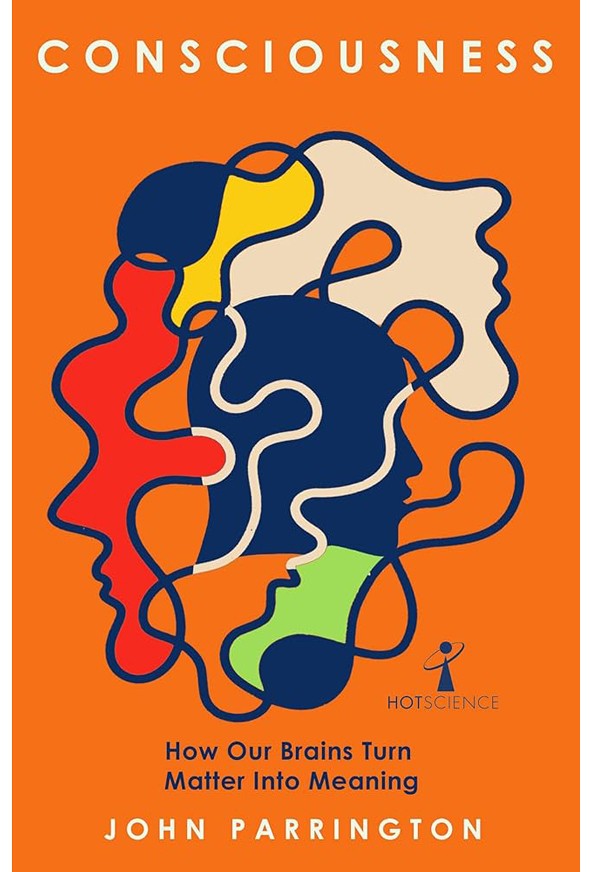
Consciousness
John Parrington Icon (2023)
“The material basis of human consciousness is one of the biggest unsolved issues in science,” admits cellular and molecular pharmacologist John Parrington in his pithy addition to a vast literature dating from the time of ancient Greek philosopher Aristotle. He considers many theories and proposes his own. Humans, he argues, are distinguished by conceptual thought and language, along with skills in designing tools and technologies. The evolution of these powers transformed our brains, creating meaning and consciousness.
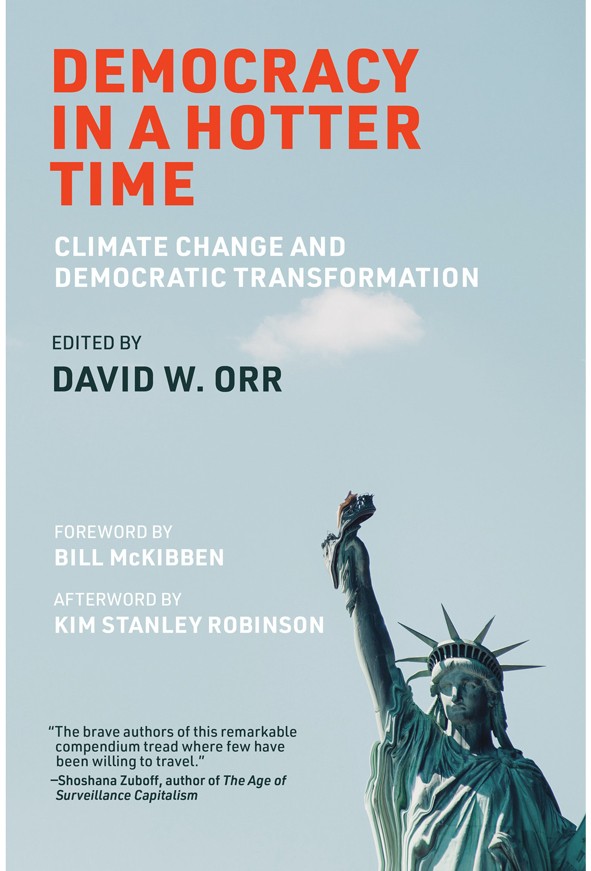
Democracy in a Hotter Time
Ed. David W. Orr MIT Press (2023)
Environmentalist David Orr writes in the introduction to this timely collection that the planet faces two interlinked crises: “rapid climate change and potentially lethal threats to democracy”. The US Constitution rigorously protects private property but does not mention ecological systems, he observes. Contributors — almost all US-based — from a wide range of fields examine the need for political reform. The book is in four parts: the nature of democracy; roadblocks to change; policy and law; and education, including academic culture.
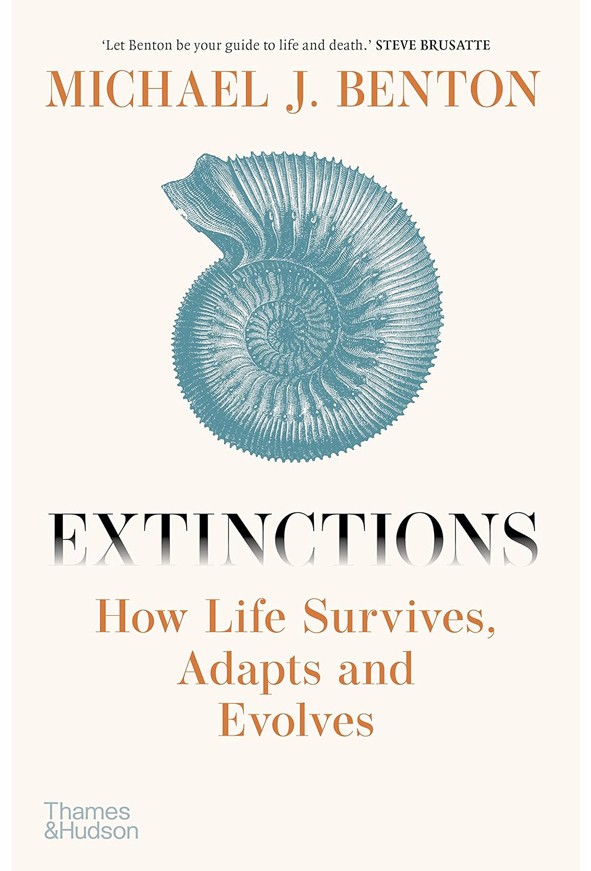
Extinctions
Michael J. Benton Thames & Hudson (2023)
When palaeontologist Michael Benton learnt about dinosaurs as a boy, he “loved the fact they were extinct”. They were like real science fiction. Perhaps he also intuited that their extinction permitted his existence. As his deeply informed and readable book reveals, the mass extinction at the end of the Cretaceous period 66 million years ago allowed a new cohort of creatures — including mammals — to “inherit the Earth”, as did four earlier extinction events. Living species represent less than 1% of all the species that have existed.
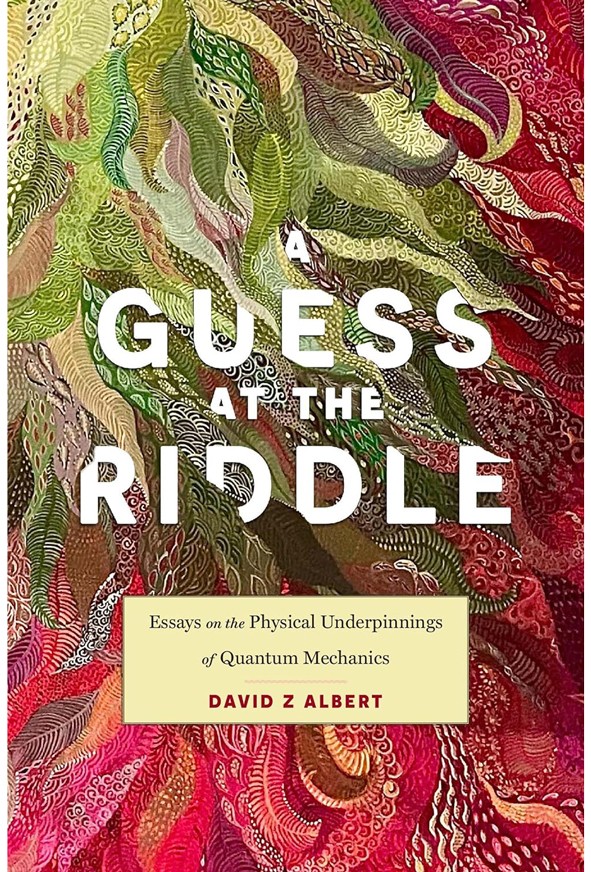
A Guess at the Riddle
David Z. Albert Harvard Univ. Press (2023)
The physical interpretation of quantum mechanics has been a controversial riddle since the 1920s, when Niels Bohr argued that the atom’s inner workings could not be described in physical terms. Today, many philosophers and physicists disagree, but there’s no consensus on an alternative. Philosopher David Albert’s provocative book argues, in three essays, that Bohr’s quantum-measurement problem starts to make sense if the wave function is understood as the fundamental physical ‘stuff’ of the Universe.
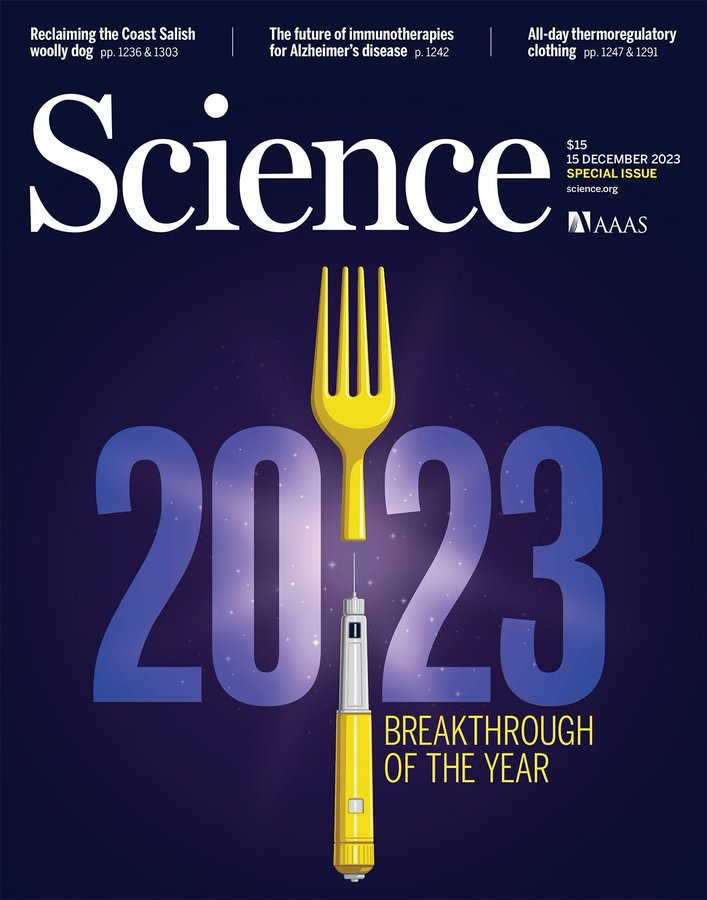
Science Magazine – December 14, 2023: The new issue cover features The 2023 Breakthrough of the Year: Obesity meets its match – Blockbuster weight loss drugs show promise for a wider range of health benefits; Runners-Up: At last, modest headway against Alzheimer’s; and Breakdowns of the Year – What went wrong in the world of Science….
Blockbuster weight loss drugs show promise for a wider range of health benefits
Obesity plays out as a private struggle and a public health crisis. In the United States, about 70% of adults are affected by excess weight, and in Europe that number is more than half. The stigma against fat can be crushing; its risks, life-threatening. Defined as a body mass index of at least 30, obesity is thought to power type 2 diabetes, heart disease, arthritis, fatty liver disease, and certain cancers.
Medicine has had little to offer the tens of millions of people worldwide with Alzheimer’s disease, and the few approved treatments have only targeted symptoms. But in January, U.S. regulators greenlit the first drug that clearly, if modestly, slows cognitive decline by tackling the disease’s underlying biology; a second, related treatment is close behind. Neither comes close to a cure, and both have serious risks, but they offer new hope to patients and families.
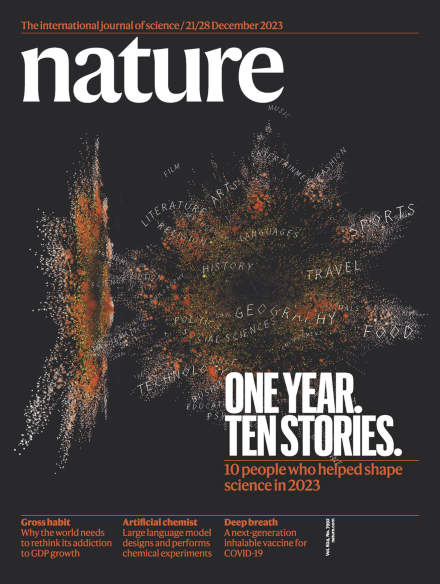
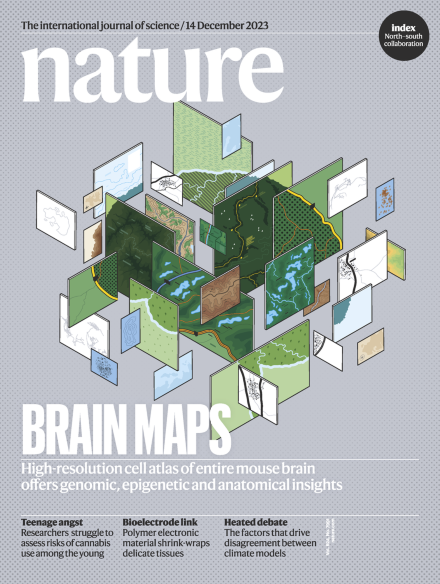
Nature Magazine – December 13, 2023:The latest issue cover features the BRAIN Initiative Cell Census Network (BICCN), which presented nine papers that map the entire mouse brain in unprecedented detail.
The extravagantly feathered Seychelles paradise flycatcher lacks genetic diversity, which might hamper its resilience to climate change and other threats.
Smithsonian Magazine (December 7, 2023) – From stories on the depths of the ocean to the stars in the sky, these are the works that moved us the most this year
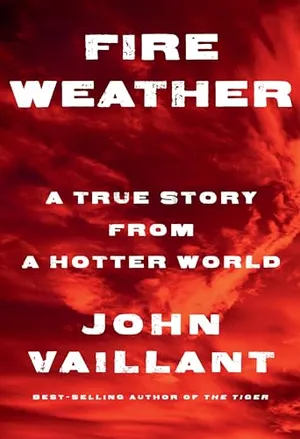
In a year when record-setting forest fires raged across Canada and their smoke clouded the skies across North America, and a Maui forest fire incinerated the town of Lahaina in a deadly blaze, the most harrowing book we read about climate change featured a devastating forest fire. In Fire Weather, author John Vaillant crafts a thriller about a cataclysmic inferno that burned through the town of Fort McMurray, Alberta, in May 2016. (We ran an excerpt of the book here.) The blaze generated hurricane-force winds and lightning, and entire neighborhoods burned to the ground under a type of pyrocumulus cloud usually associated with volcanoes. Roughly 100,000 people evacuated what would become the costliest disaster in Canadian history.
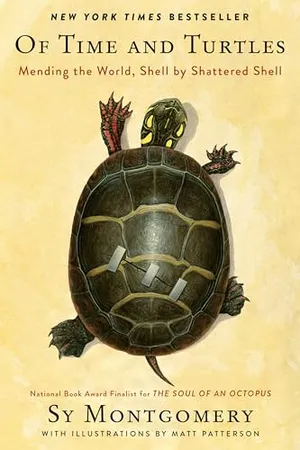
Scuttling Earth for at least 220 million years, turtles have survived more than one mass extinction, including the one that offed dinosaurs. But in a geologic instant, humans have pushed more than half their 360 known species to near-extinction. And in an actual instant, animals slated to live a century or more can be killed—after their shells are crushed by cars, their mouths are snagged by fishhooks or their ponds are drained by developers.
Yet there is hope for some turtles. The Turtle Rescue League in Southbridge, Massachusetts, rehabilitates hundreds of ailing turtles each year. In Of Time and Turtles, author Sy Montgomery joins the small squad in spring of 2020, just as routine life freezes for Covid-19. The book recounts her year with the league, as they incubated eggs, injected antibiotics, mended shattered shells and returned healed patients to nature.
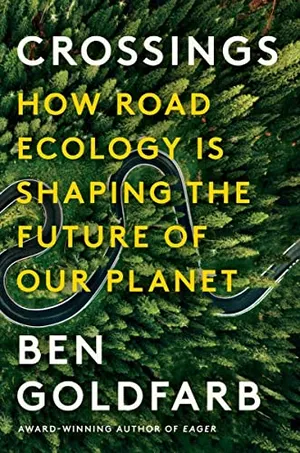
From the start of Ben Goldfarb’s fascinating book on road ecology, Crossings, the reader is peppered with jaw-dropping facts. Some 40 million miles of roadways encircle the Earth. While a half-century ago 3 percent of land-dwelling mammals died on a road, in 2017 that percentage had quadrupled. In 1995, researchers estimated that, in the United States, deer factor into more than a million vehicle crashes annually, injure 29,000 drivers and passengers, and kill more than 200. (We ran an excerpt of the book, with many more surprising facts, here.) And the book is engrossing for other reasons. In it, Goldfarb chronicles roads from California to Canada to Tasmania to show how they have impacted the natural world—and that includes us. He explores how roads have affected everything from butterflies to mountain lions to frogs.
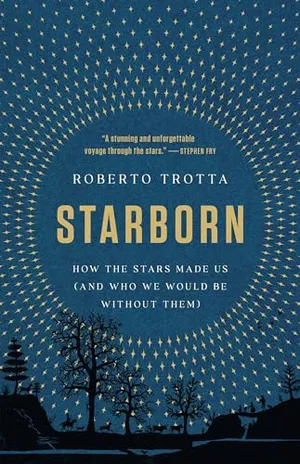
Without the stars, the history of our species would have been very different. That’s the central argument in Roberto Trotta’s engaging homage to the star-studded night sky, Starborn. The stars are more than just pretty: As Trotta shows, our efforts to understand the movements of the stars and planets (and the sun and the moon) played a crucial role in the development of navigation and precision timekeeping. In ancient Egypt, for example, the bright star Sirius was worshipped as a deity, and the start of the new year was signaled when Sirius first became visible in the pre-dawn sky. Seafaring Polynesians, meanwhile, traveled from island to island in the Pacific Ocean by memorizing the positions and movements of some 200 stars—aided by their knowledge of ocean currents, fish, birds and seaweed. Today’s most accurate timekeepers are atomic clocks, which count vibrations of a cesium atom—but even these need to be tweaked based on the sun and stars, because the Earth’s spin is gradually slowing.
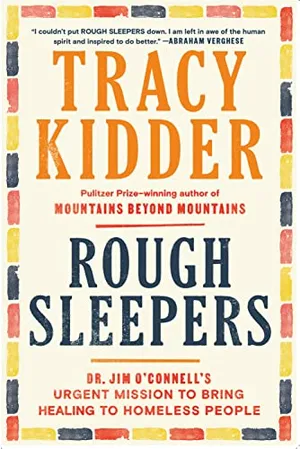
In Rough Sleepers, author Tracy Kidder profiles a dedicated doctor who treats Boston’s homeless. Harvard-educated physician Jim O’Connell is the founder and president of the Boston Health Care for the Homeless Program. “The Program,” as O’Connell calls it, employs roughly 400 workers to treat more than 11,000 homeless people annually. O’Connell, who refers to the unhoused as “rough sleepers,” a 19th-century British term, is called Dr. Jim by his patients. He treats them in a clinic and drives a van to meet them on the streets. He addresses everything from lice and scabies to more advanced problems that patients have following years of neglect, including large tumors and, in one case, a hernia that dropped below a man’s knees. Aside from care, O’Connell sometimes hands out his own money and gift cards.Report this ad
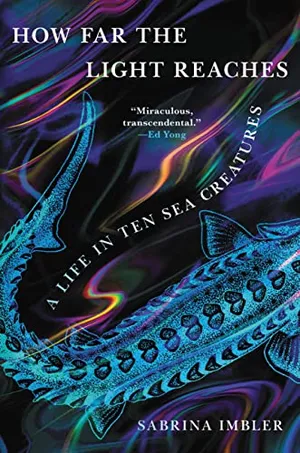
Nature is unabashedly queer. We are surrounded by species that live outside our human experience, points of reflective contrast to our terrestrial lives. Sabrina Imbler’s scientifically steeped memoir How Far the Light Reaches revels in these differences, using an aquarium of undersea creatures as foils for significant moments in the author’s life. The preserved remains of a whale are a foil for dissecting a breakup, and our sometimes leering fascination with a marine worm called the sand striker gives form to a meditation on consent. Imbler’s essay “We Swarm,” especially, is a treasure. Squishy marine organisms called salps, which spend part of their lives in aggregations of hundreds of individuals, open a warm recollection of Pride celebrations along the New York shoreline.
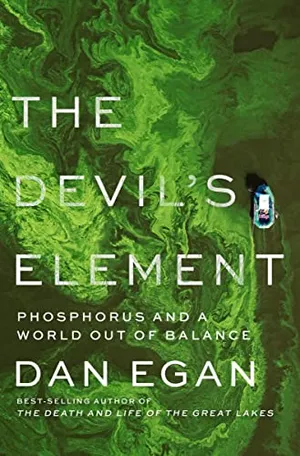
As chemicals go, phosphorus—number 15 on the periodic table—is something of a paradox. In The Devil’s Element, journalist Dan Egan explains how phosphorus is essential for all life; it can be found in every cell in your body. But it is also combustible and explosive. So-called white phosphorus is a waxy substance that spontaneously combusts when exposed to oxygen—and can cause temperatures to hit 2,370 degrees Fahrenheit. White phosphorus was the key ingredient in the bombs dropped by the Allies on Hamburg, Germany, during World War II, unleashing a firestorm that leveled the city and killed some 37,000 people.Report this ad
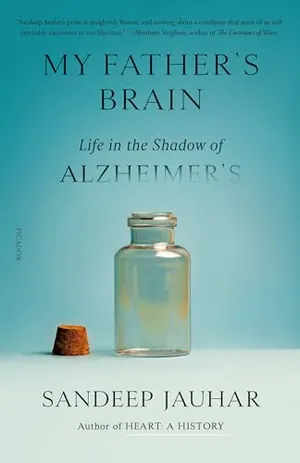
Alzheimer’s disease robs a person’s memory, yes, but it also causes sweeping behavioral transformations that can include agitation and stubbornness. Those with the condition can become unrecognizable to their loved ones and difficult patients. The slow-acting and irreversible disease “is more feared than death itself,” writes Sandeep Jauhar in My Father’s Brain. After his father starts to show signs of dementia in 2014, Jauhar’s parents move states to be closer to their sons. But the close proximity does little to prevent his father’s Alzheimer’s from upending the lives of family members. Jauhar doesn’t shy away from narrating the ugly and difficult experiences of his father’s irrational behavior, which often leads to sibling fights and frustration for the author.
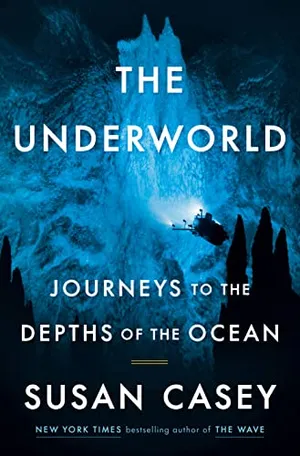
In June, the world paid more attention than usual to deep-sea exploration when OceanGate’s Titan submersible went quiet while exploring the Titanic. Later, the public learned the craft imploded. That was the rare tragic episode of deep-ocean adventures, one years in the making due to the company’s failure to test and heed warnings. But a much more awe-inspiring exploration of the deep has been taking place for decades, and Susan Casey’s enthralling book, The Underworld, documents it in stunning detail. (We ran an excerpt of the book here.) As Casey points out, though you can view maps of Mars on your iPhone, 80 percent of Earth’s seafloor hasn’t been charted in sharp detail.
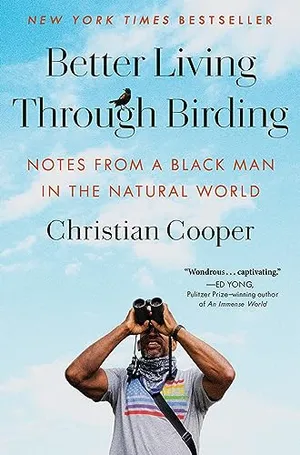
In little more than two minutes captured on video in May 2020, the life of New York City birder Christian Cooper drastically changed. He saw a dog run through a forested section of Central Park and asked its owner, a white woman, to leash her pet in accordance with the law. When she refused, he began to film her with his smartphone, and as he did, she said she would call the police on him and tell them “an African American man is threatening my life.” As the racist incident came to national attention, Cooper quickly became the best-known birder in America. And, amid a hobby that is largely older and white, “the fact that that birder is Black turned heads,” Cooper writes.
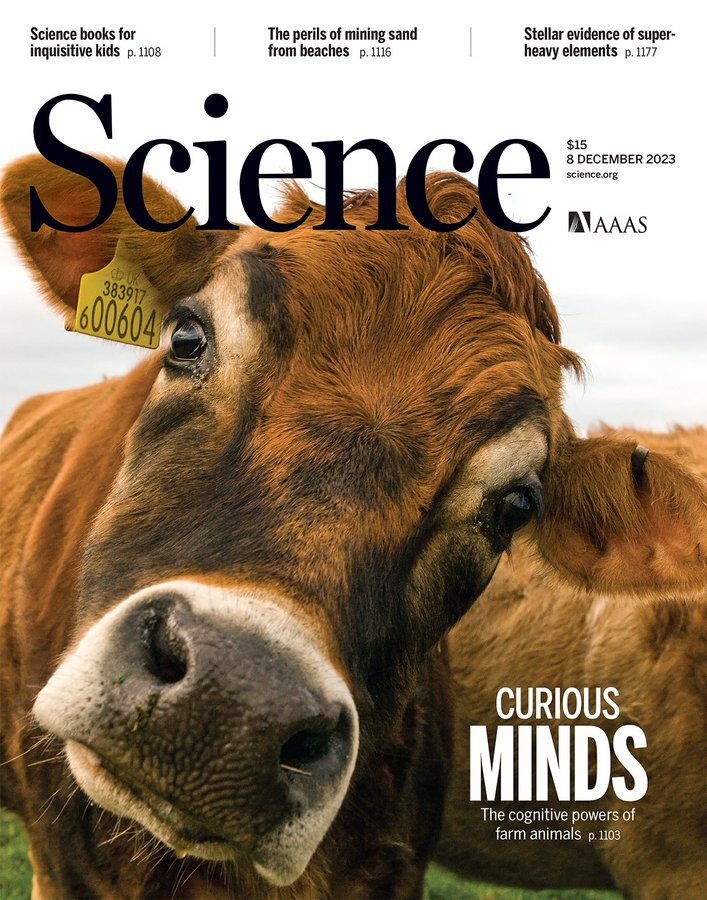
Science Magazine – December 7, 2023: The new issue cover features new research that shows that farm animals may be capable of much cognitive powers than currently known…




 S
S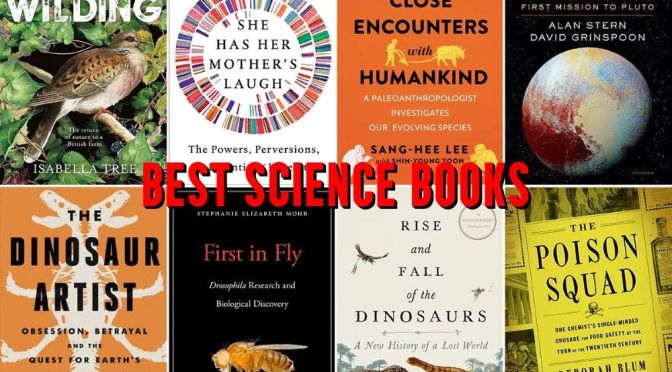


:focal(800x602:801x603)/https://tf-cmsv2-smithsonianmag-media.s3.amazonaws.com/filer_public/54/95/5495bf57-cfac-40d7-a1ac-4fc8f56baa3e/booklist-2023-science.jpg)

 Boomers Daily