
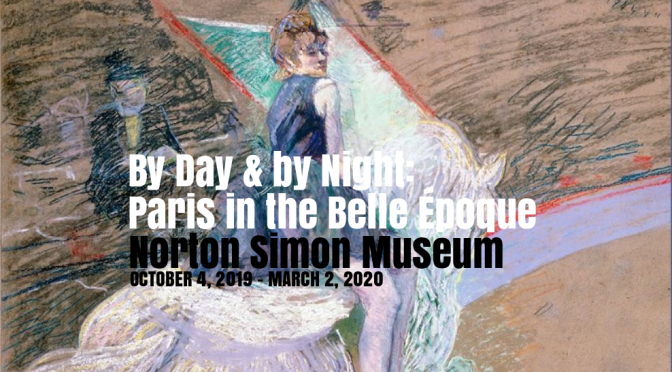
From the Norton Simon Museum website:
 By Day & by Night: Paris in the Belle Époque surveys the rich range of artistic responses to life in the French capital through a selection of paintings, drawings, prints and photographs from the Museum’s collections. Together these works of art demonstrate that visual artists participated in the inventive spirit of the age by interpreting the everyday as something extraordinary.
The belle époque, a French expression meaning “beautiful era,” refers to the interwar years between 1871 and 1914, when Paris was at the forefront of urban development and cultural innovation. During this time Parisians witnessed the construction of the Eiffel Tower, the ascendancy of the Montmartre district as an epicenter for art and entertainment and the brightening of their metropolis under the glow of electric light. From the nostalgic perspective of the twentieth century, this four-decade period of progress and prosperity was a golden age of spectacle and joie de vivre.
To read more: https://www.nortonsimon.org/exhibitions/2010-2019/by-day-and-by-night-paris-in-the-belle-epoque/
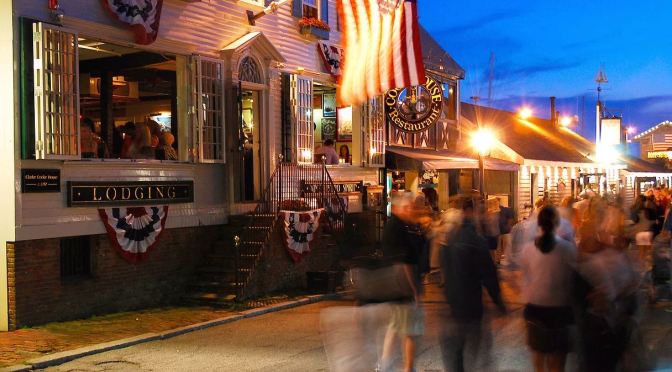
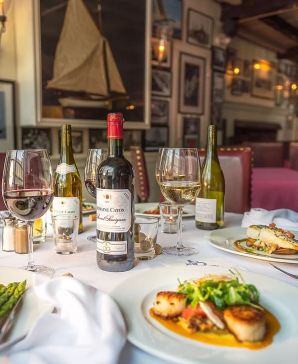 …hosts to royalty and yachting stars, captains of industry and charming scalawags, to occasions whimsical and outrageous. Whether a quiet dinner or late night revelry, our goal has always been to provide great food, professional service, and a sophisticated environment. The Clarke Cooke House lends its unique charm to any celebration or meeting, whether a victorious America’s Cup crew or family gathering – our dining room and porches are the perfect Newport setting.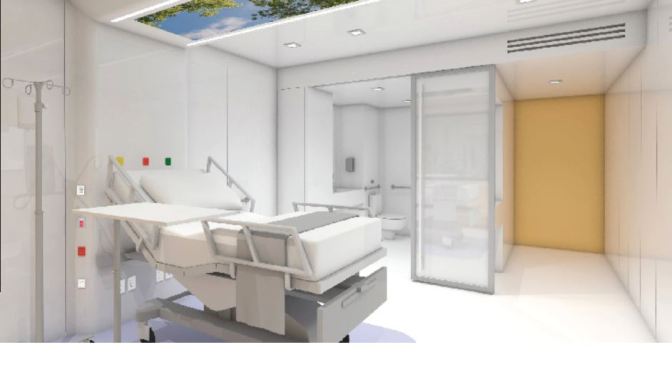
 EIR Healthcare collaborates with each hospital to customize the optimal space. Through our technology and design, doctors, nurses and any healthcare professional interacting with patients in a MedModular room are equipped to provide nothing short of excellence within every interaction. EIR Healthcare was presented with a 2018 iF Design Award for our “Hospital of the Future” professional concept.





 Scott Burger, MITEI Energy Fellow and researcher, discusses rooftop solar economics, net metering, energy poverty, and electricity costs. Show notes and transcript:

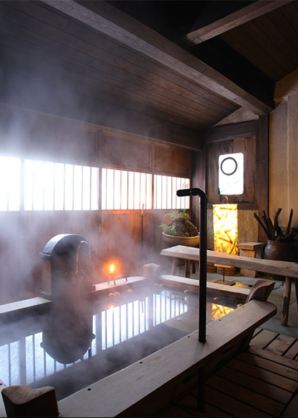 Situated along the winding mountain road that is the historic village of Omori, Takyo Abeke is hidden behind a rustic bamboo fence covered in climbing roses and shielded from the road by a deep courtyard garden. The 228-year-old building was once the home of the Abe family (Abeke), who were administrative officials for the Iwami Ginzan silver mine dug deep into the mountains at the top of the village. During the 17th and 18th centuries the silver mine was the largest in the world, and its output financed not only bustling local village life and imposing houses like Abeke but also Japan’s rapid economic growth, urbanization, and flowering of its unique culture of shibusa— aesthetics based on nature, simplicity, and the ephemeral—during the first centuries of the Edo period (1603-1868).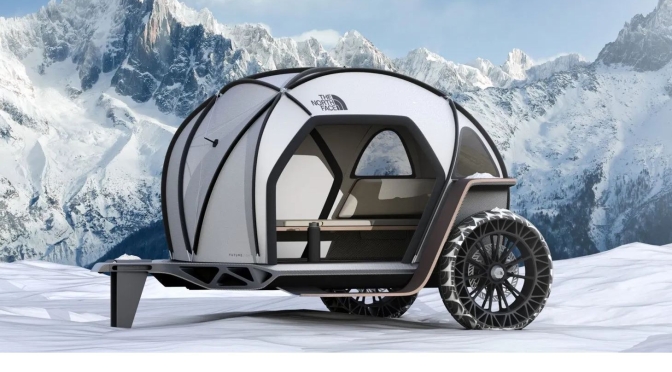
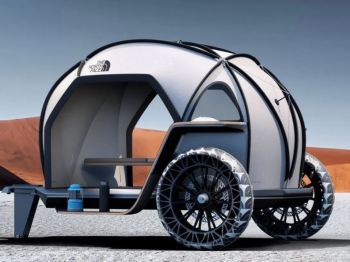 The camper is a light, mobile dome made of FUTURELIGHT™ material and heavy-duty geometry. As the fabric stretches over a geodesic dome, it creates a natural, weather-proof space. Somewhere to sleep after a day of hiking, or a place to take cover when nature is being, well, nature.
 Boomers Daily