Could wildfires be depleting the ozone all over again? Staff Writer Paul Voosen talks with host Sarah Crespi about the evidence from the Polarstern research ship for wildfire smoke lofting itself high into the stratosphere, and how it can affect the ozone layer once it gets there.
Next, we talk ticks—the ones that bite, take blood, and can leave you with a nasty infection. Andaleeb Sajid, a staff scientist at the National Cancer Institute, joins Sarah to talk about her Science Translational Medicine paper describing an mRNA vaccine intended to reduce the length of tick bites to before the pests can transmit diseases to a host.
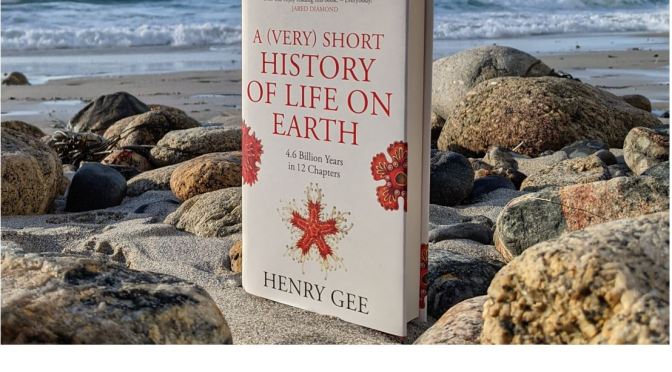
With dramatic flair, a new book tells the 4-billion-year story of life on this planet and how it has been repeatedly shaped by geological, climatic, and atmospheric forces.
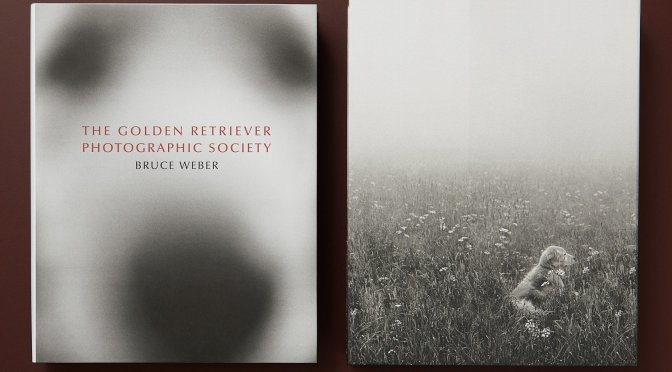
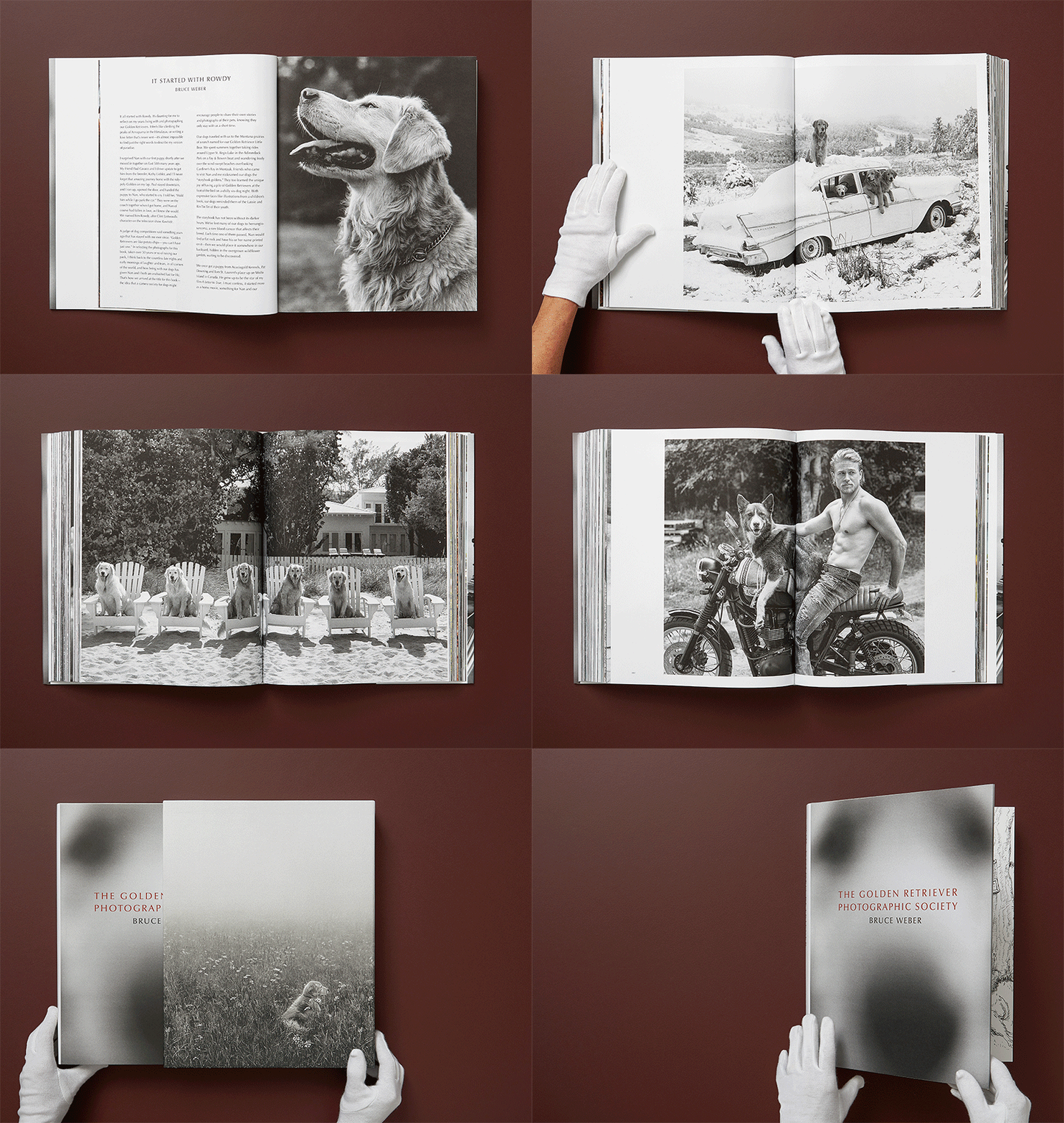
The Golden Retriever Photographic Society is Bruce Weber’s first career-spanning collection of his famed photographs of man’s best friend, and one he describes as his most personal. This book celebrates the human-animal bond, illuminating how connection to one’s pets can fuel creativity, provide companionship, and foster an abundance of joy.
Friends for Life
Bruce Weber’s photographs of the dogs always by his side
The photographer and filmmaker Bruce Weber is associated with a wide array of imagery: humanist portraits of artists, actors, and athletes; fashion spreads charged with emotion, irreverence, and nostalgia; lyrical tributes to eroticism and an arcadian vision of the American landscape. All these things—and golden retrievers, too. Since the very beginning, Weber has been accompanied on his travels by a pack of these benevolent canines, who have populated his photographs for fashion campaigns, prominent magazines, and the pages of his personal scrapbooks in equal measure.
The Golden Retriever Photographic Society is Weber’s first career-spanning collection of these photographs, one he describes as his most personal. In the introduction to the monograph, Weber remarks, “People sometimes say to me, ‘In my next life, I want to come back as one of your dogs.’” Paging through this volume, we understand the sentiment. For five decades, these golden retrievers have been foils for Weber’s imagination, storybook characters in the expansive life he has created with wife, Nan Bush. This book celebrates the human-animal bond, illuminating how connection to one’s pets can fuel creativity, provide companionship, and foster an abundance of joy.
The photographer and author
Photographer and filmmaker Bruce Weber first rose to international prominence in the early 1980s on the success of images that combined classical styling with more visceral underpinnings of mood and sexuality. His ability to construct a seamless sense of romance and drama created the central public images for fashion houses like Ralph Lauren, Calvin Klein, Versace, and Abercrombie and Fitch, as well as earning him an enduring presence as a contributor to magazines at the very highest levels in the industry. Throughout his career, Weber has worked in various forms–he has directed seven short- and feature- length films, published more than 37 books, and has held more than 60 exhibitions worldwide–extending his lifelong exploration of the nature of human relationships.
The author
Jane Goodall is the world’s foremost expert on chimpanzees, which she has been studying for 60 years in what is now Tanzania. She is the founder of the Jane Goodall Institute, a global leader in the effort to protect chimpanzees and their habitats, and for the past 30 years has been speaking about the threats facing them, as well as other environmental crises, and of her hope that humankind will solve the problems it has imposed on Earth. In 2002, Goodall was appointed to serve as a United Nations Messenger of Peace, and in 2004 she was named a Dame of the British Empire.
The designer
Dimitri Levas has been designing books since 1985, working on many Robert Mapplethorpe books and catalogues as well as numerous book projects with Bruce Weber. Levas is vice president and artistic director for The Robert Mapplethorpe Foundation.
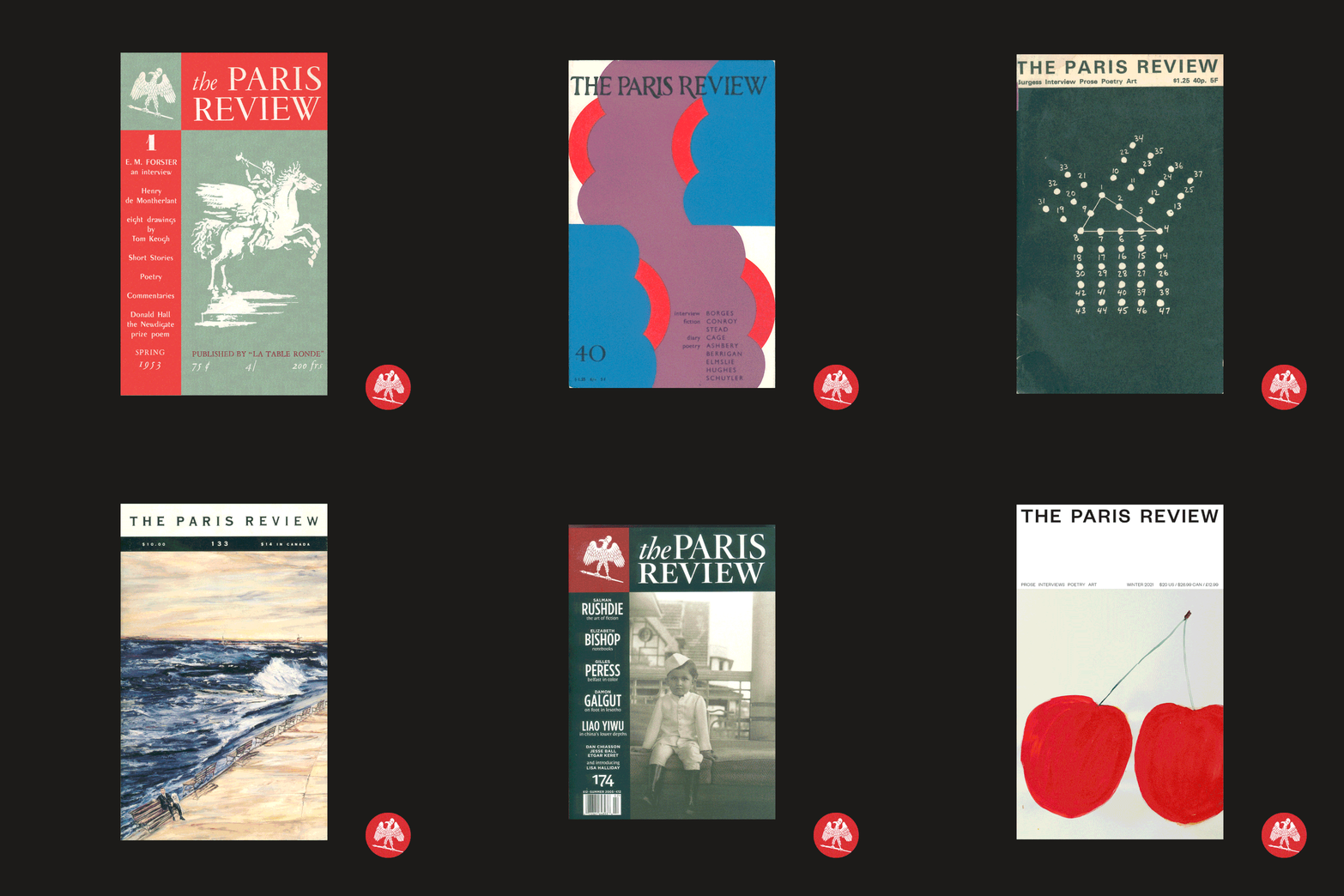
“You may notice that we’re looking a bit different today,” writes editor Emily Stokes. Learn more of the story behind the Review’s new design—and make sure to subscribe to receive your copy before the Winter issue goes live on our site on December 7:https://t.co/msZvQq1krYpic.twitter.com/vttfgauyU1
This week’s issue marks New Scientist's 65th anniversary. To celebrate, we attempt to answer 13 of the most mysterious questions about life, the universe and everything.
Spineless sea squirts shed light on vertebrate evolution, and an iodine-fuelled engine powering a satellite in space.
In this episode:
00:45 A story of sea squirts, ancient vertebrates and missing genes
When a PhD student set out to study the developmental pathways of a strange sea creature, he hoped to shed light on the origins of vertebrate animals. Instead, researchers found themselves investigating a strange case of missing genes. We hear why gene loss could be a more significant factor in evolutionary processes than was previously thought.
In space, many satellites use xenon-fuelled ‘electric propulsion systems’ to maneuver. However, xenon is rare and requires high-pressure storage systems, so researchers have been working to develop alternative fuels. This week, a team publish details of the first in-space test of an iodine-powered electric propulsion system, which they say has many advantages over xenon systems.
We discuss some highlights from the Nature Briefing. This time, issues aboard the Hubble Space Telescope, and what the discovery of a theorised mineral reveals about processes deep within the Earth.
The James Webb Space Telescope was first conceived in the late 1980s. Now, more than 30 years later, it’s finally set to launch in December.
After such a long a road, anticipation over what the telescope will contribute to astronomy is intense. Daniel Clery, a staff writer for Science, joins host Sarah Crespi to talk about what took so long and what we can expect after launch.
You might have heard that Greenland sharks may live up to 400 years. But did you know that some Pacific rockfish can live to be more than 100? That’s true, even though other rockfish species only live about 10 years. Why such a range in life span? Greg Owens, assistant professor of biology at the University of Victoria, discusses his work looking for genes linked with longer life spans.
This week in Science: A genomic analysis of 88 species reveals the genetic underpinnings of rockfish life spans, which range from 11 years for the shortest-lived species to >200 years for the longest.







 Boomers Daily