

This Morning With Gordon Deal: DNC nominates Kamala Harris in a historic selection for VP, U.S. House to vote on $25 billion postal infusion, and the surprising way to tell you’ve had too much to drink.

This Morning With Gordon Deal: DNC nominates Kamala Harris in a historic selection for VP, U.S. House to vote on $25 billion postal infusion, and the surprising way to tell you’ve had too much to drink.

Postmaster General Louis DeJoy has announced he will suspend the controversial changes he instituted to the U.S. Postal Service until after the November election. Also, on the second night of the Democratic National Convention that party officially nominated Joe Biden for president. And, the European Council is holding an emergency summit on the civil unrest in Belarus.

NPR News Now reports: Day 1 at Democratic Convention featured speech by Michele Obama, weather advisory for excessive heat in the West, and other top news.
NPR’s Tamara Keith and Amy Walter of the Cook Political Report join Judy Woodruff to discuss the latest political news, including the opening night of the Democratic National Convention, President Trump’s counter-programming during a big week for former Vice President Joe Biden, Trump’s efforts to undermine the U.S. Postal Service and how Congress might intervene in response.

Axios Today reports: Democrats are going ahead with a mostly virtual convention, starting tonight. But how TV networks will cover the event, and how the millions of American voters watching it will react is still up in the air.
Guests: Axios’ Margaret Talev, Jonathan Swan, and Facebook COO Sheryl Sandberg.
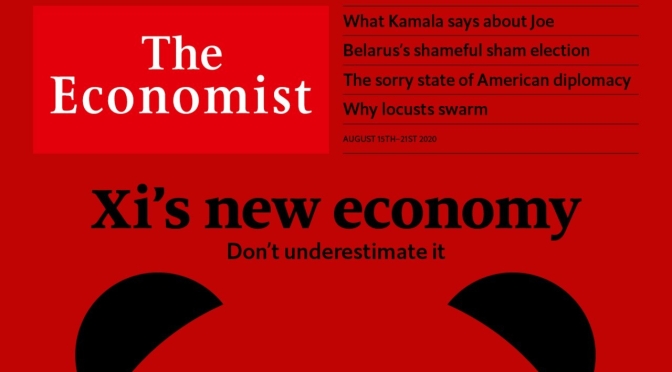
The Economist Magazine presents a selection of three essential articles read aloud from the latest issue of The Economist. This week, Xi Jinping is reinventing state capitalism (10:20), Belarus’s sham election (14:25), and the decline of the office romance.
Syndicated columnist Mark Shields and New York Times columnist David Brooks join Judy Woodruff to discuss the week in politics, including former Vice President Joe Biden’s choice of Sen. Kamala Harris as his running mate, the legislative stalemate over federal coronavirus relief and President Trump’s ongoing campaign against mail-in voting and the U.S. Postal Service.
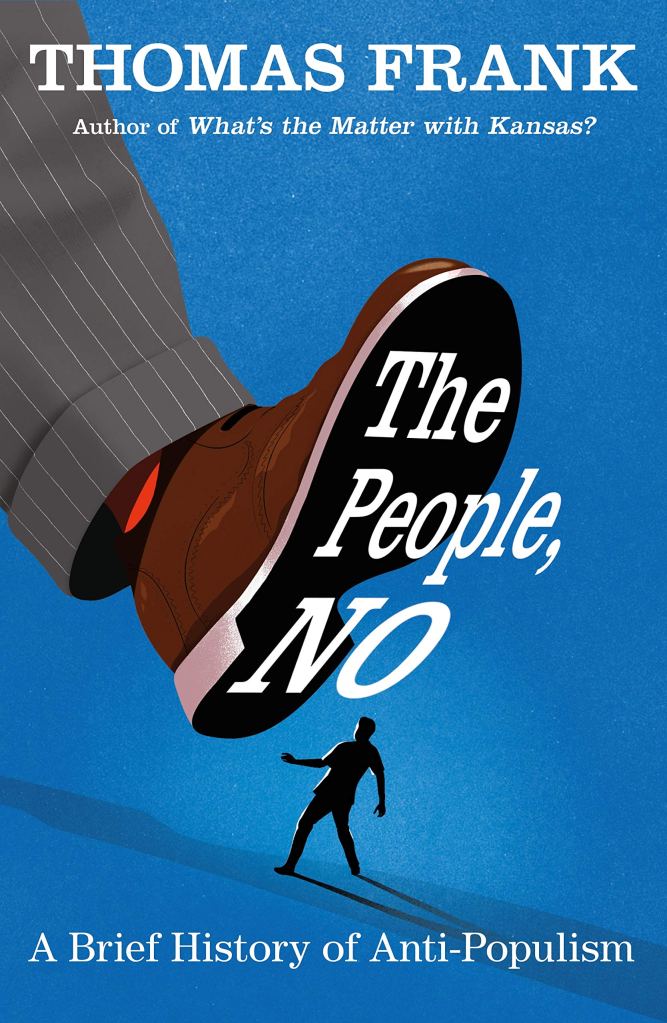
Rarely does a work of history contain startling implications for the present, but in The People, No Thomas Frank pulls off that explosive effect by showing us that everything we think we know about populism is wrong. Today “populism” is seen as a frightening thing, a term pundits use to describe the racist philosophy of Donald Trump and European extremists. But this is a mistake.
The real story of populism is an account of enlightenment and liberation; it is the story of American democracy itself, of its ever-widening promise of a decent life for all. Taking us from the tumultuous 1890s, when the radical left-wing Populist Party―the biggest mass movement in American history―fought Gilded Age plutocrats to the reformers’ great triumphs under Franklin Roosevelt and Harry Truman, Frank reminds us how much we owe to the populist ethos. Frank also shows that elitist groups have reliably detested populism, lashing out at working-class concerns. The anti-populist vituperations by the Washington centrists of today are only the latest expression.
Frank pummels the elites, revisits the movement’s provocative politics, and declares true populism to be the language of promise and optimism. The People, No is a ringing affirmation of a movement that, Frank shows us, is not the problem of our times, but the solution for what ails us.
 Last night, Joe Biden made the most important decision in his campaign with a historic pick of Senator Kamala Devi Harris as his vice-presidential candidate. But it’s the next 48 hours that are truly crucial for the campaign to prove they have the chemistry to win the presidency.
Guests: Axios’ Hans Nichols and Jeff Tracy
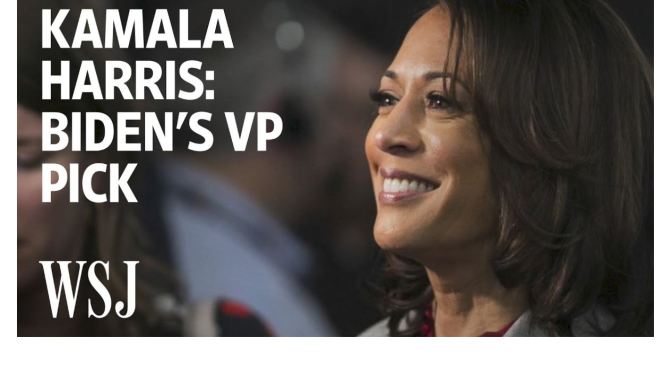
Joe Biden picked Sen. Kamala Harris to be his running mate. WSJ’s Jason Bellini reports on how her life and career brought her to this moment.
Photo: Maddie McGarvey




 Boomers Daily