

From a NextAvenue.org online review:
 Am I Still a Man?
Masculinity is not a natural collection of individual traits but, rather, a cultural story, a plot or a script by which men are judged and judge themselves. One problem is that this script for masculinity stops at midlife. For most old men in American society, there are no landmarks of achievement or value; no lighthouse guiding one’s moral compass; no employment office with the sign “old men wanted.” There is only the province of retirement — a barren place often marked by an absence of wealth, prestige and personal meaning.
Do I Still Matter?
At least since the institutionalization of retirement in the mid-20th century, old men have often felt marginalized, useless or invisible. Retirement is a primary source of depression for those whose identities and self-esteem have depended on being productive, earning a living and being engaged with others in the workplace. Employment and volunteer work are often less possible for men who have reached their 80s.
What Is the Meaning of My Life?
Because our society provides old people with no widely shared meanings or norms by which to live, the task of finding significance in later life falls to individuals in their relationships with family and community.
Meaning is partly a matter of love and of relevance. If I love and am loved, my life has significance. Meaning is also a moral question: Have I lived a good life by my own lights? Did I, and do I, measure up to my own expectations and to the standards of my family, religion, community and nation?
Am I Still Loved?
Love, of course, means many things. There is love of God. There is love that comes from God or a Divine Being or Beings — love that carries existential meaning. It is the kind of love Ram Dass received from his guru Neem Karoli Baba, who inspired him to live a life of loving service on the path toward merging with Brahman, the ultimate reality in Hinduism.

 This cohort study included 146 152 individuals from the Prostate, Lung, Colorectal, and Ovarian Cancer Screening Trial and found that aspirin use 3 or more times per week was associated with reduced risk of all-cause, cancer, gastrointestinal cancer, and colorectal cancer mortality.

 More than 60% of cancers in the U.S. occur in people older than 65. As the population grows older, so will the rate of cancer among seniors. The cancer incidence in the elderly is expected to rise 67% from 2010 to 2030, according to a 2017 study in the Journal of Clinical Oncology. Yet many oncologists don’t have geriatric training.
 It started with a phone call. In a week, a scammer would take Nina Belis’s life savings. WSJ’s Sarah Krouse explains why robocalls persist: Because sometimes they work.
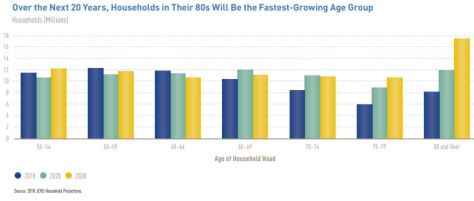
 “Senior citizens today are healthier, more engaged, and working longer than past generations,” says Chamberlain. “A ‘gray wave’ of senior citizens will be impacting the workforce in coming years, both in the United States and the United Kingdom.”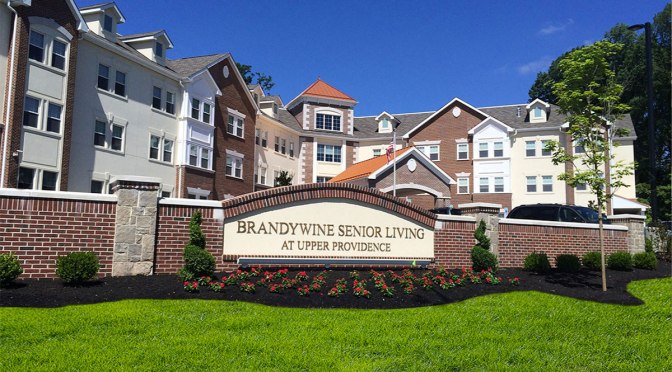
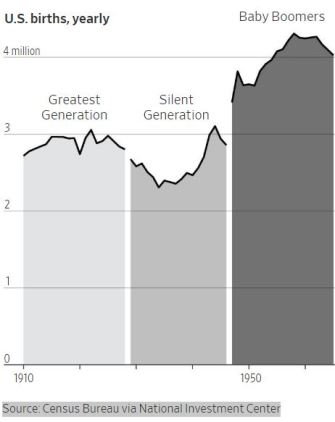 The rise of technologies that help the elderly stay in their homes threatens to upend one of commercial real estate’s biggest bets: Aging baby boomers will leave their residences in droves for senior housing.
 Being with people at the end of life is very intense work. You are regularly seeing a part of life that a lot of people don’t see, or see very rarely. How do you feel that affects your relationships generally and your friendship specifically?
 At Dr. Soong’s hospital, withholding the results of urine cultures, unless doctors actually called the microbiology lab to request them,
 Boomers Daily