
 On this week’s podcast, how the molecular structure of tooth enamel may impact decay, adhesive patches to heal heart attacks, and a mysterious planetary core from a half-formed gas giant.
In this episode:
00:46 Unravelling tooth enamel
Researchers have been looking into the structure and composition of enamel in an effort to better understand tooth decay. Research Article: DeRocher et al.
07:02 Research Highlights
An adhesive patch to help heal heart-attacks, and a new technique to inspect the structure of 2D ‘wonder materials’. Research Highlight: A healing patch holds tight to a beating heart; Research Highlight: A snapshot shows off super-material only two atoms thick
09:21 Unusual planet
In the region close to stars known as the ‘hot Neptune desert’ planets of Neptune’s size are rarely found, but this week scientists have uncovered one and are trying to untangle its mysteries. Research Article: Armstrong et al.
14:52 Briefing Chat
We take a look at some highlights from the Nature Briefing. This time we talk about the pitfalls of using CRISPR in human embryos, and renaming of moon craters inadvertently named after Nazi scientists. Nature News: CRISPR gene editing in human embryos wreaks chromosomal mayhem; Prospect Magazine: Astronomers unknowingly dedicated moon craters to Nazis. Will the next historical reckoning be at cosmic level?
 The first stimulus package was a lifeline for millions of Americans. The beginning of July means we’ve got just a few more weeks before all those benefits expire. Unlike when the first bill passed in March, Congress is divided on whether people need another stimulus.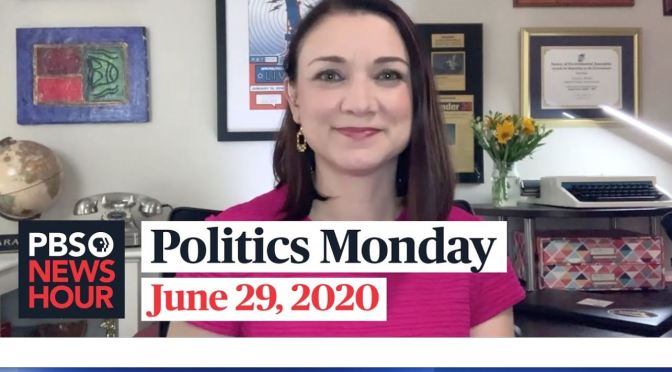

 The coronavirus pandemic has accelerated our cashless society and deepened the divide between those who depend on it and those who now live mostly without it.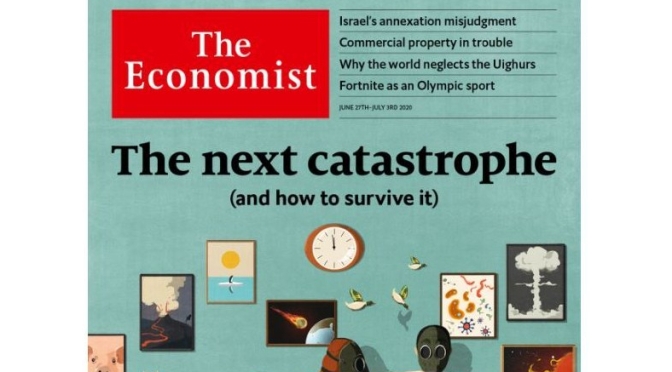
 A selection of three essential articles read aloud from the latest issue of The Economist. This week,
 We take a look back over the past six months of the pandemic, and discuss how far the world has come. It’s been a period of turmoil and science has faced an unprecedented challenge. What lessons can be learned from the epidemic so far to continue the fight in the months to come?
 Kimberly Prather, an atmospheric chemist at the University of California, San Diego, who studies how ocean waves disperse virus-laden aerosols, joins host Sarah Crespi to talk about how she became an outspoken advocate for using masks to prevent coronavirus transmission. A related insight she wrote for Science has been downloaded more than 1 million times.

 Boomers Daily