Category Archives: Home Design

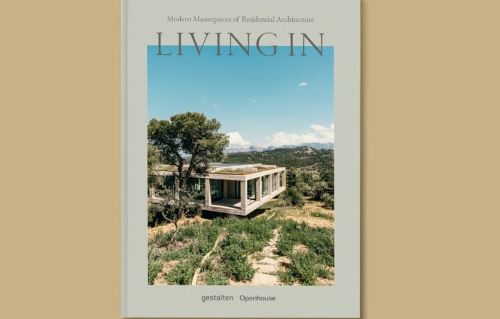
HOME DESIGN: ‘LIVING IN – MODERN MASTERPIECES OF RESIDENTIAL ARCHITECTURE’

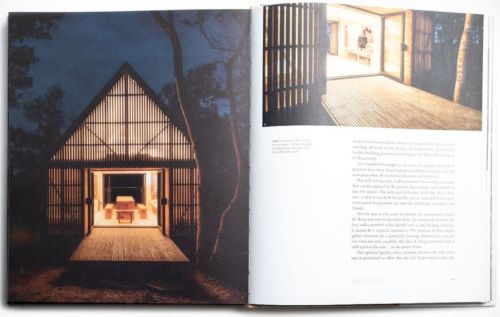
Openhouse has spent the last six years giving readers a closer look at some of the most extraordinary houses around the globe. In their first book, the editors open the doors to their highlights, including exclusive photography and rarely seen homes.

With a range of architectural styles from Brutalism to 20th-century mastery from the likes Walter Gropius and Ludwig Mies van der Rohe, this book portrays the stories of architects and residents of the most remarkable and inspiring living spaces around the world. Enter the adobe house of Georgia O’Keefe in New Mexico, step into the Modernist Casa Pedregal designed by Luis Barragán in Mexico City, and discover the sensorial architecture of George Nakashima’s house, studio, and workshop in New Hope, Pennsylvania.

From case study houses to cutting edge contemporary architecture, Living In describes what it feels like to occupy these spaces from the perspective of their owners—who themselves have become stewards of architectural history.

Read more

Mobile Living: Modern Shed – ‘The DW’ (Dwelling On Wheels) – “An Amazing Off-Grid Tiny Home”

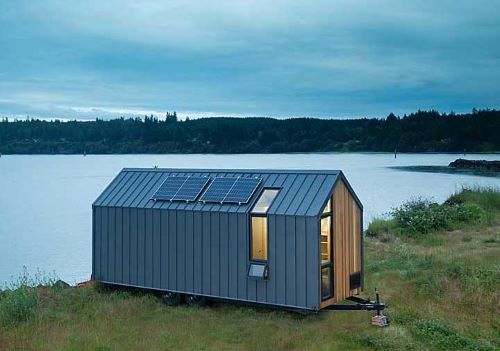
Having provided customers with small backyard spaces for over two decades, Modern Shed has taken the next step in small space innovation. One that can be taken with you wherever you go. Introducing the DW (dwelling on wheels). This is more than a mobile shed on wheels.

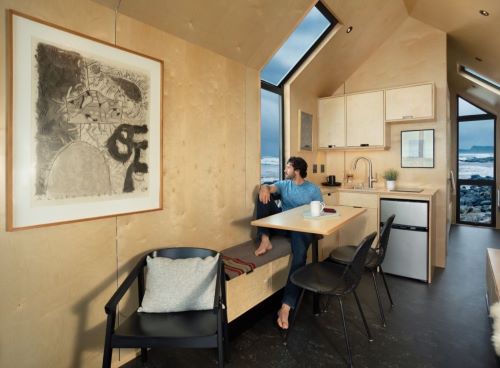
Modern-Shed was born from builders and dreamers—idealists and pragmatic problem-solvers. The Modern Shed team was inspired to embark on a creative project in 2020–creating their first-ever portable dwelling. Drawing on their design/build expertise, the team created a beautiful, self-contained space big enough to call home, yet small enough to take anywhere: The Dwelling on Wheels –the DW– was born. A classic gable form creates a recognizable home, with wall-to-ceiling window placements maximizing landscape views and sunlight.

The Details

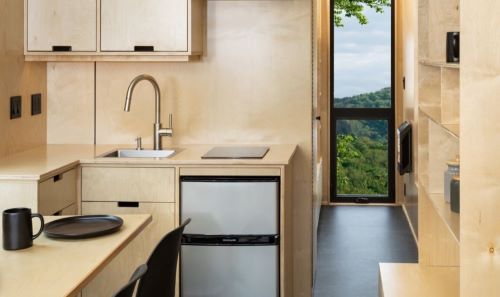
The resilient, low-maintenance envelope is contrasted by a bright and spacious wood interior and sustainable linoleum flooring. The DW offers room for three with a large bed–just a few inches short of a queen–tucked below a twin in the sleeping area. Thoughtfully designed, built-in storage accommodates small living while the glass wall orients the structure to capture the horizon in the living room.

With a solar array on the roof equipped with batteries, and a wood stove to provide warmth, the DW is equipped to be used off-grid. The dwelling comes with two electric wall heaters as a backup, and is ready to accommodate water tanks or a composting unit.

The DW exemplifies Modern-Shed’s values: creating beautiful dwellings efficiently, sustainably, and cleverly.

Website

Video Profiles: French Architect & Designer Charlotte Perriand

In 1938 architect and designer Charlotte Perriand (1903-1999) designed a mountain shelter able to withstand the harsh elements of any mountaintop yet still light enough to be carried by hand.

The “Refuge Tonneau” (“barrel shelter”), her piece of nomadic architecture designed with Pierre Jeanneret, consists of just 12 main prefabricated panels light enough to be manually transported. Once on location, the panels lock together to resist wind, snow, and cold. The tiny barrel-shaped structure sleeps up to 10 people and while it was never constructed in Perriand’s lifetime it was just one of her many designs created for the masses.

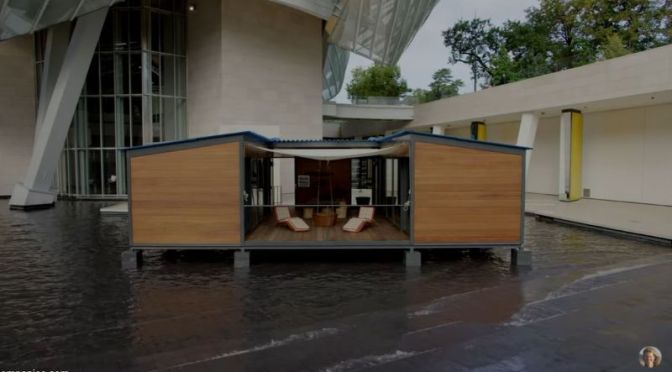
In 1934, after 7 years working with Le Corbusier, Perriand began a five-year study of minimal shelters, like the prefab aluminum Bivouac refuge and the affordable, elegant prefab “House at the Water’s Edge”. Hoping to improve upon her easily-transportable, aluminum Bivouac shelter she found inspiration in the merry-go-round. Counting on the dodecagon shape’s ability to withstand strong centrifugal loads (and high winds), she made it the basis for her Refuge Tonneau.

All her tiny shelters were works of studied elimination. “Her mission was to eliminate anything unnecessary,” explains her daughter Pernette Perriand-Barsac, “but always to concentrate on the flow of light and air. Then you can live in the smallest of spaces.” Sébastien Cherruet gave us a tour of Perriand’s minimal structures and apartment design at the Louis Vuitton Foundation’s exhibit he curated: “Charlotte Perriand: Inventing a New World”.

Top Architectural Tours: ‘Shelter Island, New York’

91 Ram Island Drive is the culmination of twenty years of work by internationally renowned architect William Pedersen. A triumph of contemporary design and expertly crafted by Wright and Company Construction, the house sits on almost 3 acres of rolling native meadow that gently slopes onto over 220 feet of pristine beach, with Gardiners Bay beyond.

Based on a multi-axis linear framework and emphasizing the contrasting textures of the primary building materials of concrete, wood, copper and bluestone, the structure is at once both awe-inspiring and effortlessly comfortable. Set at the convergence of three distinct landmarks – the lighthouse in Gardiners Bay, Gardiners Island and the entrance to Coecles Harbor – an unparalleled 360-degree panoramic view unfolds in front of the property.

The house itself seems to rise like an island from the water, as was the conceptual inspiration for the design. Clad in stone and sheets of standing seam copper, the 3-bedroom residence offers an open flow between the public spaces at the heart of the home, the expansive outdoor entertaining areas that define the summer lifestyle and the long passageway of the private bedroom wing. Singular in design and function, 91 Ram Island Drive is, in every sense, a habitable work of art.

New Architecture Books: ‘Escapology – Modern Cabins & Cottages’ (2020)

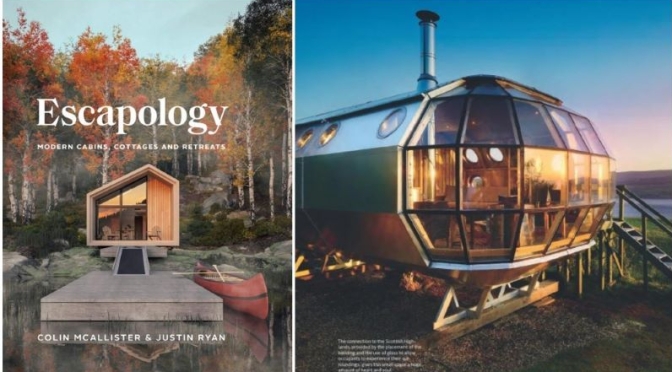
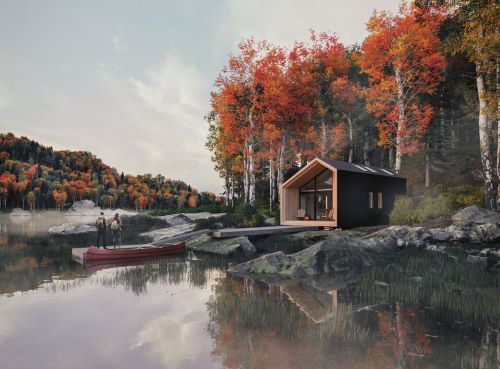
Escape from 2020 and give your mind a getaway with Escapology: Modern Cabins, Cottages and Retreats. Curated by Colin McAllister and Justin Ryan, the 265-page book takes you to 24 dreamy homes around the world where you can mentally cozy up around a wood-burning fire and immerse yourself in mother nature.

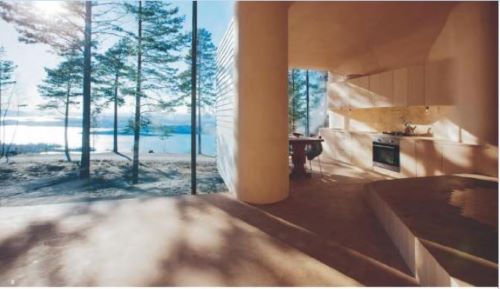
One minute you’ll be in a rugged mountain lodge and the next you’re held up in a minimal Scandinavian cabin surrounded by foilage. The duo even highlights their own retreat on Ontario’s Drag Lake. Filled with impressive photographs, this book might even inspire you to turn your own abode into your dream retreat.

Colin McAllister and Justin Ryan―Scottish interior designers, TV hosts, and property speculators―are cabin aficionados who divide their time between homes in Canada and their beloved Scotland. iEscapology: Modern Cabins, Cottages and Retreats is a stunning book of modern-day retreats―bucolic weekend escapes by the sea, remote getaways in the woods, and rustic mountain hideouts―to inspire peaceful and quiet living. The authors genuinely believe that cabin time has a remarkably positive impact on our health, wellbeing and our happiness.

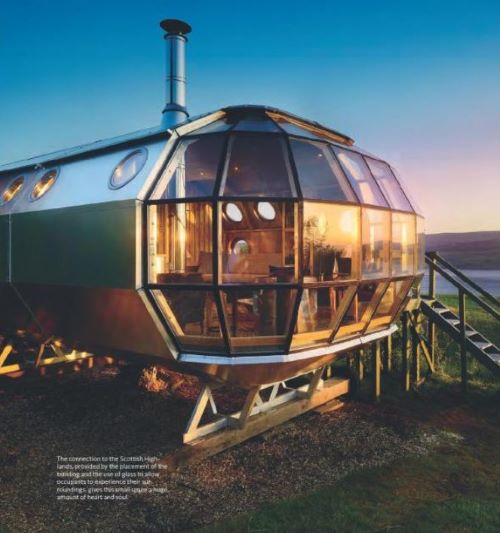
Whether it’s a rustic cottage nestled deep within a Nordic forest, a robust mountain lodge in Montana, a breathtaking treehouse in Canada, or a steel-walled, one-room “hotel” in Denmark, these retreats share one vital aspect in common: they proffer the chance to escape and to and live in harmony with nature, far from the madding crowd. Part style bible and lifestyle manual, the book features a beautiful collection of classic and contemporary cottages and cabins, each accompanied by an informative design profile and beautifully photographed images.

And of course, the book is also packed with practical building and design advice that fans of Colin and Justin have grown to love. You’ll find relevant information about different types of dwelling styles, builds, sustainability/off-grid living, tiny homes, renovation on a budget, room zonings, décor and everything in between.

Read more

English Country Homes: ’16th Century Chocolate Box’ In Bedfordshire

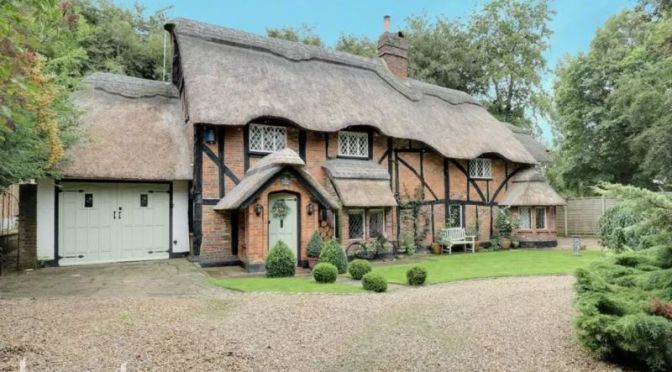
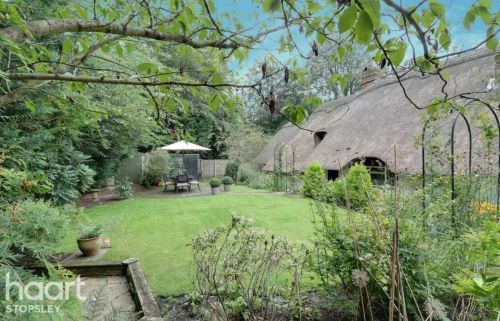
This lovely house — Grade II-listed — was built four centuries ago, when (no doubt) all around was rolling fields and endless Bedfordshire skies. Today, it’s a couple of hundred yards up a country lane, that comes straight off the main A505 heading from Hitchin to Luton, with a large cemetery just along the road.

So not quite a countryside idyll, then, but at least you know the neighbours will be dead quiet.

Balancing the house and the location is always part of the fun with any property, of course. And if you’re after a place truly in the country, then a thatched cottage such as this one at the other end of the county — a delightful two-bedroom beauty at £435,000 — is really in the middle of nowhere.

Read more

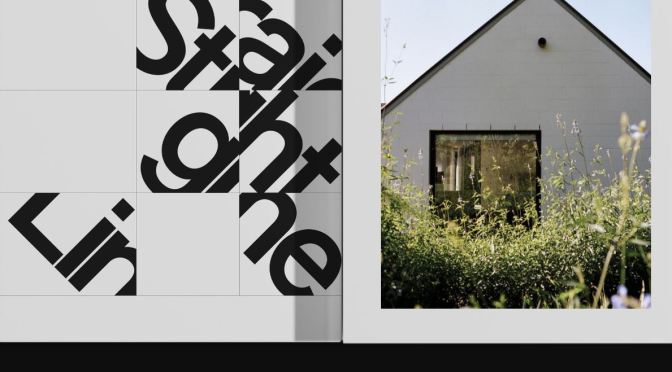
1960’s New Zealand Homes: ‘I never met a straight line I didn’t like’ (Book review)

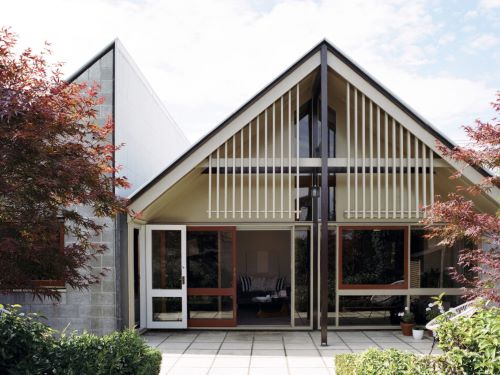
During the 1960s, Christchurch, New Zealand exploded with a creative force which developed into a distinct style of architecture that was widely admired and imitated and remains influential today.

This is a book about a modern architectural movement that bubbled up in a small, conservative city at the bottom of the world.

For a decade Christchurch architects worked with a potent energy and urgency, creating hundreds of homes (and many of New Zealand’s best public and commercial buildings) in a regional style that is arguably the closest thing the country has to a modern indigenous style of architecture. 

The 12 homes illustrated in the book are just a small representation of the style and architects of the period. They remain as intact examples of the ideas, materials and optimism of the time.

Article reviewing book

Read more or purchase book

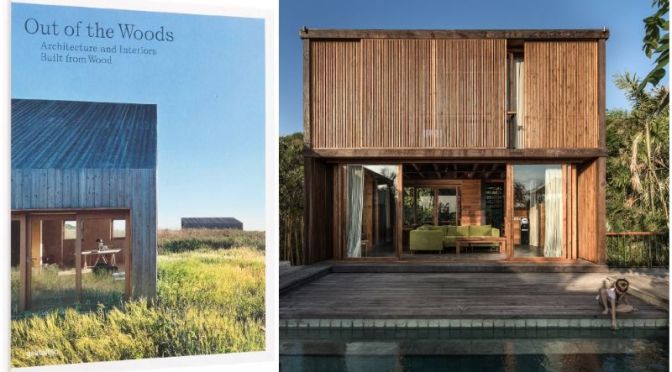
Books: ‘Out Of The Woods – Architecture & Interiors Built from Wood’ (2020)

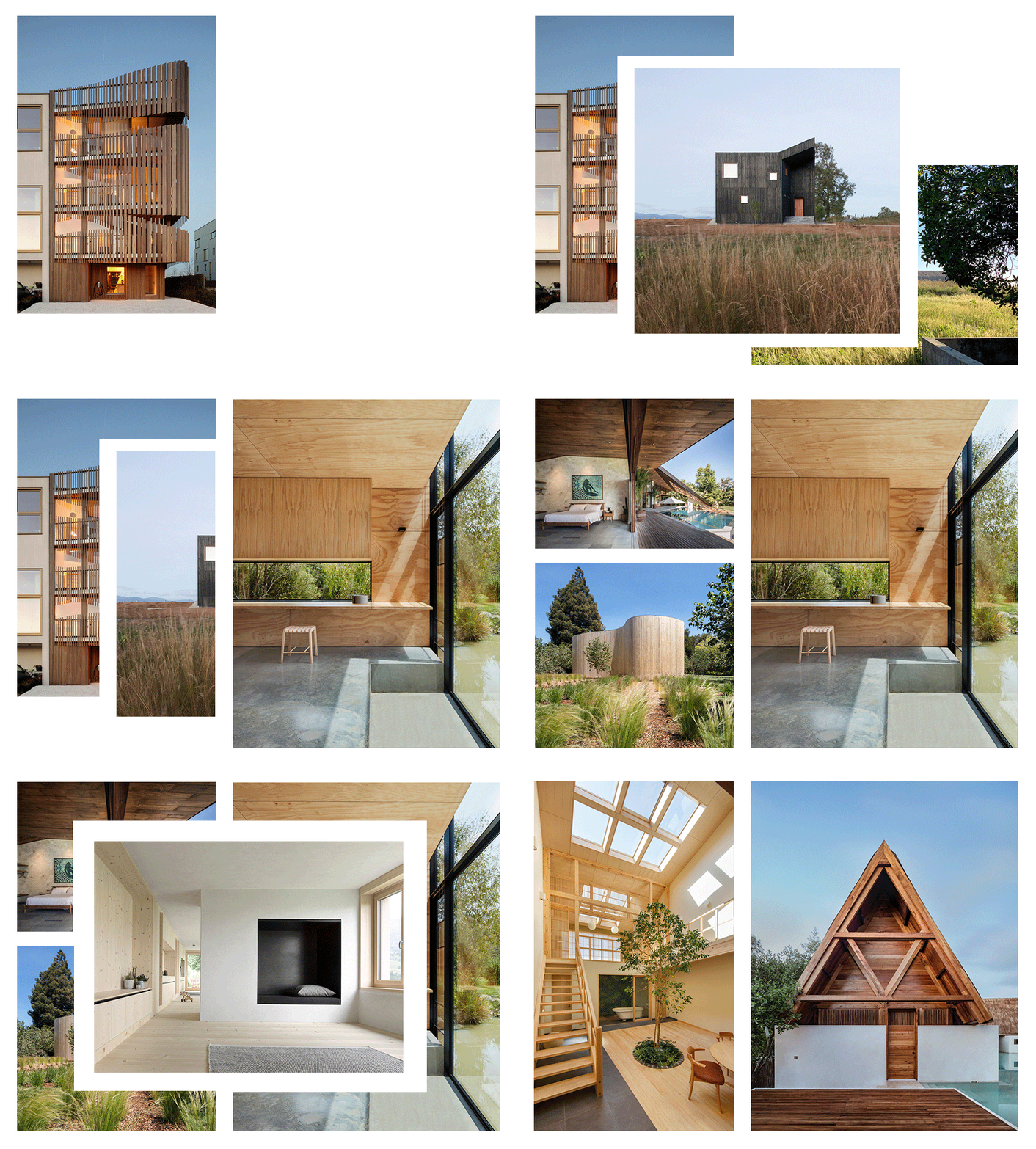
This book explores the innovative and inspiring ways architects are using this universal building material. Spanning grand Alpine escapes to tropical getaways, plywood penthouses to mass timber high-rises, Out of the Woods documents their progressive and inspiring creations from the foundations up.

Humans have been building homes from wood for thousands of years, and yet, in a contemporary world of option and innovation, the most primitive resource could in fact be the most pertinent.

Stretching back to historic Japanese houses, becoming synonymous with resort accommodation, and intertwining itself in the modern trend of hygge, its tactility and warmth have influenced countless architectural design movements. Timber is fast emerging as a viable material of choice, a safe, sturdy, and sustainable alternative to concrete. Architects are rediscovering wood’s universal appeal, thanks to recent technological advances.

Read and see more

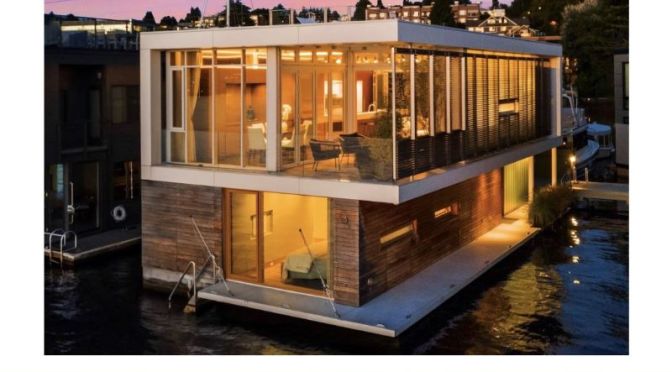
Floating Home Tour: Seattle, Washington

2017 Seattle Magazine & AIA Home of Distinction Award: A refined minimalist sculptural statement by Vandeventer + Carlander Architects. This exquisite floating home is located in an outside condo-owned slip in Roanoke Reef with west views to Gasworks Park.

A reverse plan allows light to pour in from all sides while maintaining privacy & capturing its amazing views. Open living, dining room+kitchen with Afromosa wood cabinets. 2 outdoor decks & a rooftop deck marry the home with its surroundings.

Website

Top Architecture Books: ‘Scott Mitchell Houses’
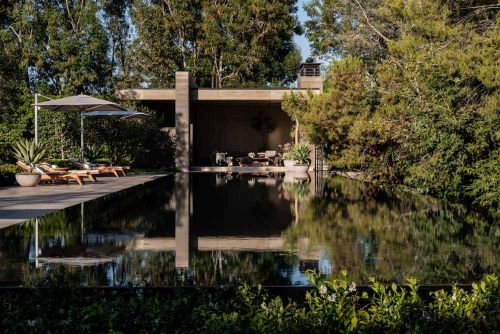
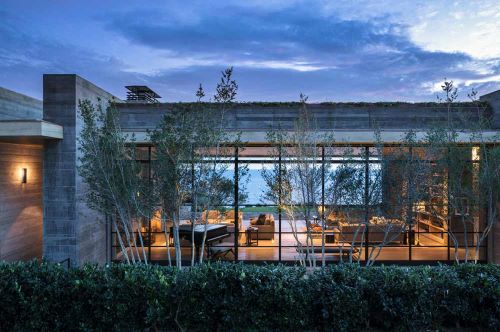
The first volume on his work, Scott Mitchell Houses is an exploration of the architectural designer’s impressive portfolio of projects. Mitchell’s houses are studies in space, materiality, and light. Emphasizing an elegant economy of space, his projects respond to the natural appeal of their locations, be they bucolic retreats on Long Island or resplendent beach houses overlooking the Pacific Ocean. The utilization of  monolithic concrete, glass and steel curtain walls, and  cantilevered roof planes reduces each building to its essential elements, cultivating a sense of balance and repose.

Merging formalist spatial logic and an atmosphere of calm, the work bridges disparate architectural typologies to create places that are both poetic and profound.

Mitchell’s monolithic forms draw on the surrounding environment via floor to ceiling windows that open onto vistas so cinematic that Tom Ford utilized one of Mitchell’s homes in his neo-noir drama Nocturnal Animals. Through previously unpublished photographs, readers are given an exclusive view into eight pivotal projects that span the globe from the Hamptons to Melbourne, featuring images by  Ross BlecknerScott Frances,  Trevor Mein  and  Steve Shaw.

A foreword by Pulitzer Prize-winning architecture critic  Paul Goldberger, contribution by fashion designer Calvin Klein, and essay by architecture and design writer and author  Michael Webb  further highlight the seductive style of Mitchell’s work.

Read more