

From a ScienceDaily.com online article:
 Now, researchers have developed a fast-acting skin patch that efficiently delivers medication to attack melanoma cells. The device, tested in mice and human skin samples, is an advance toward developing a vaccine to treat melanoma and has widespread applications for other vaccines.
Nearly 100,000 new cases of melanoma are diagnosed annually, and 20 Americans die every day from it. Now, researchers have developed a skin patch that efficiently delivers medication within one minute to attack melanoma cells. The device, tested in mice and human skin samples, also could be adapted to deliver other vaccines.
“Our patch has a unique chemical coating and mode of action that allows it to be applied and removed from the skin in just a minute while still delivering a therapeutic dose of drugs,” says Yanpu He, a graduate student who helped develop the device. “Our patches elicit a robust antibody response in living mice and show promise in eliciting a strong immune response in human skin.”
To read more click on the following link: https://www.sciencedaily.com/releases/2019/08/190825075926.htm
 In sarcoidosis, abnormal collections of cells called granulomas invade the organ, interfering with its normal activity and often destroying the surrounding tissue. What is left is a scar, known as fibrosis, dotted with these abnormal granulomas.
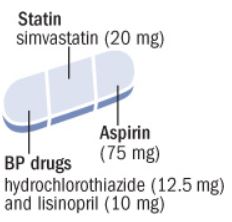 Use of polypill was effective in preventing major cardiovascular events. Medication adherence was high and adverse event numbers were low. The polypill strategy could be considered as an additional effective component in controlling cardiovascular diseases, especially in LMICs.
 The use of n-3 FA (4 g/d) for improving atherosclerotic cardiovascular disease risk in patients with hypertriglyceridemia is supported by a 25% reduction in major adverse cardiovascular events in REDUCE-IT (Reduction of Cardiovascular Events With EPA Intervention Trial), a randomized placebo-controlled trial of EPA-only in high-risk patients treated with a statin.
 Zing’s plan will give seniors access to a network of clinics in Cook County, Illinois, starting in January. The company hopes to expand to three states by 2022. It’s a managed care plan, which means the Centers for Medicare and Medicaid Services (CMS) will pay a single monthly fee per member in exchange for a more holistic approach to nurturing patient health. Zing is working with a network of community health centers, including Oak Street Health, which recently raised $65 million for its senior-focused facilities.

 2 years of moderate calorie restriction significantly reduced multiple cardiometabolic risk factors in young, non-obese adults. These findings suggest the potential for a substantial advantage for cardiovascular health of practicing moderate calorie restriction in young and middle-aged healthy individuals, and they offer promise for pronounced long-term population health benefits.
 This joint position statement from the International Atherosclerosis Society and the International Chair on Cardiometabolic Risk Working Group on Visceral Obesity summarises the evidence for visceral adiposity and ectopic fat as emerging risk factors for type 2 diabetes, atherosclerosis, and cardiovascular disease, with a focus on practical recommendations for health professionals and future directions for research and clinical practice.
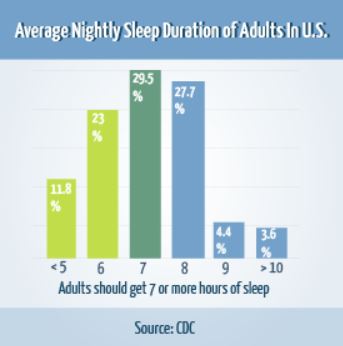 …these results indicate that sleep may play an important role in health disparities and may represent a modifiable risk factor (along with diet and physical activity) for cardiometabolic risk in general and cardiometabolic health disparities specifically.

 Boomers Daily