
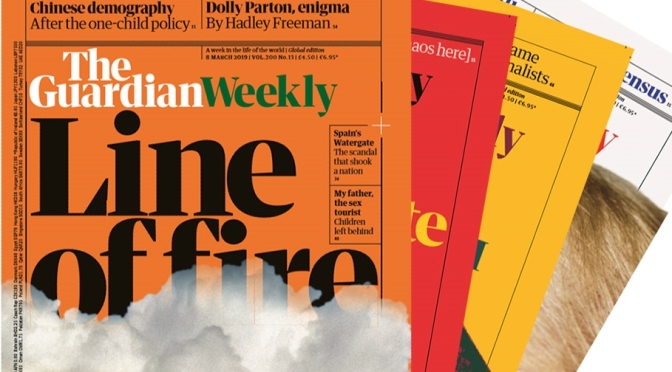

THE GUARDIAN WEEKLY (March 6, 2025): The latest issue features ‘An End To Aid?’ – The crushing cost of development fund cuts…
Spotlight | Can Keir Starmer be Europe’s bridge to Trump?
Amid the fallout from Volodymyr Zelenskyy’s catastrophic trip to Washington and efforts to secure a peace plan for Ukraine, is Britain’s prime minister the man for a critical moment? Kiran Stacey reports
Science | Is the world ready for bigger waves?
In some seas, swells are growing noticeably larger. Scientists say coastal communities should be prepared for damaging consequences – but also potential opportunities. By James Bradley
Feature | The savage suburbia of Helen Garner
Over 50 years, the Australian has become one of her country’s most revered and beloved authors, writing as if readers were her friend, party to her most candid thoughts. Is she finally going to get worldwide recognition? By Sophie Elmhirst
Opinion | Defiance, not subservience, is how we resist Trump
The US president has utterly changed the rules of engagement. World leaders must learn this – and quickly, argues Simon Tisdall
Culture | Gracie Abrams, the year’s biggest pop star
The US singer’s unfiltered approach to pop has made her a superstar. She talks to Alexis Petridis about the horror of American politics – and the solace of needlepoint









 Boomers Daily