

Category Archives: Ecosystems
Views: Celtic Rainforests In Eryri, Snowdonia, Wales
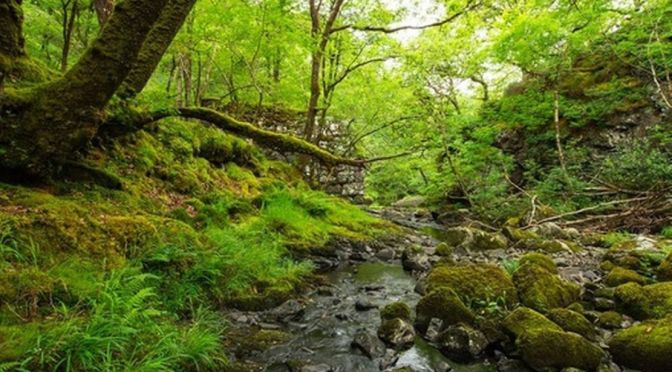
Join Jules on his visit to Hafod Garregog – a Celtic rainforest and reclaimed seabed along Afon Glaslyn (River Glaslyn). National Trust rangers have planted native saplings here to store carbon, slow the flow of water and provide a boost for nature and wildlife. Jules discovers that local tree species such as willow, aspen and hornbeam are less susceptible to diseases and can adapt better to the climate.
These trees will also create homes for warblers, moths, bats and nearby otters, as well as encourage a diverse variety of plants to grow. You’ll also discover how the National Trust works with volunteers to plant trees and find out more about the charity’s wider ambition to plant and establish 20 million trees by 2030.
Droughts: The ‘Vanishing’ Great Salt Lake In Utah

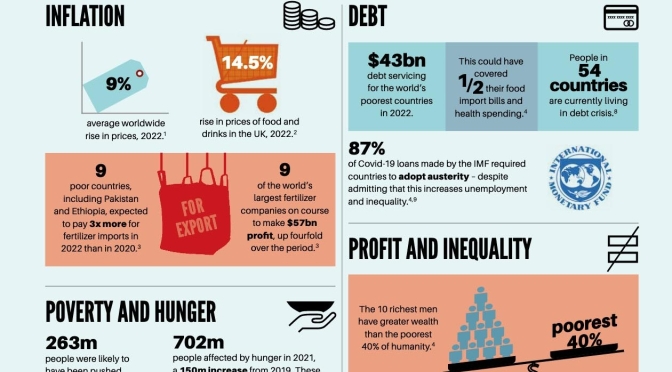
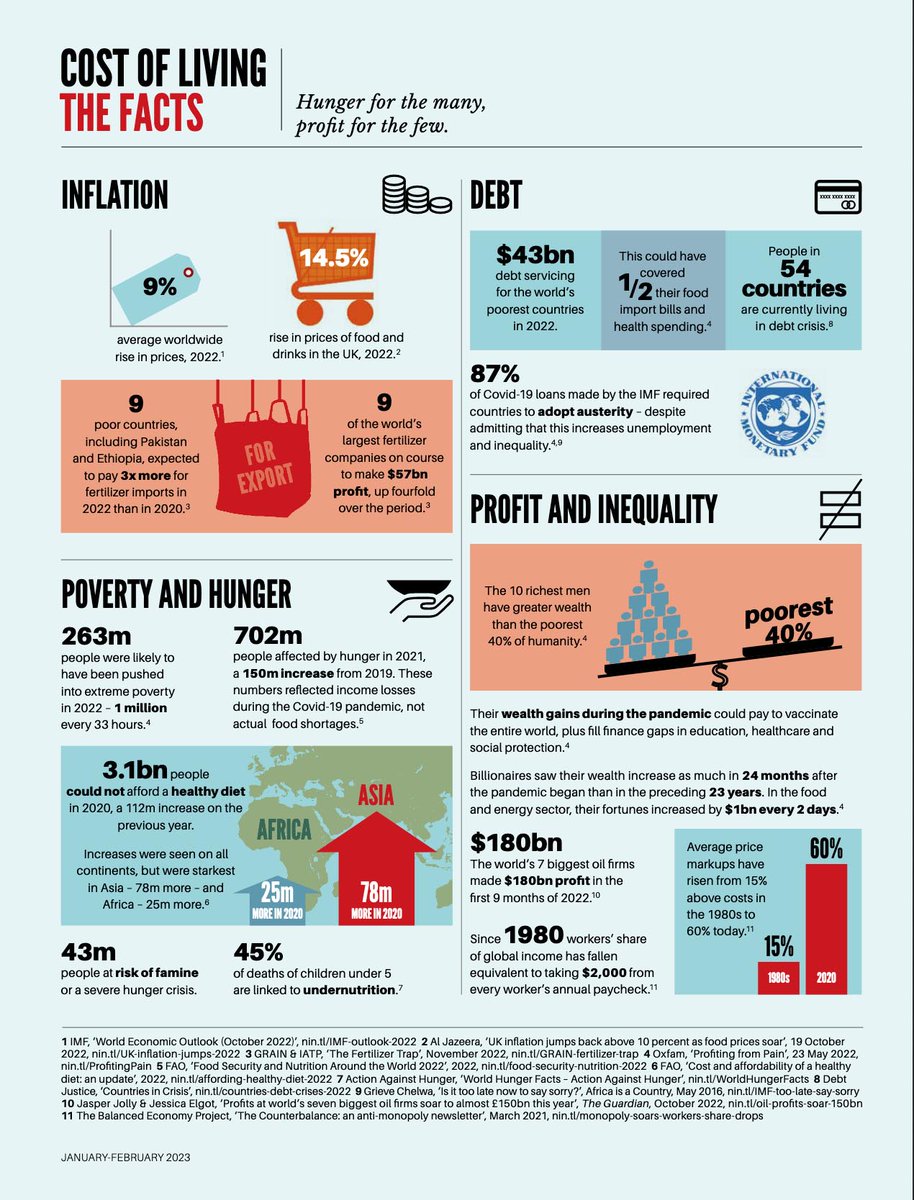
Infographics: The ‘Cost Of Living Crisis’ In 2023 (FAO)
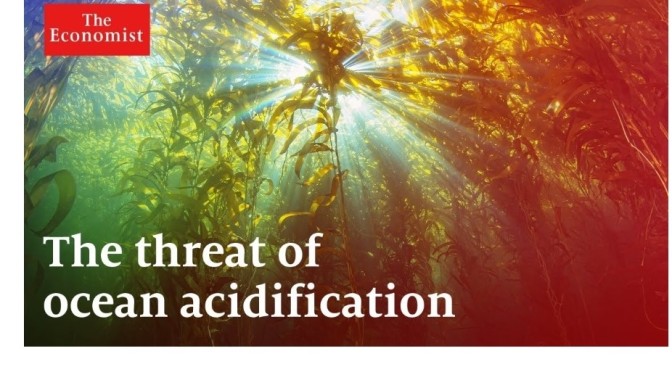
Climate Change: Threats Of Ocean Acidification

Video timeline: 00:00 The other carbon problem 00:50 How does the ocean’s deepest point reveal its past? 02:55 Why are baby oysters dying? 04:08 Is the ocean acidic? 05:21 What is causing ocean acidification? 06:01 Why are corals dissolving? / Will deep sea ecosystems survive? 08:35 A threat to human livelihoods 10:42 What are the ‘potato chips of the sea’? 12:04 What is the solution?
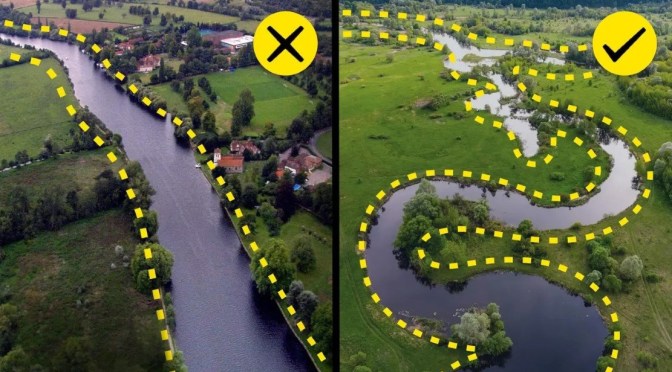
Restoration: How Rivers ‘Should Look’ In Nature

It’s the result of centuries of industrial and agricultural development. And it’s become a problem, exacerbating the impact of both extreme flooding and extreme drought. Josh Toussaint-Strauss looks into how so many rivers ended up this way, and how river restoration is helping to reestablish biodiversity and combat some of the effects of the climate crisis.
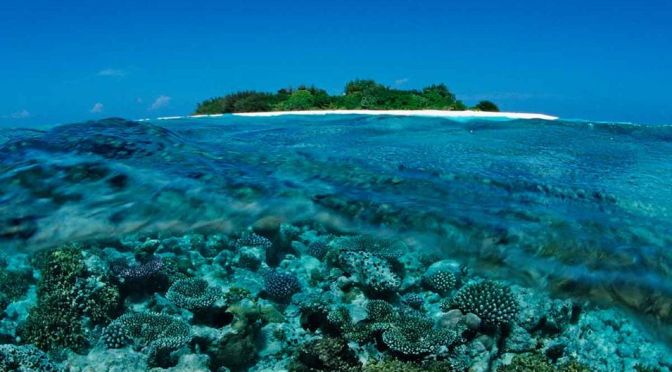
Views: Saving The Maldives From Rising Sea Levels

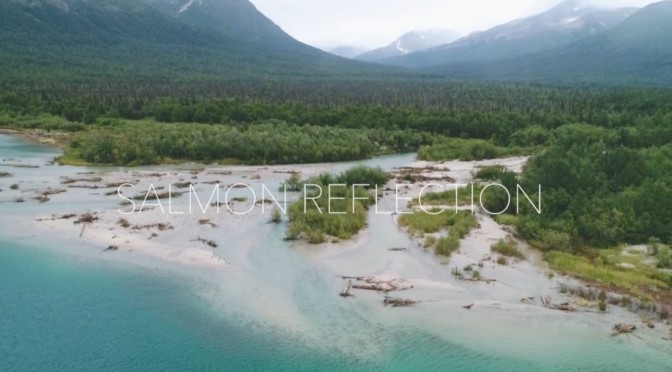
Alaska Views: ‘Salmon Reflection’ (BBC Earth)
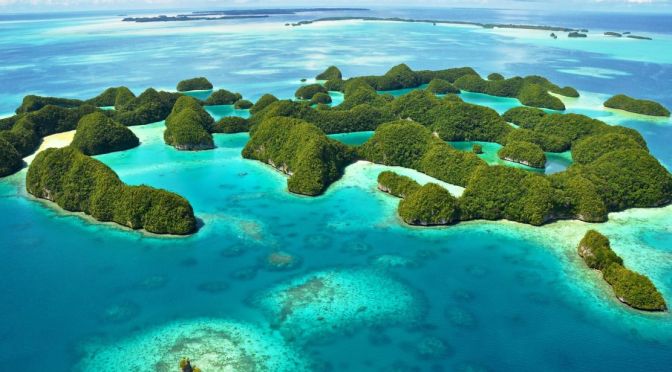
Micronesia Views: Marine Sanctuaries In Palau

Palau is an archipelago of over 500 islands, part of the Micronesia region in the western Pacific Ocean. Koror Island is home to the former capital, also named Koror, and is the islands’ commercial center. The larger Babeldaob has the present capital, Ngerulmud, plus mountains and sandy beaches on its east coast. In its north, ancient basalt monoliths known as Badrulchau lie in grassy fields surrounded by palm trees.
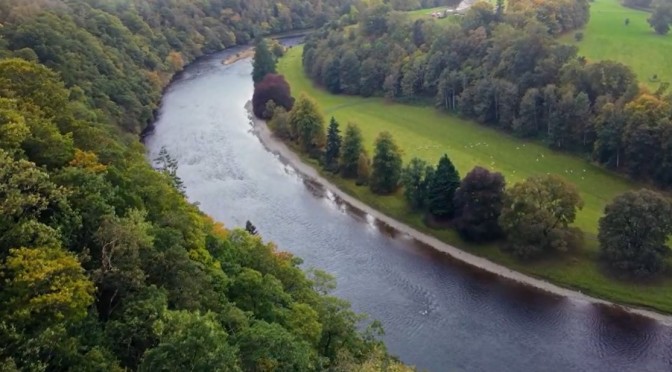
Ecology: Planting Trees To Cool Scotland’s Rivers
the twin climate and biodiversity crises – reducing flooding, improving river health and restoring the ecosystem. We’re working in England, Scotland, Wales and Northern Ireland to plant and restore river woodland for people and wildlife.
In Scotland, this particularly means fish. Salmon, to be exact. Whole upland river catchments devoid of trees are seeing Scotland’s rivers warm to a point that could see salmon disappear in just 20 years. These fish need clean, cold water to thrive, and river woodland is the way to return it to them. The Woodland Trust is working across river catchments to expand native woodland alongside rivers and burns.
Trees provide shade and cover for young salmon and trout, stabilize riverbanks, slow the flow of water downstream and create wildlife corridors. A key part of this work involves working with landowners to plant and restore river woodland on their land, advising on the initial planting and empowering them to monitor their river woods into the future.
 Boomers Daily