
A selection of three essential articles read aloud from the latest issue of The Economist. This week, MBS: despot in the desert, the era of big-tech exceptionalism may be over (49:05), and why it’s OK not to be perfect at work (55:30).
Category Archives: Business
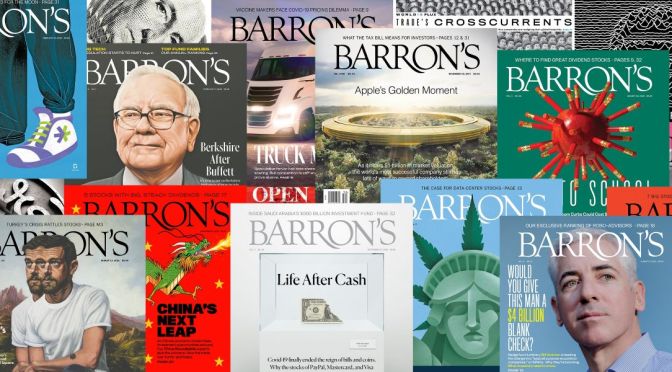
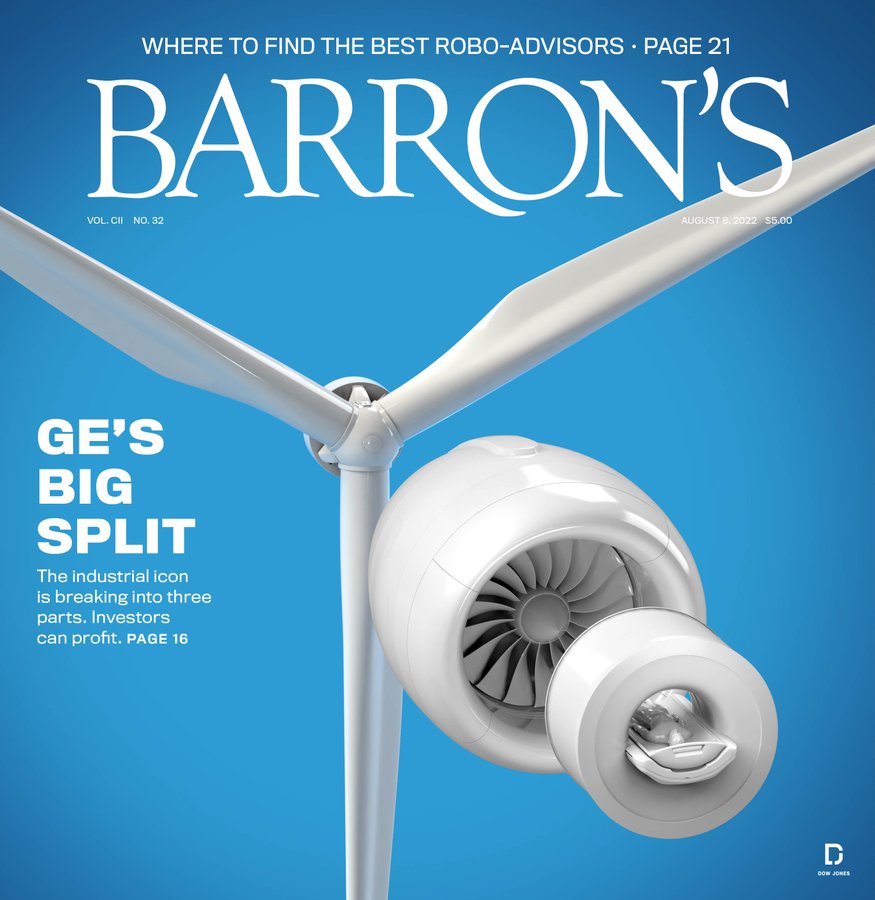
Cover Preview: Barron’s Magazine – August 8, 2022
THE TRADER
July’s Strong Jobs Report Didn’t Crush the Market. What to Look for Next.
Ben Levisohn
UP AND DOWN WALL STREET
Job Boom Means There Is No Recession. It Also Boosts Pressure for Rate Hikes.
Randall W. Forsyth
STREETWISE
The Big Three Wireless Stocks Are Seeing a Growth Surge. We Break Them Down.
Jack Hough
TECHNOLOGY TRADER
Advertising Is Still Going Strong. Apple Wants In.
Eric J. Savitz

World Economic Forum – Stories Of The Week (Aug 5)

Battery Tech: Storing Energy On A Massive Scale
As the planet gets hotter, engineers are racing to find ways to store energy on a massive scale, clearing the way for a transition to renewable electricity.
Cover Preview: Barron’s Magazine – August 1, 2022
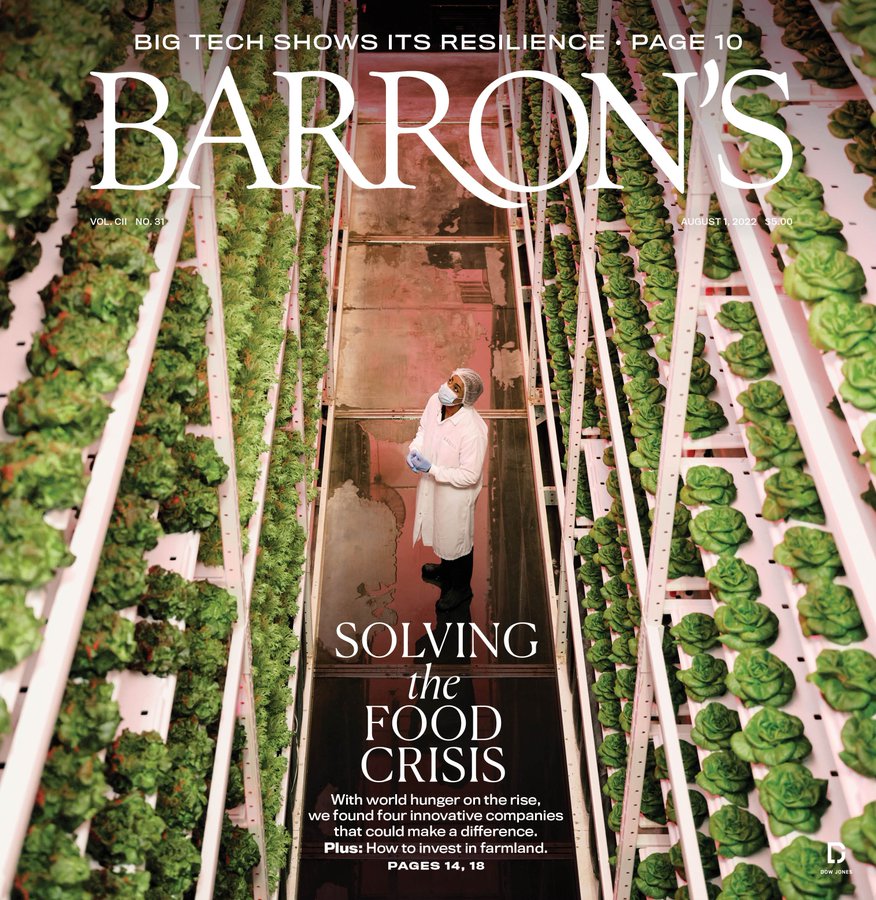
Big Tech’s Reign Isn’t Over Yet
Earnings season has offered a reminder about the value of tech. Why Amazon, Alphabet, and Microsoft remain strong buys.Long read
Future Of Work: Office Design Is Changing Cities
The pandemic and hybrid working have changed the very idea of the office. This is not only changing the design and purpose of offices, but the look of cities too.
Chapters 00:00 – The office: a shifting concept 00:57 – What do future offices look like? 02:30 – The office as a social destination 03:20 – The rising demand for flexible work 04:06 – How should hybrid employees be managed? 06:01 – Will hybrid work worsen gender inequality? 06:36 – How will flexible working reshape cities?

Hydrogen Energy: Can It Lower Industry Emissions?
Heavy industries must decarbonise dramatically to reach net zero. Replacing fossil fuels with green hydrogen, created with renewable energy, is one way to reduce emissions. Examples of green hydrogen being used in various industries are emerging, but as the FT’s Sylvia Pfeifer reports, this carbon-free innovation faces a major challenge to scale up.
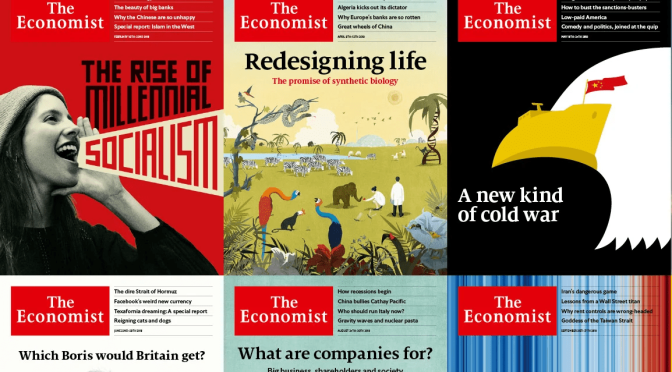
Preview: The Economist Magazine – July 26, 2022
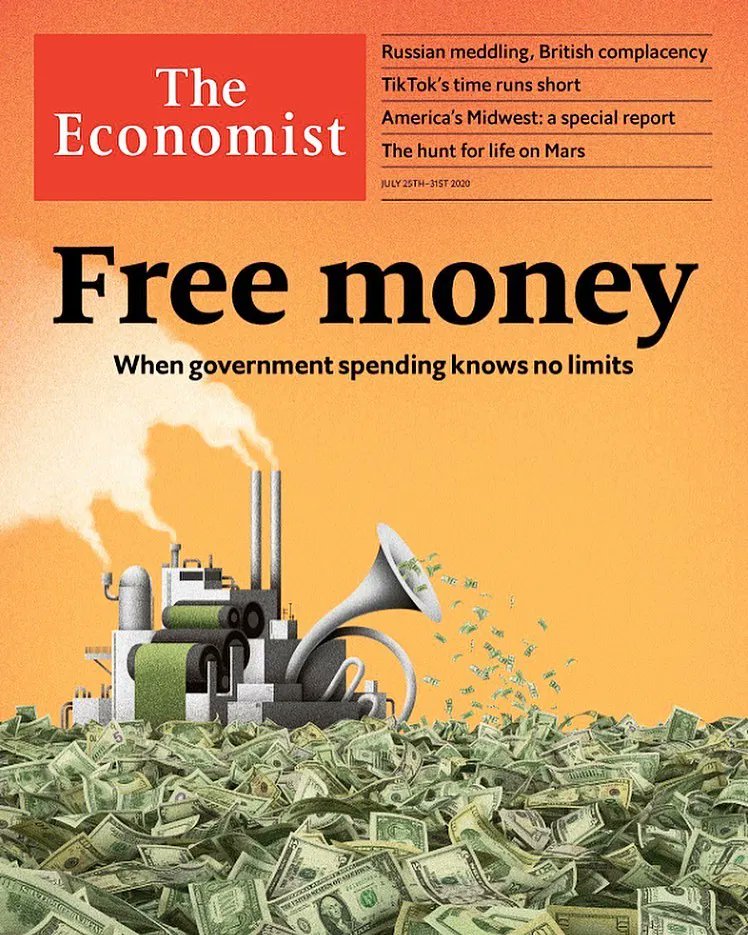
Governments must beware the lure of free money
Budget constraints have gone missing. That presents both danger and opportunity
It is sometimes said that governments wasted the global financial crisis of 2007-09 by failing to rethink economic policy after the dust settled. Nobody will say the same about the covid-19 pandemic. It has led to a desperate scramble to enact policies that only a few months ago were either unimaginable or heretical. A profound shift is now taking place in economics as a result, of the sort that happens only once in a generation. Much as in the 1970s when clubby Keynesianism gave way to Milton Friedman’s austere monetarism, and in the 1990s when central banks were given their independence, so the pandemic marks the start of a new era. Its overriding preoccupation will be exploiting the opportunities and containing the enormous risks that stem from a supersized level of state intervention in the economy and financial markets.
Cover Preview: Barron’s Magazine – July 25, 2022
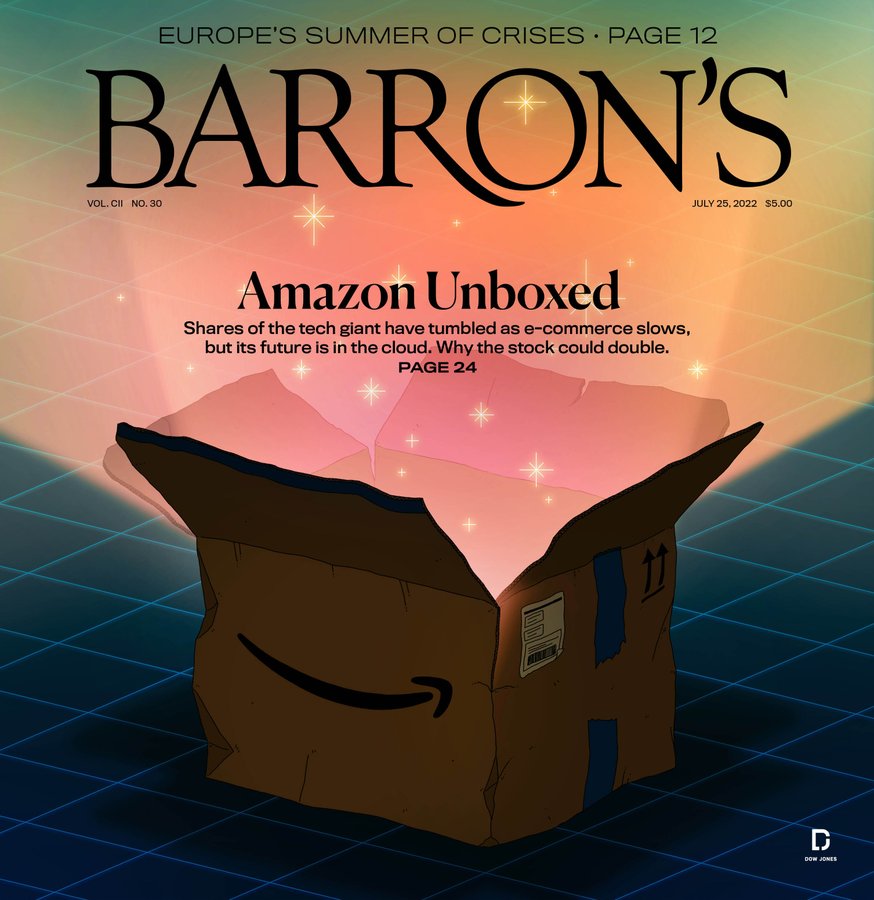
Unboxing Amazon: The Case for the Stock to Double, or More
For investors, it’s time to refocus—Amazon shares have never looked more attractive.
THE TRADER
Is the Stock Market Going Up? It Might Depend on the Definition of Recession.
Ben Levisohn
THE TRADER
Restaurant Stocks Are Finally Coming Back to Life. This One Looks Like a Good Bet.
Ben Levisohn
THE TRADER
Intangibles Are Becoming a Tangible Risk for Stocks
Al Root
UP AND DOWN WALL STREET
The Stock Market Is Entering Its Weakest Months. What to Watch Out For.
Randall W. Forsyth
Preview: The Economist Magazine – July 18, 2022
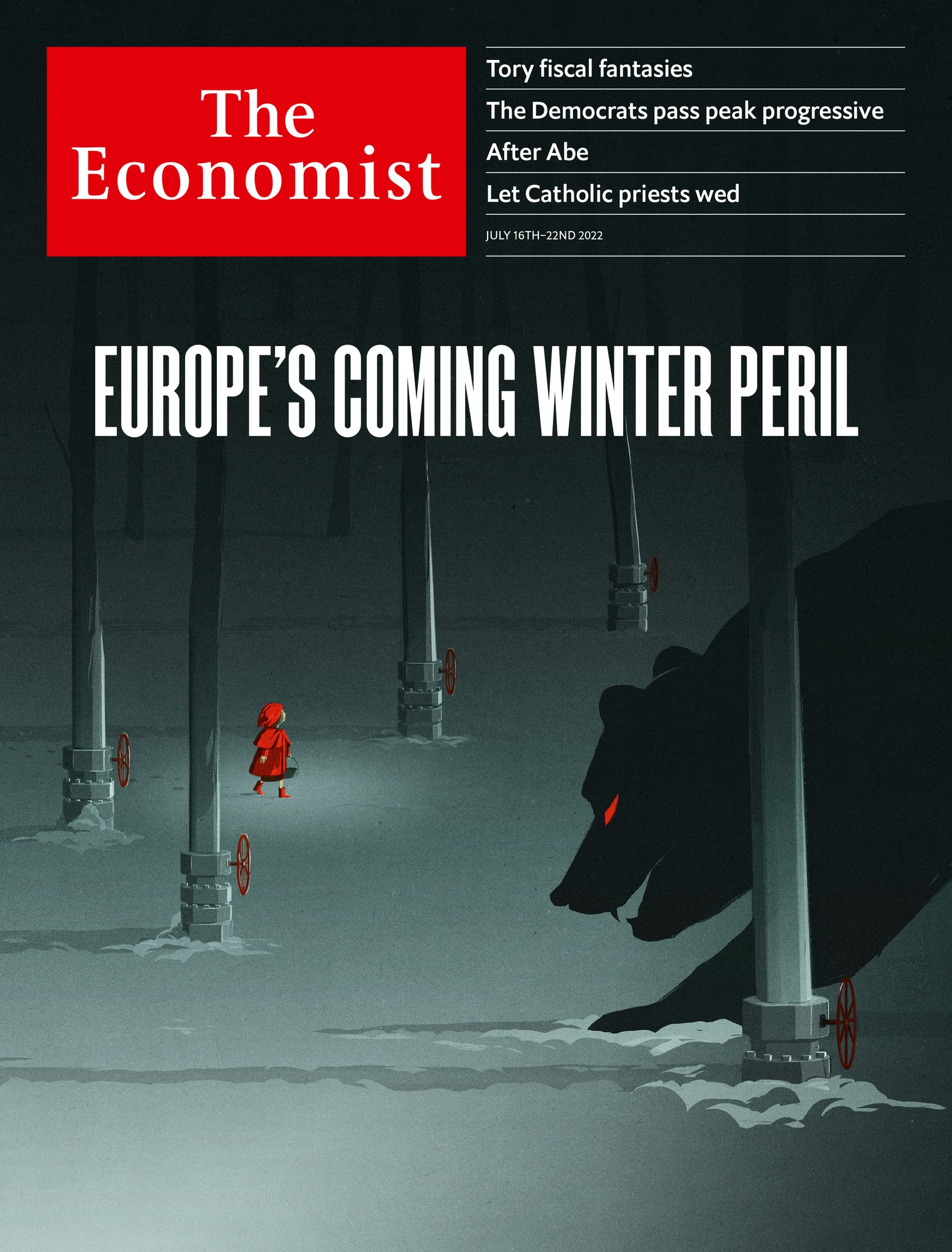
The Economist, July 18, 2022 – Europe’s winter of discontent
Even as temperatures soar Europe faces a bitter energy crisis later this year
There may be a heatwave in Europe, but winter is coming. It promises to be brutal and divisive: the energy crisis is rapidly worsening as Vladimir Putin strangles gas supplies https://econ.st/3aJz3ir
 Boomers Daily