
Category Archives: Books

Arts & Literature: The Top Nine Art Books Of 2022

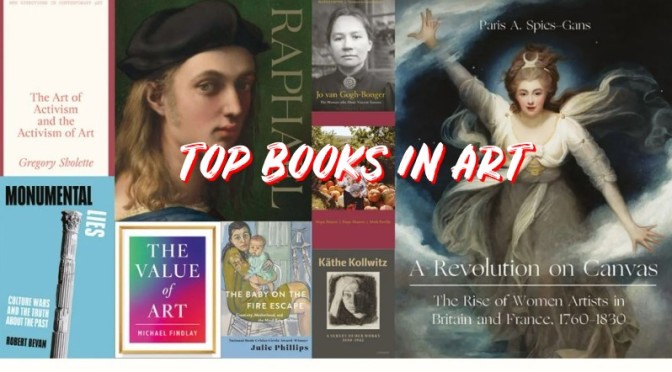
The Art Newspaper (December 6, 2022) – The books team at The Art Newspaper has waded through the piles of art tomes published this year so you don’t have too. Below, each editor has picked three publications that shone through in 2022.

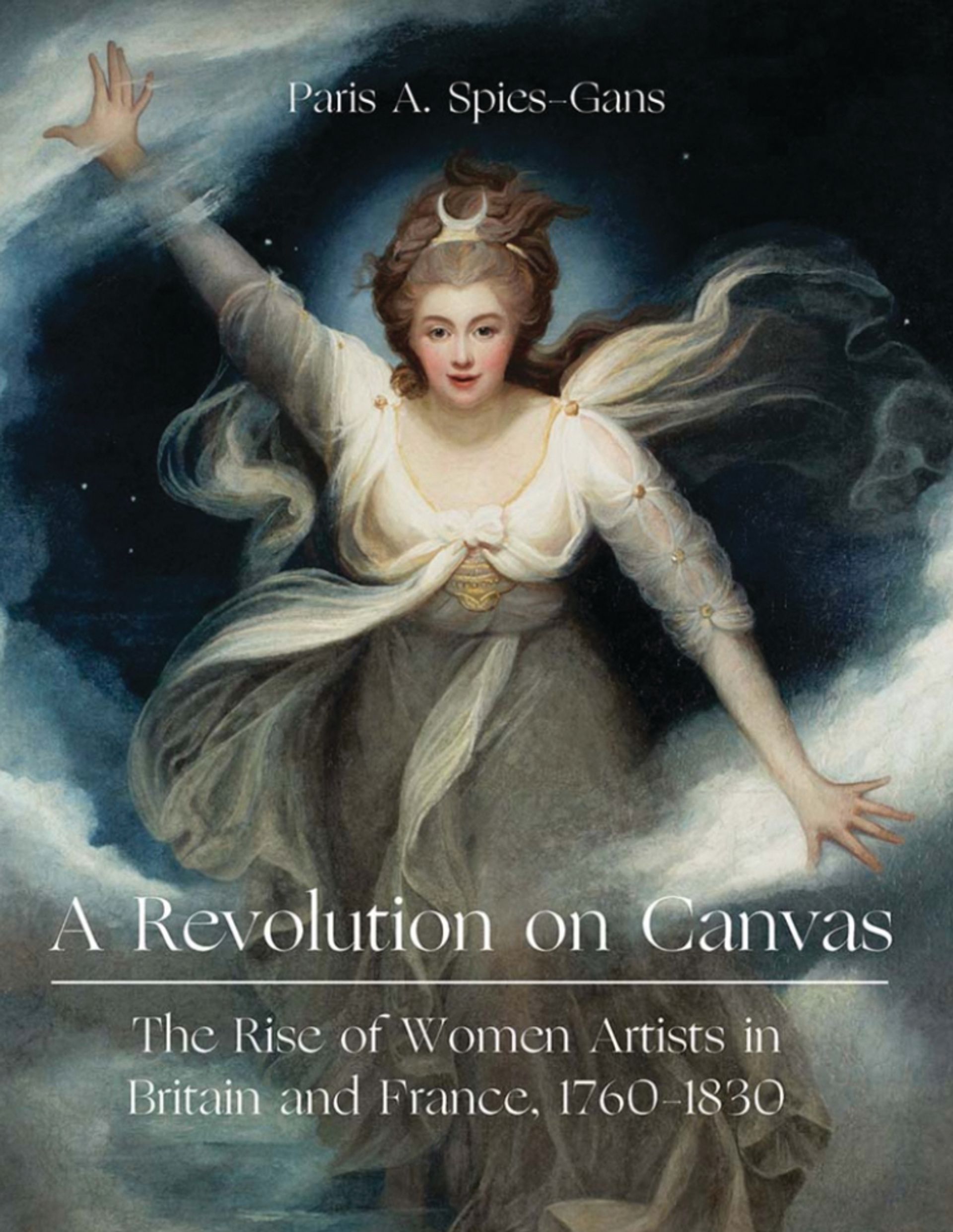
A Revolution on Canvas: The Rise of Women Artists in Britain and France 1760-1830 by Paris A. Spies-Gans (Paul Mellon Centre/Yale)

The miniaturist Sarah Biffen (subject of the excellent Without Hands show at Philip Mould gallery in London, until 12 December, and accompanying publication), born with no arms or legs, was one of many professional women artists to exhibit in major venues in Paris and London between 1760 and 1830, beyond the few currently celebrated (Angelica Kauffman, Élisabeth Vigée Le Brun, etc.), as Spies-Gans’s exhaustive, groundbreaking research reveals in this beautifully produced book.
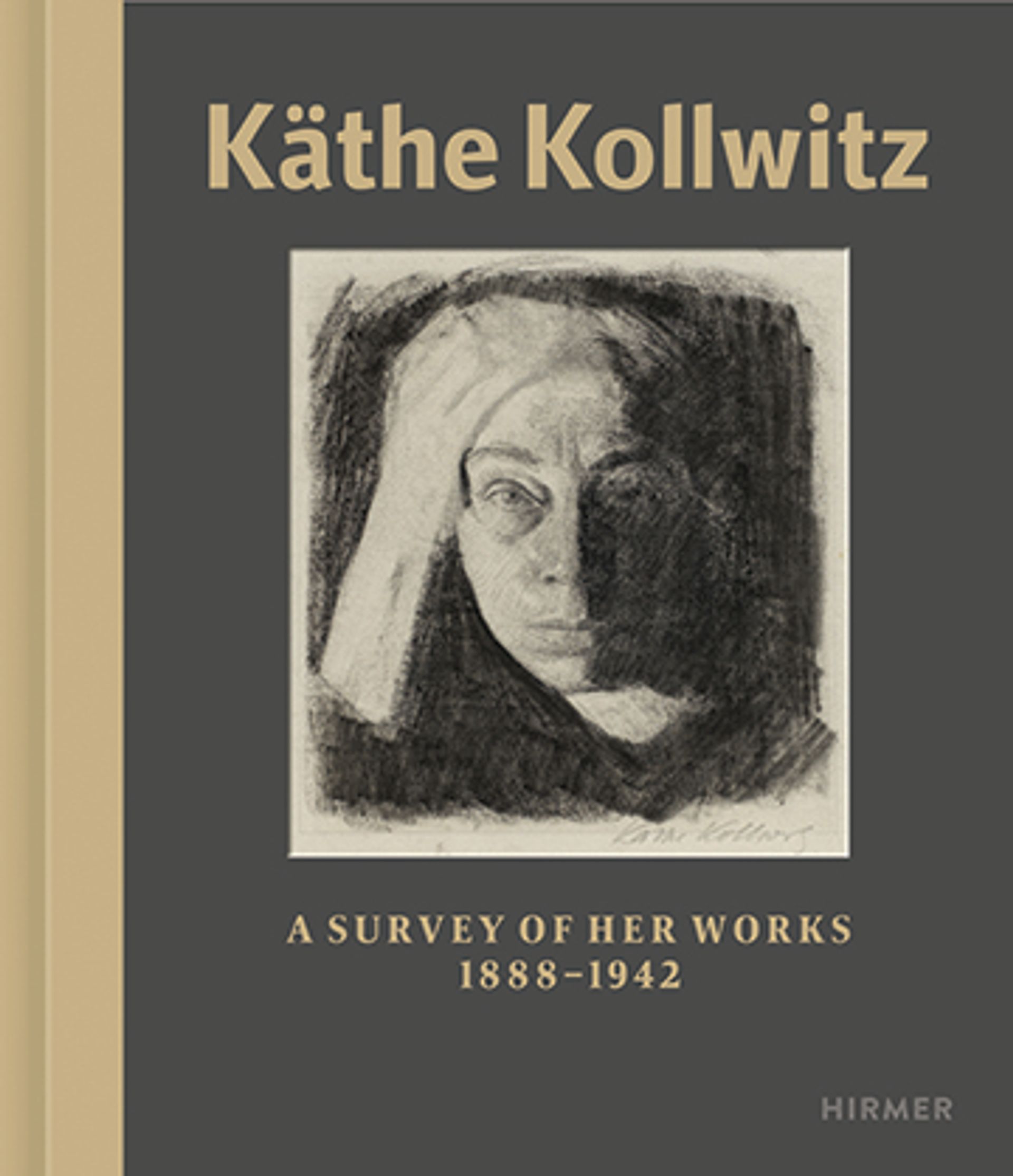
Käthe Kollwitz: A Survey of Her Works 1888-1942, edited by Hannelore Fischer (Hirmer/Käthe Kollwitz Museum)

This year has been a particularly good one for stand-alone publishing on historic and Modern women artists, and women’s significant influence within the international art world—fingers crossed this signals a shift (at last) from niche to mainstream. Honourable mention goes to Lund Humphries’s Illuminating Women Artists series, with two books in the bag (Luisa Roldán and Artemisia Gentileschi) and two more scheduled for 2023 (Elisabetta Sirani and Rosalba Carriera). It was a brutal selection process, but the first of my top three, from the many excellent books we reviewed over the last year, is Fischer’s Käthe Kollwitz. Kollwitz’s brilliance requires no introduction, but this exquisitely illustrated survey, while exploring her many iconic works, draws attention to lesser-known imagery including her subtly erotic subjects.
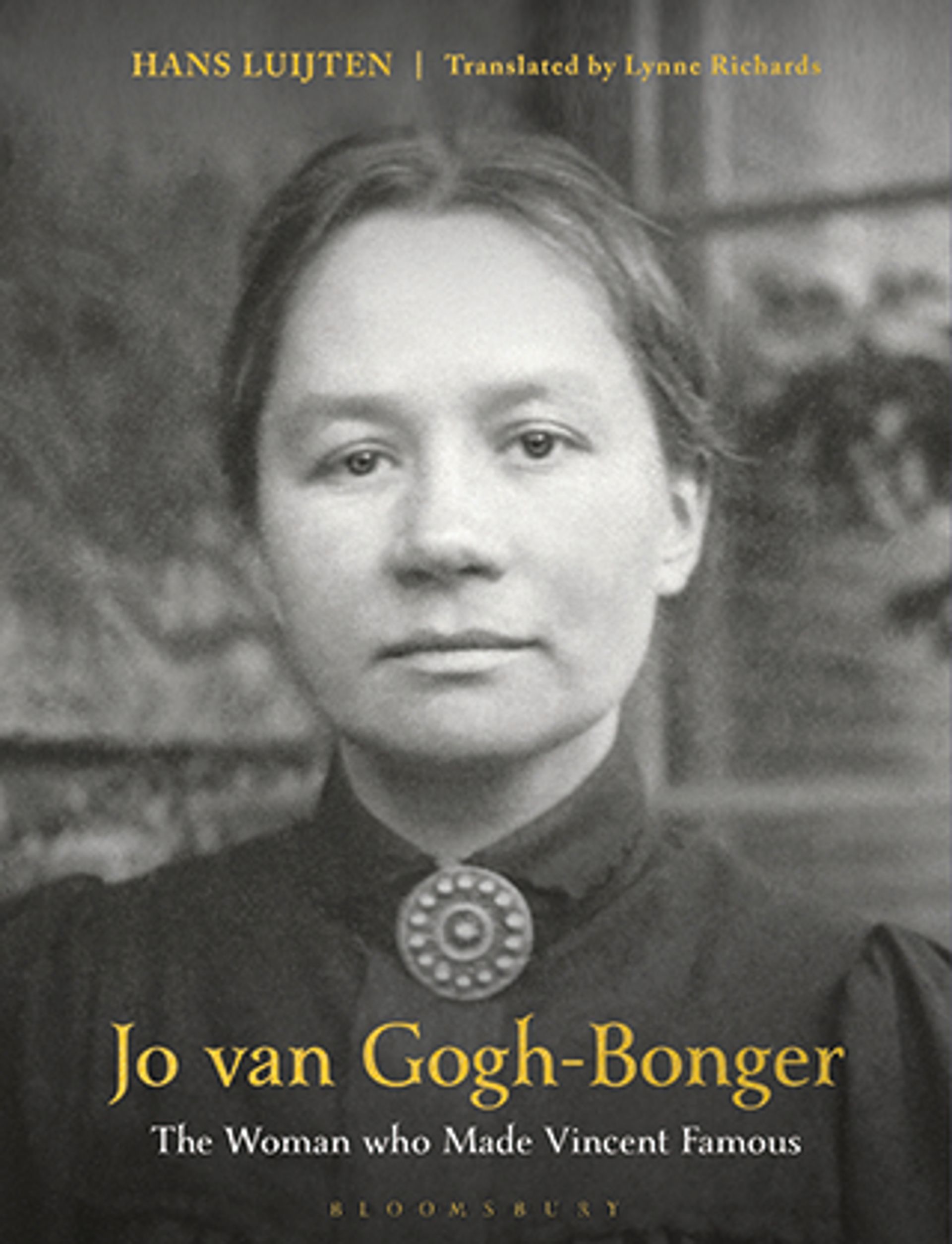
Jo van Gogh-Bonger: The Woman Who Made Vincent Famous by Hans Luijten, translated by Lynne Richards (Bloomsbury)

Chicago University Press’s first English translation of the Parisian art dealer Berthe Weill’s 1933 memoir was pipped to the post by this superb biography of the equally extraordinary Jo van Gogh-Bonger. So much has been written on Vincent van Gogh that you wonder what more can be said. It turns out much more on the woman who was the early driving force behind the Dutch artist’s legacy.

Gareth Harris, book club co-editor and chief contributing editor
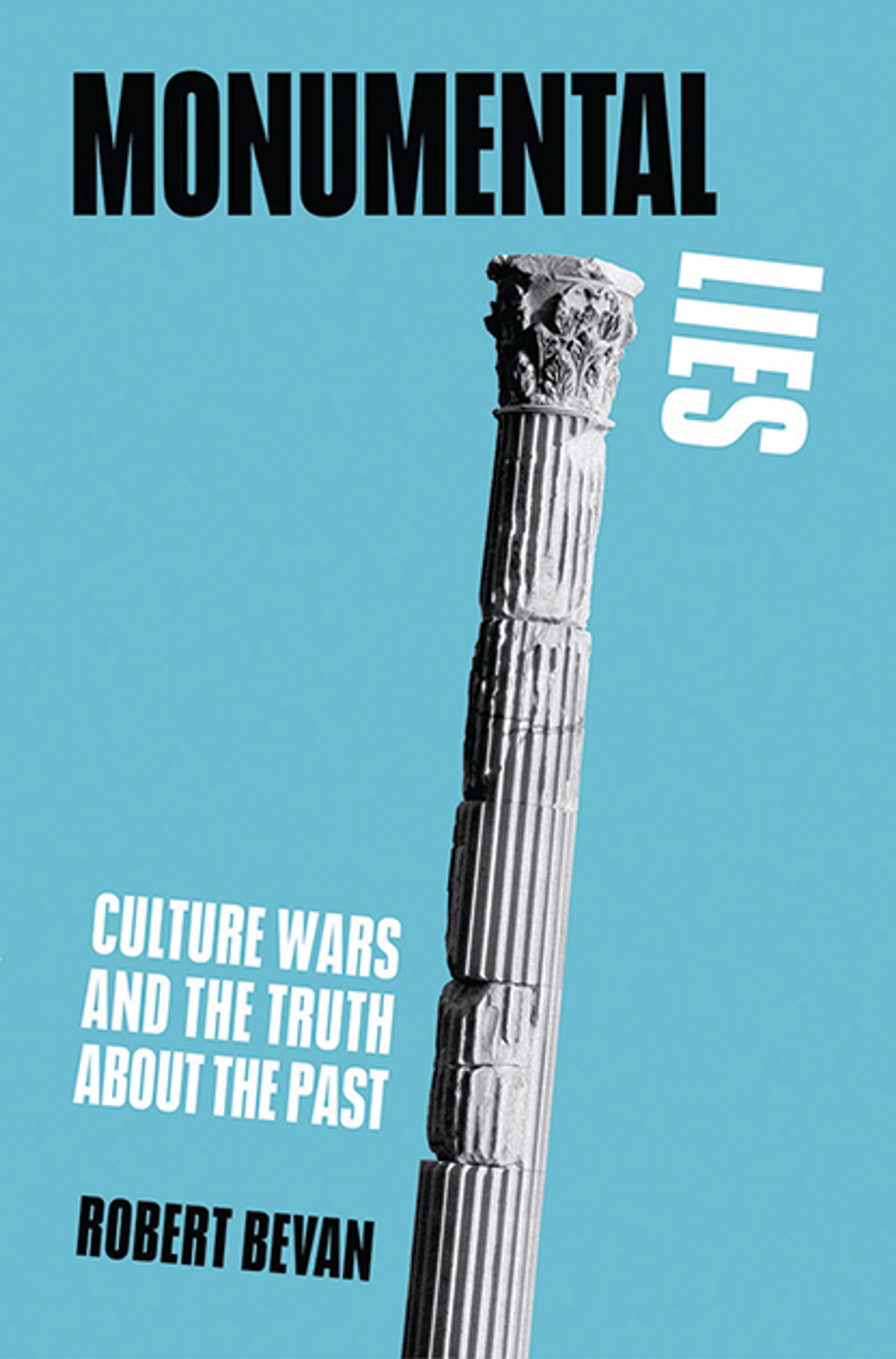
Monumental Lies: Culture Wars and the Truth About the Past by Robert Bevan (Verso)

More and more commentators are making their voices heard in the clamour around today’s so-called “culture wars”, outlining the ideologies behind the destruction of, for instance, historic statues. Bevan astutely argues that those who manipulate our cultural past are shaping our future, making the case that historic buildings have become battlegrounds for right-wing and nationalist political arguments. Interestingly, he also questions the authority of Unesco. In one of many polemics, he says: “At the same time as its role in protecting culture has become suffocated by national interests, Unesco now appears to operate on the premise that any wartime damage should be undone.”
The Value of Art by Michael Findlay (Prestel)

This updated version of The Value of Art, first published in 2012, features important new material, focusing on, for instance, the rise of NFTs. Findlay asks, “where are the NFT art critics?… there is little discourse on the relative aesthetic qualities of the images themselves”. He also has strong opinions on “protest art”, saying: “In very broad terms, artists represent the protesting class while collectors represent the museum trustee class, and while the cultural ecosystem needs both, on issues of social justice they are often on different sides of the barricades.”
The Art of Activism and the Activism of Art by Gregory Sholette (Lund Humphries)

As a key member of the activist group Gulf Labor Coalition, Gregory Sholette has a unique perspective. Sholette examines this fascinating subject “from the perspective of an artist and activist who has been active in the field since the 1980s,” writes the art historian Marcus Verhagen in the introduction. This informed analysis spans more than 60 years of art activism, from the Situationist International group of social revolutionaries (1957-72), which directly engaged with the student uprisings in Paris in May 1968, to Black Lives Matter today, which has “unquestionably set a new high bar for protest aesthetics”, Sholette says.


José da Silva, book club co-editor and exhibitions editor
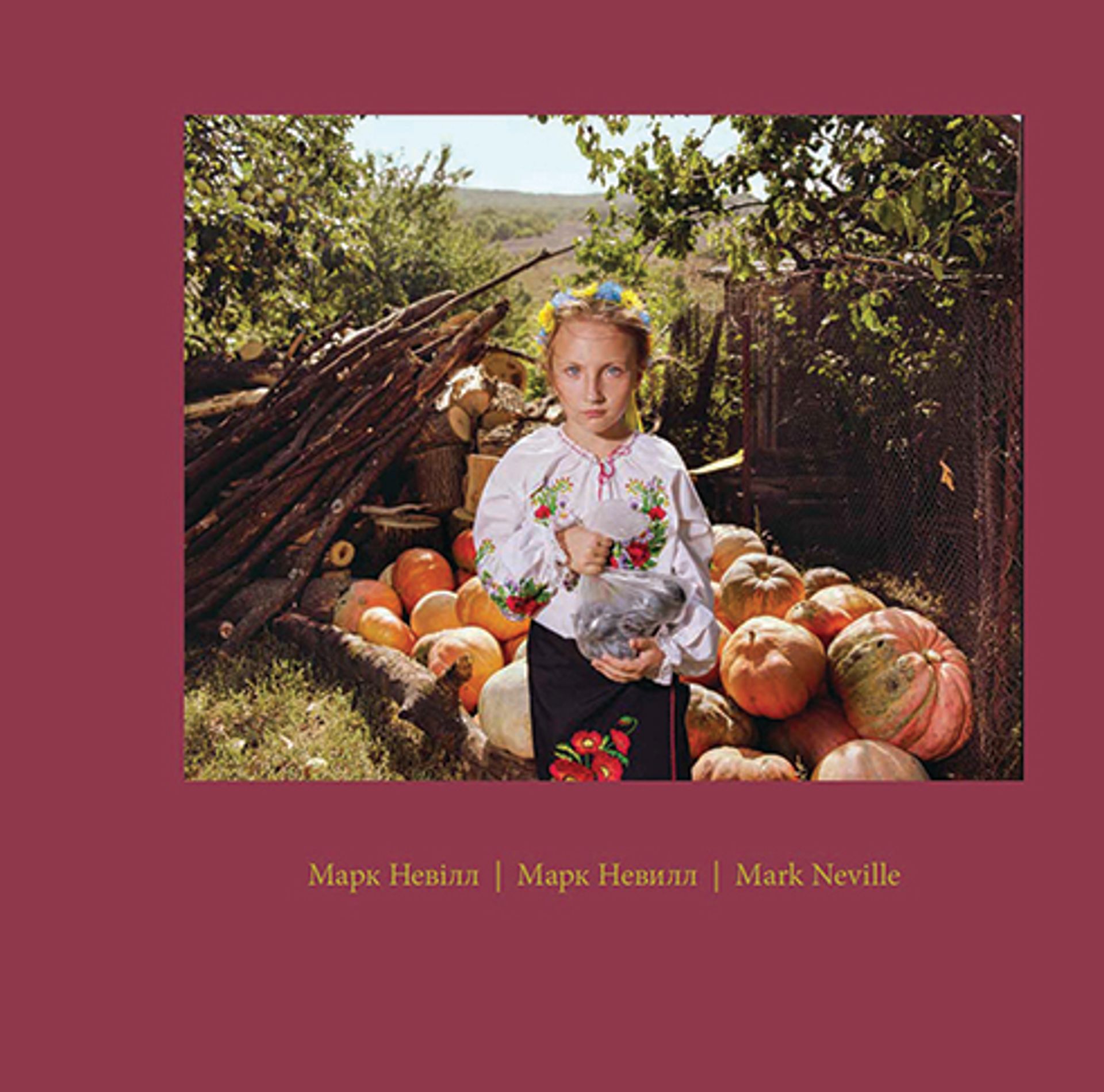
Stop Tanks With Books by Mark Neville (Nazraeli Press)

Neville’s photobook of Ukrainian life before Russia’s invasion in February is both a call to arms—the photographer sent 750 free copies to influential people who might “have it in their power to help Ukraine”—and a stark reminder that Ukraine was already at war in its east, as depicted in the photographs of soldiers manning trenches and checkpoints. However, it is the tender portraits of everyday life—people at the beach, in school, at a rave, eating ice cream—that really bring home the tragedy that has unfolded in Ukraine.
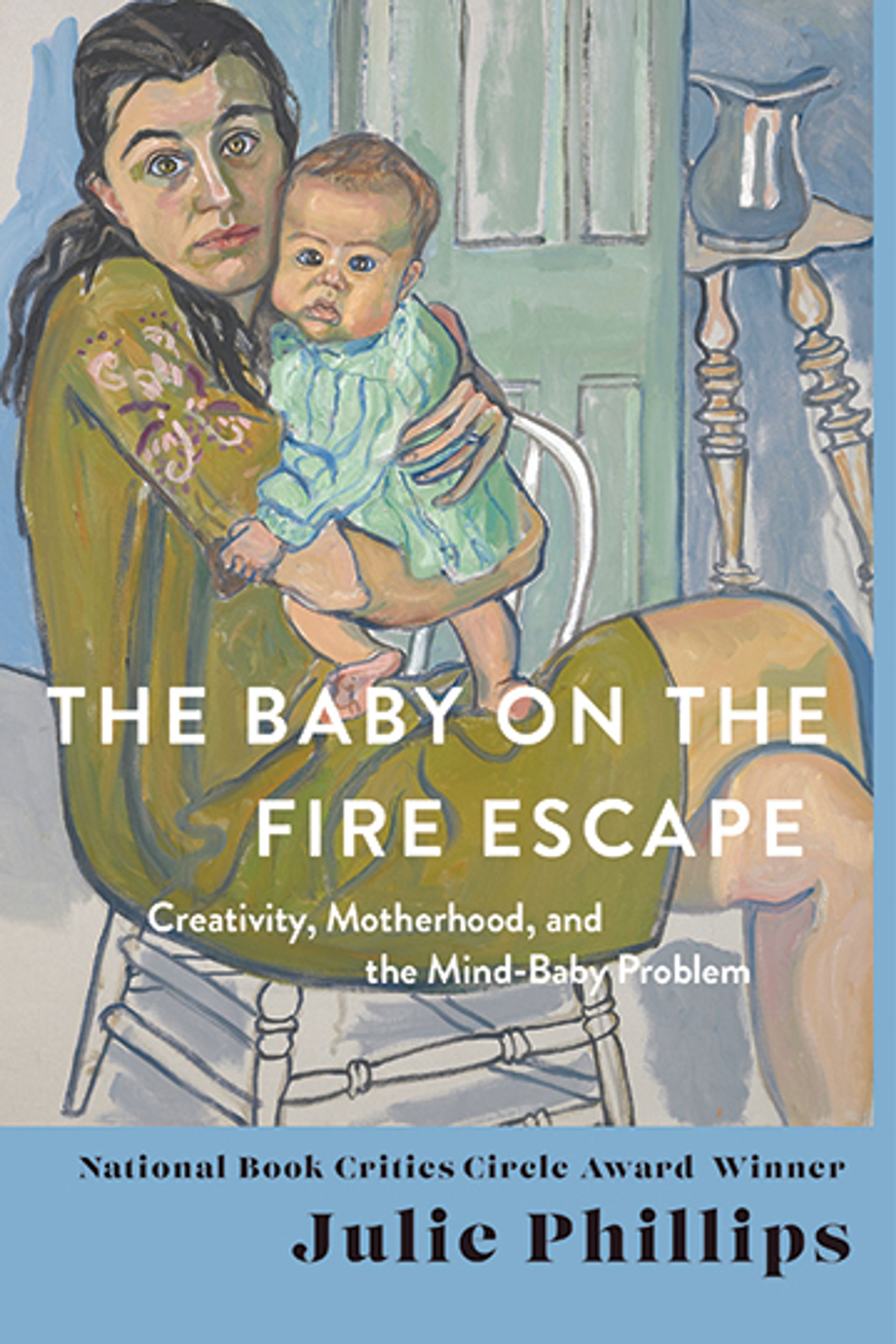
The Baby on the Fire Escape: Creativity, Motherhood and the Mind-Baby Problem by Julie Phillips (W. W. Norton & Company)

While most of the case studies in this book are from the literary world, the opening section on Alice Neel is a searing account of the complexities of balancing (or not) being a mother and an artist—and the often heavy price women pay. Neel, for example, can sometimes come across as brutal and uncaring, but these labels would rarely be used to describe an artist father in the same situation. Neel said that for much of her life she felt she “didn’t have the right to paint because I had two sons”. The book explores the difficult issues around the subject with no judgment and or neat conclusions—and is all the richer for it.
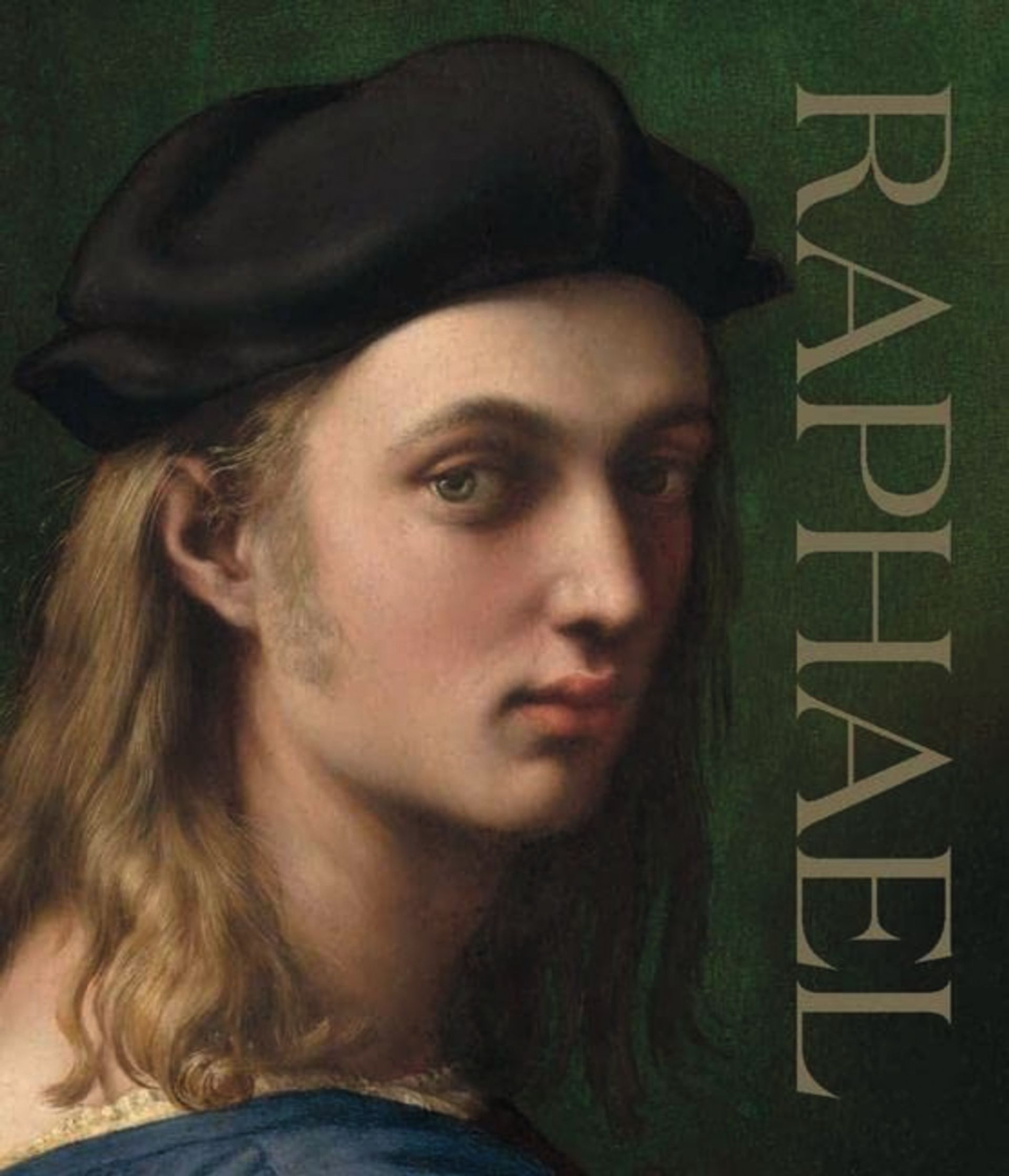
Raphael by David Ekserdjian, Tom Henry et al. (National Gallery Global Ltd)

If you missed the standout Raphael show at London’s National Gallery earlier this year, its catalogue is the next best thing. The rich imagery and texts make it the perfect coffee table book for art history buffs to dip into over the holiday season. There are also tasty titbits to tell the family over Christmas lunch, such as the belief that the Vatican’s foundations began cracking at news of Raphael’s death. Or when Munich’s Alte Pinakothek sold Raphael’s masterpiece Bindo Altoviti because it was believed at the time to have been painted by his assistant Giulio Romano, to buy what turned out to be a discredited Matthias Grünewald…
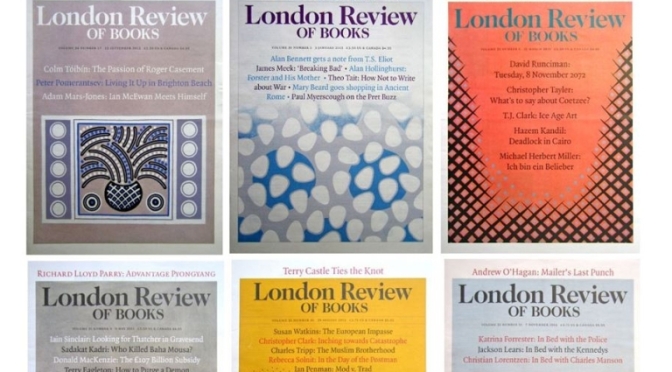
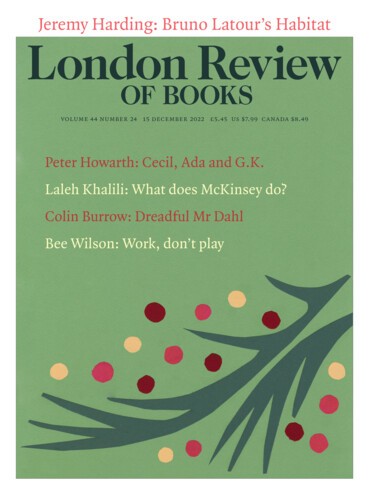
Books: London Review Of Books – December 15, 2022

Laleh Khalili · LRB

London Review of Books (LRB) – December 15, 2022:

In Clover: What does McKinsey do?

When McKinsey Comes to Town: The Hidden Influence of the World’s Most Powerful Consulting Firm by Walt Bogdanich and Michael Forsythe.

The primary product sold by all management consultants – both software developers and strategic organisers – is the theology of capital. This holds that workers are expendable. They can be replaced by machines, or by harder-working employees grateful they weren’t let go in the last round of redundancies. Managers are necessary to the functioning of corporations – or universities, or non-profit organisations – and the more of them the better.

Down among the Press Lords

Writing about the press by Andrew O’Hagan, Ross McKibbin, Jenny Diski, James Meek, Suzanne Moore, Mary-Kay Wilmers, Alan Rusbridger, Thomas Nagel and Raymond Williams.

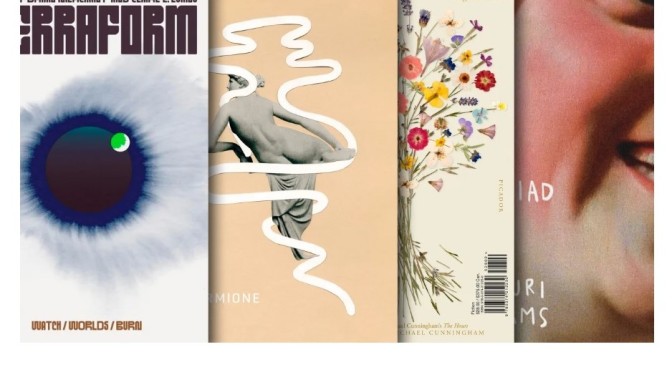
Art & Design Reviews: The Best Book Covers Of 2022

Fast Company Magazine (December 5, 2022) – The best book covers of 2022 as chosen by the best designers in publishing.

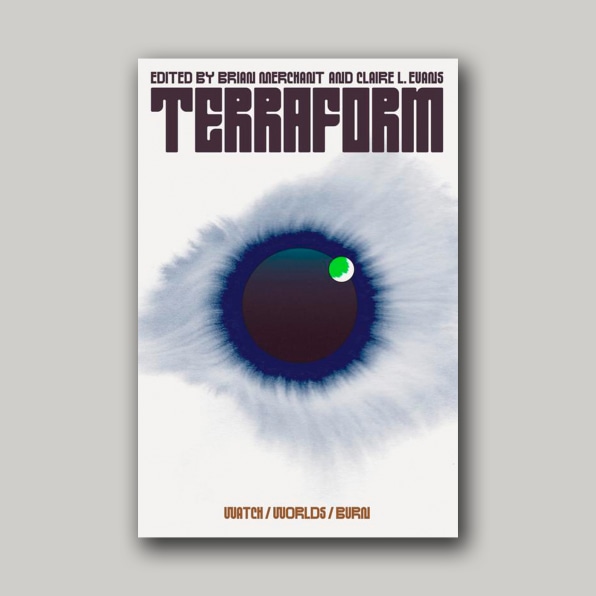
[Cover Image: MCD x FSG Originals]

TERRAFORM, DESIGNED BY CHLOE SCHEFFE

Selected by Alicia Tatone

“This cover feels simultaneously classic and entirely new. It’s slightly reminiscent of 1970s science fiction covers (albeit much more restrained), and yet I’ve never seen anything quite like it. That custom type! That illustration! Is it a world? An eye? Something else? All of the above? As a reader, I don’t typically gravitate toward sci-fi, but this cover is so compelling that it made me immediately want to buy the book.”

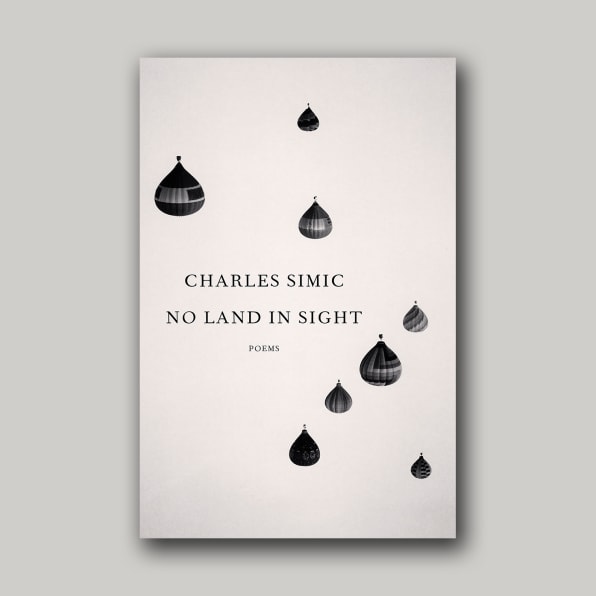
[Cover Image: Knopf]

NO LAND IN SIGHT, DESIGNED BY JOHN GALL

Selected by Henry Sene Yee

“There were so many eye-catching covers this year, but the one that constantly stood out for me because of its stunning simplicity, beauty and mystery was designed by John Gall: No Land in Sight. In a sea of gorgeous covers exploding with kaleidoscopic colorful backgrounds, with elements twisting and intertwining, with the title and author type set in sans-serif condensed fonts, Gall’s cover was refreshing for its clean layout, tasteful typography, elements that are balanced and non-overlapping, in an austere monochromatic palette. Timeless.”

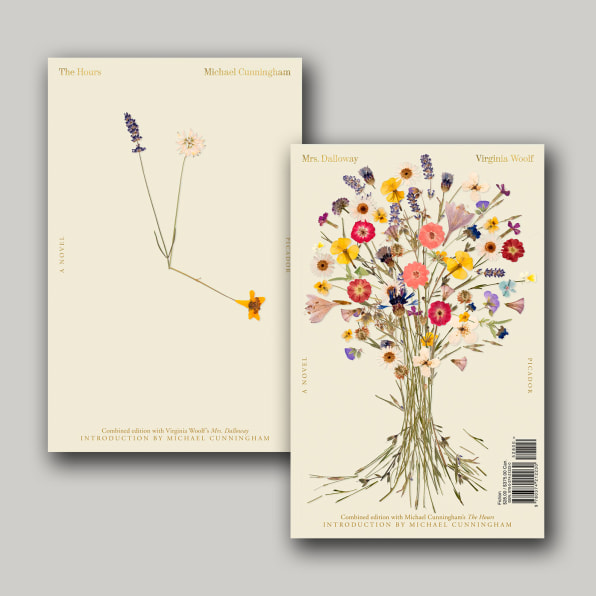
[Cover Images: Picador]

MRS. DALLOWAY & THE HOURS, DESIGNED BY PABLO DELCAN

Selected by Grace Han

“The whole package is stunning and smart—words I use a lot to describe Pablo Delcan’s works. The covers evoke introspectiveness and intimacy in such a beautiful way. Everything from the type to the flower placement feels considered and intentional. I love how both sides mirror and work with each other visually and conceptually.”

The best book covers of 2022

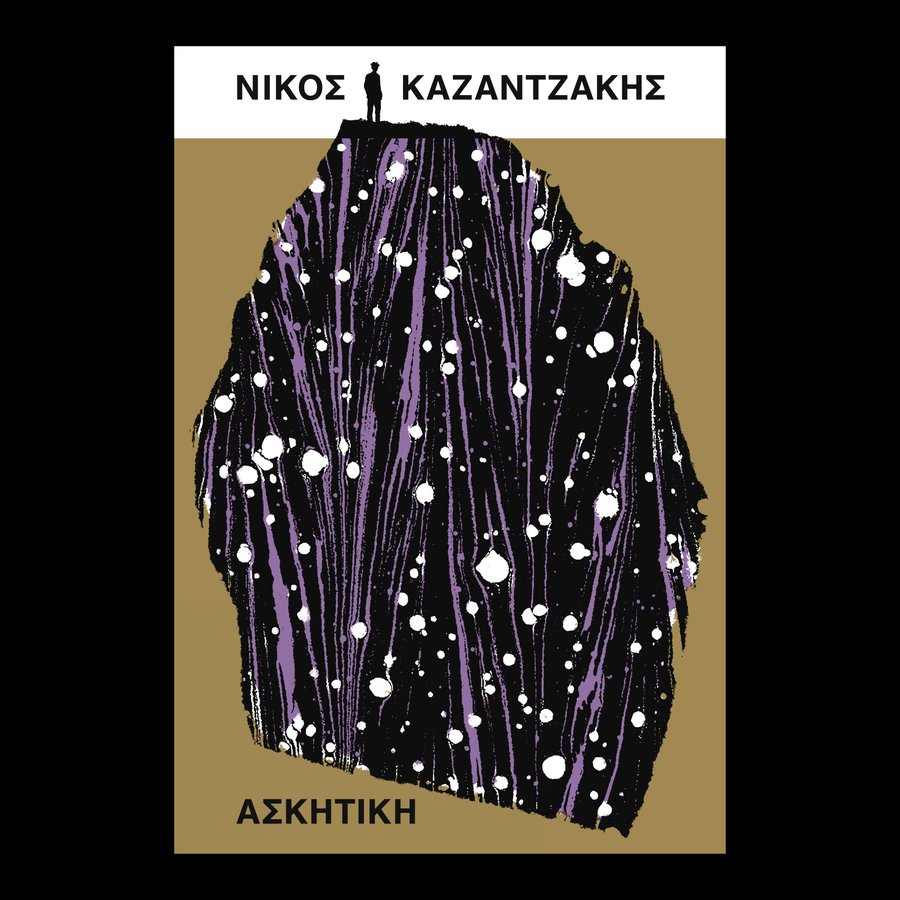
ASCESIS, DESIGNED BY DAVID PEARSON

Selected by Jack Smyth

“This cover is a feast of dualities: both a figurative scene and an abstract texture; a figure seen far off in the distance and a marbled paper viewed at almost 1:1 in scale; a formal, rigid, block colored layout, and a big, expressive interruption in the middle. The slightly muted colors are so refreshing, especially in a year when we’re reaching peak ‘pop,’ and David shows us here that you don’t need neon Pantones or massive type to create a big, bold, absorbing cover. I love that the type is almost pushed to the peripheries by the sprawl of the illustration, as if it’s something that’s happened over centuries; it makes everything feel massive in scale. Also, the silhouette of the figure is from a photo of the author, which is a perfect Pearson point of detail! There are worlds existing in this book cover, and I find it very easy to get lost in them.”

Books: The New York Times Book Review – Dec 4, 2022

The New York Times Book Review - December 4, 2022 | Magazine PDF

@nytimesbooks – December 4, 2022 issue:

Books to Give This Season

CREDITROZALINA BURKOVA

Whether you’re looking for thrillers or romances, historical fiction or travel books, let us help.

How a Good Book Became the ‘Richest’ of Holiday Gifts

As Christmas came to be celebrated in the home, choosing the right volume was a way to show intimate understanding of the person opening the package.

How Well Do You Know the New York City of the Beats?

Here are five questions to test your knowledge of the Beat Generation in the Big Apple.

Wheels, Waves and Wings

Books about exploring the world by bike, by car, by boat or by plane, passport in hand.

Reviews: Best Crime And Thriller Books Of 2022

The Guardian (December 3, 2022)-

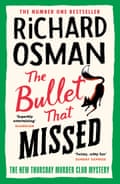
The Bullet That Missed by Richard Osman 9780241512425

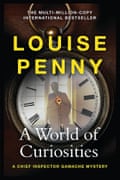
Given the relentlessly grim nature of the news this year, it’s hardly surprising that escapism in the form of cosy crime continues to challenge traditional crime/thriller bestsellers, with Richard Osman’s third Thursday Murder Club mystery, The Bullet That Missed (Viking), riding high in the charts. The last 12 months have seen a bumper crop of excellent books at the cosy end of the spectrum, from Ajay Chowdhury’s second crime novel, The Cook (Harvill Secker), set against the backdrop of an east London curry house, to veteran Canadian author Louise Penny’s 18th Armand Gamache novel, A World of Curiosities (Hodder & Stoughton).

A World of Curiosities by Louise Penny

Inventiveness appears to be on the rise, too. Janice Hallett’s second novel, The Twyford Code (Viper), told in transcribed audio files retrieved from an iPhone, succeeds in being fiendishly clever and very moving. Authors such as Gillian McAllister, whose Wrong Place Wrong Time (Michael Joseph) is an ingeniously plotted murder mystery in which time travels backwards, and Gabino Iglesias, whose high-octane southern noir thriller The Devil Takes You Home (Wildfire) has supernatural elements, are also giving the genre a welcome shot in the arm. Others have approached familiar tropes from new angles: the main character in CS Robertson’s The Undiscovered Deaths of Grace McGill (Hodder & Stoughton) is not a cop but a “death cleaner”.

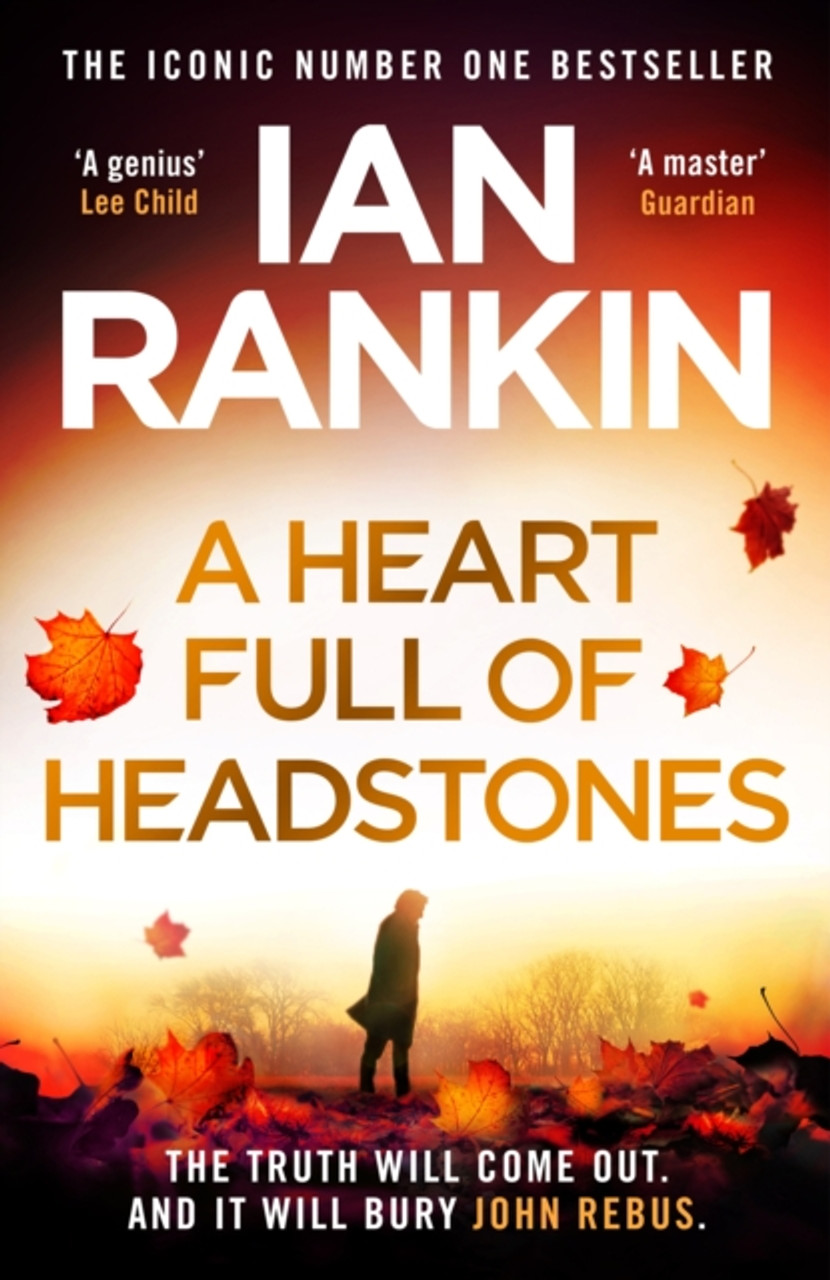
A Heart Full of Headstones 9781398709355

Recent revelations have meant that the British public’s growing distrust of the police is very much a part of the UK’s permacrisis. Ian Rankin, creator of maverick cop John Rebus, commented recently that there are “big questions” for authors who write police procedurals. “In the current state of the world, how can you write about a police officer and make them the goody, when we look around us and see that so often the police are not the goodies?” In his latest Rebus novel, the splendid A Heart Full of Headstones (Orion), an officer who has been charged with domestic violence tries to make a deal by stitching up dodgy colleagues.

The year has been punctuated by the collective groans of crime fiction critics as the results of yet another male celebrity’s lockdown diversion landed on their doormats (presumably the female celebrities were too busy home schooling). The most impressive of these is Frankie Boyle’s Meantime (John Murray): set in Glasgow during the aftermath of the 2014 referendum on Scottish independence, it’s both funny and moving.

More Than You'll Ever Know 9780241529980 Hardback

There have been plenty of excellent non-celebrity debuts. Standouts include Patrick Worrall’s complex spy thriller The Partisan (Transworld); Conner Habib’s Hawk Mountain (Transworld), a paranoid and unsettling tale of masculinity in crisis; and Wake (Hodder & Stoughton), Australian newcomer Shelley Burr’s sensitive exploration of the aftermath of trauma in a parched outback town. Katie Gutierrez’s More Than You’ll Ever Know (Michael Joseph) is an intelligent and nuanced examination of the complicated relationship between a true-crime writer and her subject, a female bigamist. And The Maid by Nita Prose (HarperCollins) will have you rooting for its titular heroine, neurodivergent Molly, as she finds herself caught up in a web of deception at the fancy Regency Grand Hotel.

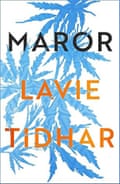
Maror by Lavie Tidhar

There have been strong additions to other long-running and well-loved police series, such as Give Unto Others (Hutchinson Heinemann), the 31st novel to feature Donna Leon’s Commissario Brunetti, and The Murder Book (Little, Brown), 18th outing for Mark Billingham’s Tom Thorne. More recent additions to the police procedural canon include Elly Griffith’s DI Harbinder Kaur, who had her third outing in Bleeding Heart Yard (Quercus), and Alan Parks’s shambolic, mid-70s Glaswegian detective Harry McCoy, who had his fifth in May God Forgive (Canongate). Maror by Lavie Tidhar (Apollo), an epic, multi-generational thriller set in Israel, with an enigmatic cop at its centre, is also well worth the read.

Highlights in historical crime include Blue Water (Viper) by Leonora Nattrass, a shipboard thriller set in 1794, and The Lost Man of Bombay (Hodder & Stoughton), the third in Vaseem Khan’s excellent series set in post-partition India. Alternative history has been well served by the thoroughly chilling Queen High (Quercus), CJ Carey’s sequel to last year’s superb Widowland, which imagines a postwar Britain under Nazi rule.

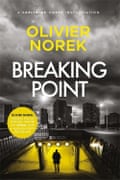
Breaking Point by Olivier Norek (MacLehose)

Although translated crime fiction seems thinner on the ground at the moment, the quality is high: standouts include Olivier Norek’s impressive policier Breaking Point (MacLehose, translated from French by Nick Caister) and Antti Tuomainen’s delightfully funny The Moose Paradox (Orenda, translated from Finnish by David Hackston). All in all, the genre seems in good shape: a broader church, less formulaic and more exciting.

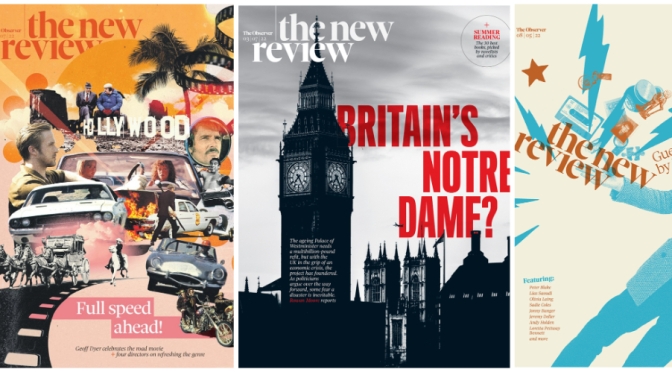
Culture: The New Review Magazine – Dec 4, 2022

Image

@ObsNewReview – December 4, 2022 issue:

American photographer Nan Goldin on conquering her opioid addiction and taking on the Sackler dynasty Interview by Sean O’Hagan.

On my radar: @davidshrigley

What broke Made.com? by @ameliargh

Does religious faith lead to a happier life? By @d_a_robson

Q&A with @aj_vasan by @AmmarKalia2

And our critics on the week’s arts highlights

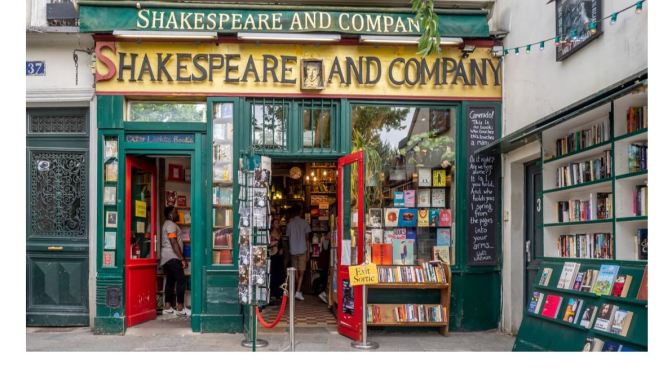
Shakespeare & Company: ‘The Hunchback Of Notre Dame’ Special 2022 Edition

@Shakespeare_Co Podcast, December 2, 2022: The Hunchback of Notre-Dame Special Podcast! To celebrate our exclusive S&Co edition of The Hunchback of Notre-Dame, Adam is joined by Krista Halverson, S&Co Publishing Director, and artist @neiljgower to discuss this classic of French literature.

Image

Penguin Classics UK

Books: Literary Review UK Magazine – December 2022

Image

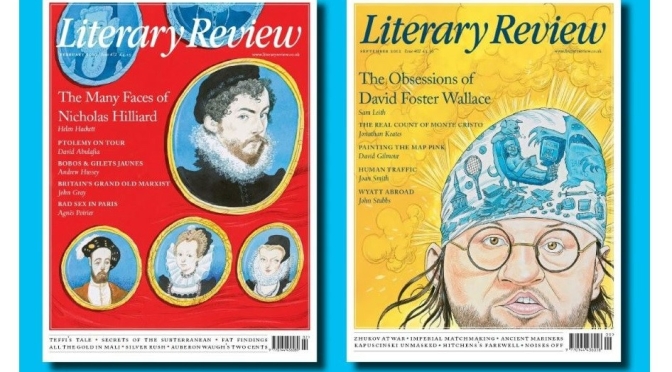
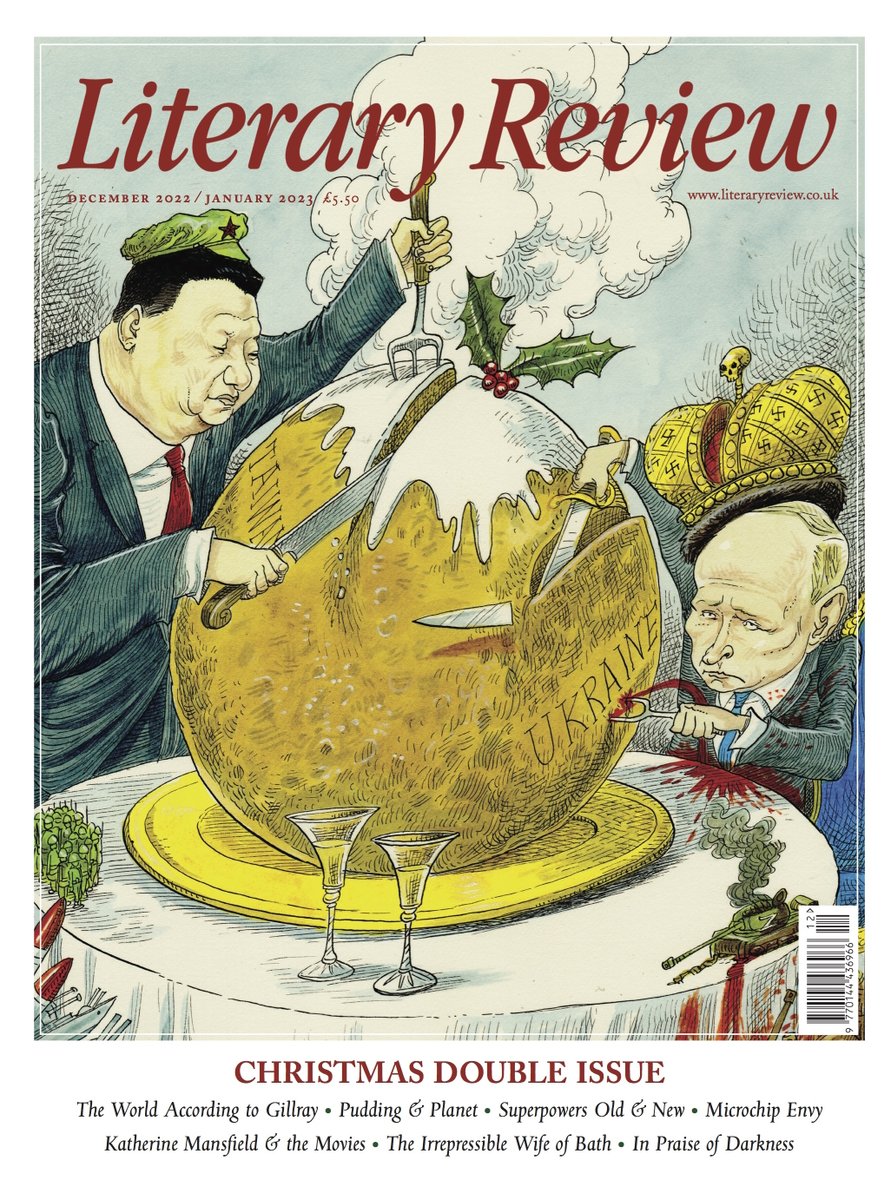
Literary Review – December 2022/January 2023:

DIARY

JOANNA KAVENNA  – Happiness is a Cold Fjord

ART

Prince of Caricatura – James Gillray: A Revolution in Satire By Tim Clayton

Artist Before a Mirror – Picasso: The Self-Portraits By Pascal Bonafoux

Oils and Water – Looking to Sea: Britain Through the Eyes of Its Artists By Lily Le Brun

Stairways to Heaven – Hilma af Klint: A Biography By Julia Voss (Translated from German by Anne Posten)

LITERARY LIVES

CAROLYNE LARRINGTON I Have Wedded Fyve!The Wife of Bath: A BiographyBy Marion TurnerNORMA CLARKE Sense & InsolvencySister Novelists: The Trailblazing Porter Sisters, Who Paved the Way for Austen and the BrontësBy Devoney LooserLRRICHARD DAVENPORT-HINES Yours Chastely, TomThe Hyacinth Girl: T S Eliot’s Hidden MuseBy Lyndall GordonMary & Mr Eliot: A Sort of Love StoryBy Mary Trevelyan & Erica Wagner

Reviews: New York Times ’10 Best Books Of 2022′

NOVEMBER 29, 2022

The staff of The New York Times Book Review choose the year’s standout fiction and nonfiction.

You don’t need to have read Egan’s Pulitzer-winning “A Visit From the Goon Squad” to jump feet first into this much-anticipated sequel. But for lovers of the 2010 book’s prematurely nostalgic New Yorkers, cerebral beauty and laser-sharp take on modernity, “The Candy House” is like coming home — albeit to dystopia. This time around, Egan’s characters are variously the creators and prisoners of a universe in which, through the wonders of technology, people can access their entire memory banks and use the contents as social media currency. The result is a glorious, hideous fun house that feels more familiar than sci-fi, all rendered with Egan’s signature inventive confidence and — perhaps most impressive of all — heart. “The Candy House” is of its moment, with all that implies.

Read the review | Buy from local booksellers | Buy from Amazon | Buy from Barnes & Noble

Bennett, a British writer who makes her home in Ireland, first leaped onto the scene with her 2015 debut novel, “Pond.” Her second book contains all of the first’s linguistic artistry and dark wit, but it is even more exhilarating. “Checkout 19,” ostensibly the story of a young woman falling in love with language in a working-class town outside London, has an unusual setting: the human mind — a brilliant, surprising, weird and very funny one. All the words one might use to describe this book — experimental, autofictional, surrealist — fail to convey the sheer pleasure of “Checkout 19.” You’ll come away dazed, delighted, reminded of just how much fun reading can be, eager to share it with people in your lives. It’s a love letter to books, and an argument for them, too.

Read the review | Buy from local booksellers | Buy from Amazon | Buy from Barnes & Noble

Kingsolver’s powerful new novel, a close retelling of Charles Dickens’s “David Copperfield” set in contemporary Appalachia, gallops through issues including childhood poverty, opioid addiction and rural dispossession even as its larger focus remains squarely on the question of how an artist’s consciousness is formed. Like Dickens, Kingsolver is unblushingly political and works on a sprawling scale, animating her pages with an abundance of charm and the presence of seemingly every creeping thing that has ever crept upon the earth.

Read the review | Buy from local booksellers | Buy from Amazon | Buy from Barnes & Noble

After losing her brother when she was 12, one of the narrators of Serpell’s second novel keeps coming across men who resemble him as she works through her trauma long into adulthood. She enters an intimate relationship with one of them, who’s also haunted by his past. This richly layered book explores the nature of grief, how it can stretch or compress time, reshape memories and make us dream up alternate realities. “I don’t want to tell you what happened,” the narrator says. “I want to tell you how it felt.”

Read the review | Buy from local booksellers | Buy from Amazon | Buy from Barnes & Noble

Diaz uncovers the secrets of an American fortune in the early 20th century, detailing the dizzying rise of a New York financier and the enigmatic talents of his wife. Each of the novel’s four parts, which are told from different perspectives, redirects the narrative (and upends readers’ expectations) while paying tribute to literary titans from Henry James to Jorge Luis Borges. Whose version of events can we trust? Diaz’s spotlight on stories behind stories seeks out the dark workings behind capitalism, as well as the uncredited figures behind the so-called Great Men of history. It’s an exhilarating pursuit.

Read the review | Buy from local booksellers | Buy from Amazon | Buy from Barnes & Noble


Yong certainly gave himself a formidable task with this book — getting humans to step outside their “sensory bubble” and consider how nonhuman animals experience the world. But the enormous difficulty of making sense of senses we do not have is a reminder that each one of us has a purchase on only a sliver of reality. Yong is a terrific storyteller, and there are plenty of surprising animal facts to keep this book moving toward its profound conclusion: The breadth of this immense world should make us recognize how small we really are.

Read the review | Buy from local booksellers | Buy from Amazon | Buy from Barnes & Noble

In this quietly wrenching memoir, Hsu recalls starting out at Berkeley in the mid-1990s as a watchful music snob, fastidiously curating his tastes and mercilessly judging the tastes of others. Then he met Ken, a Japanese American frat boy. Their friendship was intense, but brief. Less than three years later, Ken would be killed in a carjacking. Hsu traces the course of their relationship — one that seemed improbable at first but eventually became a fixture in his life, a trellis along which both young men could stretch and grow.

Read the review | Buy from local booksellers | Buy from Amazon | Buy from Barnes & Noble

In this rich and nuanced book, Aviv writes about people in extreme mental distress, beginning with her own experience of being told she had anorexia when she was 6 years old. That personal history made her especially attuned to how stories can clarify as well as distort what a person is going through. This isn’t an anti-psychiatry book — Aviv is too aware of the specifics of any situation to succumb to anything so sweeping. What she does is hold space for empathy and uncertainty, exploring a multiplicity of stories instead of jumping at the impulse to explain them away.

Read the review | Buy from local booksellers | Buy from Amazon | Buy from Barnes & Noble

Through case histories as well as independent reporting, Villarosa’s remarkable third book elegantly traces the effects of the legacy of slavery — and the doctrine of anti-Blackness that sprang up to philosophically justify it — on Black health: reproductive, environmental, mental and more. Beginning with a long personal history of her awakening to these structural inequalities, the journalist repositions various narratives about race and medicine — the soaring Black maternal mortality rates; the rise of heart disease and hypertension; the oft-repeated dictum that Black people reject psychological therapy — as evidence not of Black inferiority, but of racism in the health care system.

Read the review | Buy from local booksellers | Buy from Amazon | Buy from Barnes & Noble

O’Toole, a prolific essayist and critic, calls this inventive narrative “a personal history of modern Ireland” — an ambitious project, but one he pulls off with élan. Charting six decades of Irish history against his own life, O’Toole manages to both deftly illustrate a country in drastic flux, and include a sly, self-deprecating biography that infuses his sociology with humor and pathos. You’ll be educated, yes — about increasing secularism, the Celtic tiger, human rights — but you’ll also be wildly, uproariously entertained by a gifted raconteur at the height of his powers.

Read the review | Buy from local booksellers | Buy from Amazon | Buy from Barnes & Noble

Previews: Times Literary Supplement – Dec 2, 2022

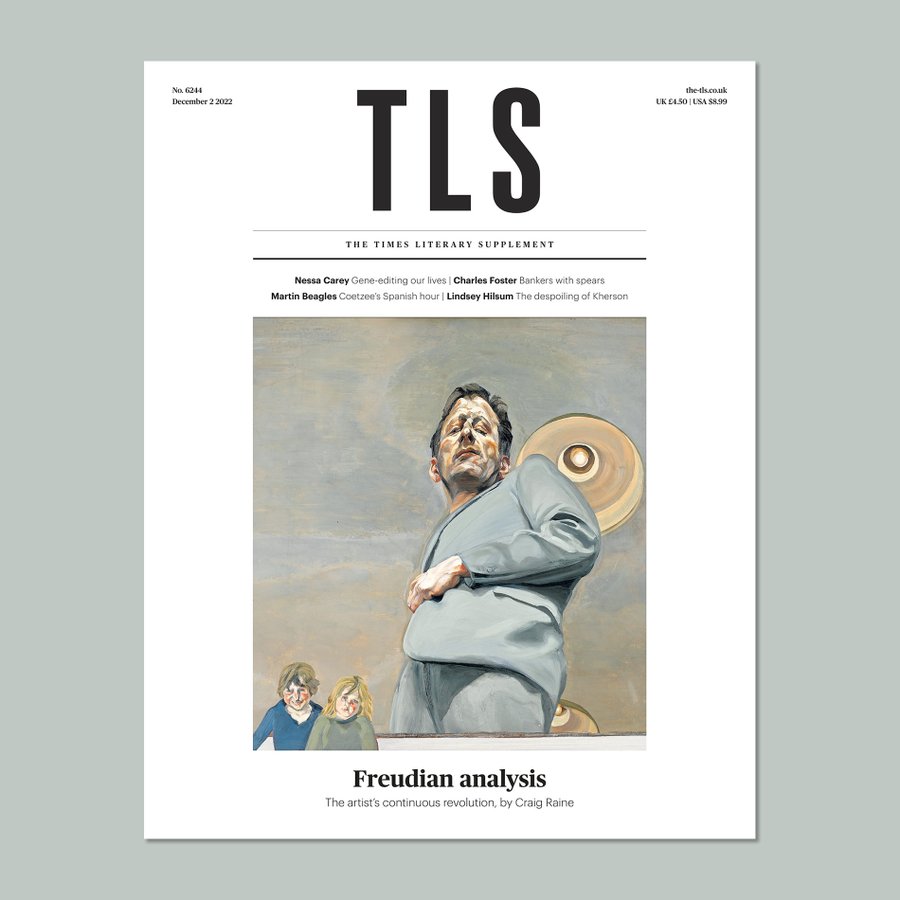
Image

Times Literary Supplement @TheTLS December 2, 2022 issue features Craig Raine on Lucian Freud; @NessaCarey on genetic engineering; @AnaAliciaGarza on vagrancy; @lindseyhilsum on the sacking of the Kherson Art Museum; @irinibus on gluttony; poems by @ColeHenri and Hugo Williams – and more.