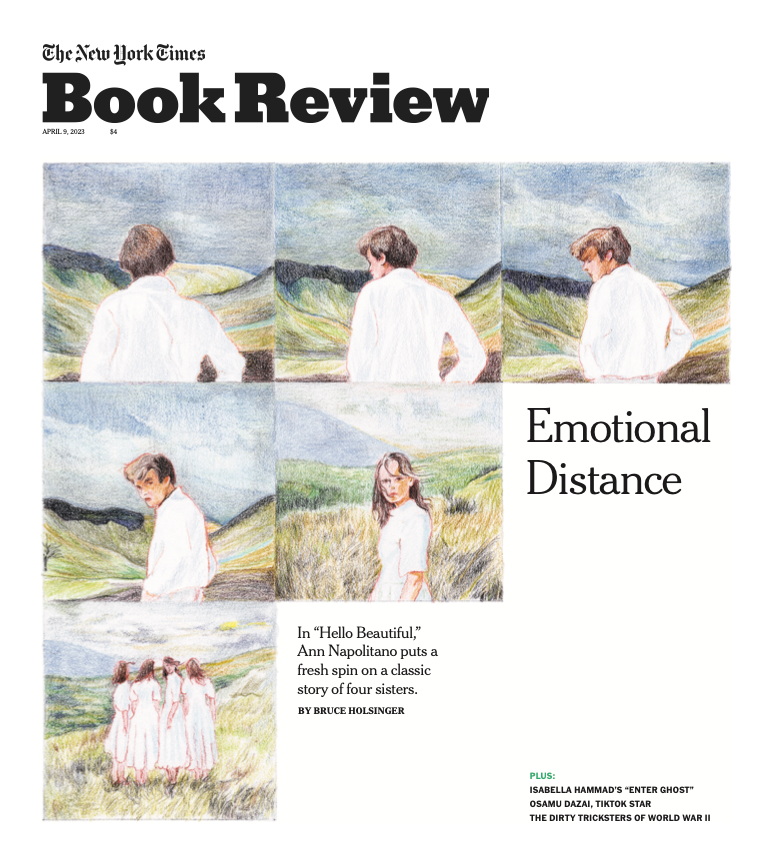

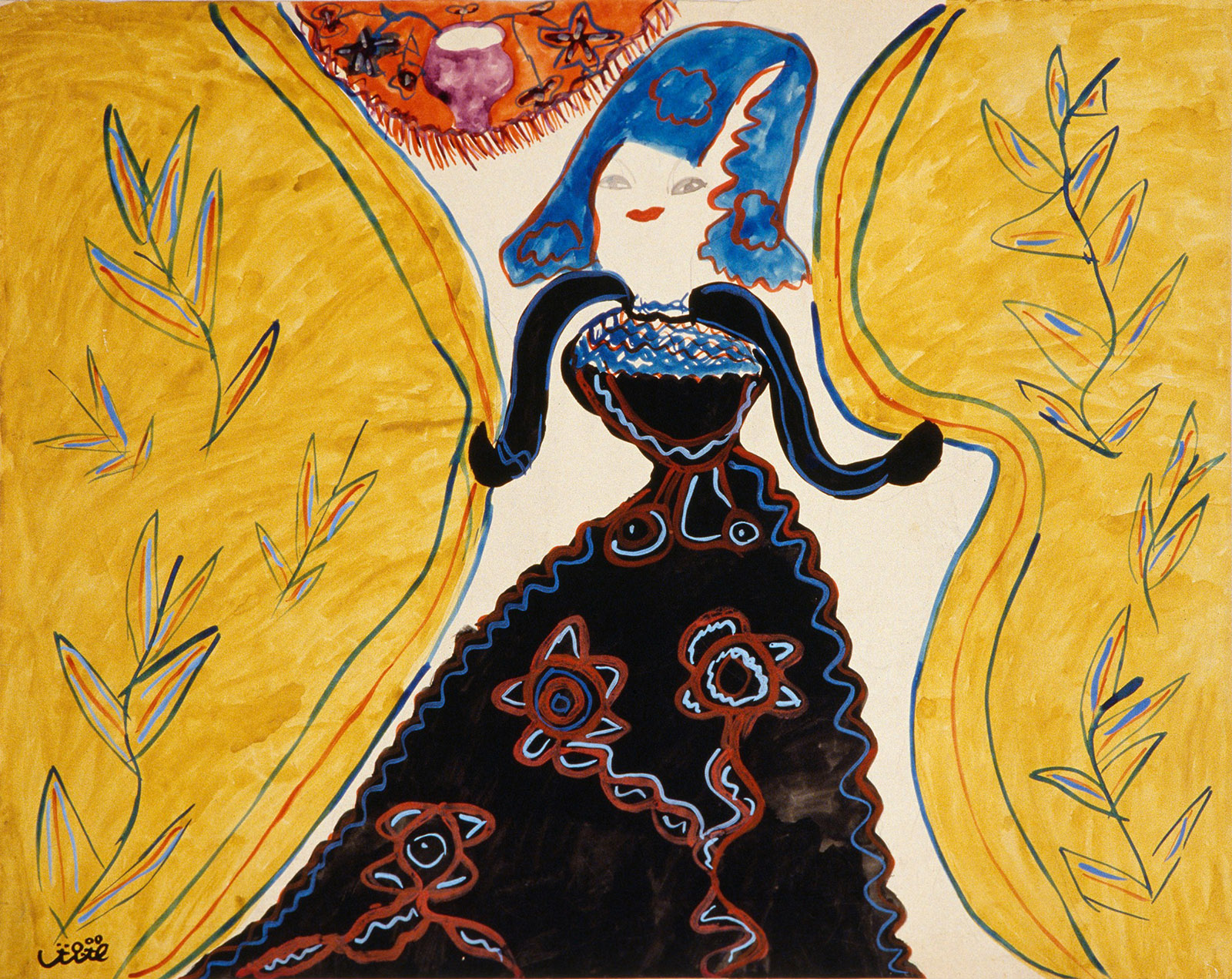
In “Hello Beautiful,” Ann Napolitano puts a fresh spin on the classic story of four sisters.
“It is your God-given right as an American fiction writer,” Ursula K. Le Guin once said, to change point of view. But “you need to know that you’re doing it,” she warned, and “some American fiction writers don’t.”
The enduring appeal of a midcentury Japanese novelist who wrote of alienation and suicide.
The first thing you hear is an eerie synth tone, followed by a portentous, insinuating voice. “Tell me, Dazai,” it says. “Why is it you wish to die?”
“Let’s turn that question around,” someone earnestly replies. “Is there really any value to this thing we call … living?” Then a beat drops, accompanied by distorted shouts.
These hefty books explore the lives of a former poet, a polarizing artist and a Scottish rebel from unexpected angles.
One of the great attractions of historical fiction is its ability to approach the past from unexpected angles, allowing us to consider famous figures in surprising ways. It’s a tactic that pays off brilliantly in Stephen May’s elegantly acerbic SELL US THE ROPE (Bloomsbury, 240 pp., paperback, $18),which features a thuggish former poet who calls himself Koba. The world will later know him as Stalin.
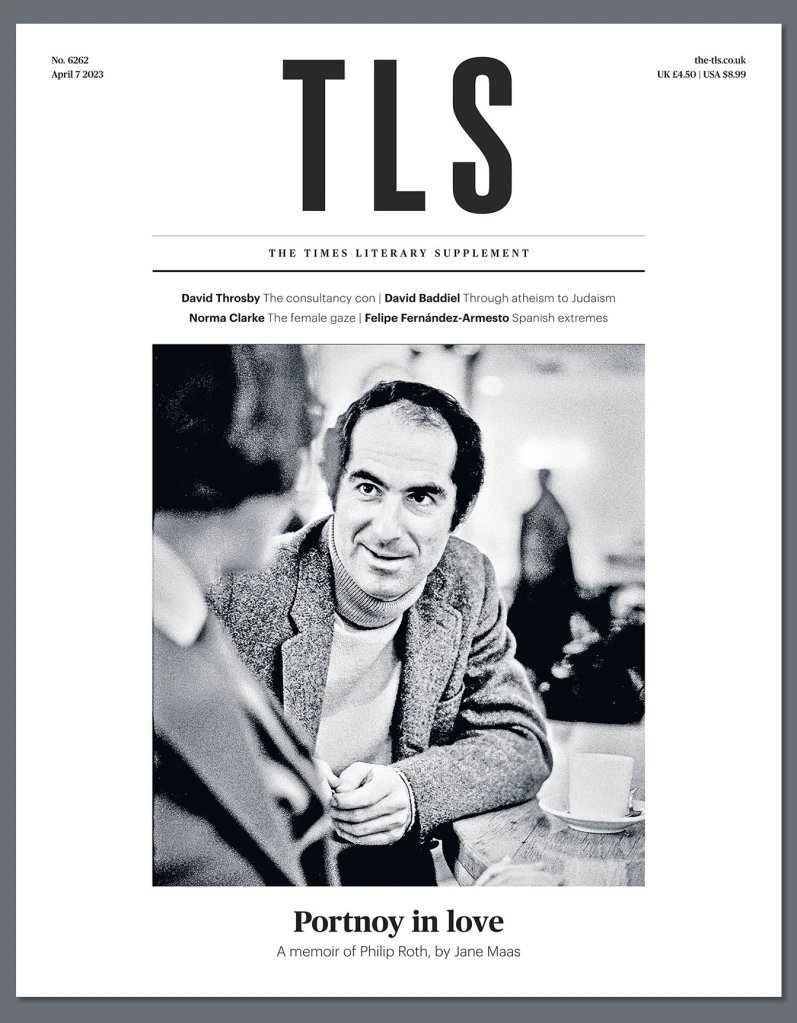
Times Literary Supplement @TheTLS (April 7, 2023) – This week’s @TheTLS, featuring the late Jane Maas on Philip Roth’s great love; David Throsby on consulting firms; an extract from The God Desire by @Baddiel; @LamornaAsh on Max Porter; @funesdamemorius on Mike Nelson; a new poem by Carl Dennis – and more.
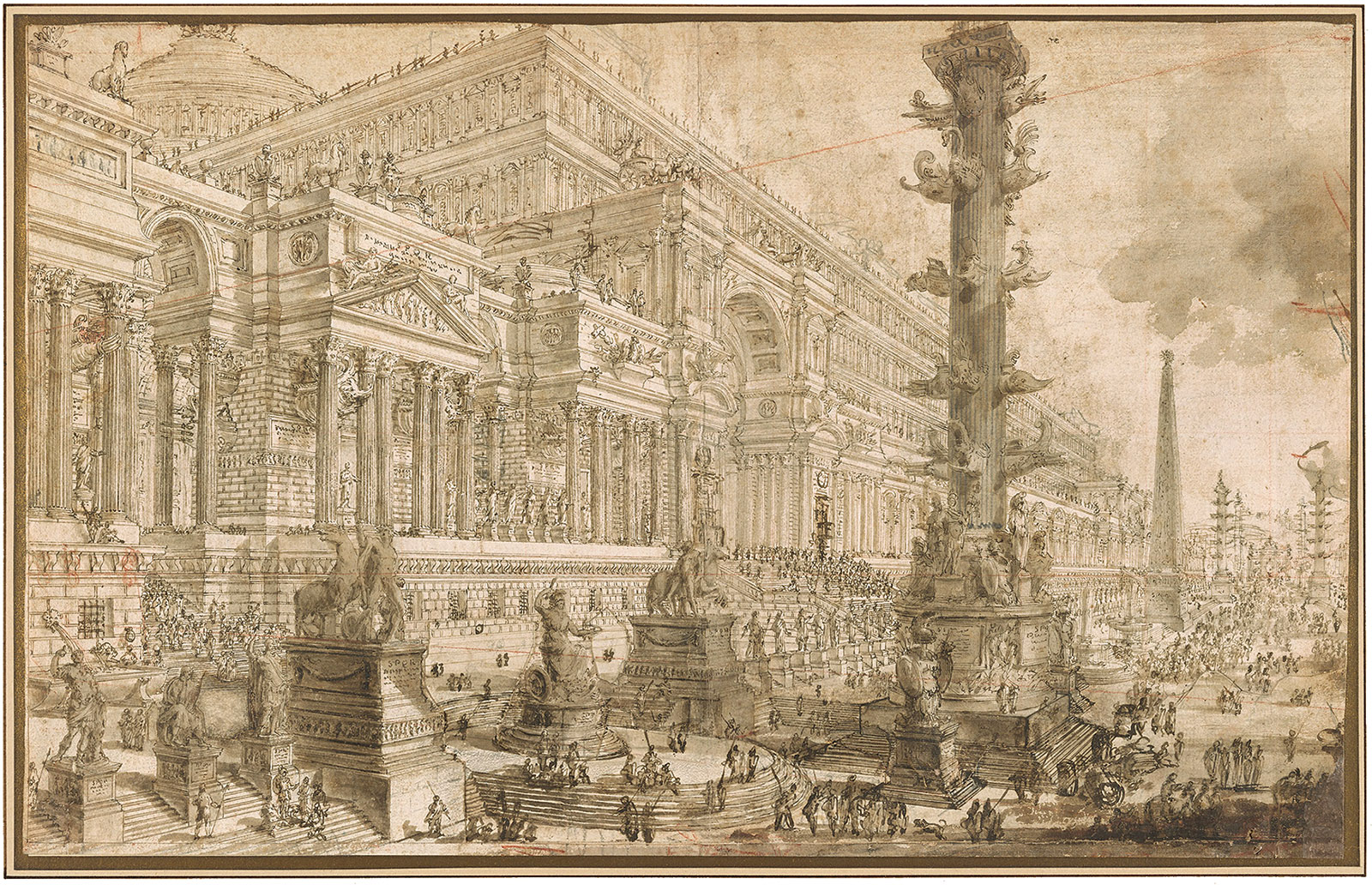
Iconicon: A Journey Around the Landmark Buildings of Contemporary Britain
Its appeal is part of the recurrent cycle of the centripetal giving way to the lure of the burbs. Save that, in this instance, it’s not the lure that accounts for an invasion of beards and craft beer but the unaffordability of housing in East London. Let’s go to Croydon! For want of anywhere else.
Which archival sources are used and whose voices are silenced? The Marcoses have – for now – claimed the archive and seized the narrative. They tell the story of a golden age followed by a fall and a quest for redemption. In the Philippines, a deeply Catholic country, the story has a satisfying narrative arc.
Literary Review – April 2023 issue: The April issue of Literary Review is out now! In this month’s cover article, Kirsten Tambling looks at how Shakespeare’s Juliet has been reinterpreted and received through the ages.
Searching for Juliet: The Lives and Deaths of Shakespeare’s First Tragic Heroine – In 1611, the Somerset-born traveller Thomas Coryat described an Italian architectural novelty: a ‘very pleasant little tarrasse, that jutteth or butteth out from the maine building: the edge whereof is decked with many pretty little turned pillers … to leane over’.
Edinburgh calls to readers, its pearl-grey skies urging them to curl up with a book. Maggie O’Farrell, the author of “Hamnet,” suggests reading that best reflects her city.
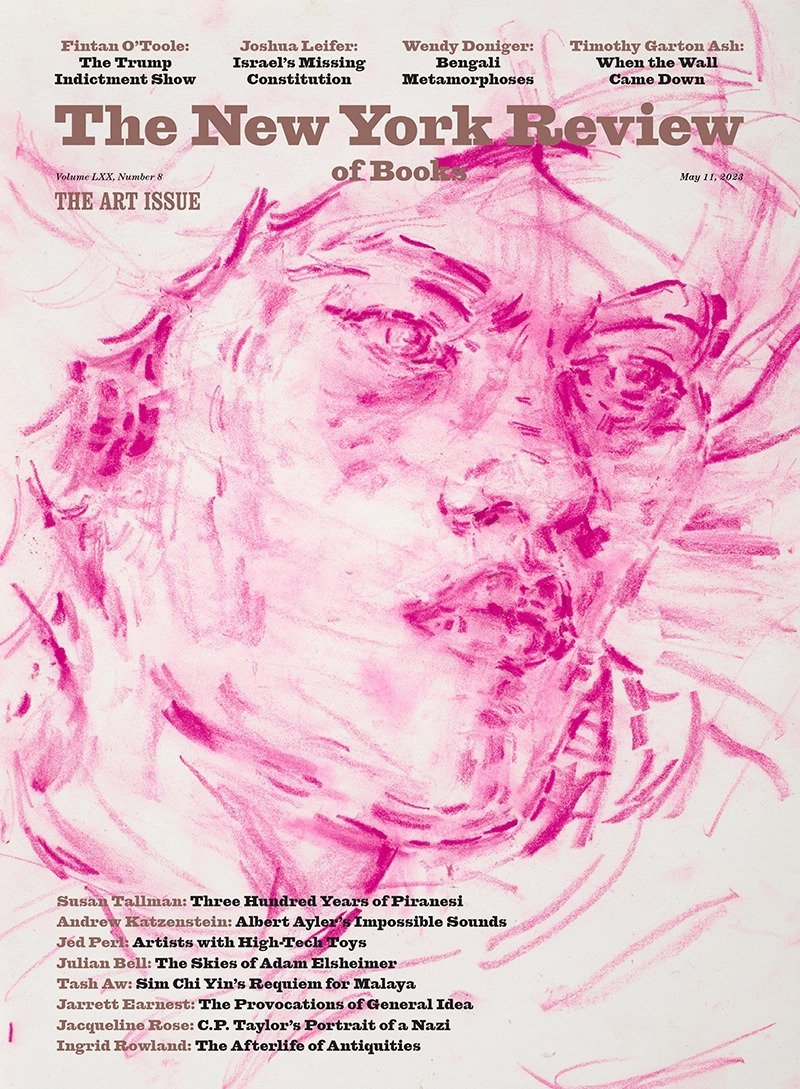
The New York Review of Books – April 20, 2023 issue:The London Book Fair Issue—is online now, with Cathleen Schine on Maxine Hong Kingston’s talking-stories, Jameel Jaffer on the “ethical train wreck” at the Office of Legal Counsel, Rumaan Alam on Namwali Serpell, Geoffrey O’Brien remembers Joe Brainard, Michelle Nijhuis on swamps and bogs, E. Tammy Kim on the legend of Harry Bridges, John Banville on John le Carré, Mark O’Connell on the world without us, Manisha Sinha on antebellum Black citizens, Matthew Desmond on handouts for the rich, poems by Homer and Isabel Galleymore, and much more.
Two recent books show that the concept of ecological restoration is a fuzzy one: even practitioners rarely agree on what is being restored, or to what end.
LitHub (March 28, 2023): Literary Hub is very pleased to reveal the cover for Nobel Prize winner J. M. Coetzee’s new novel The Pole, which will be published by Liveright this September. Here’s more about the book from the publisher:
Exacting yet maddeningly unpredictable, J. M. Coetzee’s The Pole tells the story of Wittold Walccyzkiecz, a vigorous, “extravagantly white-haired” Polish pianist who becomes infatuated with Beatriz, a stylish patron of the arts, after she helps organize his Barcelona concert. Although Beatriz, a married woman, is initially unimpressed by Wittold, she soon finds herself pursued and ineluctably swept into the world of the journeyman performer. As he sends her letters, extends countless invitations to travel, and even visits her husband’s summer home in Mallorca, their unlikely relationship blossoms, though, it seems, only on her terms. The power struggle between them intensifies—Is it Beatriz who limits their passion by controlling her emotions? Or is it Wittold, trying to force into life his dream of love?