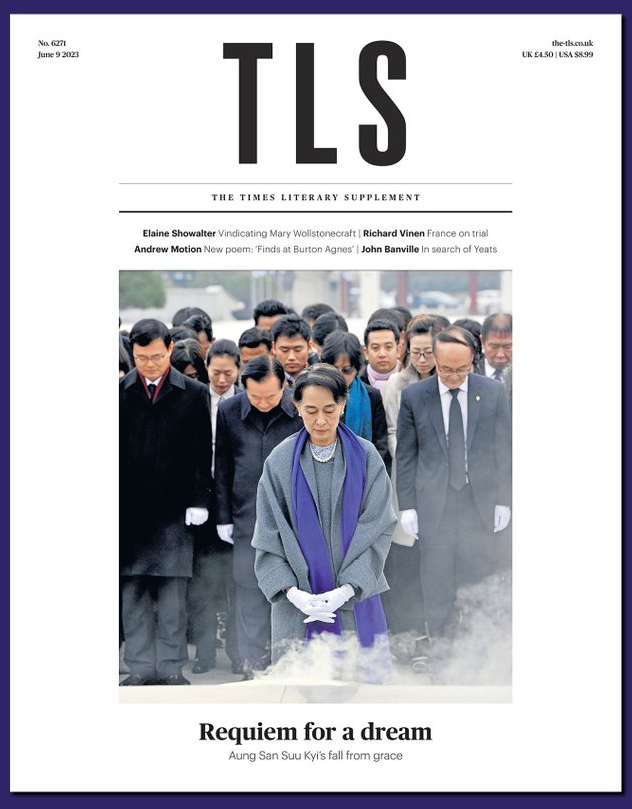
Times Literary Supplement (June 9, 2023): Requiem for a dream – Aung San Suu Kyi’s fall from grace; Vindicating Mary Wollstonecraft; France on Trial; In search of Yeats, and more…
This short biography explains why the West misunderstood the Myanmar leader. Review by Richard Lloyd Parry
In humanity’s long history of toppled heroes, shattered reputations and honour besmirched, it is difficult to think of a more extreme case than that of Aung San Suu Kyi. A decade ago, the Myanmar leader was among the most adored and respected figures in the world — winner of the Nobel peace prize, long-term political prisoner, an emblem of peaceful, uncompromising democratic struggle. Her ascension to the national leadership felt like the vindication of precious hopes and principles; today, “the Lady”, as she used to be known, is face down in the mud.
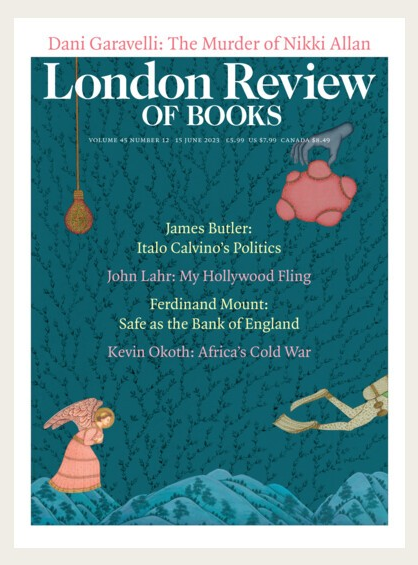
London Review of Books (LRB) – June 15, 2023 issue: James Butler on Italo Calvino’s Politics; John Lahr – My Hollywood Fling; Ferdinand Mount – Safe as the Bank of England; Africa’s Cold War by Kevin Okoth, and more…
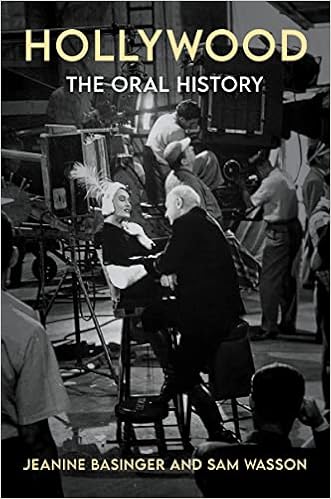
In April 1973, on a Pan Am 747 jumbo jet from London to LA, I took my seat in the upstairs dining room opposite a Cincinnati salesman and his wife. He sold screws – really. Just as improbably, I had sold my first novel to the movies. The tablecloth, the silverware, the crystal wine glasses, the Chateaubriand being carved in front of us at five hundred miles an hour felt extraordinary, a swank unreality that matched my elevated mood. I was 32. I was going to Hollywood. I was making a movie. I was going to be a screenwriter.
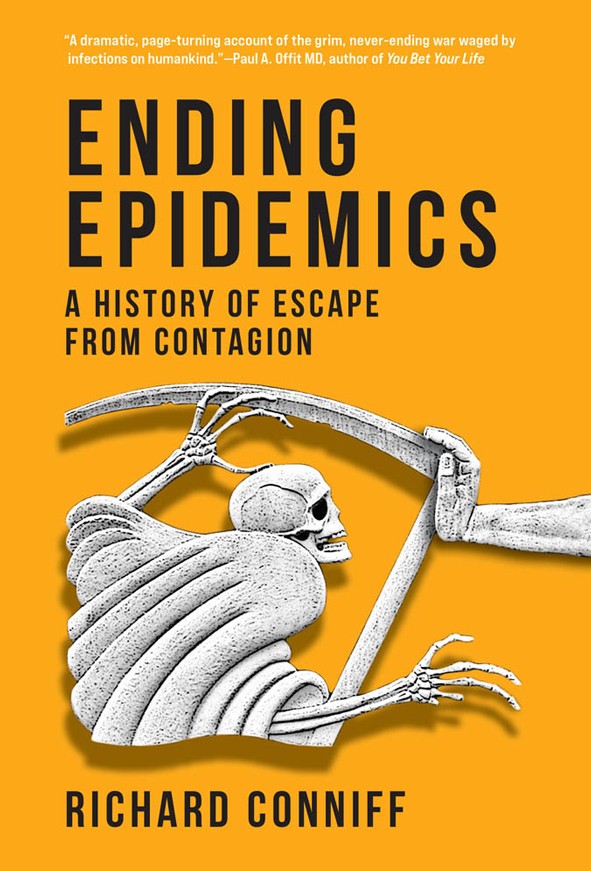
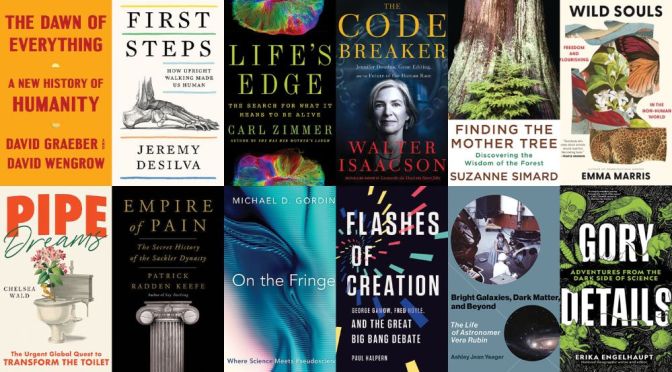
In 1900, one in three people died before the age of five. By 2000, this death rate was down to one in 27, and one in 100 in wealthy countries. This astonishing revolution has attracted surprisingly little attention, notes Richard Conniff. Instead, there is a “stubborn, stupid sense that we have somehow become invulnerable” — epitomized by opposition to vaccines. Conniff’s highly readable history of epidemic diseases and vaccinologists, from the first description of bacteria in 1676 to the eradication of smallpox in 1978, combats this worrying vulnerability.
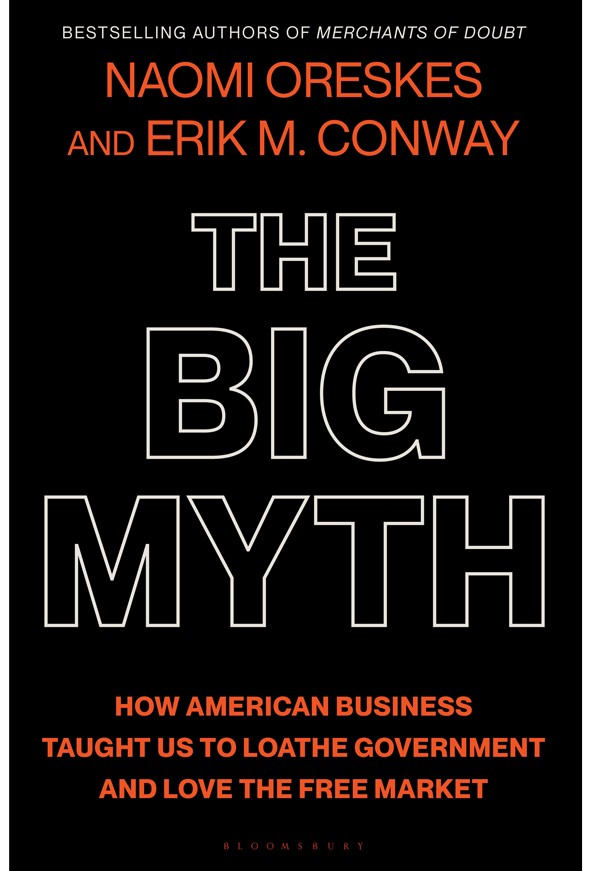
The Big Myth
Naomi Oreskes & Erik M. Conway Bloomsbury (2023)
Free enterprise is not in the US Constitution. The government was deeply involved in the US economy in the nineteenth century; its success led many to be suspicious of ‘big business’ and support government intervention. But commerce later came to dominate, as advocated by Ronald Reagan, through manipulation by businesses and some economists and scientists. In this hard-hitting, persuasive book, historians of science Naomi Oreskes and Erik Conway tell “the true history of a false idea” — that of “the magic of the marketplace”.
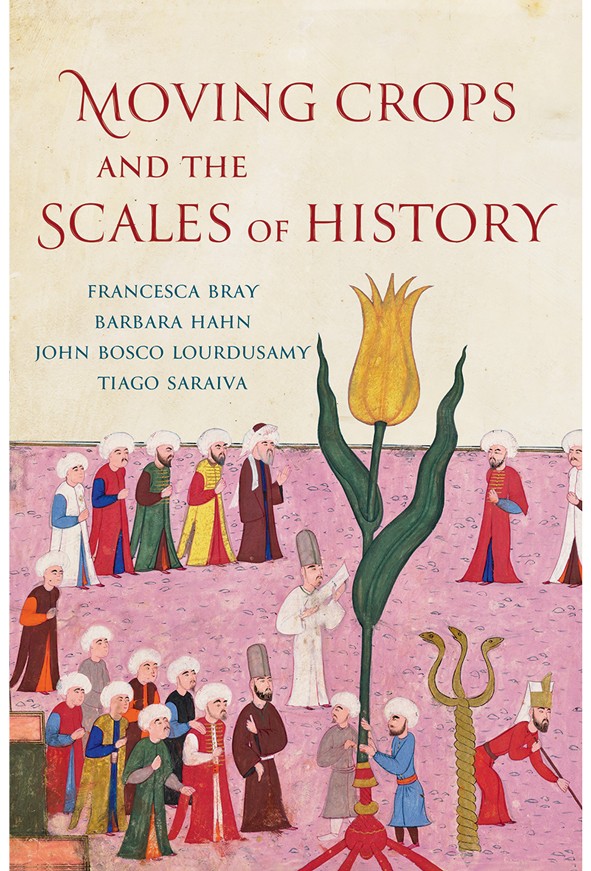
Moving Crops and the Scales of History
Francesca Bray et al. Yale Univ. Press (2023)
Movement of crops by humans is “a key driving force in history”, notes this global academic study by an anthropologist and three historians in Europe, India and the United States. In the 1830s, British merchants smuggled tea plants from China to set up plantations in India — but then replaced them in the 1870s with indigenous bushes. Indian competition prompted the Chinese industry to reorient to other markets. The book therefore focuses on “cropscapes”: the people, creatures, technologies, ideas and places surrounding a crop.
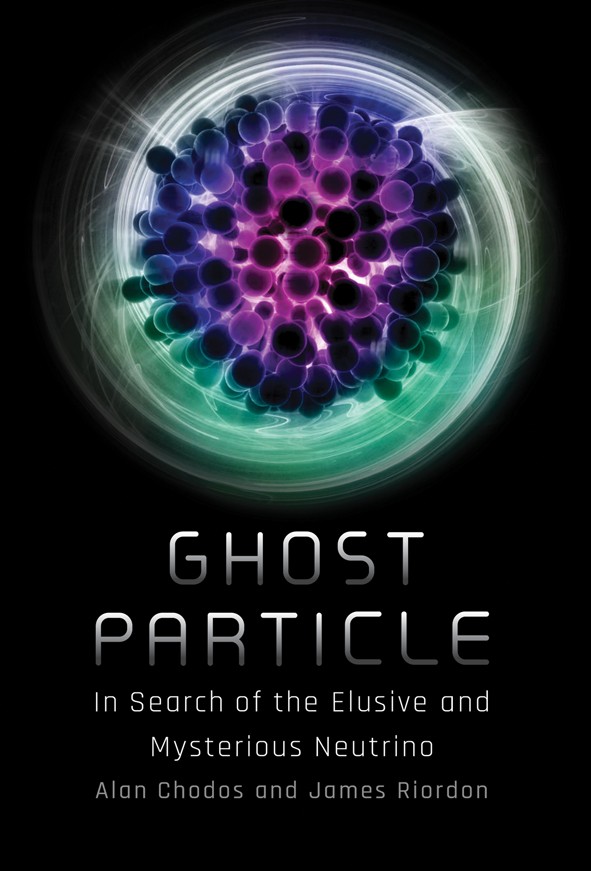
Ghost Particle
Alan Chodos & James Riordan MIT Press (2023)
Proposed by Wolfgang Pauli in 1930, detected by Clyde Cowan and Frederick Reines in 1956 and dubbed the “nothing-particle” by Isaac Asimov in 1966, neutrinos — first created in the Big Bang — are still highly mysterious, despite endless experimental investigation. Hence their current nickname of ‘ghost particle’ — the title of physicist Alan Chodos and journalist James Riordan’s enjoyable, non-mathematical portrait. “You have over 300 Big Bang neutrinos in the tip of your pinky at this moment,” they write.
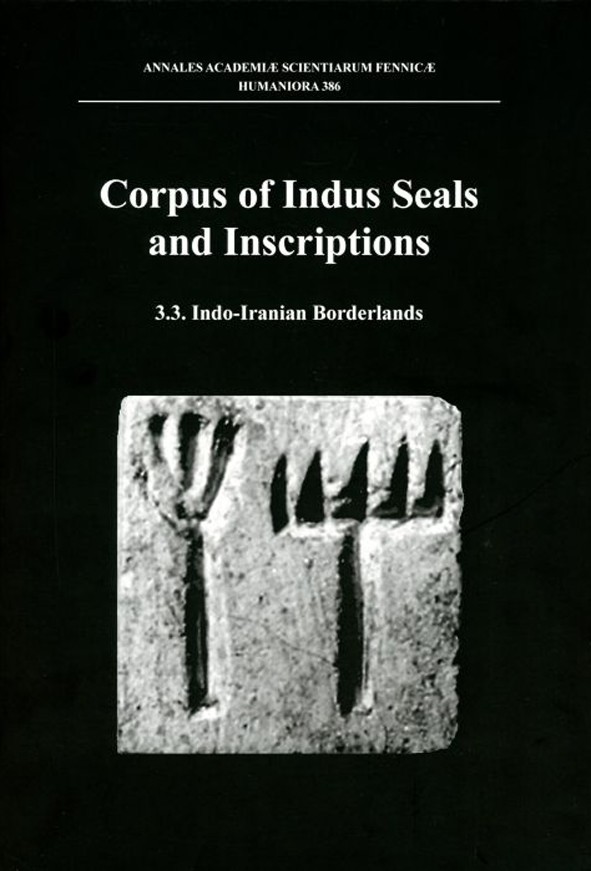
Corpus of Indus Seals and Inscriptions 3.3
Eds Asko Parpola & Petteri Koskikallio Suomalainen Tiedeakatemia (2022)
The Indus civilization of around 2500–1900 BC was huge, with sophisticated cities, long-distance trade and no known internal warfare. But perhaps most remarkable is its exquisite system of writing on stone and terracotta, undeciphered by modern scholars despite more than a century of effort. In 1987, Indologist Asko Parpola launched a fascinating series of catalogues of Indus seals and inscriptions. The latest shows discoveries in the “Indo-Iranian Borderlands”: western Pakistan, Afghanistan, Uzbekistan, Tajikistan and China.
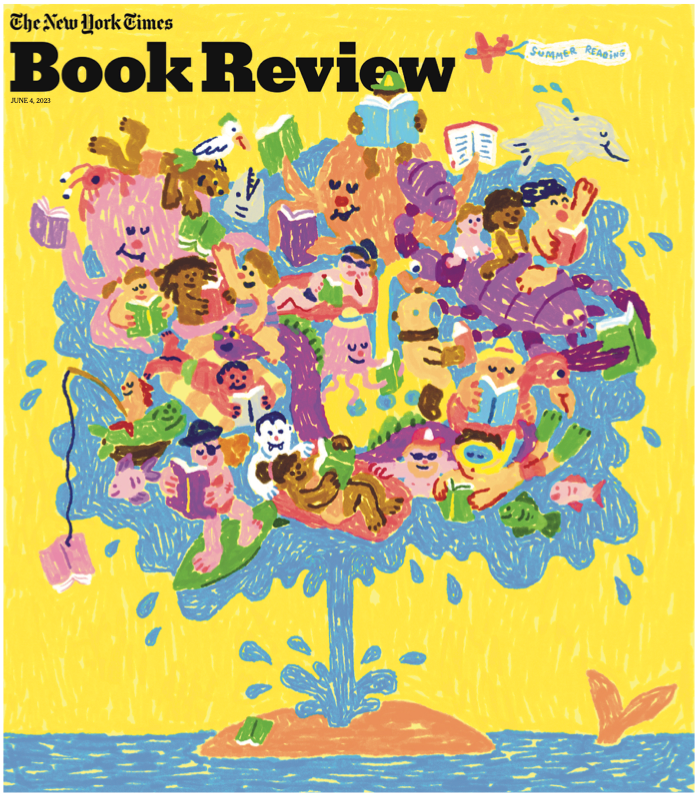
THE NEW YORK TIMES BOOK REVIEW – JUNE 4, 2023: The summer reading issue lands this weekend, 56 pages filled with suggestions of books to keep you company at the beach or in that shady mothballed nook you discovered in your rental share. The issue closes with a beautiful photo essay of swimmers pictured underwater, from an art book that evokes summer as vividly as fried clam strips and soft-serve ice cream: “Swimmers,” by Larry Sultan.
In “The Bathysphere Book,” Brad Fox chronicles the fascinating Depression-era ocean explorations of William Beebe.
Consider the siphonophore. An inhabitant of the lightless ocean, it looks like a single organism, but is actually a collection of minute creatures, each with its own purpose, working in harmony to move, to eat, to stay alive. They seem impossible but they are real. In 1930 William Beebe was 3,000 feet underwater in a bathysphere, an early deep-sea submersible, when he spotted a huge one: a writhing 20-yard mass whose pale magenta shone impossibly against the absolute blackness of the water. As you can imagine, it made an impression.
Henry Hoke’s latest novel, “Open Throat,” follows an observant — and starving — cougar living in the Los Angeles hills surrounding the Hollywood sign.
There is a moment toward the end of “Open Throat,” Henry Hoke’s slim jewel of a novel, where the narrator, a mountain lion living in the desert hills surrounding Los Angeles’s Hollywood sign, falls asleep and dreams of Disneyland. It will be hard for those who haven’t yet read this propulsive novel to understand, but the lion’s waking life at this moment is so precarious that this slippage into pleasant dream left me scared to turn the page.
From the 2021 Nobel Prize winner in Physics, an enlightening and personal journey into the practice of groundbreaking science
With In a Flight of Starlings, celebrated physicist Giorgio Parisi guides us through his unorthodox yet exhilarating work, starting with investigating the principles of physics by observing the flight of flocks of birds. Studying the movements of these communities, he has realized, proves an illuminating way into understanding complex systems of all kinds—collections of everything from atoms and planets to other animals, such as ourselves.
In I Feel Love, science journalist Rachel Nuwer separates fact from fantasy, hope from hype, in the drug’s contested history and still-evolving future. Evidence from scientific trials suggests MDMA, properly administered, can be startlingly effective at relieving the effects of trauma. Results from other studies point to its usefulness for individual and couples therapy, for treating depression, alcohol addiction, and eating disorders, and for cultivating personal growth. Yet scientists are still racing to discover how MDMA achieves these outcomes, a mystery that is taking them into the inner recesses of the brain and the deep history of evolution.
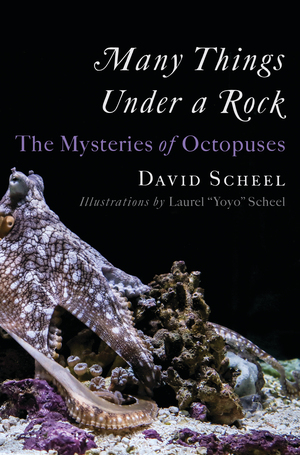
A behavioral ecologist’s riveting account of his decades-long obsession with octopuses: his discoveries, adventures, and new scientific understanding of their behaviors.
Of all the creatures of the deep blue, none is as captivating as the octopus. In Many Things Under a Rock, marine biologist David Scheel investigates four major mysteries about these elusive beings. How can we study an animal with perfect camouflage and secretive habitats? How does a soft and boneless creature defeat sharks and eels, while thriving as a predator of the most heavily armored animals in the sea? How do octopus bodies work? And how does a solitary animal form friendships, entice mates, and outwit rivals?
A fascinating exploration of the uncrackable codes and secret cyphers that helped win wars, spark revolutions and change the faces of nations.
There have been secret codes since before the Old Testament, and there were secret codes in the Old Testament, too. Almost as soon as writing was invented, so too were the devious means to hide messages and keep them under the wraps of secrecy
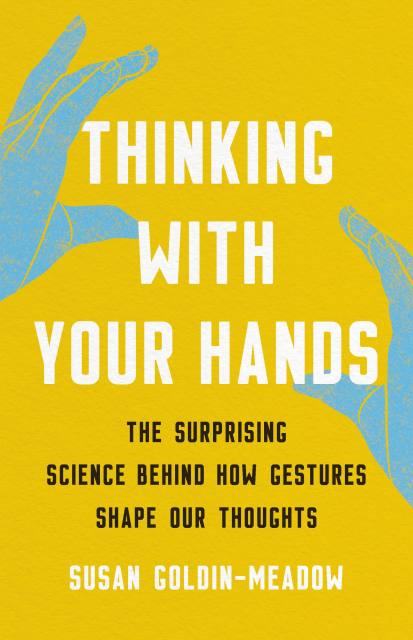
An astounding account of how gesture, long overlooked, is essential to how we learn and interact, which “changes the way you think about yourself and the people around you.” (Ethan Kross, bestselling author of Chatter)
In Thinking with Your Hands, esteemed cognitive psychologist Susan Goldin-Meadow argues that gesture is vital to how we think, learn, and communicate. She shows us, for instance, how the height of our gestures can reveal unconscious bias, or how the shape of a student’s gestures can track their mastery of a new concept—even when they’re still giving wrong answers. She compels us to rethink everything from how we set child development milestones, to what’s admissible in a court of law, to whether Zoom is an adequate substitute for in-person conversation.
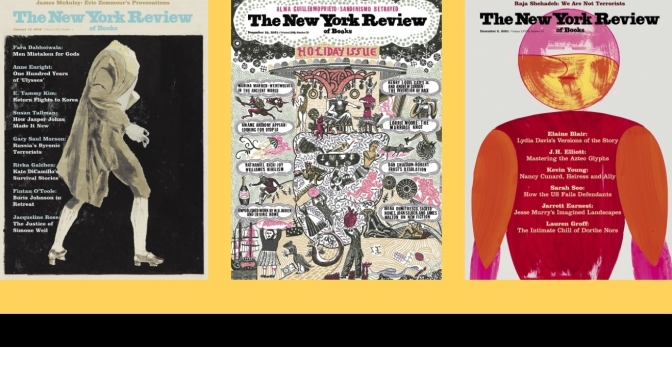
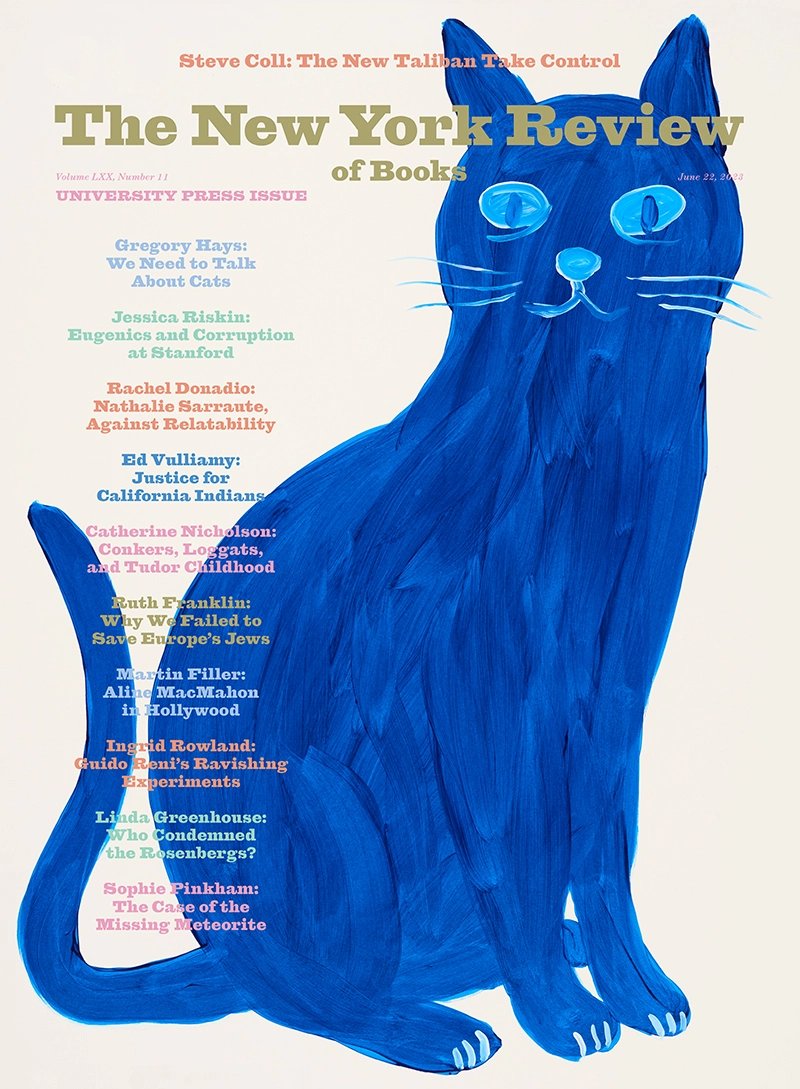
The New York Review of Books – June 22, 2023 issue: Fara Dabhoiwala on the ingenious index, Ingrid D. Rowland on Guido Reni’s questing soul, Rachel Donadio on Nathalie Sarraute’s sensual eviscerations, Steve Coll on the Taliban’s second emirate, Jessica Riskin on the poisoning of Jane Stanford, Ruth Franklin on Ken Burns’s The US and the Holocaust, Gary Saul Morson on Tolstoy’s conversion, Ed Vulliamy on the Native Americans of California, Linda Greenhouse on judging the Rosenbergs, Gregory Hays on our feline friends, poems by Shane McCrae and Fernando Pessoa, and much more.
In his new history of the index, Dennis Duncan traces its evolution through the constantly changing character of reading itself.
In 1941 an ambitious Philadelphia pediatrician, the wonderfully named Waldo Emerson Nelson, became the editor of America’s leading textbook of pediatrics. For the next half-century the compilation of successive editions of this large volume advanced his career, consumed his weekends, and encroached heavily on his domestic life.
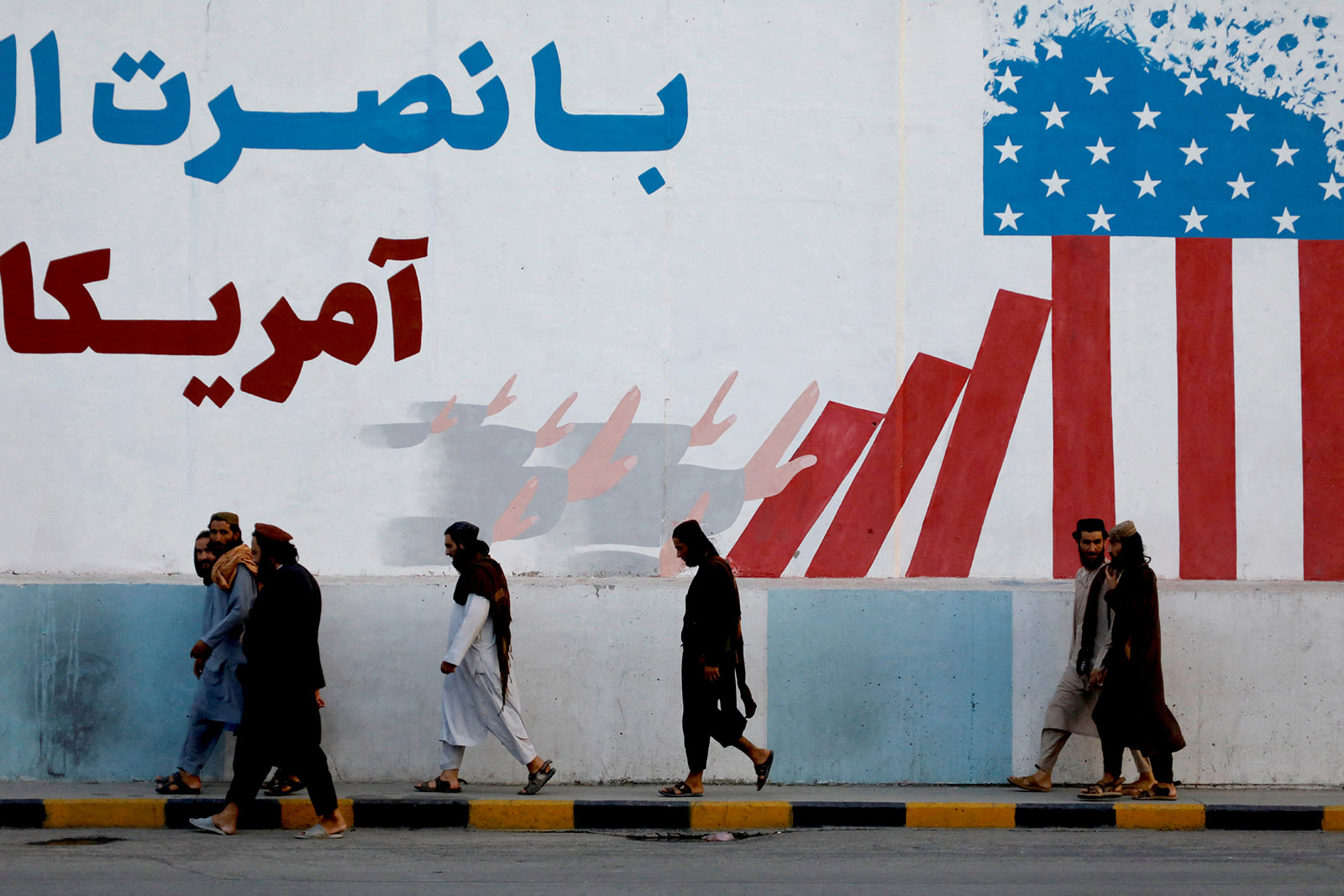
Hassan Abbas’s book surveys the second Islamic Emirate’s ideology and leading personalities and probes its internal tensions.
Nearly two years after the Taliban’s return to power in Kabul, the UN refers to the regime only as “the de facto authorities,” to avoid any hint of formal recognition of the Islamic Emirate of Afghanistan, as the Taliban call their government. By any name, the Taliban today control Afghanistan’s territory, as well as federal ministries and local administrations. They also preside over a nation in severe crisis. Food insecurity haunts at least half of the population; a country shattered by more than four decades of war again faces the shadow of famine.
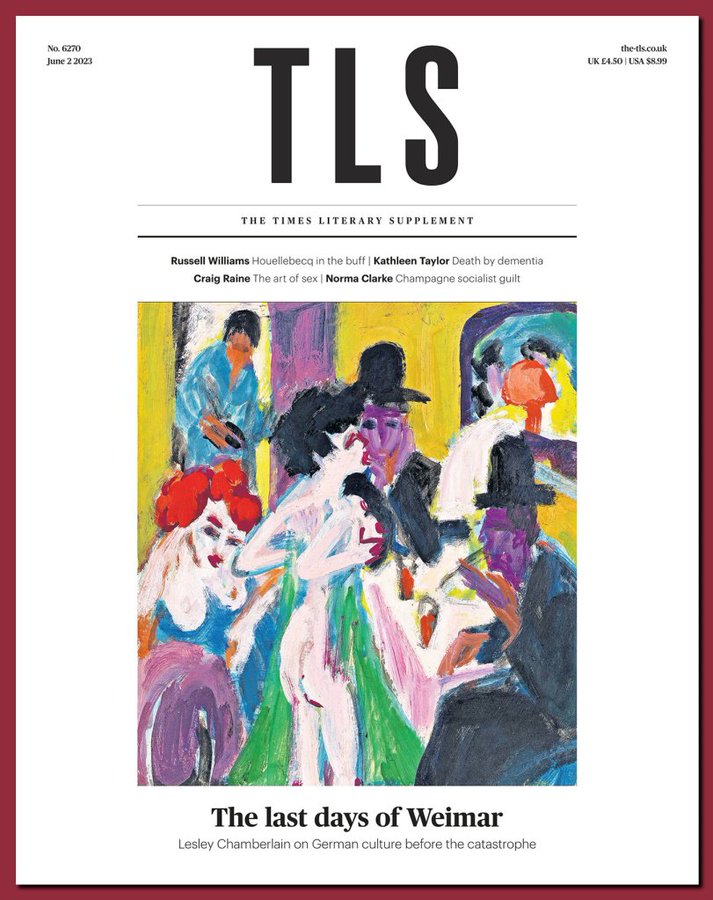
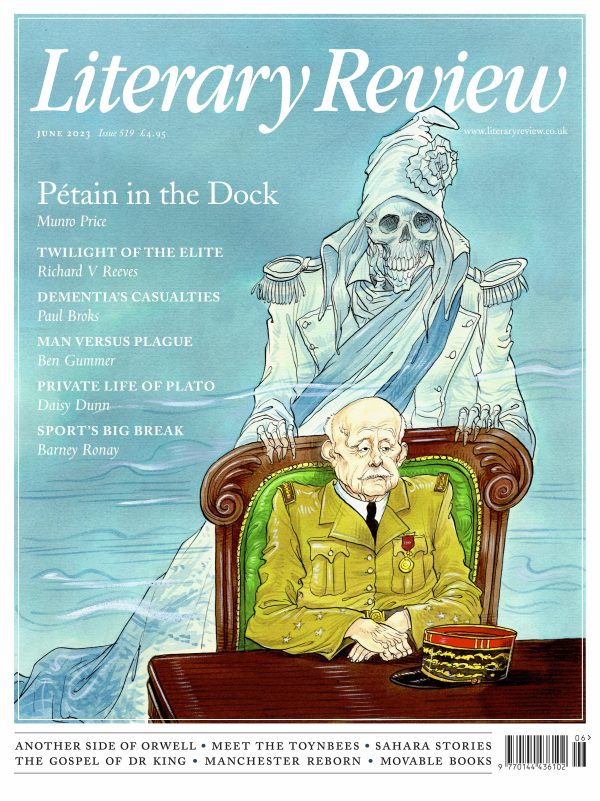
Times Literary Supplement (June 2, 2023): The Last Days of Weimar – Lesley Chamberlain on German culture before the catastrophe; Michel Houellebecq in the buff; Death by Dementia; The Art of Sex and Champagne socialist guilt.
Crime Round-up. Also, Pétain In The Dock, Twilight of the Elite, Dementia’s Casualties, Man Versus Plague, and more.
All the Sinners Bleed
By S A Cosby
S A Cosby’s troubled hero, Titus Crown, the sheriff of Charon County, Virginia, has to fight on many different fronts. Local racism makes his job difficult at the best of times, but now he is also faced with a school shooting and atrocious crimes against black children. His personal life has its own challenges and he is loaded down with guilt. Cosby’s talent makes all this misery work in a novel of great warmth, and he has a lovely turn of phrase. Titus’s loathing of hypocrisy, injustice and cruelty makes him enormously attractive.
Keep Her Secret
By Mark Edwards
Mark Edwards’s great skill is to involve readers in his characters’ lives, showing step by mistaken step how they get themselves into trouble. In this case, the characters are Matthew and Helena, who had a relationship at university and meet again at a twenty-year reunion, soon after her husband has died. Rekindling their friendship, they travel to Iceland together, where an ill-judged selfie almost leads to her death. In the aftermath of this drama, she reveals a terrible secret to Matthew and their plunge into emotional and practical trauma begins. The writing is straightforward and without flourishes, but it gives the increasingly dramatic story an air of surprising normality. Edwards carries readers with him all the way and then leaves them with a wicked cliffhanger.
The Fall
By Gilly Macmillan
Gilly Macmillan’s latest psychological thriller is a study in greed and vengeance, and it suggests that there is almost no human being who cannot be persuaded to commit a crime when motivated by one or the other. Nicole and Tom have won £10 million in the lottery and built a spectacular glass barn on the beautiful Lancaut Peninsula on the River Wye. Their nearest neighbours are an at first apparently benevolent but then increasingly sinister couple, Olly and Sasha, who seemingly live without means in a ravishing medieval manor house, cared for by their housekeeper, Kitty. Of course nothing is quite as it appears and when a body is found floating in a swimming pool, the police arrive and everyone’s story begins to unravel. Twisty and colourful, this is a novel to entertain all who have experienced schadenfreude.
Gestalten Publishing (May 30, 2023) – ‘CONCRETE JUNGLETROPICAL ARCHITECTURE AND ITS SURPRISING ORIGINS‘ presents some of the most exciting tropical houses and tells the surprising story of lush modernist architecture.
The clash of rational architecture with the organic lushness of tropical vegetation has created some of the most visionary and futuristic buildings we know.
Based on the concepts of Modernist style and Bauhaus aesthetics, tropical countries like Brazil or Mexico have developed their highly unique visions of an international style and an architecture which is both timeless and desirable, which continues to be highly influential around the globe.
In Concrete Jungle we embark on a journey through the works of architects influenced by the tropical modernist style, from Luis Barragán to Paulo Mendes da Rocha, to Marcio Kogan.
“King: A Life,” by Jonathan Eig, is the first comprehensive account of the civil rights icon in decades.
Growing up, he was called Little Mike, after his father, the Baptist minister Michael King. Later he sometimes went by M.L. Only in college did he drop his first name and began to introduce himself as Martin Luther King Jr. This was after his father visited Germany and, inspired by accounts of the reform-minded 16th-century friar Martin Luther, adopted his name.
His novel “Lone Women” follows a Black homesteader in Montana who is haunted by secrets and a dark past.
Victor LaValle’s enthralling fifth novel, “Lone Women,” opens like a true western, with a scene of dark, bloody upheaval and a hint of vengeance. But nothing in this genre-melding book is as it seems. When we meet Adelaide Henry, the grown daughter of Black farmers, she is in a daze, dumping gasoline all over her family’s farmhouse. We don’t know why she’s doing what she’s doing, what happened to her family or, most important, what else she has or hasn’t done.
News, Views and Reviews For The Intellectually Curious







 SCIENCE MAGAZINE – JUNE 1, 2023: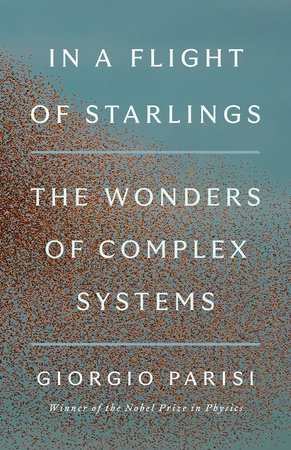










 Gestalten Publishing (May 30, 2023) – ‘CONCRETE JUNGLE TROPICAL ARCHITECTURE AND ITS SURPRISING ORIGINS‘ presents some of the most exciting tropical houses and tells the surprising story of lush modernist architecture.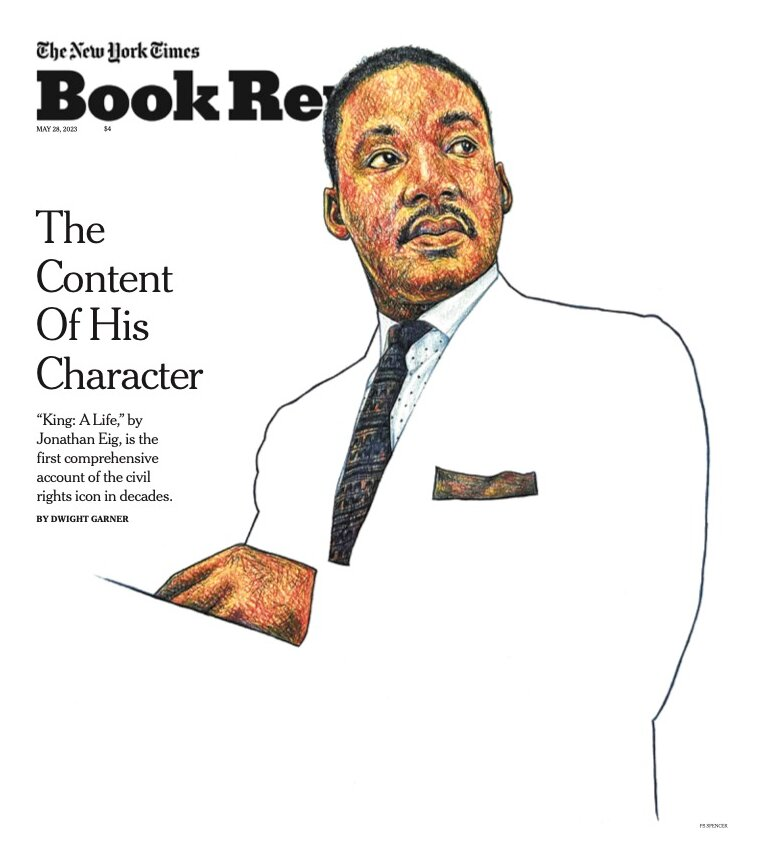


 Boomers Daily

