
 The book features eleven curated neighborhood destination walks–guiding the reader through the energetic New York streets, passing restaurants and coffee shops, historical sights, museums and galleries, parks, and the kind of authentic and timeless sites that one hopes to find when imagining the city. Interwoven throughout are insider guides on how to eat like a New Yorker; explore the city’s most beautiful parks and gardens; navigate transit via ferry, subway, and bike; visit some of NYC’s most iconic TV and film locations.
“A locals’ treasure map to the secret spots favored by true New Yorkers.”
The “must-visit, must-see” travel list given to you by the New Yorker friend you wish you had. Vibrantly illustrated throughout, this practical guide transports readers to discover an insider’s view of the Big Apple. The vivid watercolors illustrate destinations of the architectural marvels, cultural hubs, food and drink spots, and music venues that make New York so exciting. Cultural musings, accessible histories, anecdotes, and informative details accompany the illustrations throughout, making this volume as practical as it is beautiful.
About The Author
Jessie Kanelos Weiner is an illustrator, food stylist, and author of Paris in Stride (Rizzoli) and Edible Paradise: A Coloring Book of Seasonal Fruits and Vegetables (Universe). Jacob Lehman is the coauthor of several guidebooks to the city, including The Best Things to Do in New York: 1001 Ideas and In Love in New York.
To purchase or review (February 2020)
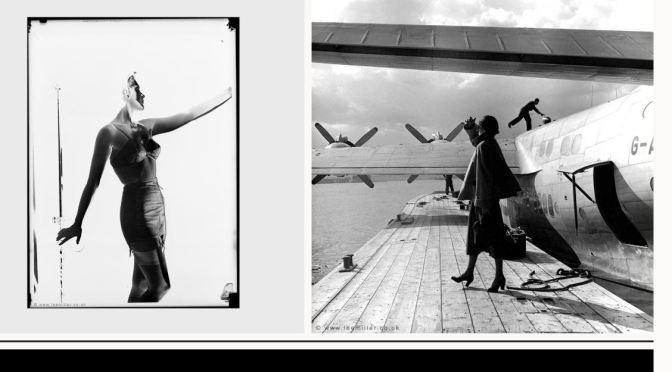
 The Surrealist eye informed everything Miller did, and her work presents the world in a way that encourages us to view it in a different manner. Written and collected by her son Antony, Surrealist Lee Miller amasses more than one hundred full-page images from throughout the artist’s life as an attestation to her wonderful way of seeing.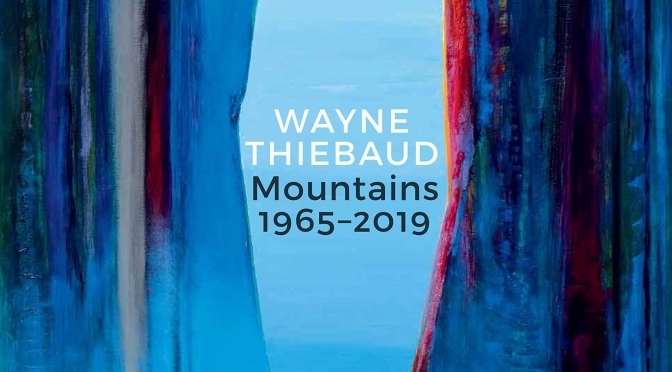
 In the 2000s, California-based painter Wayne Thiebaud began focusing on a series of mountain paintings, a subject he had first addressed in the 1960s and 1970s. Rendered in his signature confectionary palette, these colorful works combine memories of mountains he had seen in childhood and observations of the summits of the Sierra Nevada Range in Yosemite. With their heroic, exaggerated proportions and unusual perspectives, these paintings seem to combine fiction and reality. Conveying a sense of the sublime and the vast magnitude of our surroundings, they draw upon the history of landscape painting of the American West.
 Through the prisms of behavioral neurology and cognitive neuroscience, Scott Grafton brilliantly accounts for the design and workings of the action-oriented brain in synchronicity with the body in the natural world, and he shows how physical intelligence is inherent in all of us—and always in problem-solving mode. Drawing on insights gleaned from discoveries by engineers who have learned to emulate the sophisticated solutions Mother Nature has created for managing complex behavior, Grafton also demonstrates the relevance of physical intelligence with examples that each of us might face—whether the situation is mundane, exceptional, extreme, or compromised.
 o finds himself wondering if growing old in Paris might be the perfect antidote to the drama he left behind in New York. Unflinching, witty, and urbane as ever, Louis Begley delivers a spot-on satire of the world of New York’s aging elite, and uncovers the unexpected delights a late-in-life change can offer.
 When Madame Clicquot, who had become the veuve (widow) Clicquot Ponsardin, inherited the house in 1805, she followed the motto “Only one quality, the finest” and created the first vintage and the riddling rack, two major innovations for champagne production. Centuries later, the brand behind the characteristic yellow label continues to make history, going beyond champagne to represent a complete lifestyle.
 “Nikas combines extensive research into a previously unavailable and highly detailed archive of Donald Healey’s personal records with the author’s masterful ability to weave together an amazing level of detail while making it an eminently readable story. The result is a book that both seasoned automotive historians and anyone with an interest in the story of a life well lived will enjoy. Until you’ve read this book, you don’t know the true story of Donald Healey and his cars”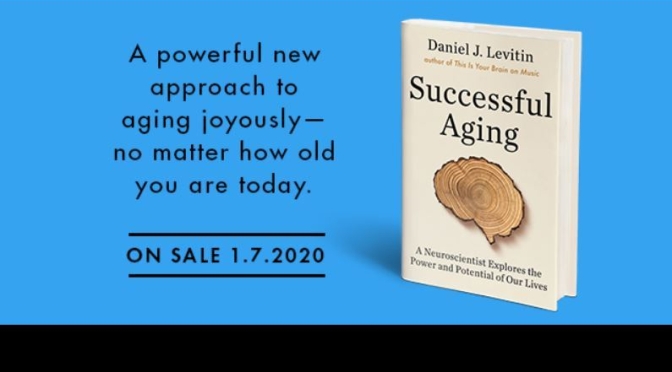
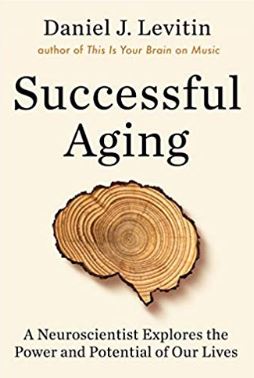 ‘Successful Aging’ uses research from developmental neuroscience and the psychology of individual differences to show that sixty-plus years is a unique developmental stage that, like infancy or adolescence, has its own demands and distinct advantages. Levitin looks at the science behind what we all can learn from those who age joyously, as well as how to adapt our culture to take full advantage of older people’s wisdom and experience. Throughout his exploration of what aging really means, Levitin reveals resilience strategies and practical, cognitive enhancing tricks everyone should do as they age.
 Times Critics Talk About Their Year-End Lists
 Boomers Daily