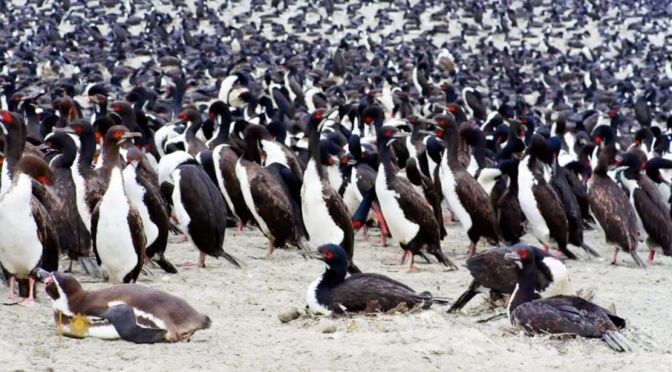

Videographer: Mauricio Handler

Videographer: Mauricio Handler

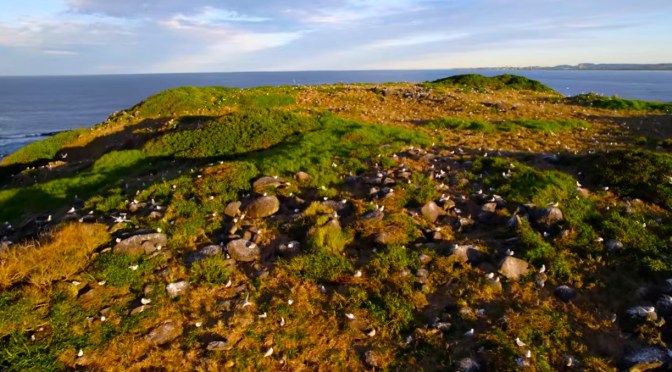
While seabirds predominantly reside at sea, they return to land to breed and raise their young. In this process, they deposit mineral-rich nutrients that sustain the whole island ecosystem. But the arrival of human settlers introduced non-native predators and extensive development. Together, these compromised many seabird habitats — and decimated their populations. Several species are now teetering on the brink of extinction.
The Maui Nui Seabird Recovery Project engages a multifaceted approach to protect these crucial birds: eliminating invasive predators, restoring native plants, and monitoring burrows for fledgling success. In one instance, they have established a dedicated sanctuary complete with artificial burrows, bird-shaped decoys, and audio speakers to attract one highly endangered shearwater species.
Through their efforts, the team gives seabirds a chance to raise the next generation on the very islands they helped bring to life.


GRAND PRIZE
Anup Shah
Chippenham, England
“It is powerful and decisive, the pace compact yet energetic,” says Anup Shah of this year’s spectacular top photo, catching zebras at the edge of a river crossing in Kenya’s Maasai Mara National Reserve. “I wanted the viewer to feel the energy in the path of a galloping herd.” We do, and it’s exhilarating.

BABY ANIMALS
FIRST PLACE
Torie Hilley
Ventura, California
Torie Hilley trudged through the mudflats of Alaska’s Lake Clark National Park and Preserve with a professional guide in July 2022, hoping to catch this coastal brown bear and her cubs in a line as they dug for clams. When Hilley spotted the family falling into formation on her last day, she dropped to one knee to preserve the moment. She later learned not all of the cubs survived the following weeks. “It reminded me to never take anything for granted,” she says.

BABY ANIMALS
SECOND PLACE
Carl D. Walsh
Dayton, Maine
Listed as endangered by Maine, the state’s piping plover population has seen some improvement in recent decades—a hopeful note suggested by the glow surrounding this days-old fledgling. To get this July 2022 photo, Carl D. Walsh “spent a lot of time lying in the sand, trying to capture the right vantage point and backlight” on a Cumberland County beach. “Many thousands of frames were shot,” he says.

BIRDS
FIRST PLACE
Suliman Alatiqi
Kuwait City, Kuwait
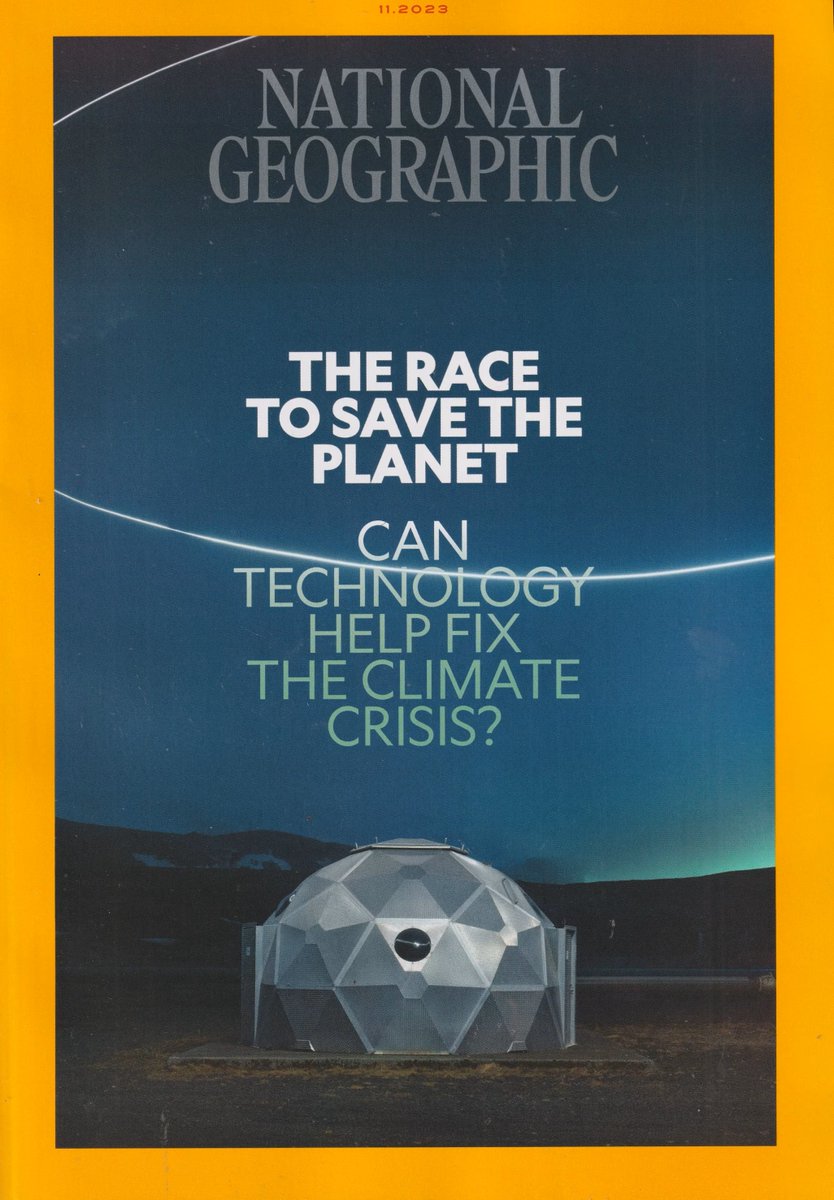


Getting to zero carbon emissions won’t save the world. We’ll have to also remove carbon from the air—a massive undertaking unlike anything we’ve ever done.
BY SAM HOWE VERHOVEK
Over the past few centuries, we have dug, chopped, burned, drilled, pumped, stripped, forged, flared, lit, launched, driven, and flown our way to adding 2.4 trillion metric tons of carbon dioxide to Earth’s atmosphere.
That’s as much CO2 as would be emitted annually by 522 billion cars, or 65 cars per person living today.
On a lonely, lunar-like valley 20 miles outside of Reykjavík, Iceland, Edda Aradóttir is on a mission to put it back where it came from.
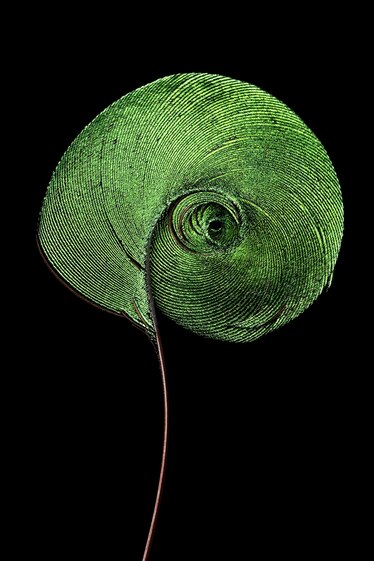
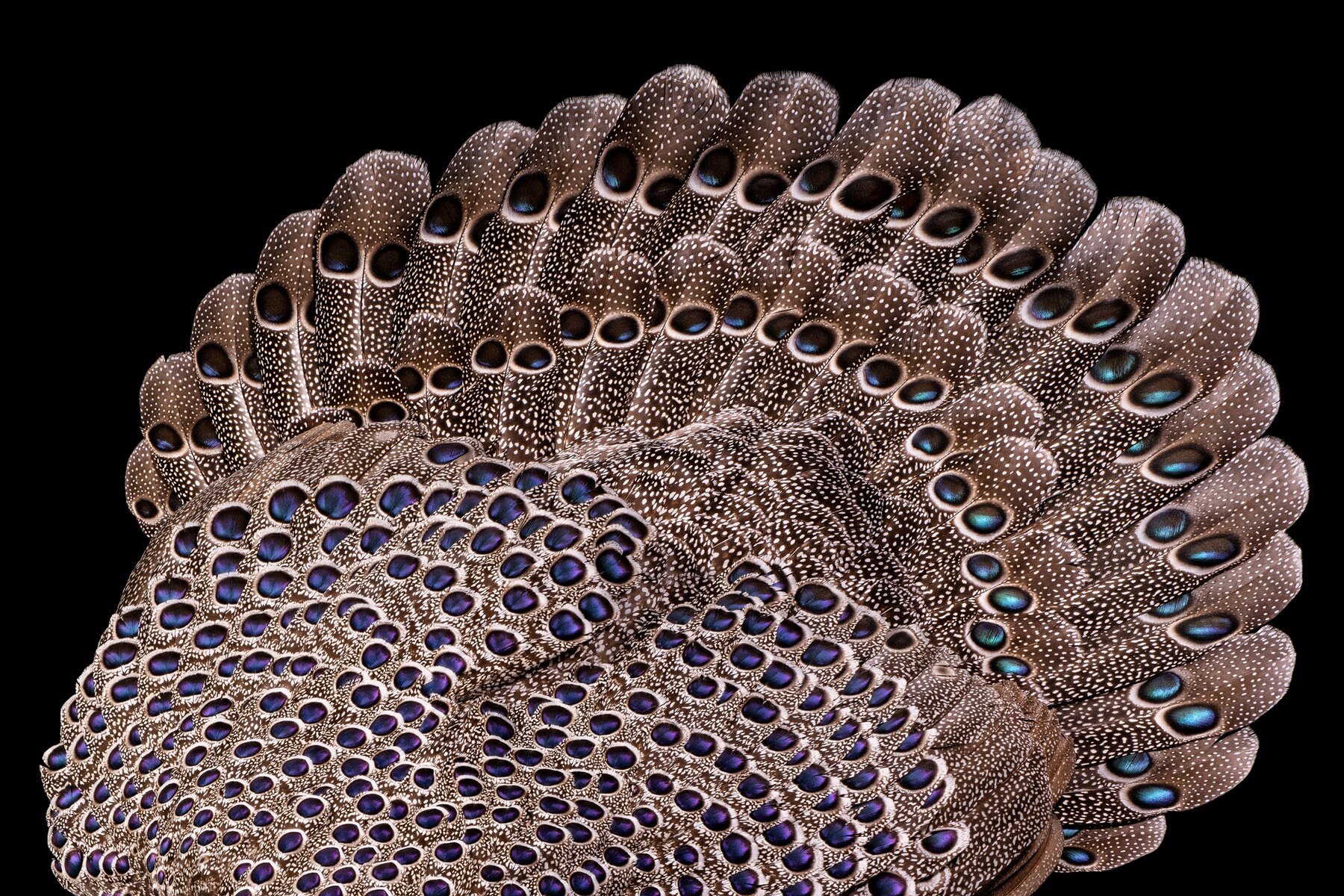
Shimmery. Spiky. Shaggy. Soft. Feathers are what make birds so alluring—but these photographs remind us that they also tell a story about the science of evolution.
BY ANNIE ROTH
PHOTOGRAPHS BY HEIDI AND HANS-JÜRGEN KOCH
In 1860 Charles Darwin wrote, “The sight of a feather in a peacock’s tail, whenever I gaze at it, makes me sick!” The plumes were so extravagant, he surmised, they could be a hindrance to survival. Darwin’s frustration with their seemingly inexplicable elegance eventually led him to the idea of sexual selection. Although this form of natural selection—driven by the preference of one sex for certain characteristics in individuals of the other sex—is well understood today, a peacock’s feather can still hold mystery for its viewers, says Heidi Koch. She and her husband, Hans-Jürgen, have spent the past few years photographing feathers in all their glorious detail.
/https://tf-cmsv2-smithsonianmag-media.s3.amazonaws.com/filer_public/5e/b1/5eb1bc29-12a1-41ac-9517-fad96960a3f9/sepoct2023_g07_favoritebirds.jpg)
/https://tf-cmsv2-smithsonianmag-media.s3.amazonaws.com/filer_public/5d/be/5dbe47f1-53bf-4865-8542-913914c11756/sepoct2023_g20_favoritebirds.jpg)
Photograph by Gretchen Kay Stuart
“I’ve always been enchanted by hummingbirds,” Stuart says. “Their tiny size and iridescent plumage make them seem as though they are born out of fairy tales.”
/https://tf-cmsv2-smithsonianmag-media.s3.amazonaws.com/filer_public/71/3c/713c262a-4344-4288-b28a-843c692ced1f/sepoct2023_g06_favoritebirds.jpg)
/https://tf-cmsv2-smithsonianmag-media.s3.amazonaws.com/filer_public/50/ff/50ff24ff-081e-4b6e-925e-4ee5662cd38c/sepoct2023_g18_favoritebirds.jpg)
The evening Grosbeak tends to hover north of Groo’s home in Central New York State. So she was delighted when a flock of them recently appeared outside her house. “When they roam further south in winter in search of food, I’ve been blessed with their presence, sometimes over months,” she says. “This past winter and into very early spring, I had a flock of up to 15 visiting my platform bird feeder daily, hoovering up black oil sunflower seeds.”
/https://tf-cmsv2-smithsonianmag-media.s3.amazonaws.com/filer_public/eb/ee/ebeead28-455b-4fff-9d2b-2a2943cecbb4/sepoct2023_g01_favoritebirds.jpg)
/https://tf-cmsv2-smithsonianmag-media.s3.amazonaws.com/filer_public/41/ff/41ff8cad-cd8b-4f18-b833-84cb884a4da2/sepoct2023_g15_favoritebirds.jpg)
In Western Oregon where Vyn lives, the tooting of the northern pygmy-owl is the sound of spring. “Even when you don’t see them, while hiking through the forest or sitting in a lush patch of sword ferns on the forest floor and looking up into the canopy, just knowing they are somewhere up there, watching, deepens the experience and magic of place,” he says.


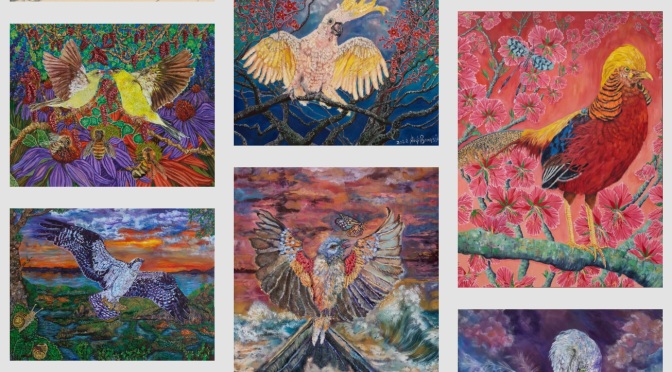
The Museum of Modern Art and HIstory in the MOAH Cedar Annex gave her a solo exhibit “Bird By Bird” in February 2022. The birds have led to many other exhibition opportunities.
“I think of myself as a drawing informed painter. This means that I mainly draw my images beforehand and during the painting process. My desire to contribute to society on a deeper level drives me in the nature series to create narrative stories around my birds. I wish to connect humans to nature and to each other. Even in nature I desire to record history and people and how we all connect to nature. It is important to preserve our wildlife and question the environment that humans create.”


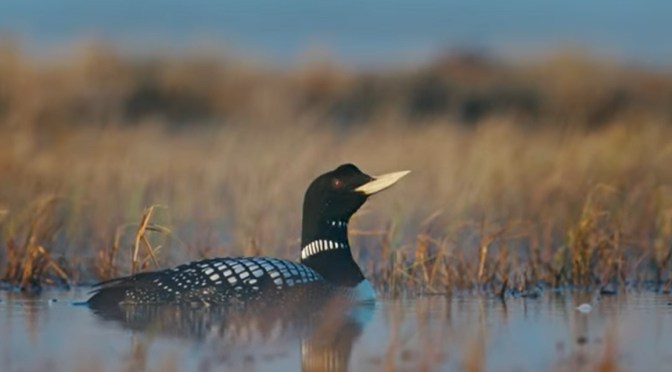
Millions of birds from all over the world flock to these wetlands every year to nest and raise their young. Come along with Cornell Lab’s Gerrit Vyn as he joins a team to capture image of the region’s birdlife.
America’s Arctic is one of North America’s last great wilderness areas, a critical habitat for migratory birds from around the world, and a treasure to be protected for future generations.

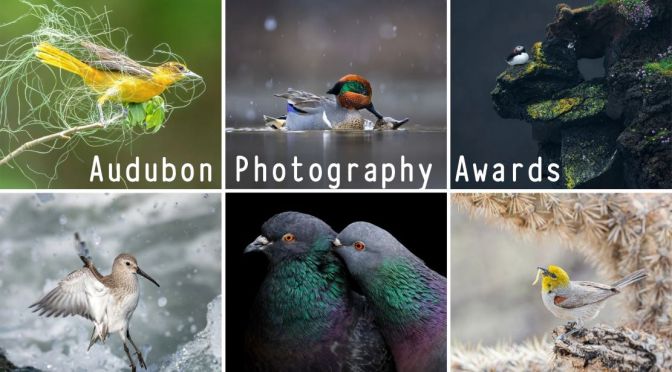
Rock Pigeon. Photo: Liron Gertsman/Audubon Photography Awards
Category: Professional
Species: Rock Pigeon
Location: White Rock, British Columbia, Canada

Species: Atlantic Puffin
Location: Westman Islands, Iceland

Species: Chinstrap Penguin
Location: Cierva Cove, Antarctica
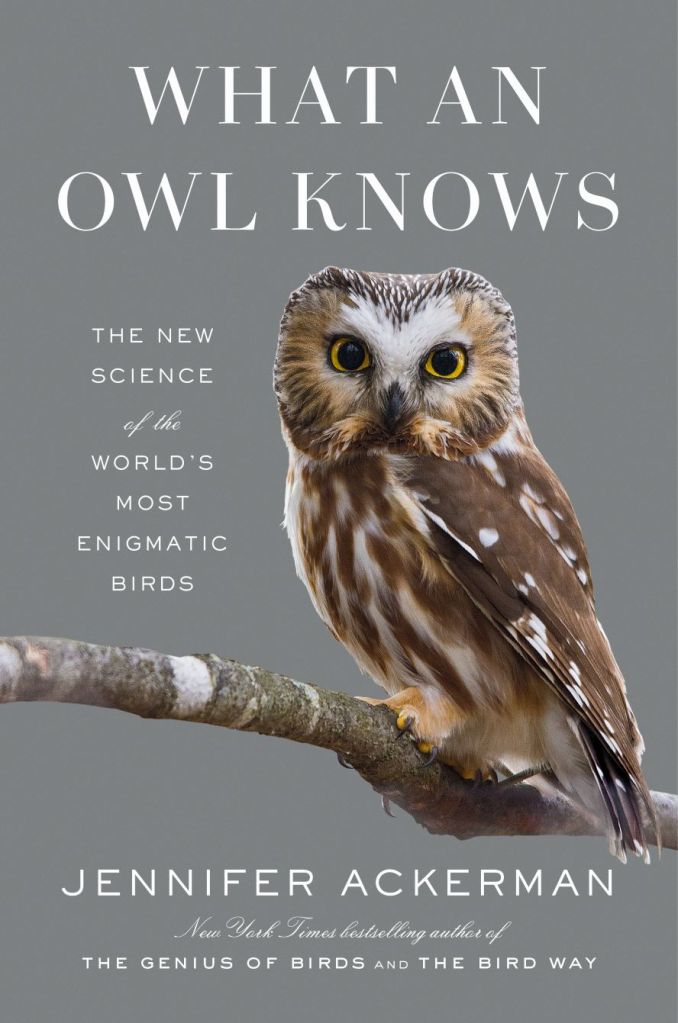
With their unnerving stare and eerie ways, it is small wonder that owls provoke superstition—and flights of fancy, as in the owl who sails with the pussycat in Edward Lear’s poem. In myths, stories and art, “owls speak of wisdom and luck, of misfortune and malevolence”, the author writes. They were associated with Athena, Greek goddess of wisdom.

Ms Ackerman is a natural-history writer who specialises in the avian world. In “What an Owl Knows” she offers an absorbing ear-tuft-to-tail appreciation of the raptor that Mary Oliver, a poet, called a “god of plunge and blood”. Owls, it seems, know a lot. Ms Ackerman draws on recent research to explain what and how.
To begin with, she stresses, there is no generic owl, but rather a diversity of some 260 species found on every continent bar Antarctica. They stretch from the fire-hydrant-sized Blakiston’s Fish Owl to the Elf Owl, which could fit in your palm. Most, but not all, are nocturnal.
Jennifer Ackerman has been writing about science and nature for almost three decades. Her most recent book, What an Owl Knows: The New Science of the World’s Most Enigmatic Birds, explores recent findings on the biology, behavior, and conservation of owls. Her previous book, The Bird Way: A New Look at How Birds Talk, Work, Play, Parent, and Think, was a finalist for the PEN/E. O. Wilson Literary Science Writing Award. Her New York Times bestselling book, The Genius of Birds, has been translated into twenty-five languages and was named one of the best nonfiction books of 2016 by The Wall Street Journal, a Best Science Book by NPR’s Science Friday, and a Nature Book of the Year by The Sunday Times.

Ganges River, Hindi Ganga, great river of the plains of the northern Indian subcontinent. Although officially as well as popularly called the Ganga in Hindi and in other Indian languages, internationally it is known by its conventional name, the Ganges. From time immemorial it has been the holy river of Hinduism. For most of its course it is a wide and sluggish stream, flowing through one of the most fertile and densely populated regions in the world.


 Boomers Daily