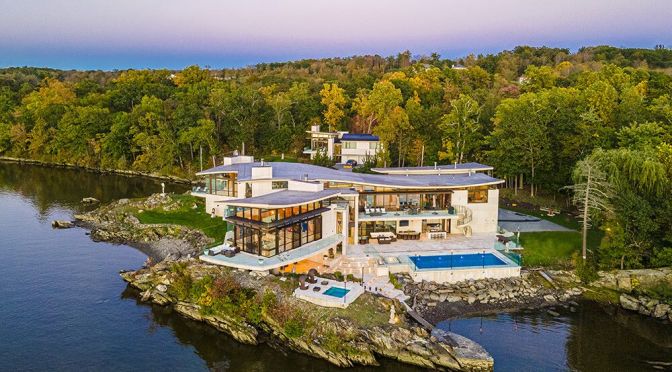
Architectural Digest (December 28, 2023) – Today AD travels 2 hours north of New York City to tour 46 Ledgerock Lane, an immense 10-acre home perched on the Hudson River.
Inspired by the work of legendary architect Frank Lloyd Wright, the property is lined with five kinds of wood, and countless types of stone, while legions of windows offer uninterrupted views of the river beyond.
One of only a handful of properties built on the Hudson River, the house is a rarity since the law now prohibits building new homes less than 100 ft from the riverbank.
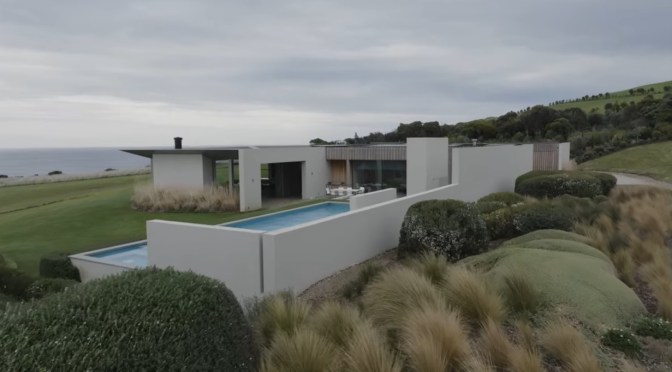
The Local Project (December 26, 2023) –Nestled into the landscape of Victoria’s Mornington Peninsula and overlooking the ocean, Peninsula House by Carr is a hidden coastal home that inspires a sense of awe and immersion, all thanks to the encompassing landscape.
Video timeline:00:00 – Introduction to the Hidden Coastal Home 01:34 – A Two Part Brief 02:28 – Experiencing The Layout of the Home 03:20 – An Expanding Floor Plan 04:12 – The Simplified Yet Rural Material Palette 05:39 – Seasonal Changes Influencing Feelings
Peninsula House has a dual purpose: to serve as a space for showcasing the client’s art collection and to become a home that would be both cosy for two occupants and able to welcome visiting guests and family with ease. Considering the placement of the hidden coastal home, with the site exposed to the challenging weather patterns of the Bass Strait, the architecture and intimate interior design were significantly influenced by the prevailing climate conditions. “We wanted to create cosy spaces that feel protected so inhabitants could retreat,” says Lucy Cuthbertson, Associate at Carr and project architect for Peninsula House.
To shield itself from powerful winds, the house nestles into the landscape, strategically incorporating outdoor spaces positioned to receive protection from the elements. Access to the hidden coastal home is through an undulating carriageway, guiding visitors to a picturesque courtyard. Continuing through a long hallway, one encounters a glass wall that frames breathtaking views of the natural surrounds. Peninsula House features a central spine that serves as an art gallery and a formal axis for the house. The public entry is through the art gallery, and this dual access is important for maintaining privacy and facilitating movement.
The Local Project (December 19, 2023) – On Waiheke Island, New Zealand, an architect designs a hidden home. Offering a distinctive New Zealand experience, Mawhiti House was created for two sisters who were in search of a unique holiday dwelling where they could peacefully retreat to.
Video timeline:00:00 – Introduction to the Hidden Home 00:43 – Designed for Two Siblings 01:49 – The Form of the Home and its Influence 02:28 – The History of the Gateway Pavilion 03:31 – In Conversation with the Home and the Landscape 04:00 – The Layout of the Home 04:45 – Incorporating A Soulful and Earthy Feeling 05:36 – Proud Moments
A place of restoration and rejuvenation, an architect designs a hidden home that evokes a sense of calm. Built on an expansive plot of land, the Mawhiti House is surrounded by native bushland along with expansive views of the ocean, which can be accessed from the kitchen, bathrooms and living spaces within. Stephens Lawson Architects has designed the form to feel welcoming to the owners and their guests all year round. As seen in the house tour, Mawhiti House combines utility with a deep spiritual atmosphere. Another inspiration for the design was the idea of a rural barn.
Accompanying the Waiheke Island residence is a gateway pavilion, a structural addition that is made out of timber and enhances the living experience. Formed out of raw, natural pieces of wood, the structure offers a unique way to experience the surrounds of Waiheke Island. The house tour also reveals that the home and pine wood gateway are in constant dialogue with each other through the triangular forms and materiality of the timber architecture. Broken into three pavilions, the dwelling is spread across the site and seamlessly blends into the landscape as if it has always been a part of it. Between the pavilions are micro courtyards positioned off the bathrooms. As an architect designs a hidden home, each courtyard is differentiated from one another to enrich the experience of the owners and their visitors alike.
The Local Project (December 15, 2023) – Distinctively robust and private, Cloister House I celebrates simple design and timelessness. MORQ creates a refuge inside a family home built around the idea of sanctuary, in a refreshing counterpoint to the busy street it sits upon.
Video timeline:00:00 – Introduction to the Family Home 01:23 – An Interesting Family Brief 02:09 – A Walkthrough of the Home 03:22 – Incorporating the Idea of Retreat and Refuge 04:29 – The Evocative Material Palette 05:45 – Design Properties of the Courtyard 06:26 – Aiming for Sustainable and Durable Design
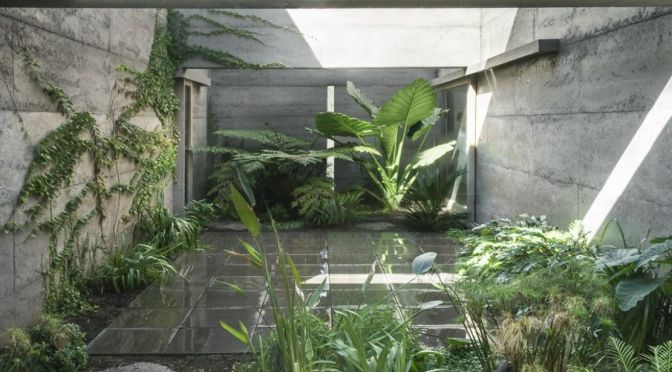
“The idea of retreat is very much an aspect of the brief, and we felt that creating a fence and leaving the inside as a void creates a peaceful space,” says Andrea Quagliola, co-founder at MORQ. The home of grandparents, Cloister House I welcomes one inside a family home built around the notion of being able to comfortably house just two, as well as cater for lots of visitors. Inside a family home built around a courtyard, the architecture feels almost fortress-like from approach.
Its concrete structural face and concrete cladding comprise of steel that resembles the red earth that surrounds the Western Australia locale of Perth where the home sits, while the interior design combines Italian design nuances, as per Andrea’s roots. The home is split into two distinct volumes – a space for just two people that relates to the central courtyard and a space for visiting family that relates to the rear of the home. This architecture enables the house to feel appropriate in smaller and larger settings, and a customised glazing system allows one to open and close the spaces as desired.
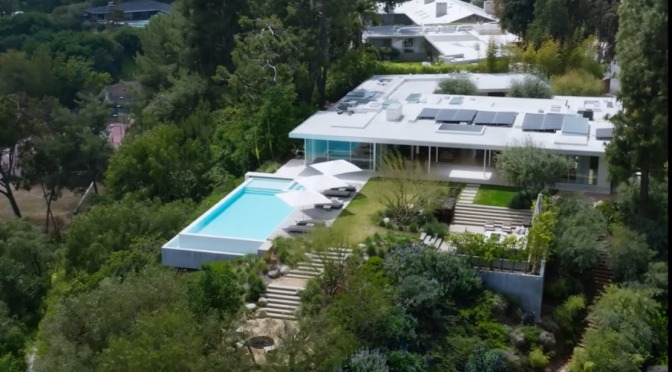
The Local Project (December 12, 2023) – In this considered restoration of a quintessential Los Angeles midcentury modern house, Woods + Dangaran designs a geometrically striking home that moves into the 21st century while acknowledging its past.
Video timeline:00:00 – Introduction to the Midcentury Modern House 00:36 – The History and Restoration of the Property 01:16 – A Walkthrough of the House 03:52 – The Era-Specific Material Palette 04:51 – A Powerful Outdoor Connection 05:52 – The Balance of Natural Light and Materials 06:18 – A Responsibility of Restoration
“We instantly felt we could improve it but that we could also preserve it,” says Brett Woods, Founding Partner at Woods + Dangaran. Located just west of Beverly Hills, the home is a refreshing departure from the contemporary mansions that line the streets. “Unlike many homes in Los Angeles, it had this courtyard leading up to the entry and the classic hallmarks of a great example of modernist architecture” says Brett.
A courtyard leading up to the entrance acts like a decompression zone before one reaches the front door. Upon entering, an intimate, dark and moody den awaits. There is a formal sitting area to the right that is more bright and complete with warm-coloured furniture and retro décor. The dining room has been relocated to be in close proximity to the kitchen, which enables an outdoor connection to the terrace. The interior design of this culinary space also captures a wealth of natural light and features generous proportions.
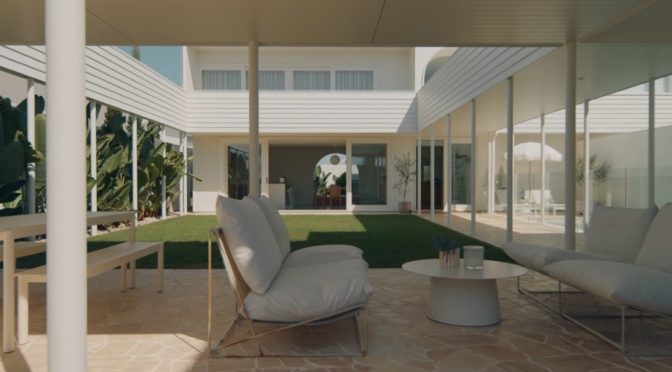
The Local Project (December 8, 2023) –Just south of Byron Bay, an architect designs a dream home that focuses on entertainment and outdoor living. Nestled between headlands, arca.house by Hogg & Lamb is a garden courtyard home, with a design that greatly considers the family’s active lifestyle.
Video timeline:00:00 – Introduction to the Dream Home 00:42 – A Beachside Location 01:05 – Meeting the Greenfield Housing Code 02:01 – A Walkthrough of the Interior Space 03:15 – The Exterior and Interior Material Palette 04:41 – Different Site Capabilities
Designed within the Greenfield Housing Code, the residence speaks to its subtropical setting by emphasising outdoor living spaces and allowing a private sanctuary for the family who reside there. The architect has moved the main building to the back of the site and added garden spaces at the front, maximising the way the family can use the property and, therefore, making it more liveable. Adding to the abode’s character is the addition of an entry feature; the architect designs a dream home with a two-storey tower that overlooks the courtyard.
Featured at the beginning of the house tour are the material design elements and architectural aspects that are later carried throughout the rest of the interior spaces. As seen in the house tour, an undercover colonnade with steel columns reveals itself as one journeys down to the courtyard, where outdoor areas have been defined into smaller spaces. Then, as one enters the front door, the house tour reveals a vaulted design, with architecture that reflects the open volume within. Moreover, the architect designs a dream home featuring arched elements both inside and out to help reflect light and foster a bespoke atmosphere as one moves deeper into the residence.
Dezeen Films (December 7, 2023) – The polycarbonate-clad Green House that architecture studio Hayhurst & Co slotted into a tight site in London has been named the RIBA’s House of the Year for 2023.
Replacing an existing home in an alleyway in Tottenham, the plant and light-filled residence is modelled on a riad – a type of traditional Moroccan house built around a central courtyard. It was hailed by the jury of this year’s RIBA House of the Year prize as “a true oasis within the city”.
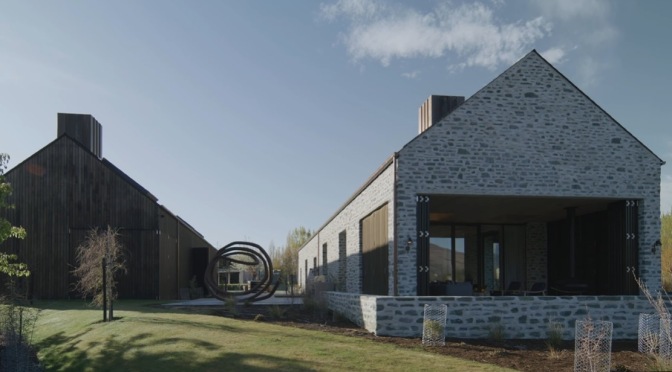
The Local Project (December 5, 2023) –The Gatehouse by architecture firm Patterson Associates Architects and interior design practice Sonja Hawkins Design depicts the journey of designing a home in the mountains of New Zealand.
Video timeline:00:00 – Introduction to the Home in the Mountains 00:38 – The Vision of a Flexible Home 01:09 – The History of the Central Mountain Location 02:03 – A Focus on the Apertures 02:29 – Connecting the Interior and Exterior Material Palette 03:52 – An Entertainers Space 05:10 – Favourite Aspects of the Home
The Local Project’s house tour illustrates how this dynamic house near the base of the famous Remarkables mountain range and its complex build rise to the exemplary topography whilst being sympathetic to the surrounding rural fabric. The journey of designing a home as compelling as The Gatehouse is nuanced, as is the decision to build such a bold home. The architecture and interior design were conceived holistically by Andrew Patterson and Sonja Hawkins, and as such, the house is a seamless blend of materials and ideals with a showstopping staircase crafted from timber and steel.
The home consists of two buildings – one stone and one timber – and in the house tour, the architecture and interior design are presented against the backdrop of New Zealand’s incomparable landscape, including the mountain range in the distance and golf course nearby. In the journey of designing a home, The Gatehouse draws on medieval influences in its interpretation of a portcullis – a historical architectural feature best described as a rising door or enclosed outdoor room typically found at the entries of castles or medieval estates. This gateway, crafted from timber and steel, leads to the custom staircase, which corkscrews through the stone building.
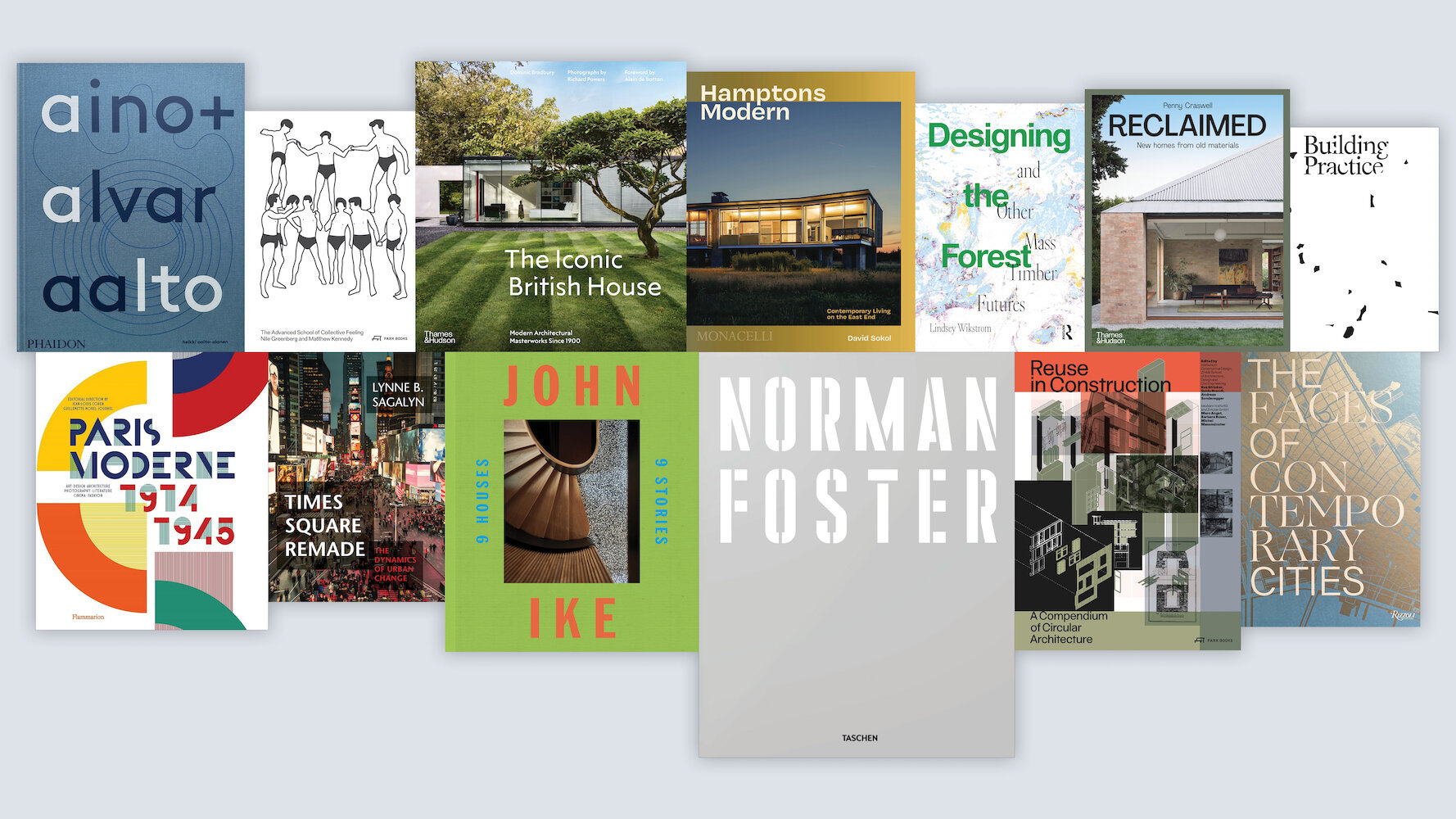
Architectural Record (November 27, 2023) – From a mammoth Norman Foster monograph to a loving tribute to Aino and Alvar Aalto penned by their grandson, RECORD’s 2023 book picks include an assortment of notable titles perfect for holiday gifting—and keeping.
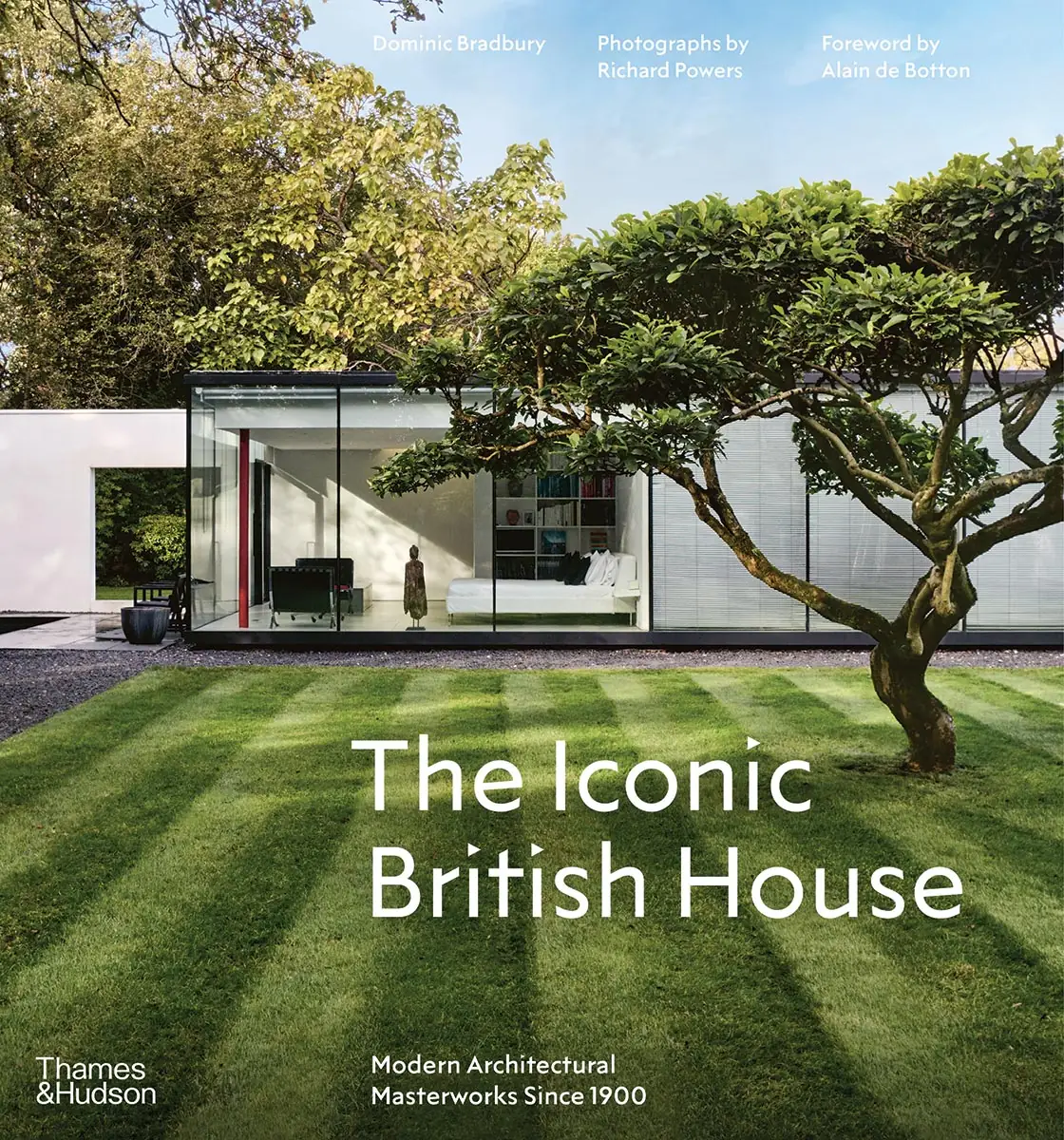
The Iconic British House by Dominic Bradbury. Foreword by Alain de Botton. Thames & Hudson, 320 pages, $65.
“This book should leave us inspired, and a little angry, in a fruitful way,” writes Alain de Botton in his foreword to this hefty, decade-hopping survey of modern domestic architecture in Britain. Kicking off with an Arts and Crafts treasure in Surrey designed by Edwin Lutyens as a rural retreat for “ladies of small means,” the book’s 50 featured domiciles—lushly photographed by Richard Powers—are pointedly diverse in style and context but unified by their creative flair, ingenuity, and ability to induce acute house envy. Don’t say you weren’t warned. Matt Hickman
Building Practice edited by Kyle Miller and Molly Hunker. Applied Research + Design Publishing, 400 pages, $35.
Molly Hunker and Kyle Miller assemble a veritable who’s who of up-and-coming architects, designers, educators, and fabricators in Building Practice. Short, thematic essays, followed by interviews with 32 contributors explore what it means to build a practice, as well as how to practice the skill of building. Far from a run-of-the-mill compilation of flashy projects, this reader on the profession’s next generation offers up valuable insight that many young practitioners would be wise to heed. Leopoldo Villardi
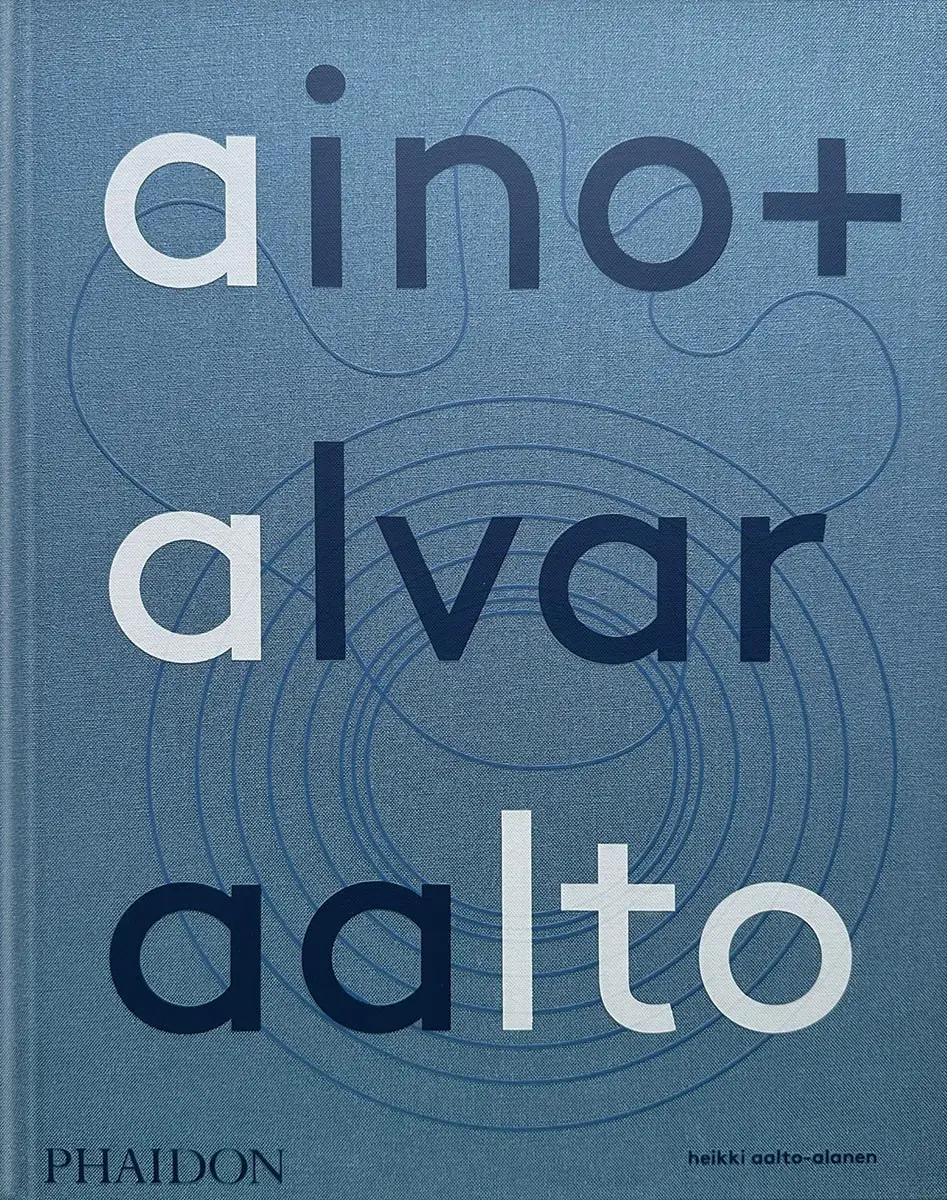
Aino + Alvar Aalto: A Life Together by Heikki Aalto-Alanen. Thames & Hudson, 352 pages, $150.
Even though Alvar Aalto remains one of the most studied subjects in architectural history, his grandson Heikki Aalto-Alanen brings readers something new and unexpected—a love story. This deeply personal account of Aino and Alvar’s life together, replete with sketches and photographs, is told through never-before-published letters that reveal Aino’s often overlooked role in the creative partnership. As Sigfried Giedion wrote in 1949, after her unexpected death: “Their true secret is perhaps that, as people, while they are the complete opposites, they are also equals.” LV
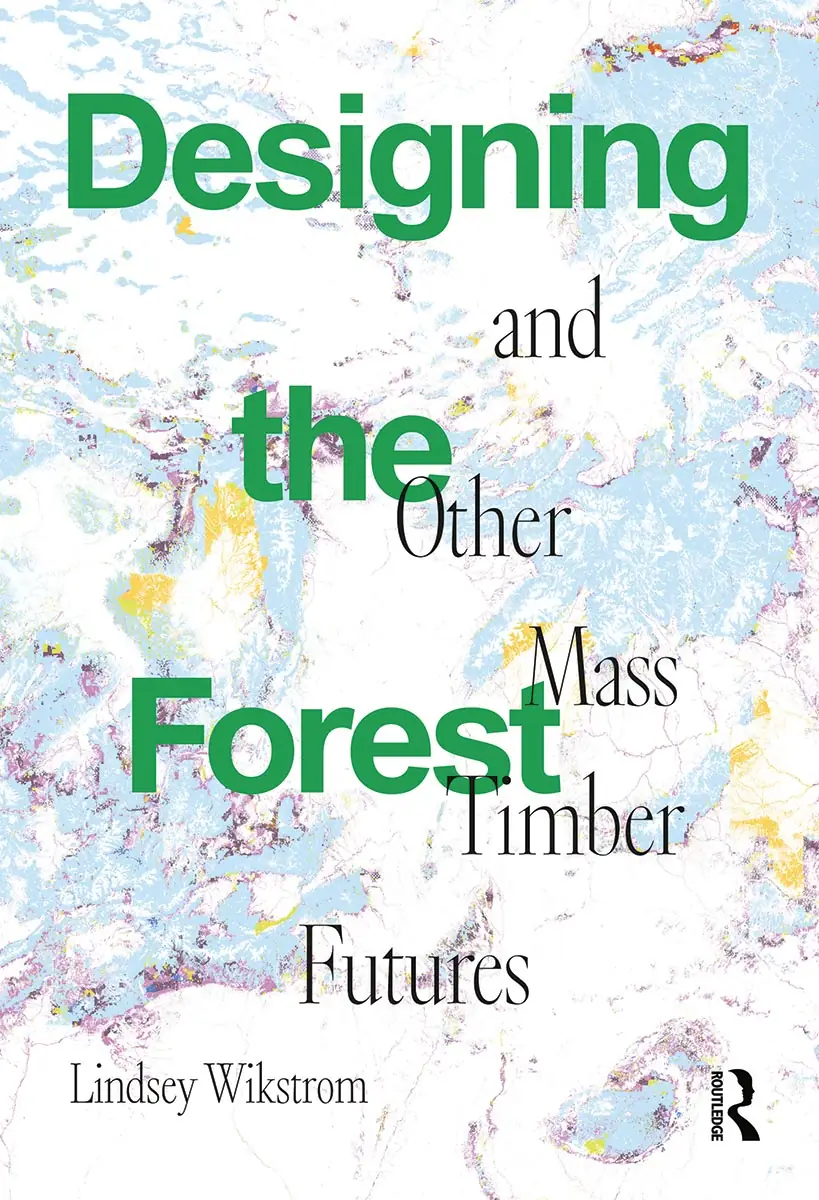
Designing the Forest and other Mass Timber Futures by Lindsey Wikstrom. Routledge, 246 pages, $35.
Mass timber is often seen as an ecologically responsible alternative to concrete and steel. But this is not a given, since building at scale with wood introduces a whole set of new challenges. This is why Lindsey Wikstrom’s book is so welcome. While advocating use of mass timber for its carbon-storing capabilities and potential to be nonextractive, she debunks misguided assumptions and probes ethical and environmental considerations. Designing the Forest provides a deep dive into the material’s complexities and its opportunities. Joann Gonchar, FAIA
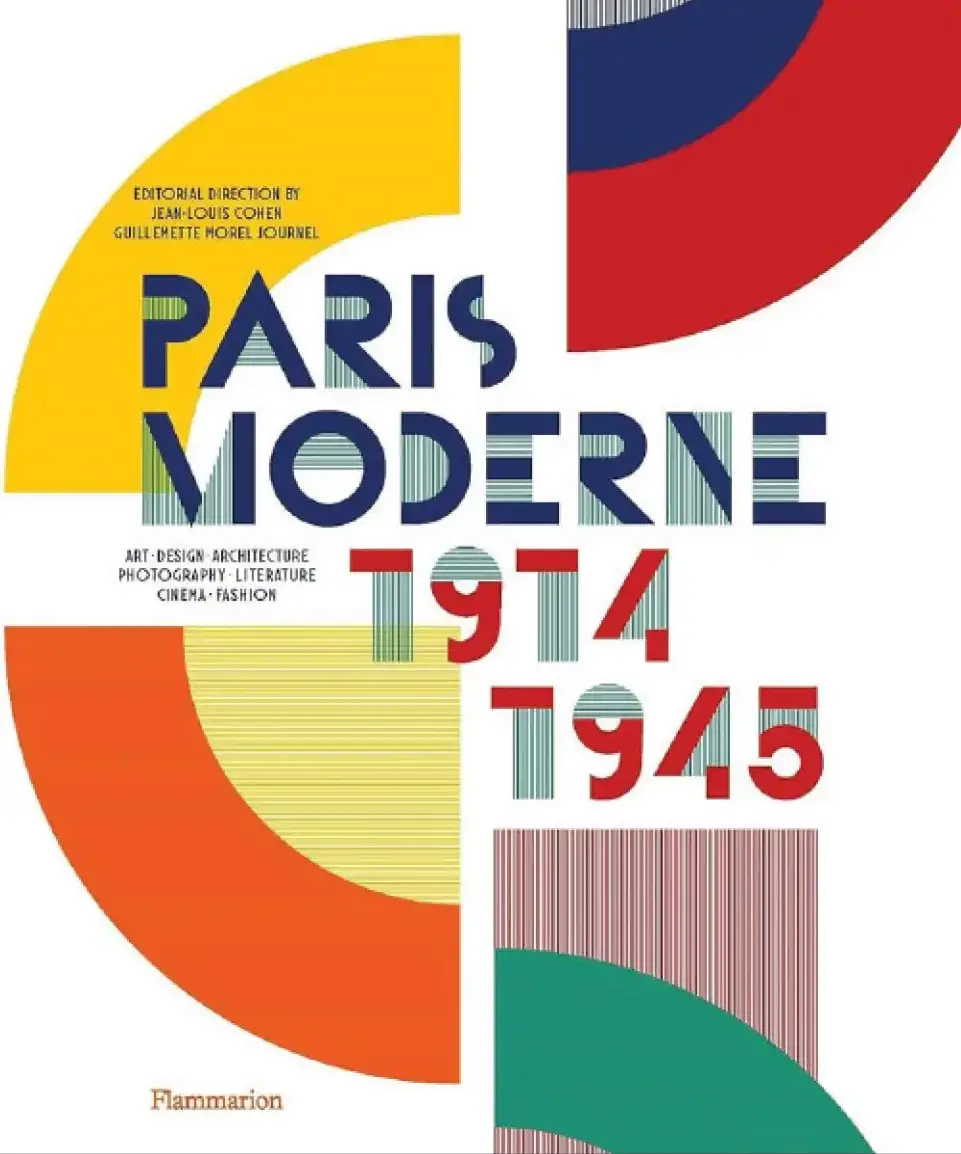
Paris Moderne: 1914–1945 by Jean-Louis Cohen and Guillemette Morel Journel. Flammarion, 356 pages, $65.
When Jean-Louis Cohen unexpectedly died in August, Gwendolyn Wright wrote in record that the profession had lost “the most insightful, wide-ranging, lyrical, and prolific historian of modern architecture.” Published posthumously, Paris Moderne, 1914–1945 surveys French design culture, from the overlooked to the widely known. Bookended with photo-essays by Antonio Martinelli, this encyclopedic volume would feel at home in the library of any historian or Francophile. LV
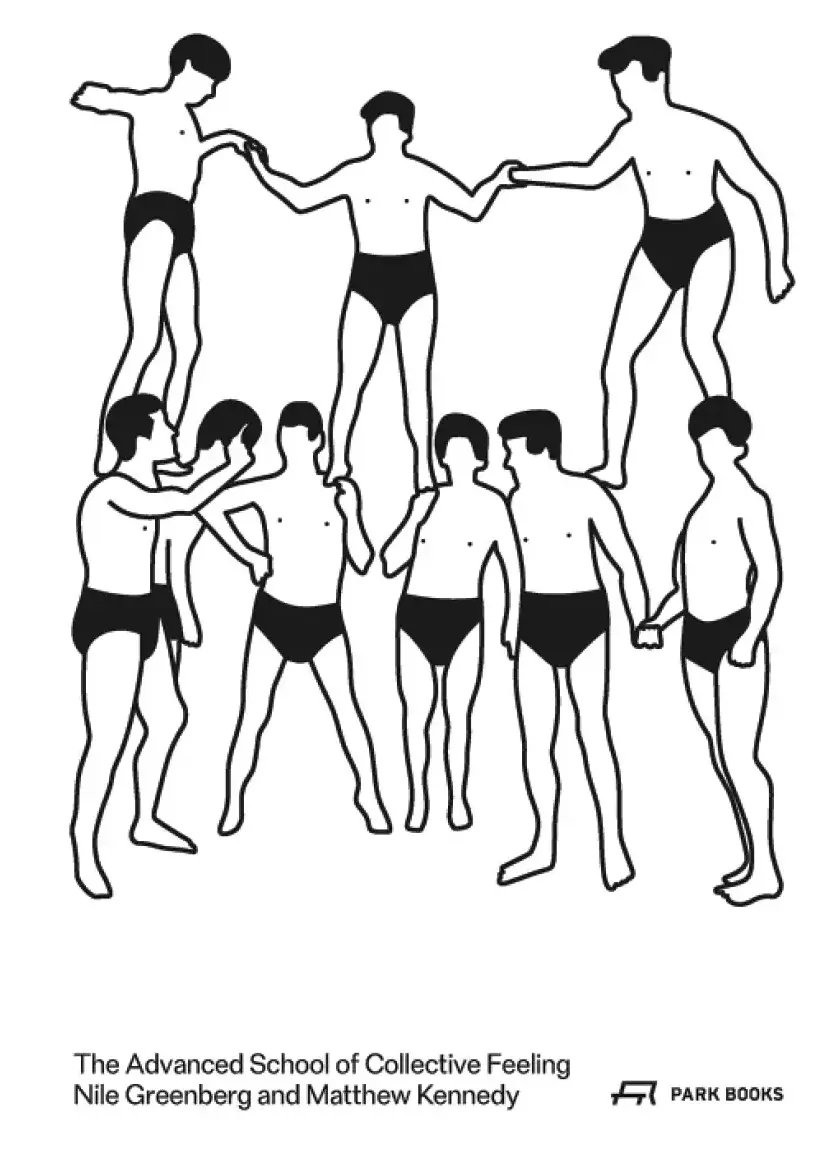
The Advanced School of Collective Feeling: Inhabiting Modern Physical Culture 1926–38 by Nile Greenberg and Matthew Kennedy. Park Books, 176 pages, $40.
From the scantily clad figures on its cover to a ribbon bookmark that doubles as an architectural scale, The Advanced School of Collective Feeling is every bit as playful as it is a book about play. This jog through the history of physical culture vis-à-vis modern architecture features a series of drawings (beautifully rendered in metallic ink over black paper) and an impressive assortment of archival imagery. Taking the book over the finish line: a collection of somersaulting, weight-lifting, and jeté-ing silhouettes that are bound to elicit more than a few smiles. LV
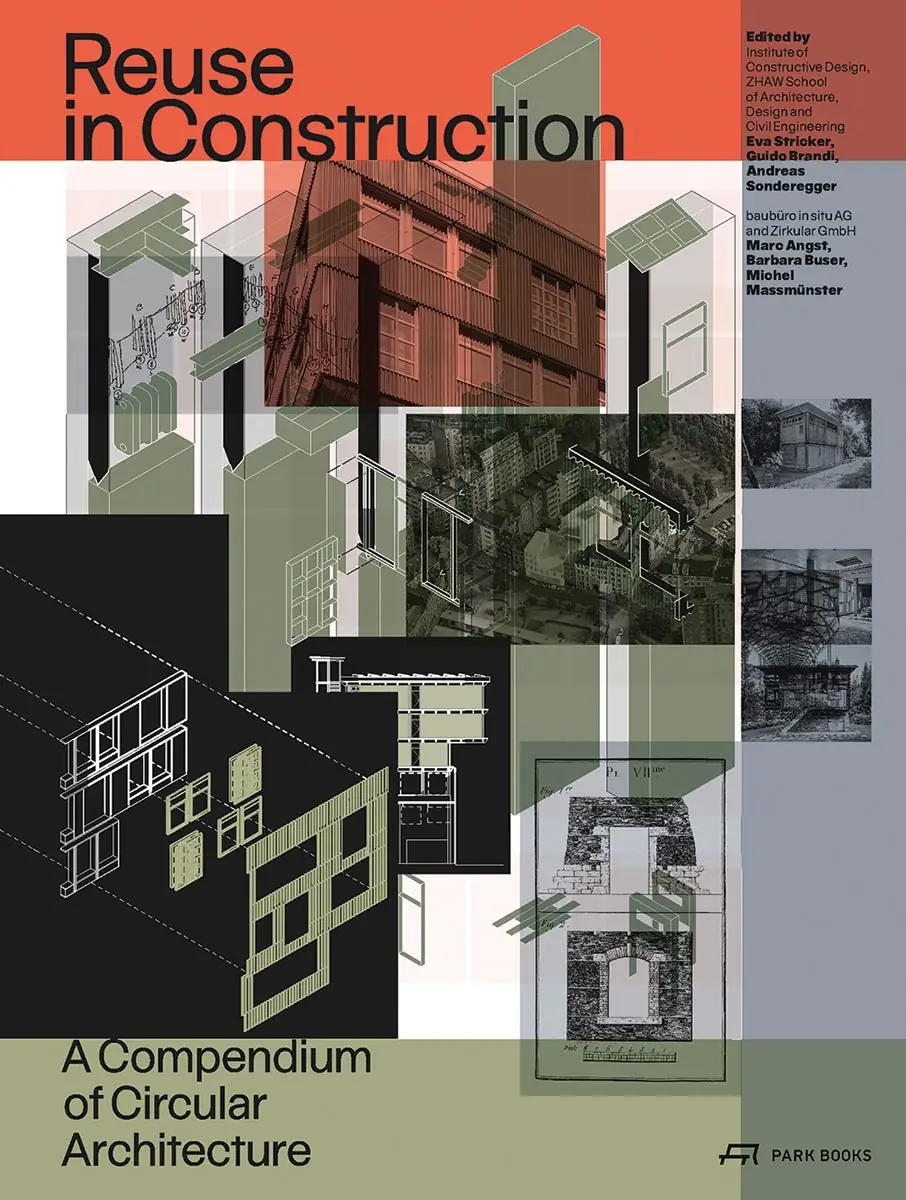
Reuse in Construction: A Compendium of Circular Architecture edited by Eva Stricker, Guido Brandi, Andreas Sonderegger, Marc Angst, Barbara Buser, and Michel Massmünster. Park Books, 344 pages, $75.
Green-building advocates agree that the construction industry is in dire need of an alternative to its typical “take-make-waste” model. But, so far, circular processes are extremely difficult for most architects to implement. Reuse in Construction is intended to help address this problem with an in-depth documentation of K.188, a building-expansion project in Winterthur, Switzerland, that relied almost exclusively on reused components. In addition to this case study, the book discusses the long history of circularity in architecture, as well as a range of practical concerns, including legal, economic, and energy-related issues. JG
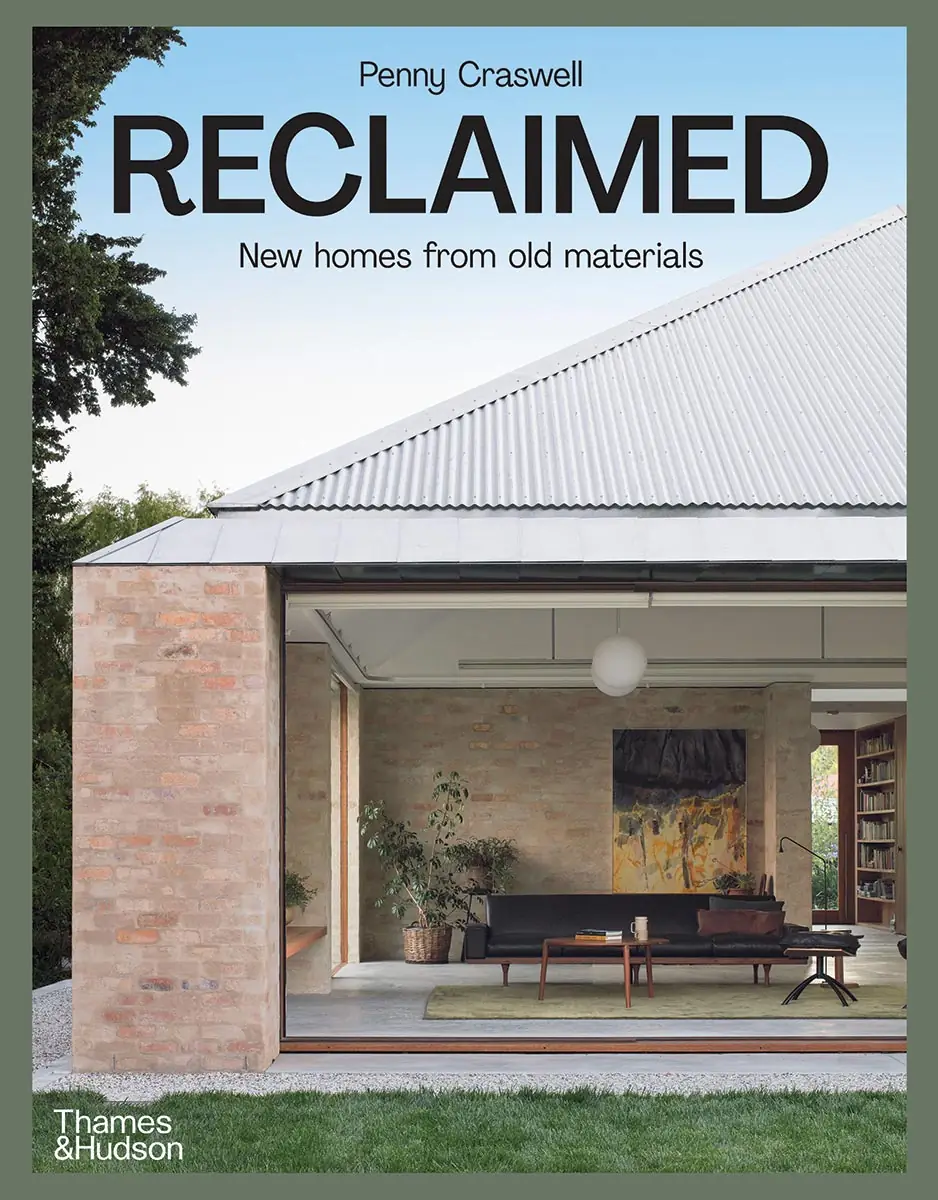
Reclaimed: New Homes from Old Materials by Penny Craswell. Thames & Hudson, 272 pages, $45.
The World Green Building Council estimates that the built environment is responsible for 40 percent of global carbon emissions—10 percent stemming directly from embodied carbon from new materials and construction. Reclaimed offers an alternative to the status quo, demonstrating how to reuse materials for contemporary residential design. Divided into four material categories—brick, timber, metal, and postconsumer waste (denim repurposed as insulation, or recycled-plastic countertops, for example)—this thoughtful guide catalogues 24 houses and apartments across the world. Matthew Marani
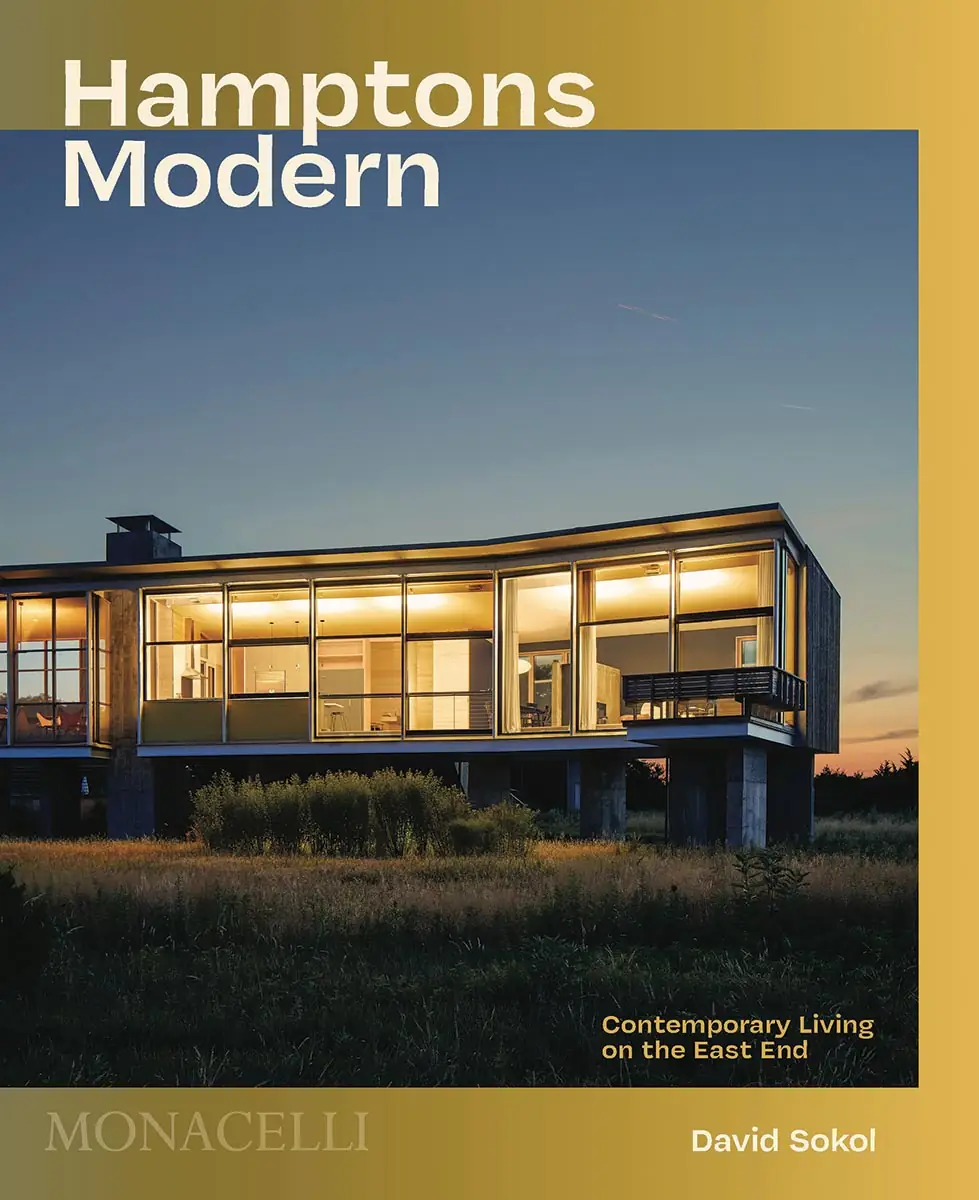
Hamptons Modern: Contemporary Living on the East End by David Sokol. The Monacelli Press, 224 pages, $65.
Intrepid New Yorker and record contributing editor David Sokol travels the East End of Long Island, exploring how the area’s roots in Modernism are shaping its contemporary residential architecture (apart from the manses for the rich and famous). Highlighting 18 houses, on both the South and North Forks, Sokol organizes this richly illustrated work into three sections: Stewarding the Past, Extending the Legacy, and Setting New Precedents. Infused with history, anecdotes, and interviews, this engaging ode to a design movement’s influence in time and place would be an asset to many libraries—and it’s a pleasure to read. Linda C. Lentz
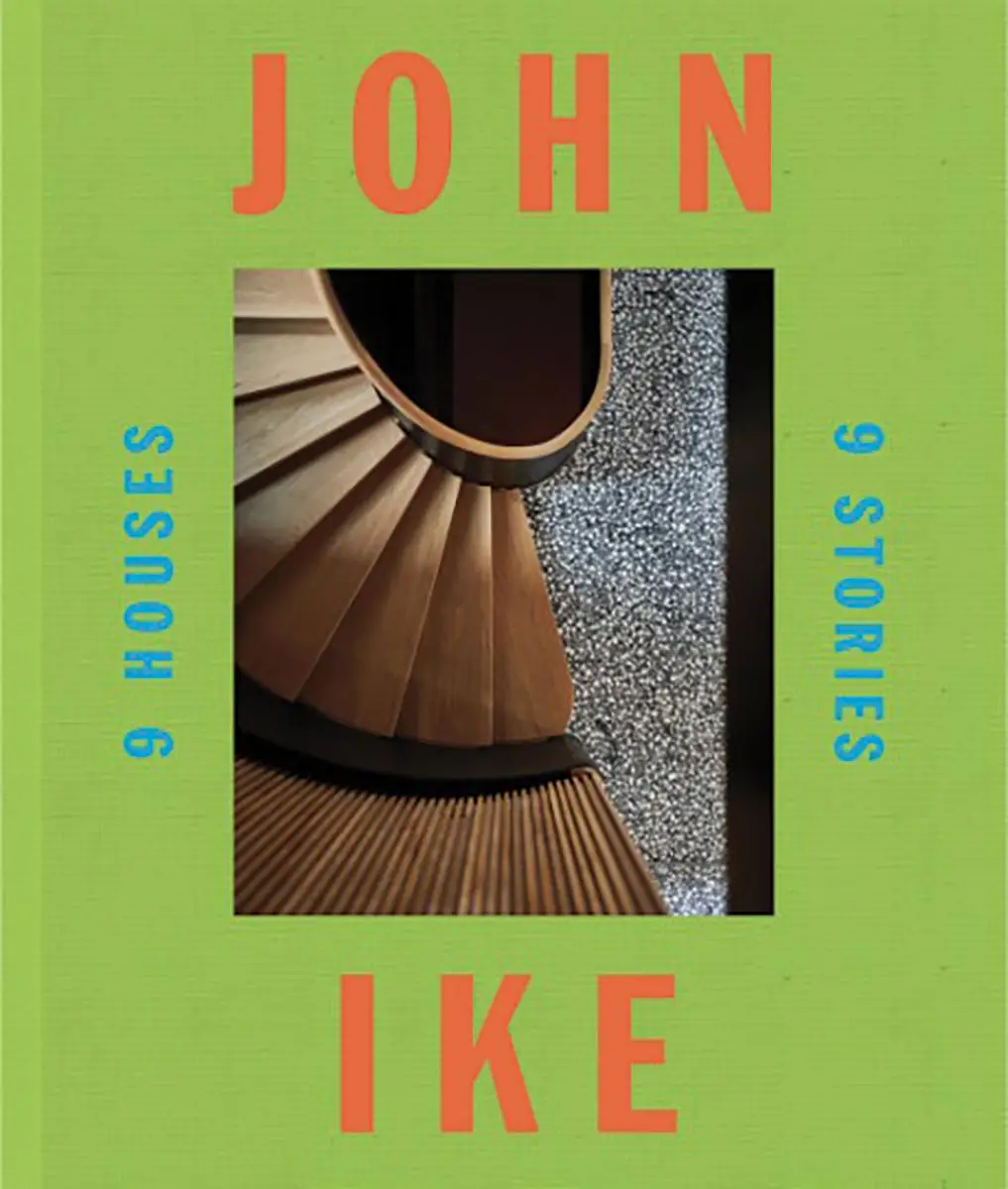
John Ike: 9 Houses, 9 Stories by John Ike and Mitchell Owens. Vendome Press, 304 pages, $75.
A chartreuse cloth cover with blue and tangerine lettering make this eye-catching showcase of residential work difficult to miss on a bookstore shelf. Nine dwellings—deeply contemporary yet full of historical references—slowly unfold over 304 pages, accompanied by the personal stories behind their making. But, reflecting on the collaborative nature of practice, the storytellers are just as varied as the houses. Among them are clients and contractors, as well as former firm partners Tom Kligerman and Joel Barkley. “9 Houses, 9 Stories is intended as a salute to our work,” Ike writes in the introduction. “It also marks the official end to the 34-year run of Ike Kligerman Barkley.” Each of the three architects has now gone out on his own, and readers will need to patiently wait to see what’s next in store. LV
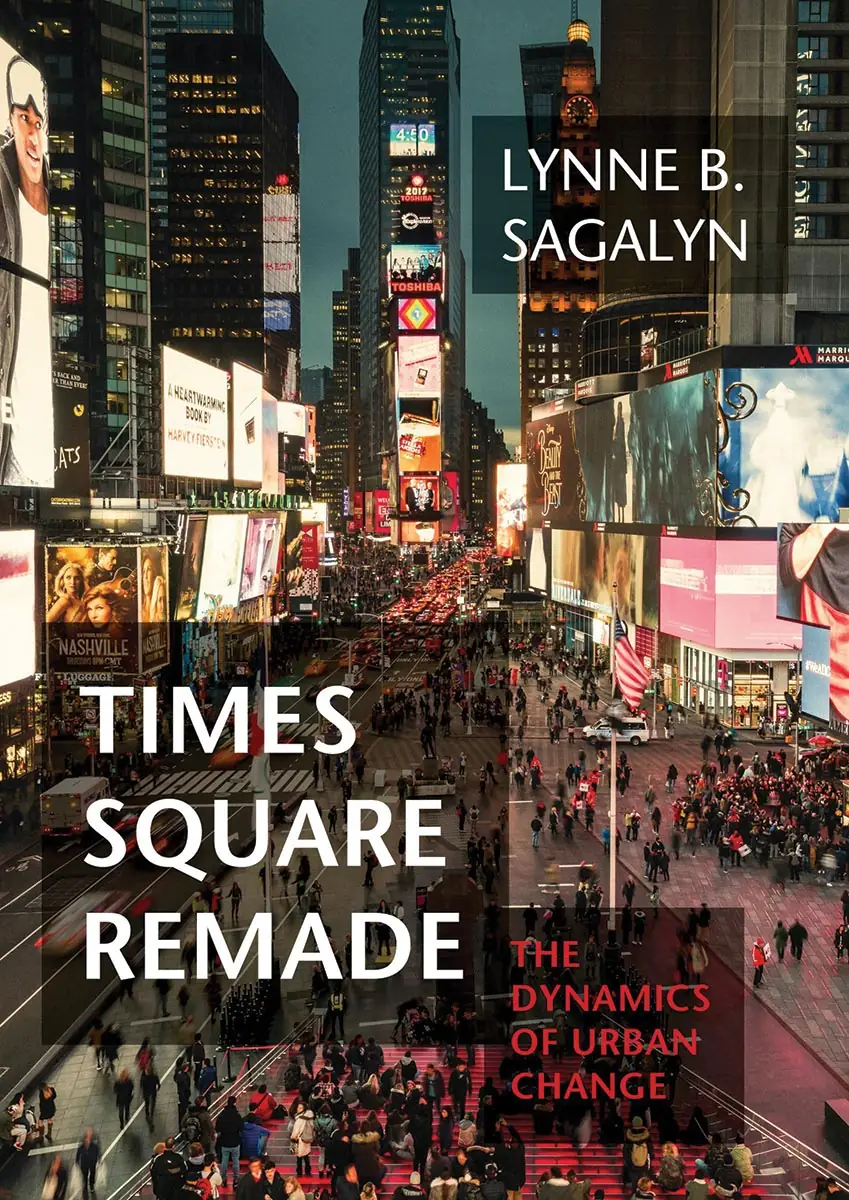
Times Square Remade: The Dynamics of Urban Change by Lynne B. Sagalyn. The MIT Press, 440 pages, $40.
Take a front-row seat to the detailed chronicle of the making, remaking, “ruin,” and revival of New York’s “symbolic soul.” From Times Square’s Gilded Age inception as a highbrow arts destination to its working-class takeover as a carnivalesque playground, then its decline into a destination for pornography and prostitution and the 20-year sanitization campaign that followed, Columbia University professor emerita Lynne Sagalyn doesn’t confine herself to the broad strokes of financial deals or political machinations. She emphasizes the street-level humanity that has persisted at the “crossroads of the world,” throughout the fluctuations in its identity. Pansy Schulman
Norman Foster: Complete Works 1965–Today by Norman Foster. Taschen, 1,064 pages, $350.
Accompanying the Norman Forster retrospective held at Paris’s Centre Pompidou earlier this year, this monograph is undoubtedly the heavyweight—literally, at 26 pounds—of architecture-book offerings in 2023. Neatly packaged in a 19″ by 15¼” by 5½” cardboard carton, this two-volume edition (one is titled “works” and the other “networks”) presents the Pritzker Prize–winning architect’s life, work, and personal interests in XXL format, with writings by Taschen regular Philip Jodidio and Foster himself. Not suitable for those who prefer to travel light! LV
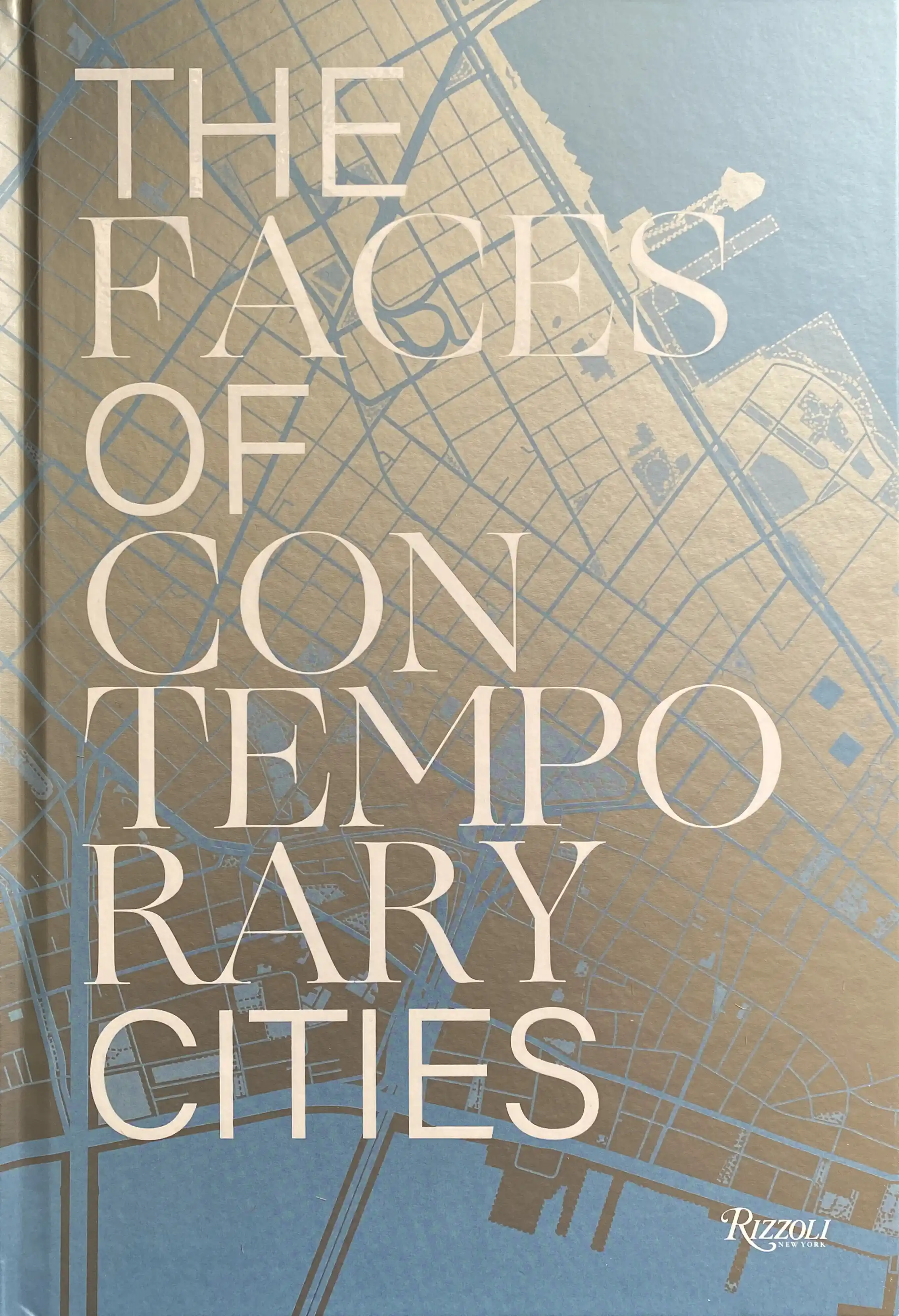
The Faces of Contemporary Cities edited by Davide Ponzini. Rizzoli, 240 pages, $65.
The story of Permasteelisa began in Italy 50 years ago. That small window manufacturer grew to become the company behind the facades of some of the world’s most famous buildings, including Renzo Piano’s Shard in London and Frank Gehry’s Guggenheim in Bilbao. This book reveals how the work of these architectural giants is made possible in part by companies such as Permasteelisa, which draws on its constant research into technology and materials to offer solutions for constructing the most futuristic buildings. With texts by international urban planning scholars and data analysis and georeferencing methodologies developed at the Transnational Architecture and Urbanism Lab (TAU-Lab) of the Politecnico di Milano, the book shows how Permasteelisa’s know-how has allowed it to shape the faces of many contemporary cities such as New York, Paris, London, Berlin, Frankfurt, Milan, Hong Kong, and Sydney.
The Local Project (November 28, 2023) – Designed as a tree house and woven into the landscape of California’s Martis Valley – within striking distance of Lake Tahoe – is Analog House, jointly designed by Olson Kundig and Faulkner Architects.
Video timeline: 00:00 – Introduction to the Tree House 00:44 – Respecting the Landscape Throughout the Design 01:26 – A Quiet Scheme 01:50 – A Conversation Rather than a Brief 02:26 – Walkthrough and the Layout of the House 03:20 – The Singular Choice Materials 04:32 – Exciting Aspects of the Space 05:26 – The Gizmos 06:40 – Favourite Parts of the Process and Design
Due to its location and the nature of its form, the home seamlessly echoes its alpine surroundings and becomes part of the forest floor through conversational design. Situated in a dense forest, the architecture was conceived to be environmentally sensitive. The glass doors and exterior rainscreen are made of recycled steel and the wood frame employs engineered wood studs, joists and rafters. The structure’s steel skin also requires no maintenance and is fire-resistant. As such, the architects not only created a dwelling that nestles into the surrounds but one that greatly considers and responds to the environment.
As seen in the house tour, there is a harmony in the home’s design; it offers seamless transitions from room to room, showcasing the transformed spaces both inside and out. Designed as a tree house, the pièce de résistance of the dwelling is the steel tower – a three-storey structure that rises from the main volume. Designed as a guest wing, it comprises bedrooms with ensuite bathrooms and a rooftop deck with sweeping views. In the main volume of the house lies the kitchen and utility areas, with moveable glass doors that open up to the outdoor spaces and allow for plenty of fresh air to enter the abode.
News, Views and Reviews For The Intellectually Curious









 Boomers Daily