

From the Voyage.auto website:
Voyage (is) building the technology to deliver on the promise of self-driving cars. Our first service offers residents safe, autonomous transportation anywhere in their community at speeds up to 25 MPH. This approach lets us solve real transportation challenges today, while setting the foundation for our long-term vision: developing a technology that can drive anyone, on any road, at any time.
Our vehicles are equipped with the best sensors available, giving us a 360-degree picture of the world hundreds of meters from the car. We extensively leverage machine learning to develop state-of-the-art perception models, and have built a rich data pipeline that allows us to continuously improve based on real-world driving. Our multiple sensor modalities give us great perception, while improving the safety and operational redundancy of our autonomous service.
To read more: https://voyage.auto/technology/













 Scott Burger, MITEI Energy Fellow and researcher, discusses rooftop solar economics, net metering, energy poverty, and electricity costs. Show notes and transcript:





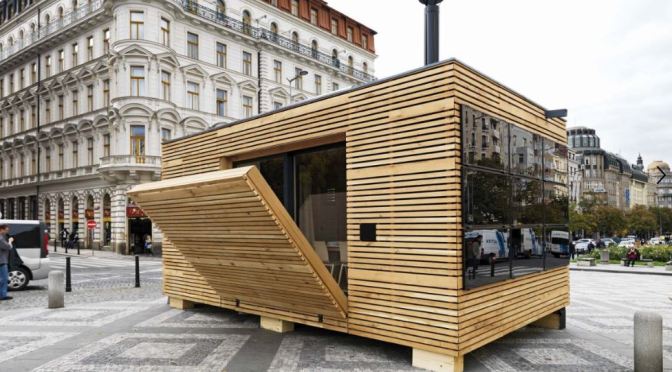
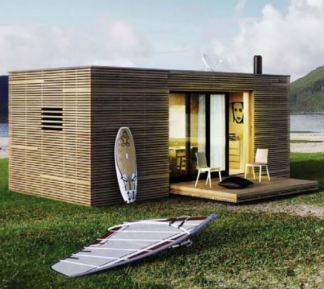 Freedomky offers a unique way of living that combines thoughtful design, style purity and uncompromising material quality. Freedomky are charming houses you just choose and then move right in. You don’t have to follow it; it comes wherever you decide. A pleasant space with minimal energy requirements, it’ll hook you immediately. Once you enter, you’ll understand. Maybe you’ll start to live a little differently, freely. Freedomky is not just a house, it’s a lifestyle.
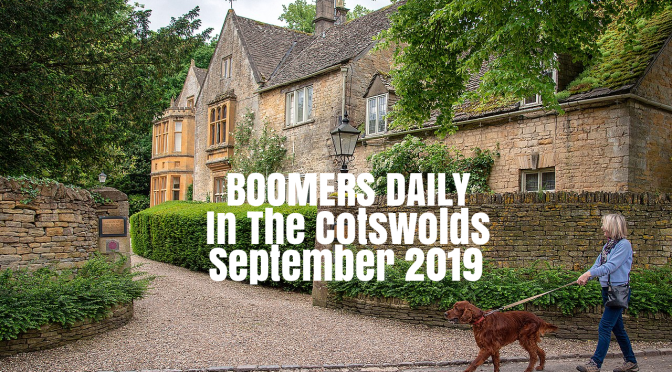
 A brisk 2.9 mile walk (yes, 2.9 miles) in mildly drizzly weather from The Swan Hotel door back to the breakfast room set up a perfect day.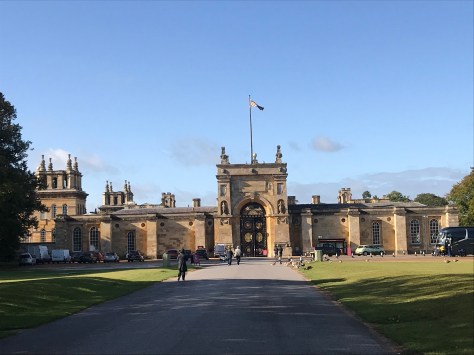





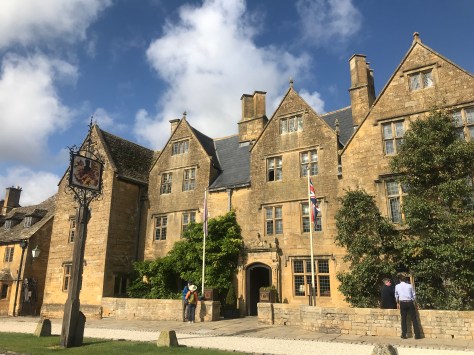
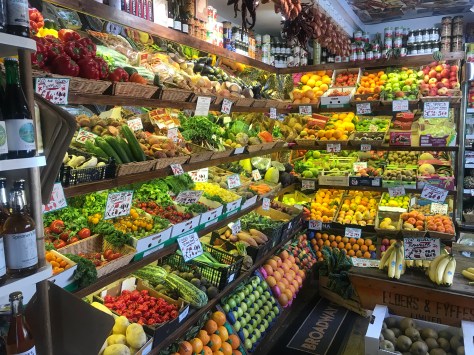

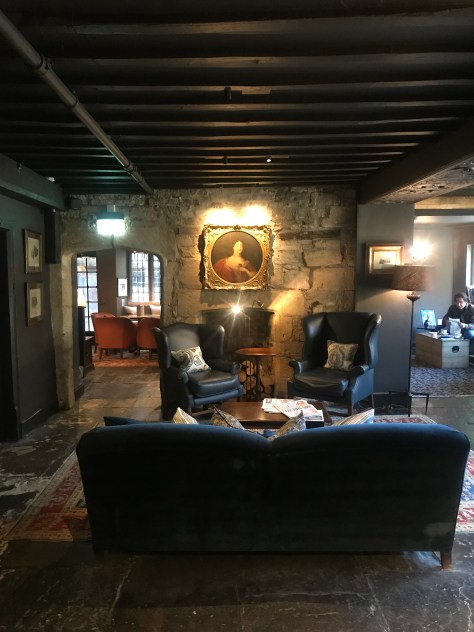


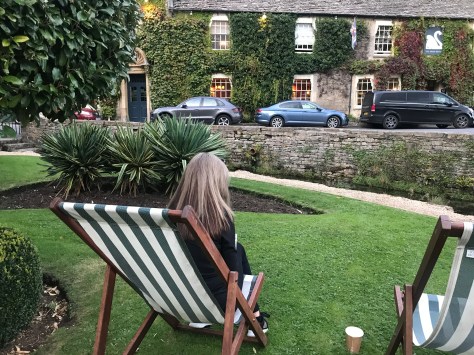

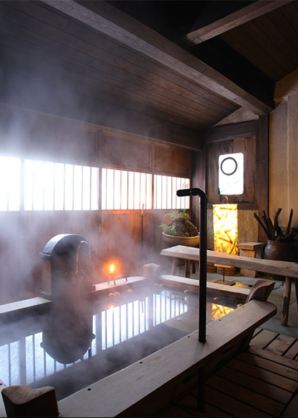 Situated along the winding mountain road that is the historic village of Omori, Takyo Abeke is hidden behind a rustic bamboo fence covered in climbing roses and shielded from the road by a deep courtyard garden. The 228-year-old building was once the home of the Abe family (Abeke), who were administrative officials for the Iwami Ginzan silver mine dug deep into the mountains at the top of the village. During the 17th and 18th centuries the silver mine was the largest in the world, and its output financed not only bustling local village life and imposing houses like Abeke but also Japan’s rapid economic growth, urbanization, and flowering of its unique culture of shibusa— aesthetics based on nature, simplicity, and the ephemeral—during the first centuries of the Edo period (1603-1868).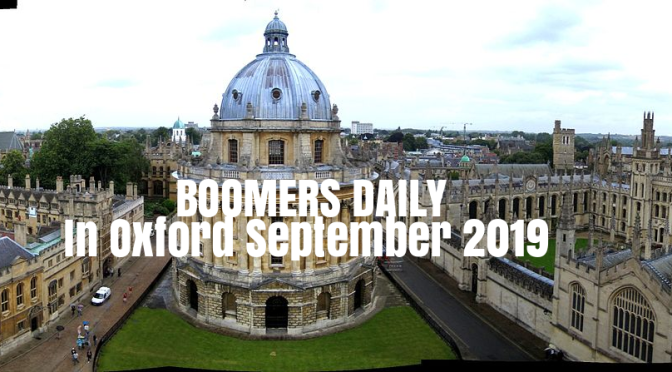


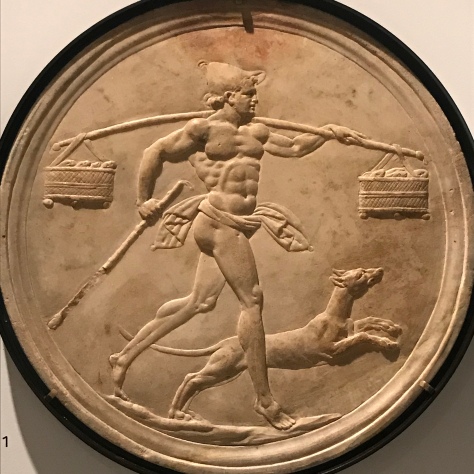
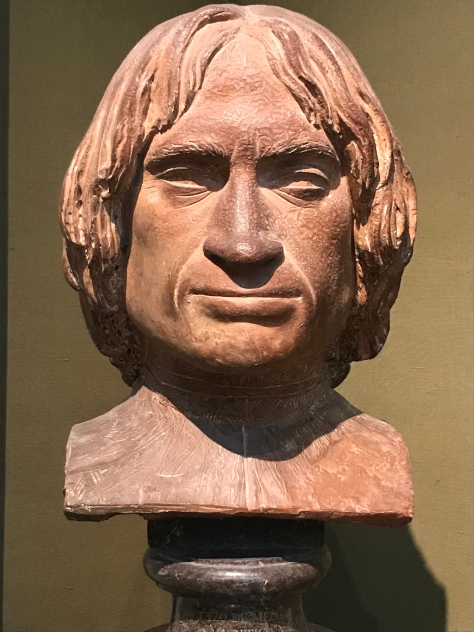
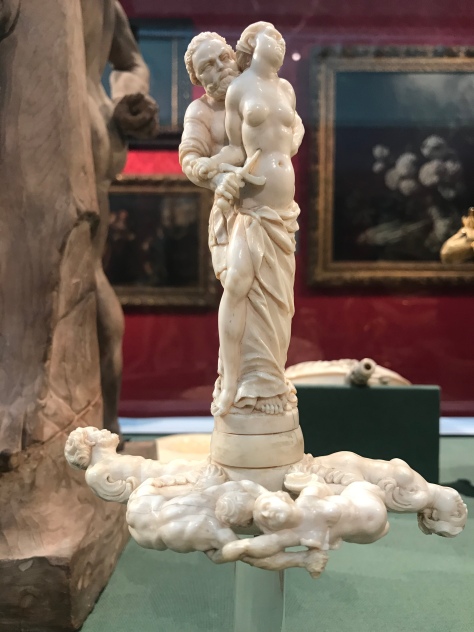
 Our first stop was the Ashmolean Museum, which was remarkably uncrowded at 9:30 am this Wednesday morning. We paid to see the special exhibit “Last Supper In Pompeii” and it was outstanding.






 Boomers Daily