From a Hotel Management online article:
 By next year, Zeidan expects Life House to have more than 20 hotels open or under construction across the country, with new developments in Brooklyn, N.Y.; Denver, Colo.; and Lake Tahoe, Nev. “Ninety percent of our hotels are historic buildings that we convert and re-imagine into lifestyle products,” he told HM. In developing each property, the company’s creative team examines both the logistics of the asset and the narrative of the building and its location. “Historic buildings have a tremendous amount of stories and inspiration to draw from,” said the executive.
Life House opened its first hotel late last year in Miami’s Little Havana neighborhood and will have five more hotels in the city by the end of 2019, as well as a further five beyond Miami. In total, Life House has signed more than 500 rooms across nearly 10 projects so far, spending less than $5 million of venture capital and positioning the company to raise a Series B round of funding this summer.
Zeidan’s asset-light growth plans for Life House are focused on markets with high hotel prices and where home-sharing services are highly regulated. Miami’s Airbnb regulations and seasonality made a boutique brand a good fit, he said, and the high prices on hotels in Nantucket made that city optimal for a lifestyle brand. “And there’s an under-supply of hotel inventory there,” he added.
To read more from article click following link: https://www.hotelmanagement.net/transactions/100m-hand-life-house-has-big-plans-for-small-hotels
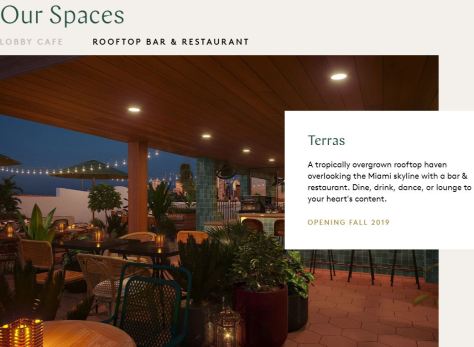
Website: https://www.lifehousehotels.com/


 Rent the Backyard works with a partner to build the apartment, finances the construction, lists the property, selects the tenant, collects the rent and serves as the landlord. In exchange for all that, it has an ownership stake in the unit and keeps 50% of the rent.

 While it may be unassuming, B.T.’s is hardly undiscovered. The lines get long, so time your trip to hit the smokehouse when it opens at 11 a.m. or during the late-afternoon lull. Order your meat to go, grab a beer at the convenience store next door, and park yourself on the hood of your car, the curb, or anywhere you can find a spot. It isn’t glamorous, but it is astonishingly good.


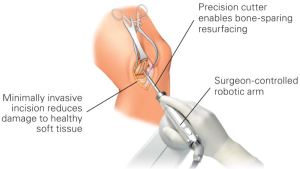 “Knee replacement is increasing in frequency, and it has an associated substantial cost implication to any health-care provider. It is also essential that patients receive the most efficacious operation for this condition. Before our study, and despite several cohort-based reports, knowledge of whether one operation type is superior, remained uncertain. Our 5-year study has indicated that both TKR and PKR are beneficial interventions but, based on our combined clinical and cost-effectiveness data and providing the operation is performed by those with adequate experience, we recommend that PKR should be offered as the treatment of choice for late-stage isolated medial compartment osteoarthritis of the knee.





 Costochondritis is caused by inflammation of the cartilage between the ribs and the breastbone, called the costosternal joints (see illustration). This uncommon condition can trigger a stabbing, aching pain that’s often mistaken for a heart attack.
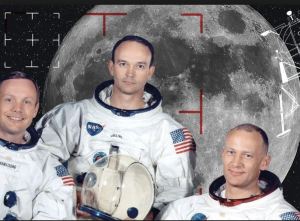 The first question is often ‘why haven’t we been back?’ Fifty years since humans stepped onto the surface of a foreign planetary body there has not been another event to rival it. Not in space, nor back here on Earth.

 Pencils are discarded, as lighters and umbrellas are, because at some crucial moment they fail in their purpose. They refuse to ignite, quail before a shower, or simply snap. But pencils have merely suspended their usefulness. Their potential still lies within them. They can go on setting down by the thousand the words by which the world works.
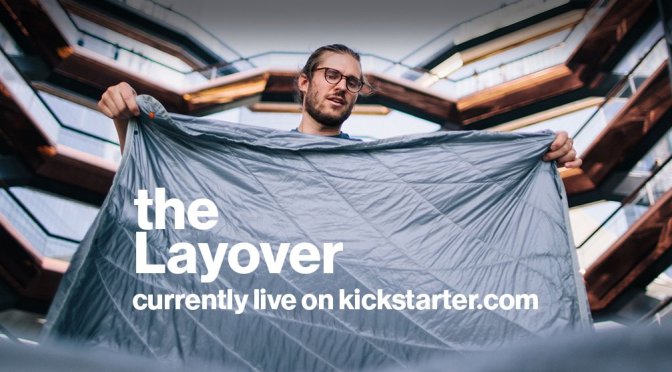
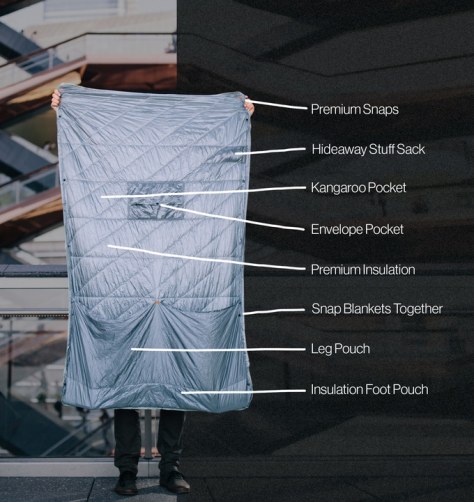
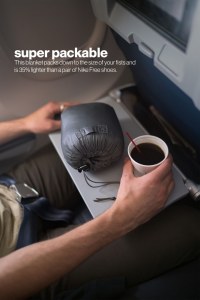 Designed with the soul of a sleeping bag, the Layover is a blanket explicitly built for traveling with. Its construction beats those flimsy, tiny, smelly blankets they hand out on flights, and gives you a full-body comforter that wraps you in its cocoon-esque design. Crafted with a breathable nylon exterior and an insulated interior, the Layover is cozy and can keep you warm in those often-chilly flights. Unlike traditional flat, rectangular blankets, Layover’s design comes with pockets and pouches for your hands, legs, and even a few key belongings (like your passport or boarding pass), giving you an experience comparable to being a baby kangaroo in its pouch. The Layover fits your body like a glove, keeping you absolutely snug and ensuring that the blanket doesn’t come off when you move or turn in your sleep. Pair it with a good eye mask and neck pillow and you’ve got yourself the holy trinity of effective transit-napping.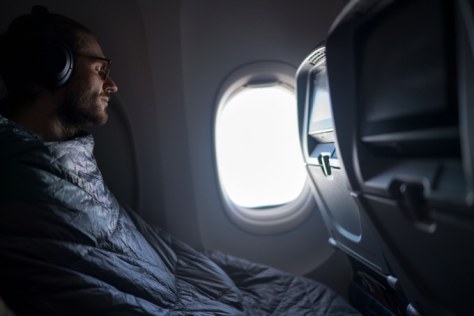

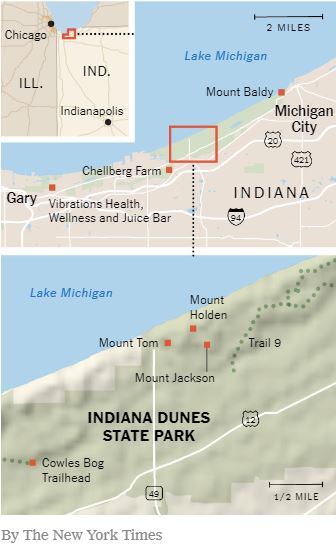 The volunteer encouraged me to take the 3 Dune Challenge, a 1.5-mile hike up Indiana Dunes’ three highest dunes (Mount Tom, 192 feet; Mount Holden, 184 feet; Mount Jackson, 176 feet), adding that completion of the Challenge would yield a “special reward.”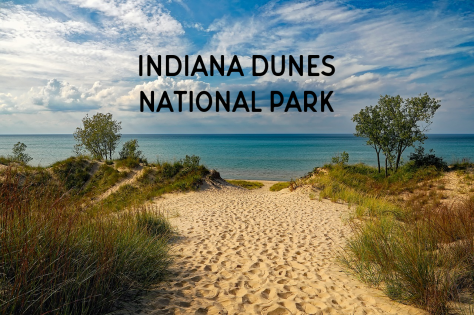
 Boomers Daily