
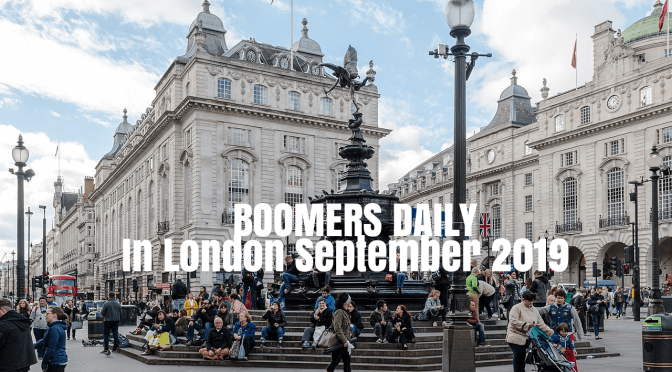
 After a great British breakfast, hopped on the Tube at Tower Hill and headed for the South Kensington station. Arrived at the Victoria & Albert Museum as it opened at 10.

The V&A has an amazing collection from all over the former British Empire, Europe and the United Kingdom.

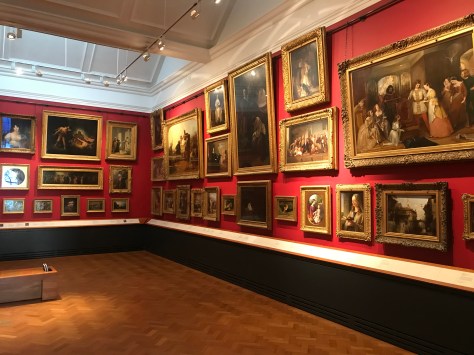
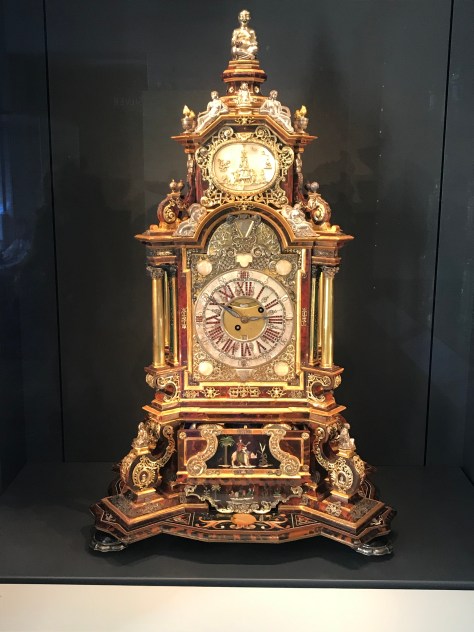

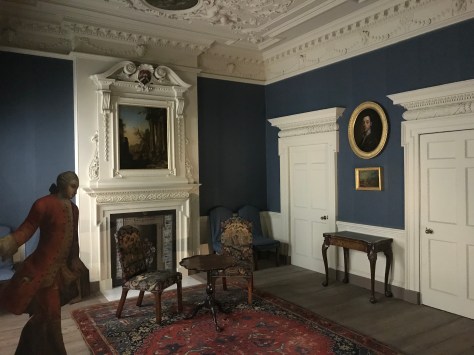

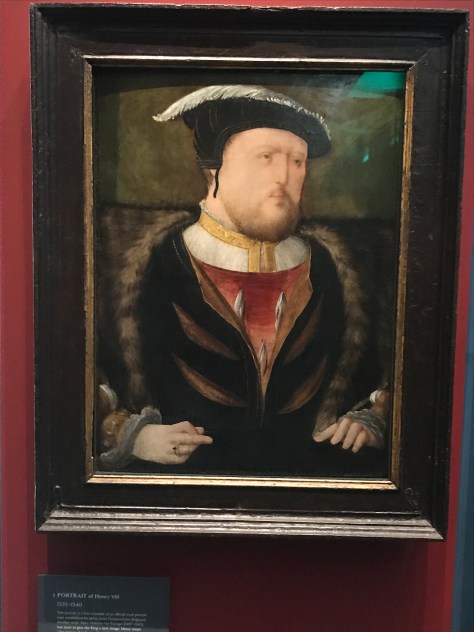

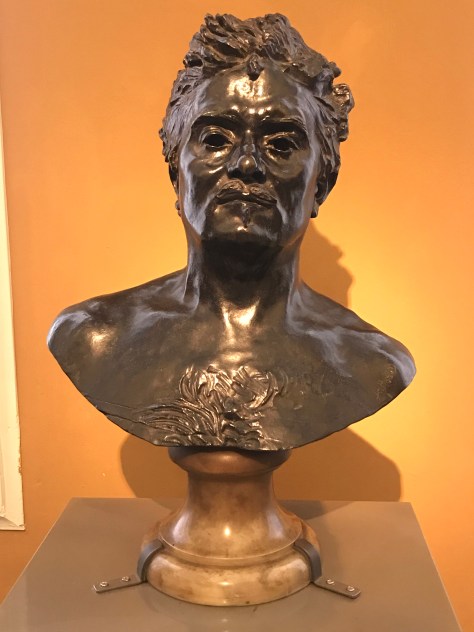
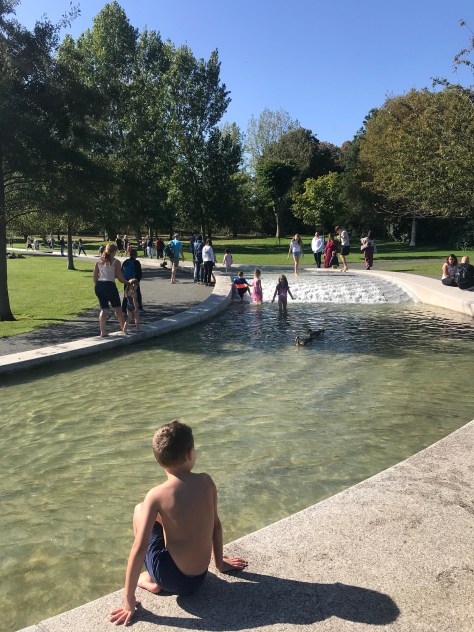
We then walked into the Kensington Gardens, and visited the Diana, Princess of Wales Fountain. There was swim race taking place in The Serpentine.



We then visited the Serpentine Gallery before walking to the northeast corner of Hyde Park.

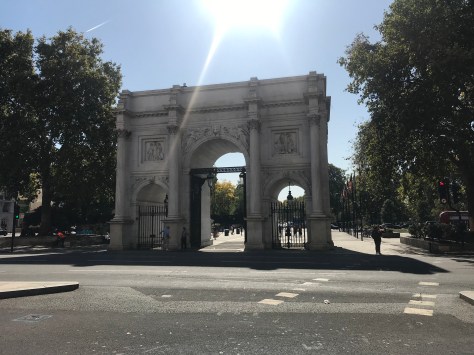
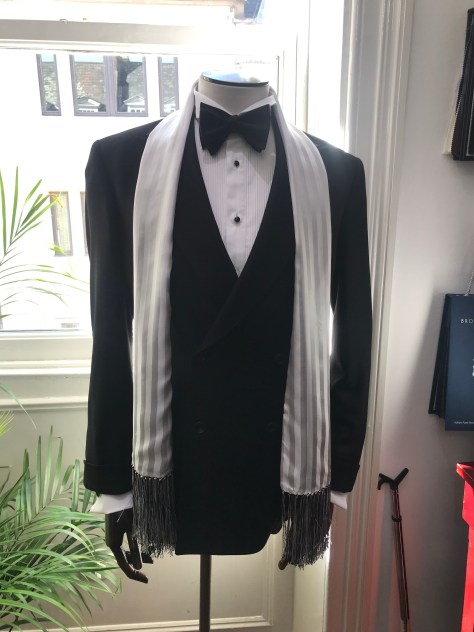
We walked along Oxford Street and headed south on South Molton to New Bond St. to visit the Saville Row tailors.

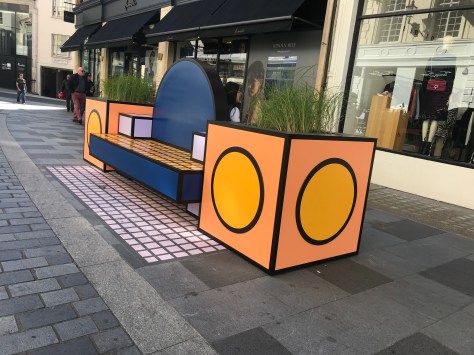

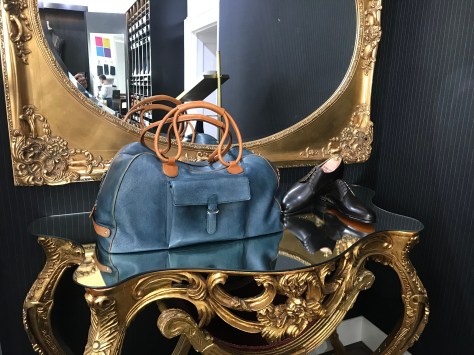
It was Open House London on Saturday so we toured Huntsman, Cad & The Dandy, Richard Anderson and Hidalgo Brothers


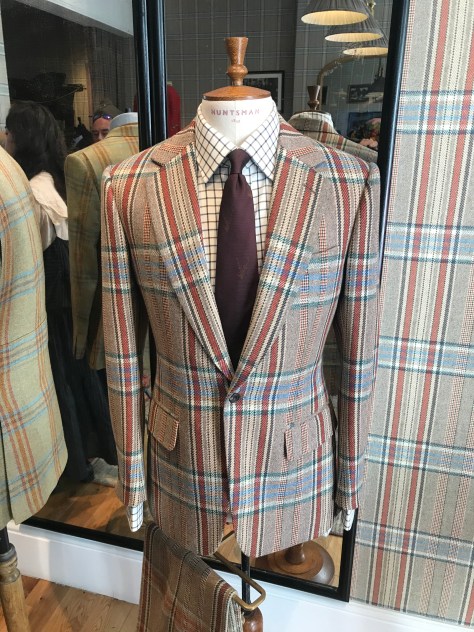

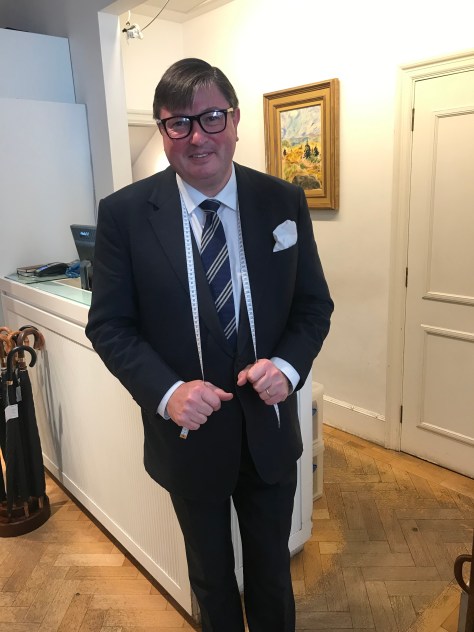
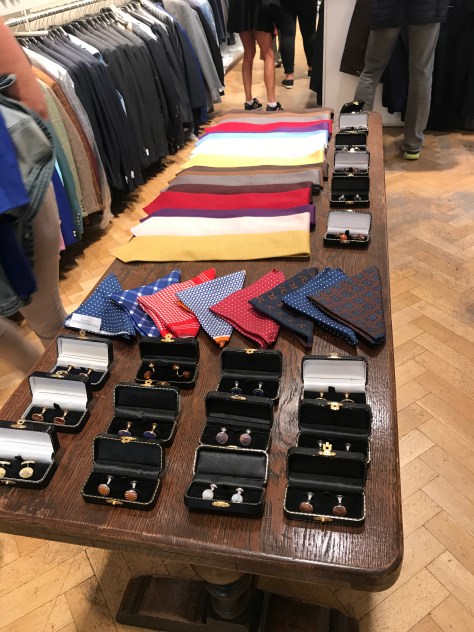


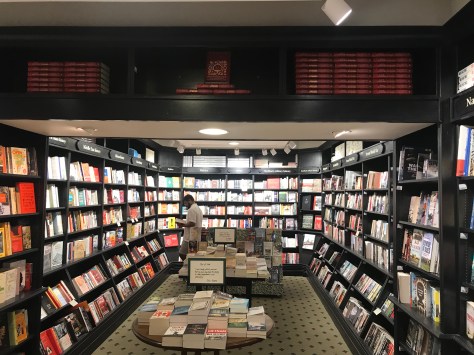
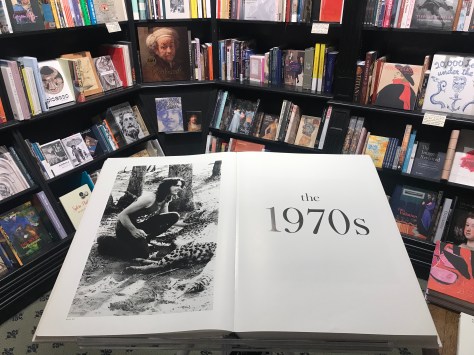
We then walked to Hatchard’s Bookstore and Fortnum & Mason.



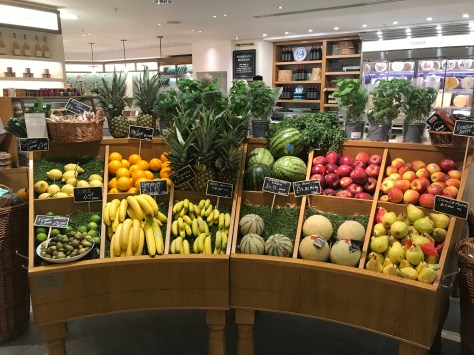
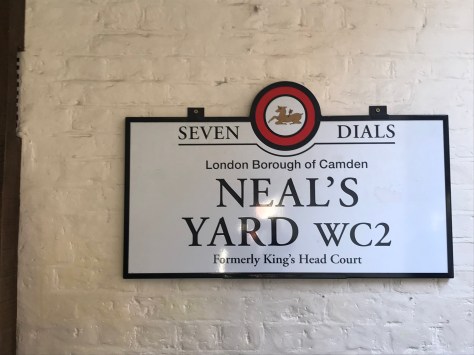
A very fun small alcove awaited at Neal’s Yard in SoHo.


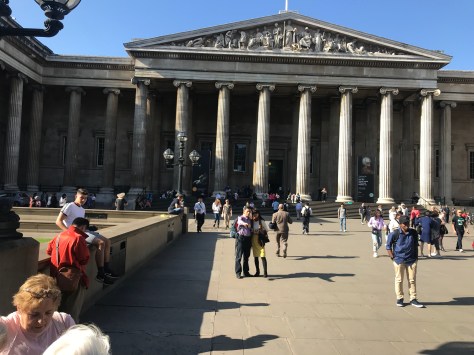
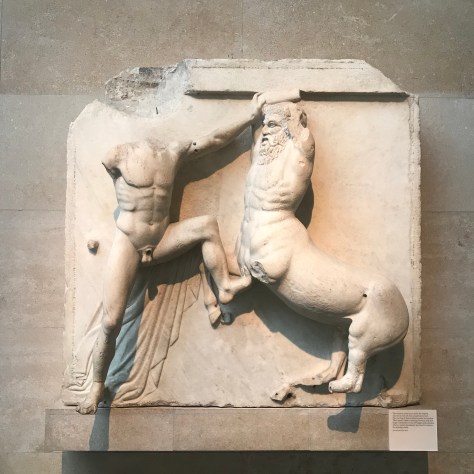
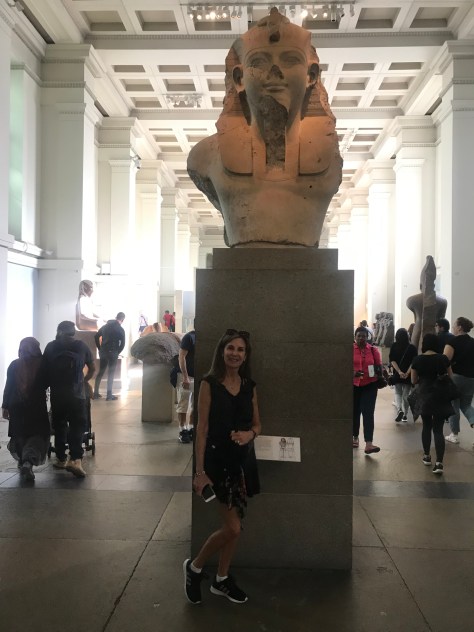
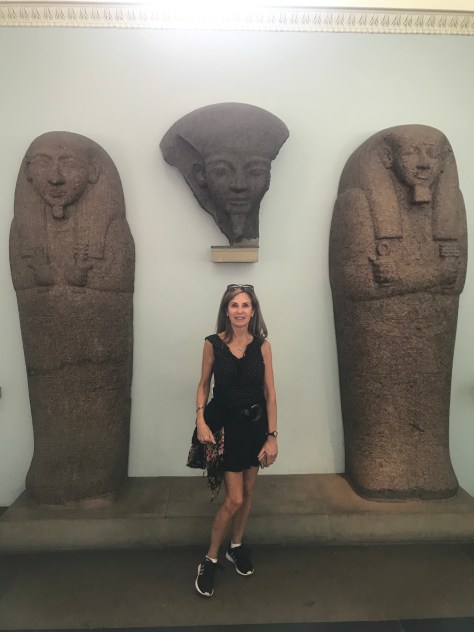
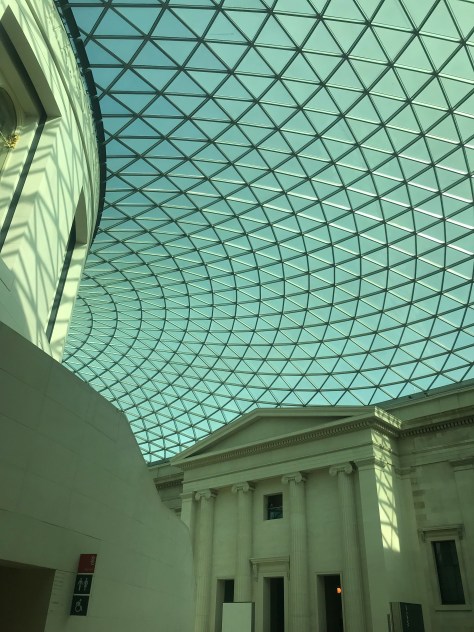
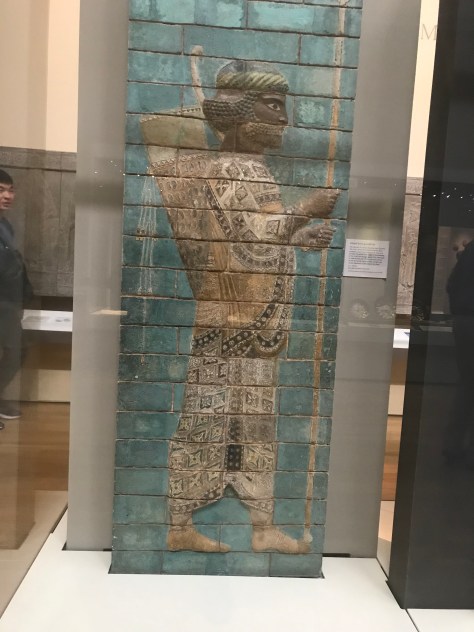
The last major stop was the British Museum in Bloomsbury.



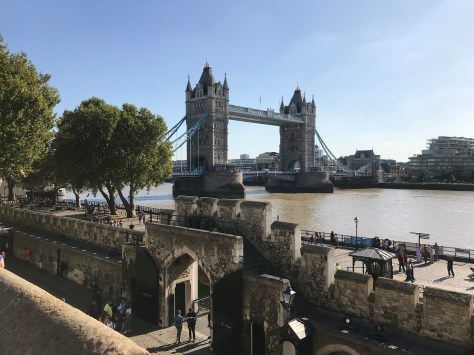
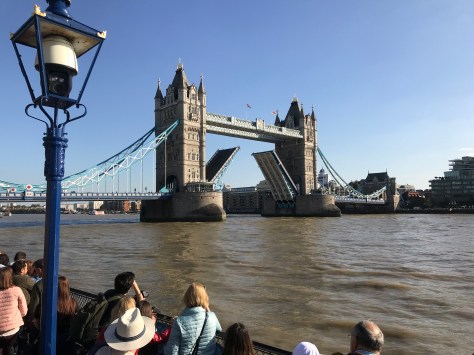
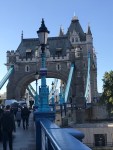 Set out at 9 am across Tower Bridge and experienced South Bank.
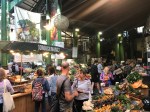 Borough Market is a must visit and it delivered delicious stall after stall of every cheese, meat, vegetable and savory or sweet foods.
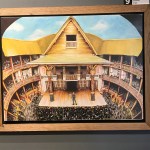 We then continued along the Thames for a quick view of Shakespeare’s Globe, followed by a tour of the Tate Modern.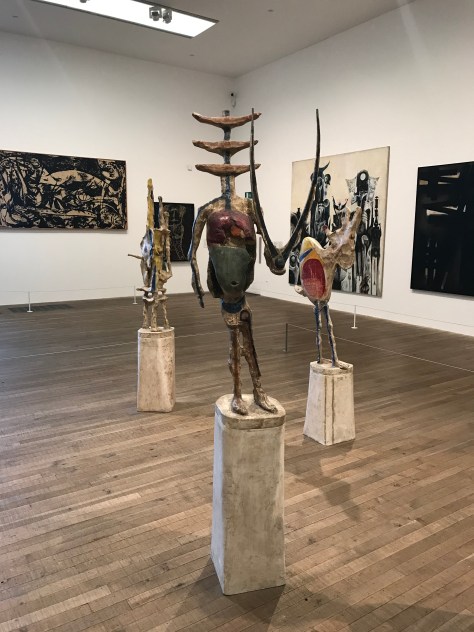
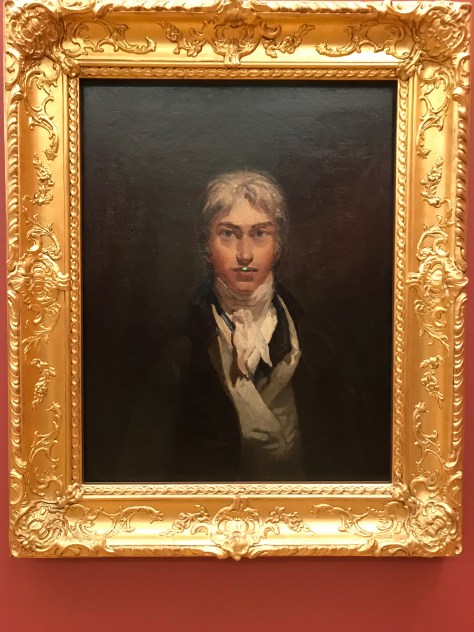
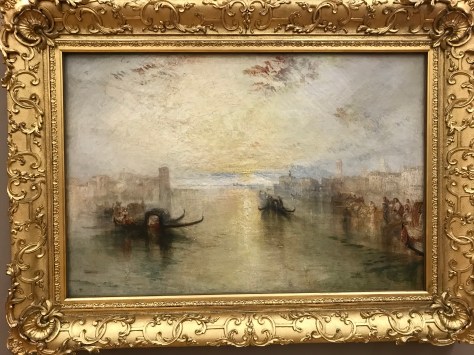
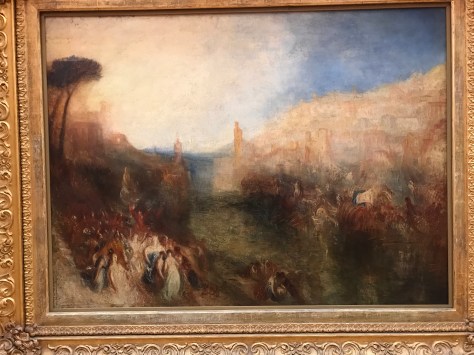
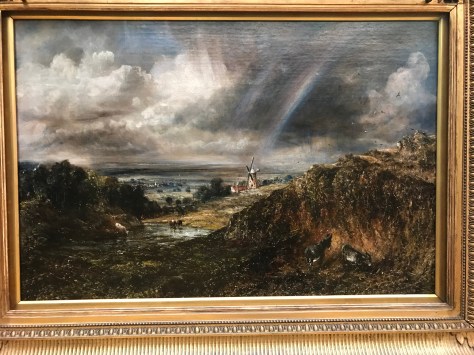
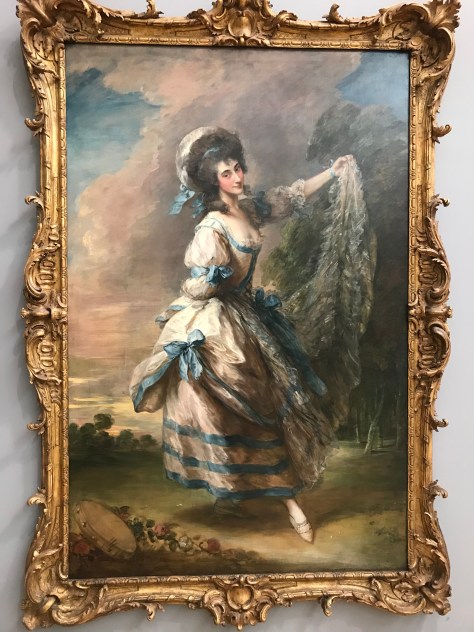
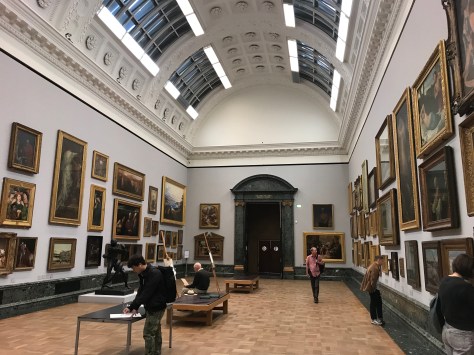
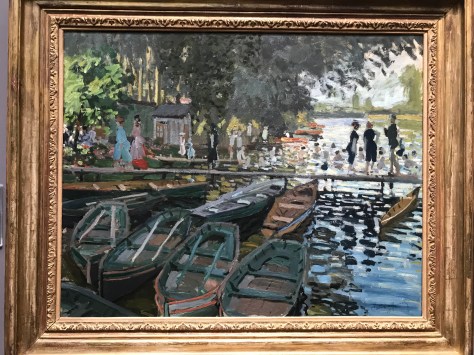
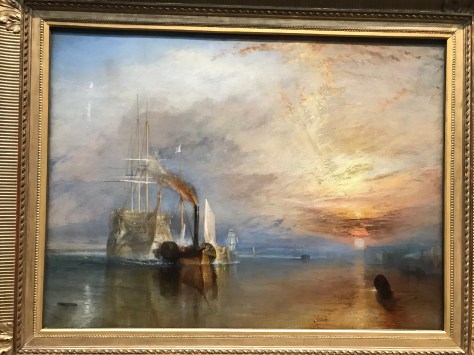
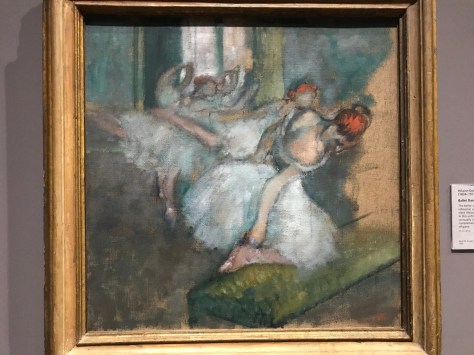
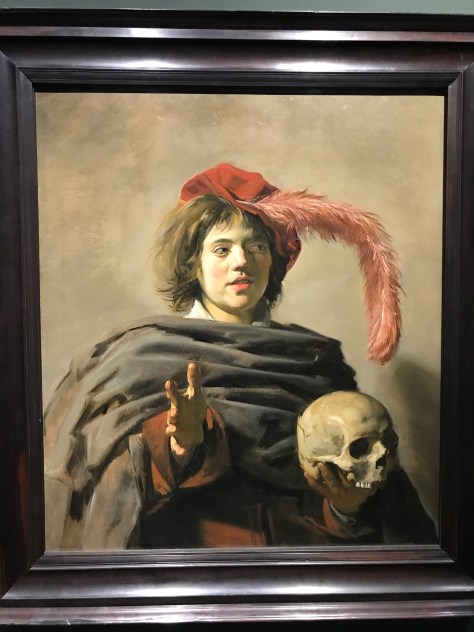
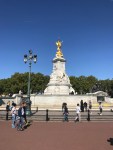 Headed north to Buckingham Palace before walking through St. James Park to the National Gallery.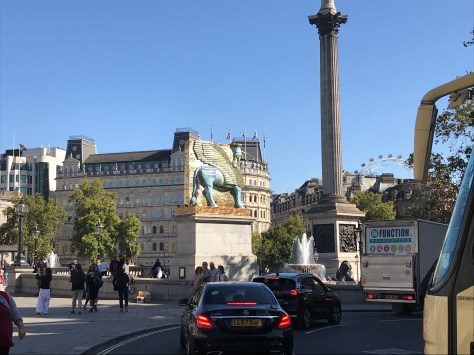
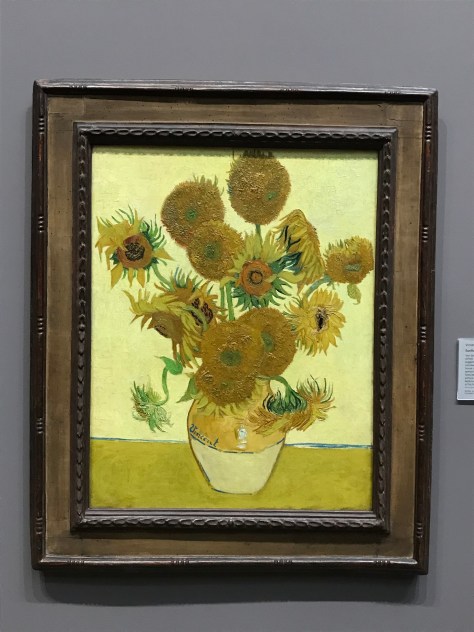
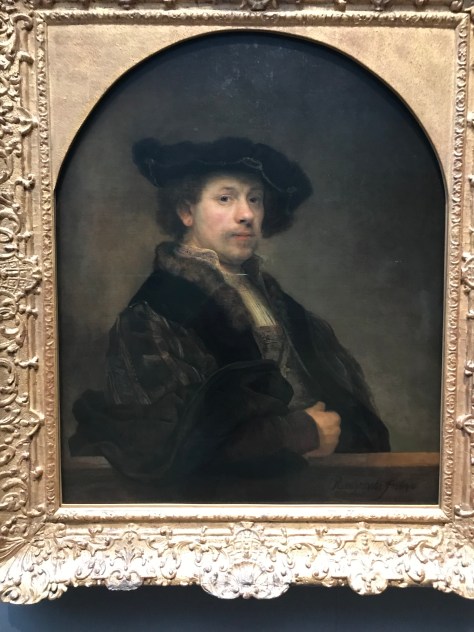

 Édouard Manet was a provocateur and a dandy, the Impressionist generation’s great painter of modern Paris. This first-ever exhibition to explore the last years of Manet’s short life and career reveals a fresh and surprisingly intimate aspect of this celebrated artist’s work. Stylish portraits,
  luscious still lifes, delicate pastels and watercolors, and vivid café and garden scenes convey Manet’s elegant social world and reveal his growing fascination with fashion, flowers, and his view of the parisienne—a feminine embodiment of modern life in all its particular, fleeting beauty.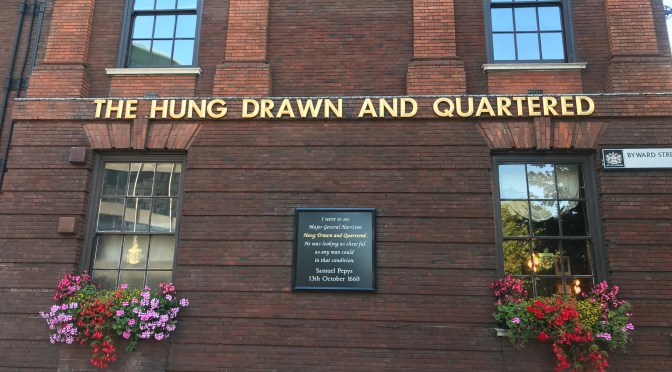
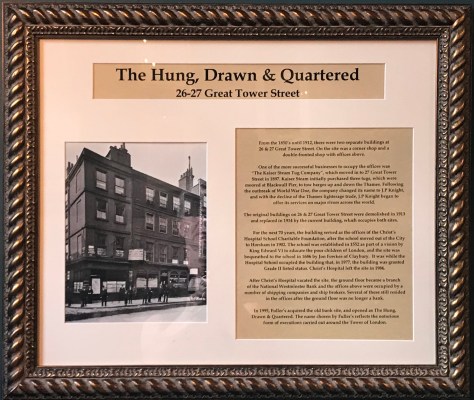
 After touring the Tower, three blocks west lies (very appropriately) The Hung, Drawn & Quartered.
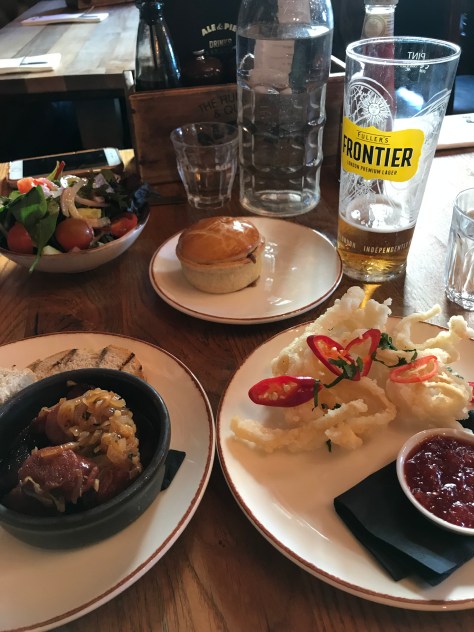
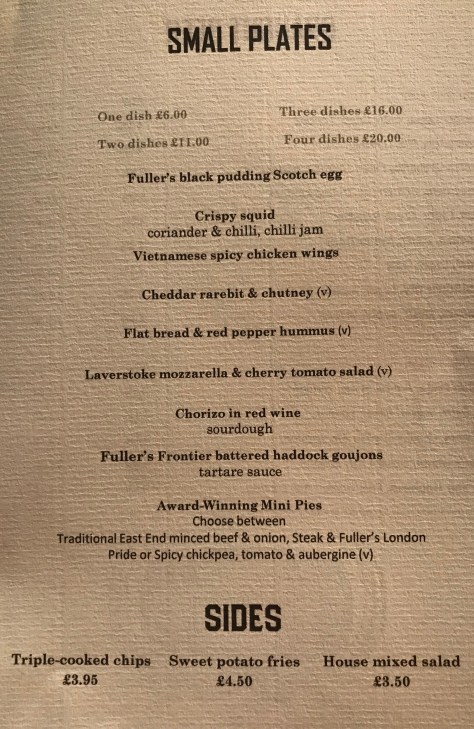
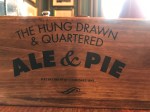 They feature Fuller’s Frontier lager and an excellent small plate food selection. We decided on Crispy Squid, Steak & Fuller’s Mini Pie and Chorizo in Red Wine. All were very good and followed up with another Fuller’s Craft Lager.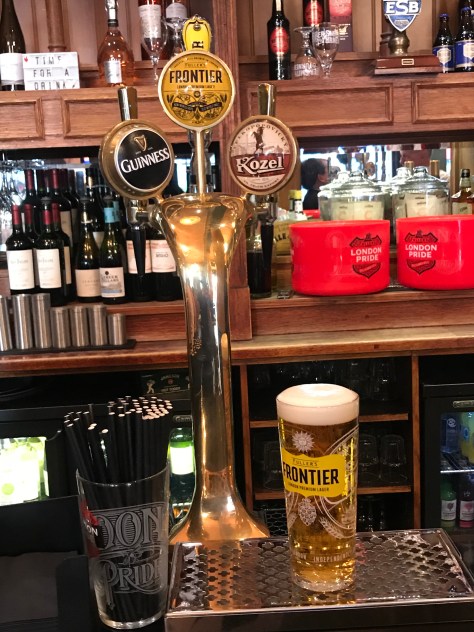
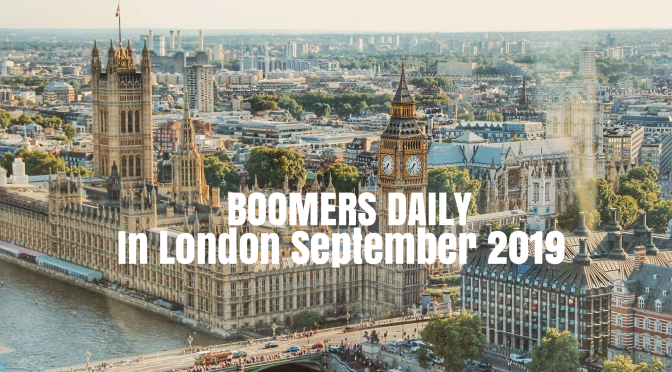
 Heathrow Express to Paddington Station in 20 minutes.
 Grab a Black Cab outside and enjoy a great ride to your hotel near the Tower Bridge.
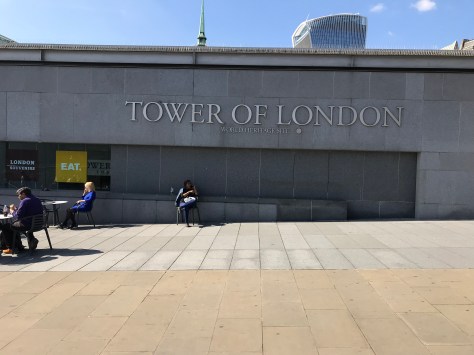
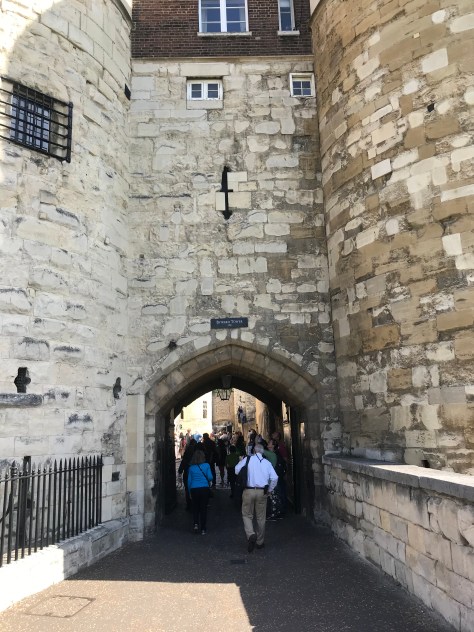
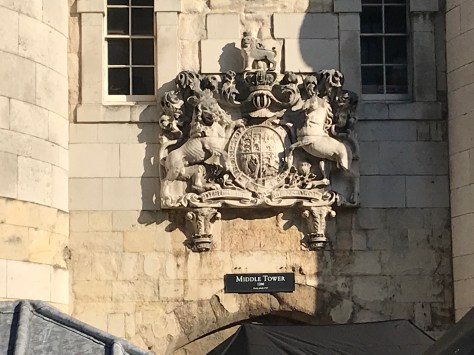
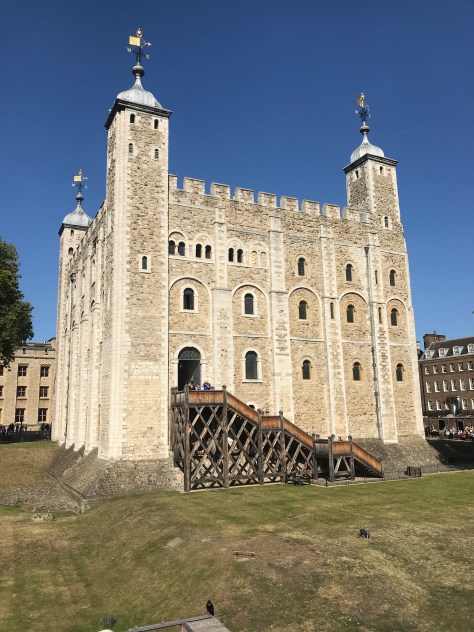
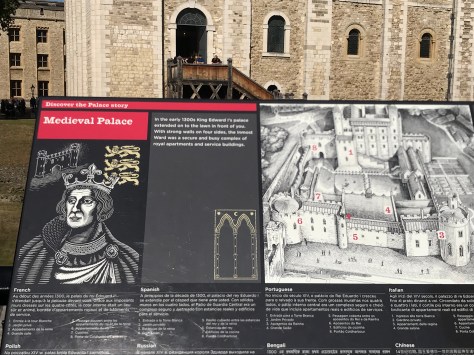
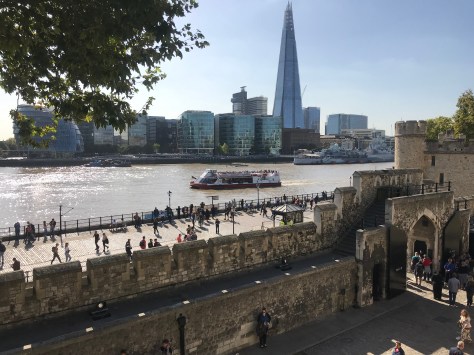
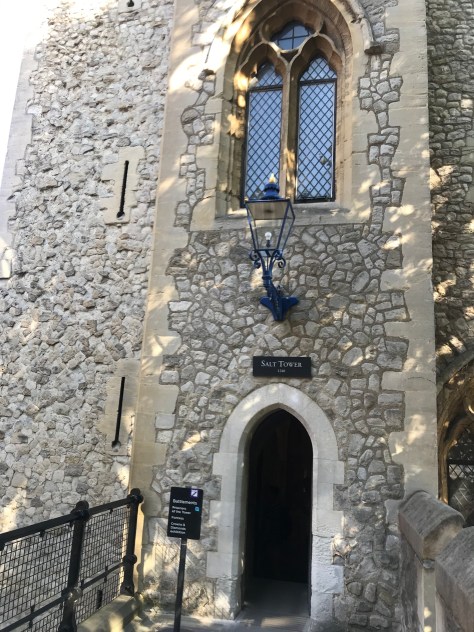
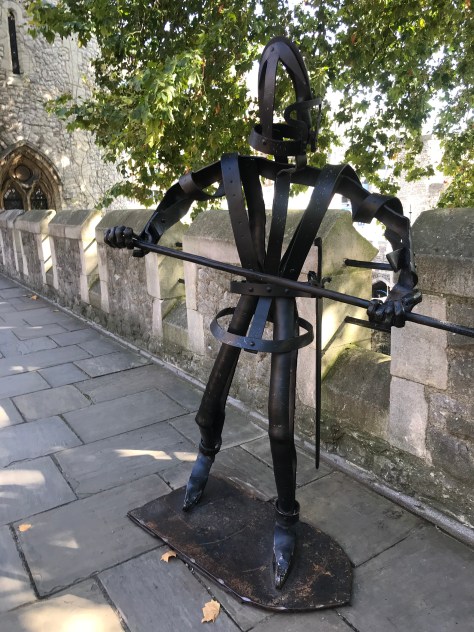
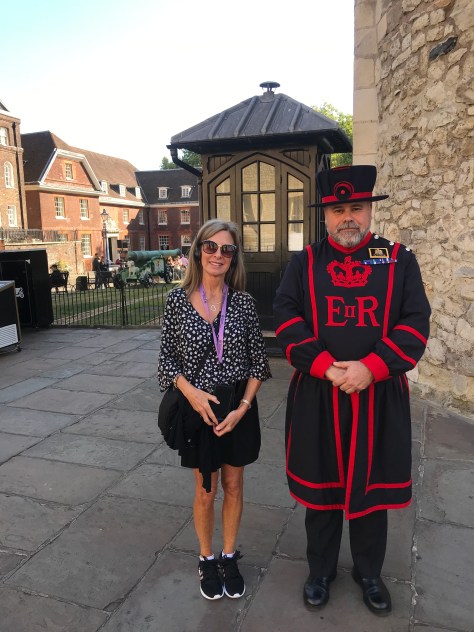
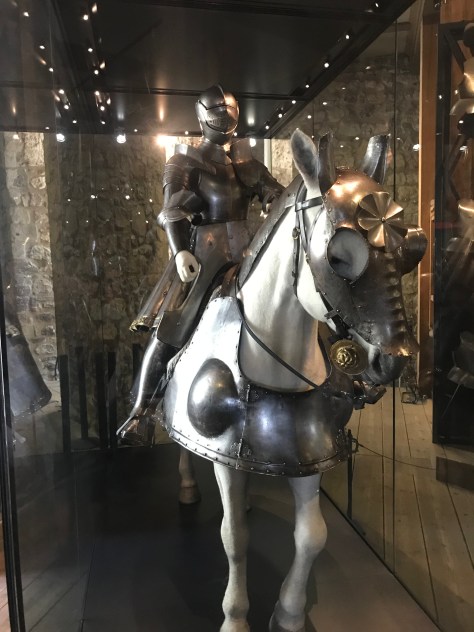
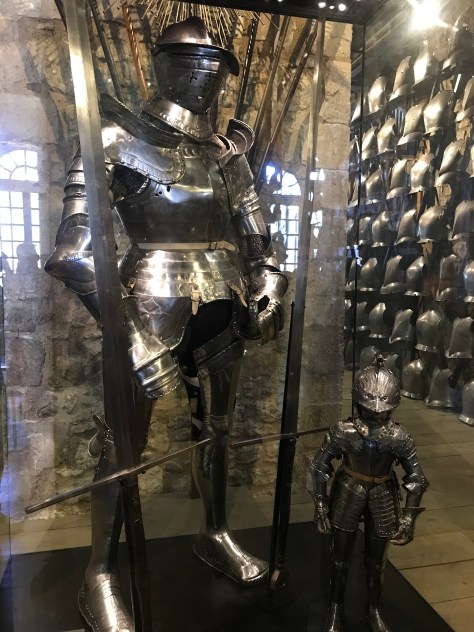
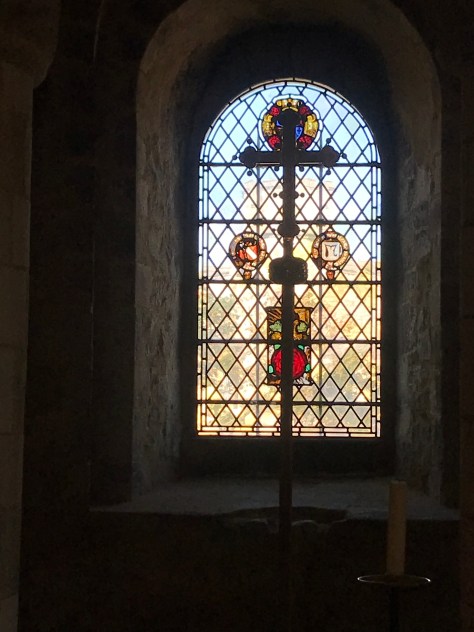
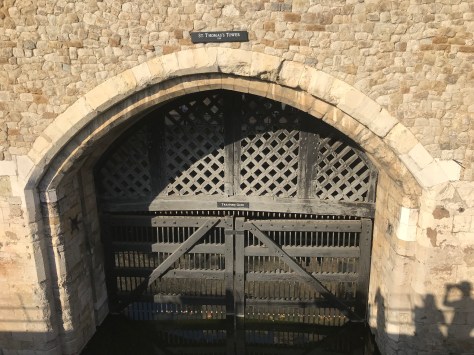
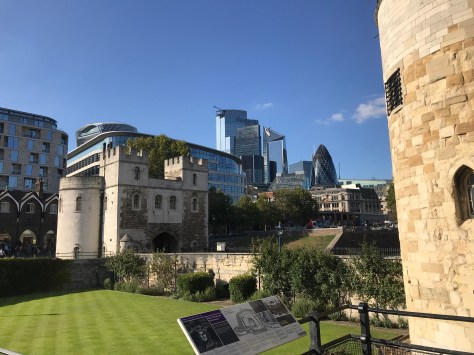
 Check into your hotel and walk over for a 2-3 hour tour of the Tower of London.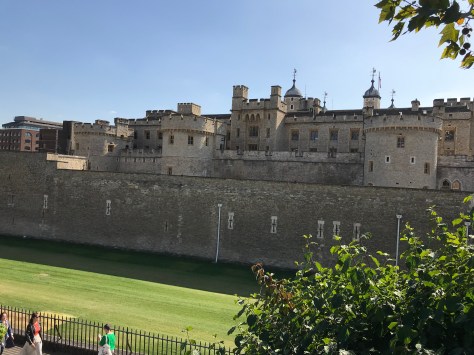
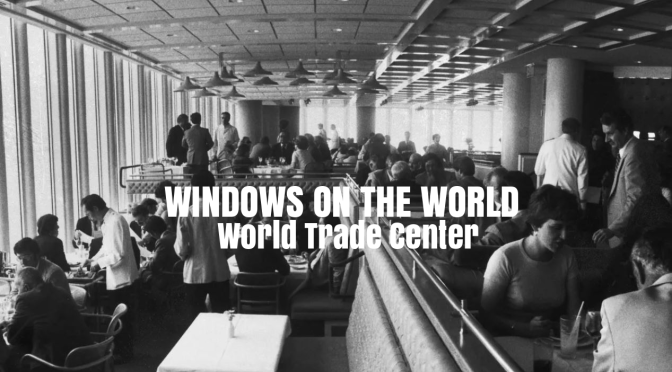
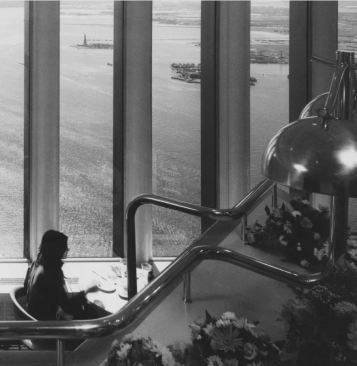 The light is different, higher contrast. Real-life chiaroscuro. And sound is muted, still, almost absent. Except when the wind is kicking up a tremendous, otherworldly, howl. And the city looks so small, innocent, like a child’s train set, the Statue of Liberty a tchotchke in a tourist shop. Sixty-mile views that reach the Hudson Highlands up north, the Atlantic Ocean to the east and south, and, much closer, planes landing and taking off at three major airports.


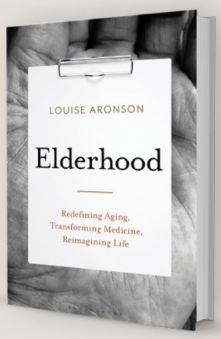 Noted Harvard-trained geriatrician Louise Aronson uses stories from her quarter century of caring for patients and draws from history, science, literature, popular culture, and her own life to weave a vision of old age that’s neither nightmare nor utopian fantasy—a vision full of joy, wonder, frustration, outrage, and hope about aging, medicine, and life itself.
 Boomers Daily